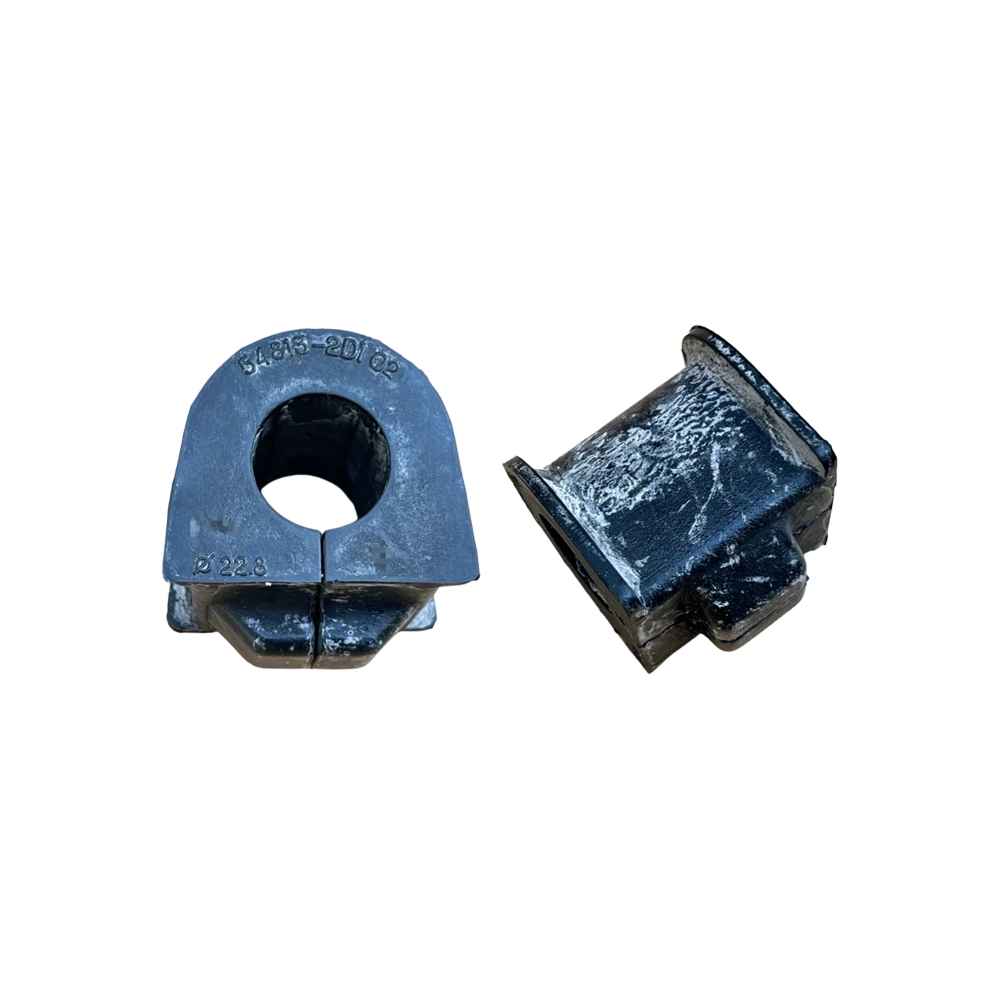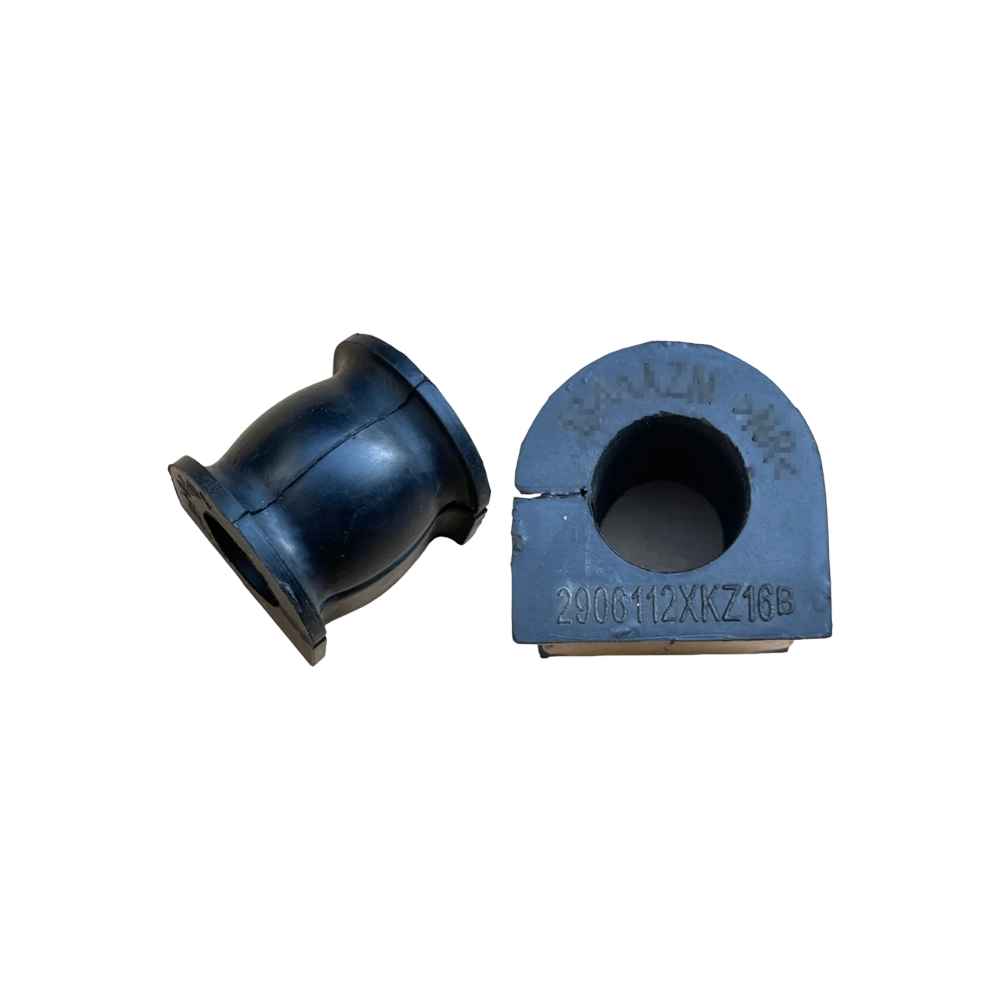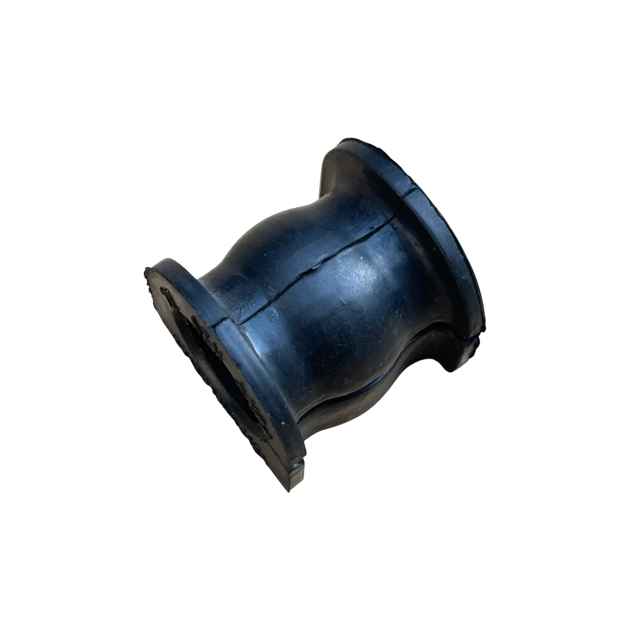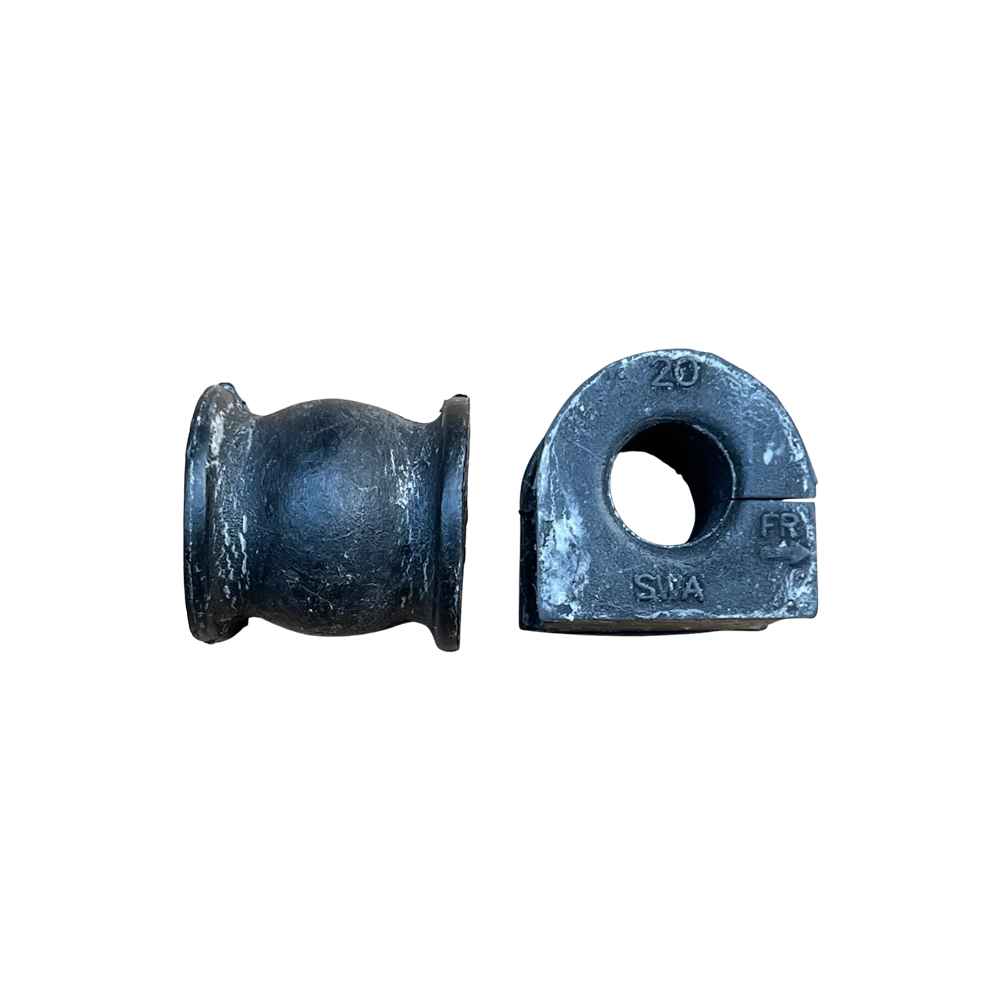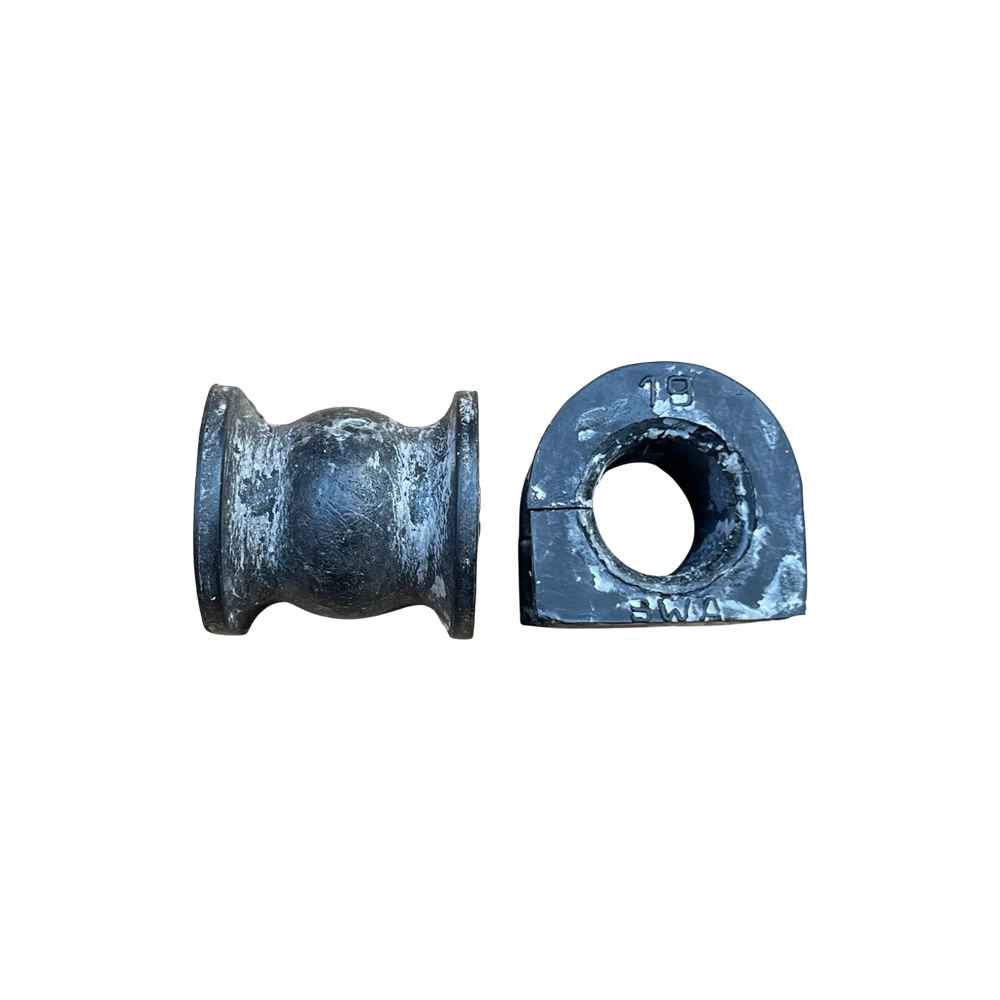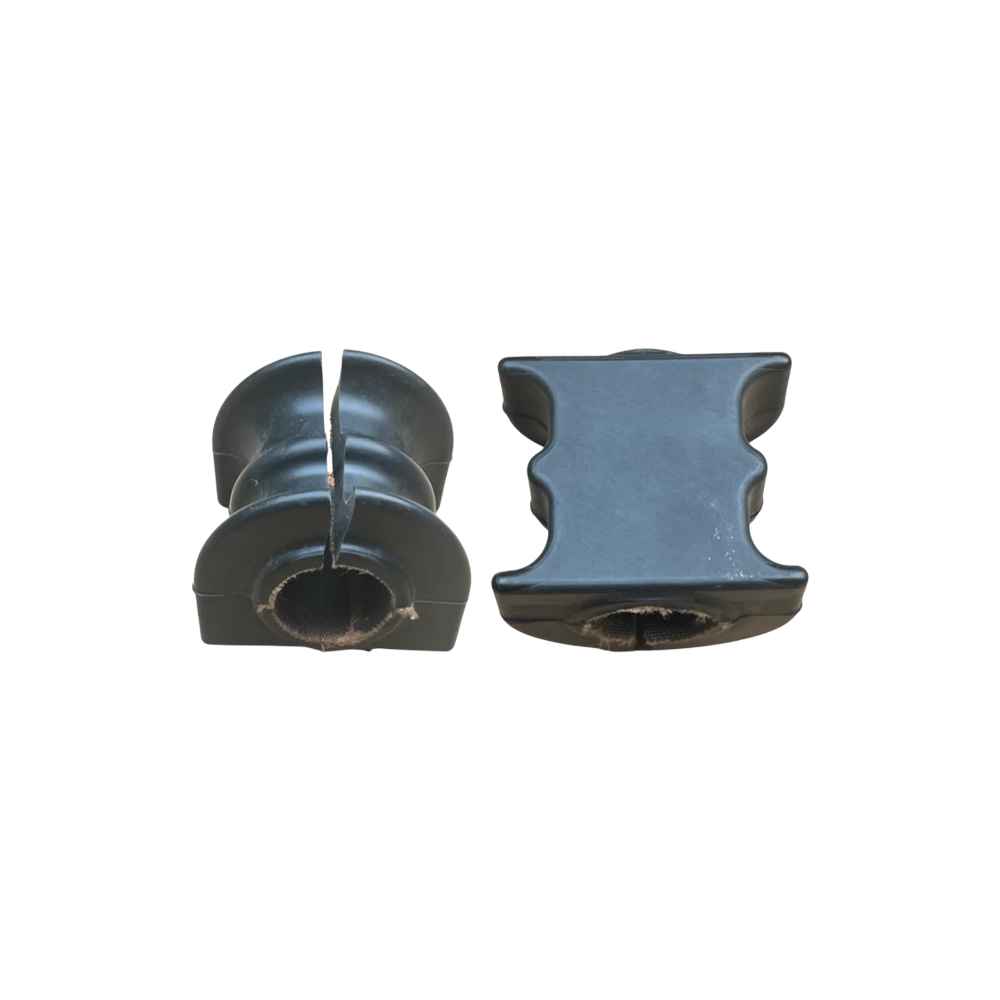
Understanding Strut Dust Sleeves
Strut dust sleeves, often referred to as strut boots, serve a critical role in protecting the strut assembly from dirt and debris. These components are typically made from various materials, including rubber and plastic composites, which contribute to their durability and resistance against environmental factors.
Materials Used in Strut Dust Sleeves
The choice of material for strut dust sleeves is essential for ensuring longevity and effective performance. Commonly used materials include:
- Rubber: Offers flexibility and resistance to tearing, making it a popular choice for many automotive applications.
- Polyurethane: Known for its strength and ability to withstand harsh conditions, polyurethane is often preferred for high-performance vehicles.
- Vinyl: While less durable than rubber or polyurethane, vinyl dust sleeves can provide adequate protection at a lower price point.
Durability Considerations
When evaluating the durability of strut dust sleeves, factors such as exposure to UV rays, temperature fluctuations, and chemical exposure must be considered. High-quality materials tend to offer better resistance against wear and degradation over time. For instance, rubber sleeves may deteriorate faster when subjected to extreme temperatures or prolonged sunlight.
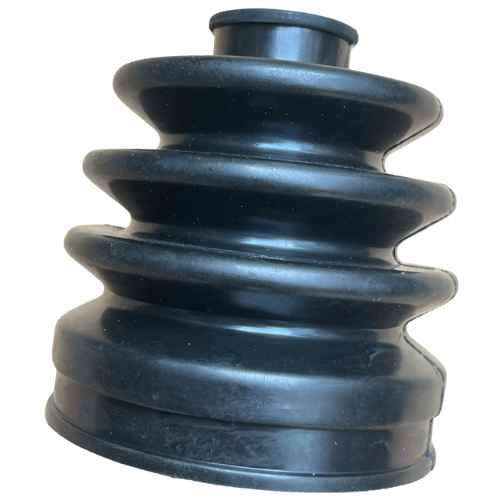
Valve Cover Seals: An Overview
Valve cover seals, also known as valve cover gaskets, play an essential role in sealing the valve cover to the engine block, preventing oil leaks and contamination. They are particularly crucial in maintaining optimal engine performance.
Materials for Valve Cover Seals
Similar to strut dust sleeves, valve cover seals are manufactured using different materials that affect their longevity and performance. The most common materials include:
- Silicone: Renowned for its excellent heat resistance and flexibility, silicone gaskets are favored in many modern engines.
- Rubber: Traditional rubber gaskets are still widely used but may not offer the same level of durability as silicone counterparts.
- Composites: Some manufacturers utilize composite materials which combine various elements to enhance sealing capabilities and resist oil breakdown.
Comparing Durability
In terms of durability, silicone gaskets generally outperform rubber options due to their superior resistance to thermal cycling and oil permeability. However, it is essential to note that the specific application and operating conditions can significantly influence the lifespan of both types of seals.
Wholesale Pricing Insights
When considering wholesale pricing for strut dust sleeves and valve cover seals, various factors come into play, including material quality, brand reputation, and market demand. Brands like Guanghua often offer competitive pricing while ensuring satisfactory product performance.
Strut Dust Sleeve Pricing
Typically, the cost of strut dust sleeves can vary widely based on the material and manufacturer. Retail prices might range from $5 to $30 per unit, whereas wholesale pricing could provide significant discounts, especially when purchasing in bulk.
Valve Cover Seal Pricing
For valve cover seals, prices generally reflect similar parameters. Quality silicone gaskets may range from $10 to $50 each retail, with wholesale opportunities allowing for more substantial savings. The overall market trend indicates an increasing demand for high-quality seals, thereby influencing price stability.
Conclusion on Selecting Components
While both strut dust sleeves and valve cover seals serve distinct purposes within automotive systems, their material composition and durability directly impact their functionality. Opting for high-quality materials, whether opting for aftermarket brands or trusted names like Guanghua, can ensure optimal performance and longevity. Understanding the nuances of these components can guide consumers and wholesalers alike in making informed purchasing decisions.