Understanding Suspension Protection Bellows
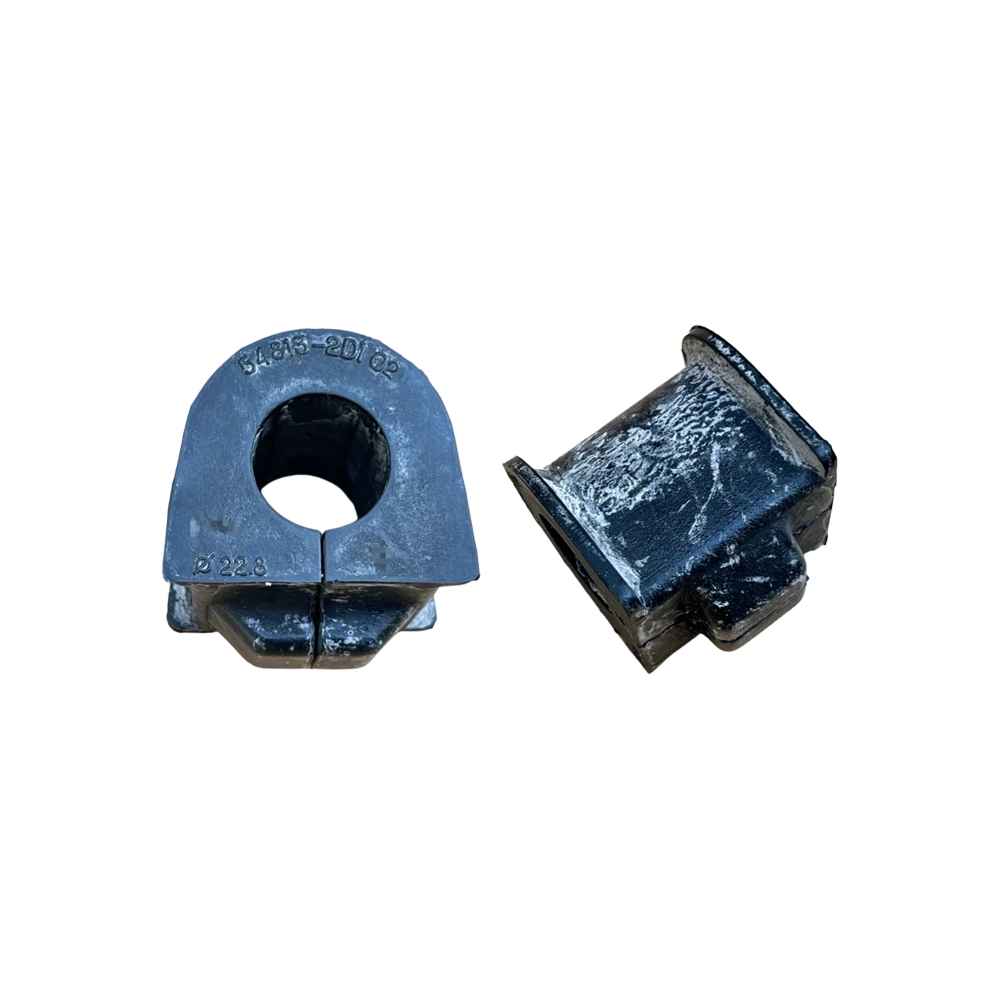
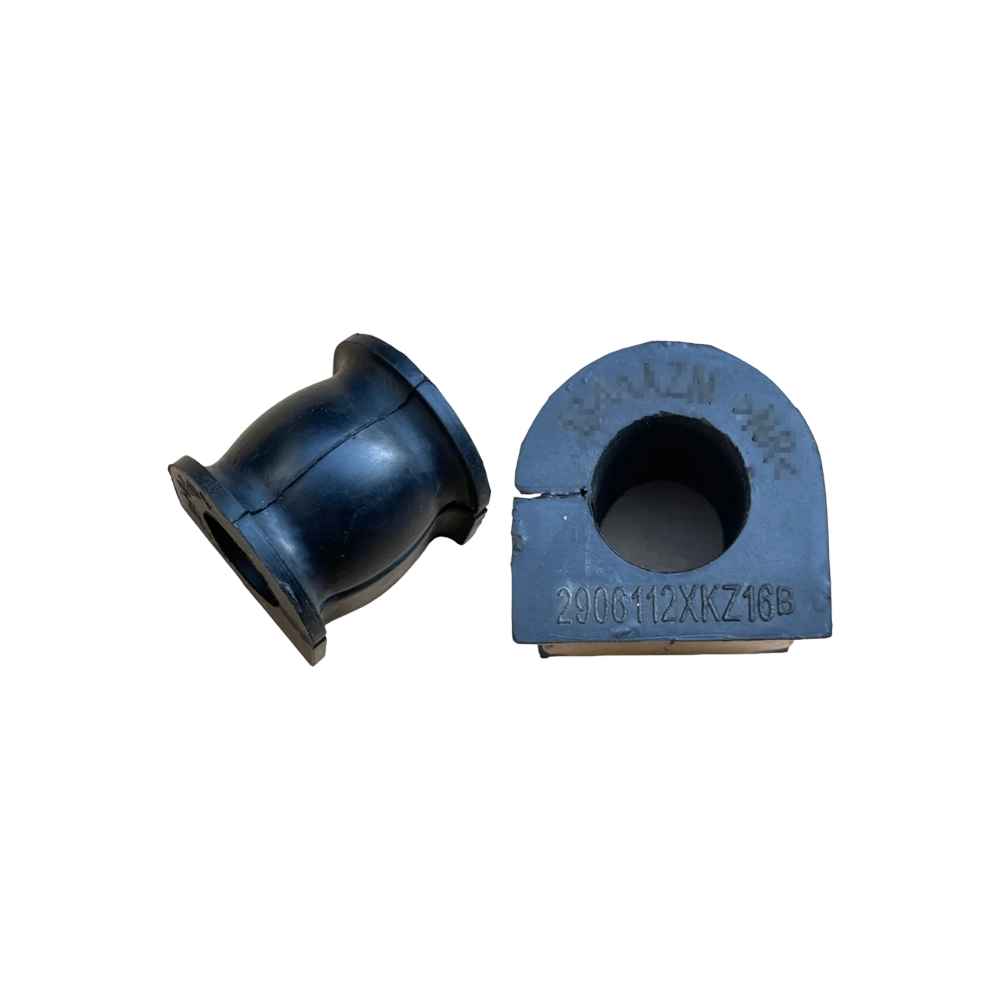
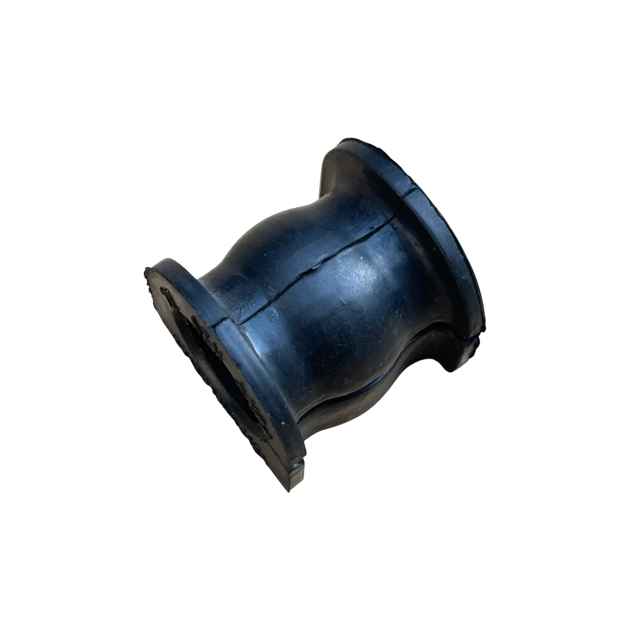
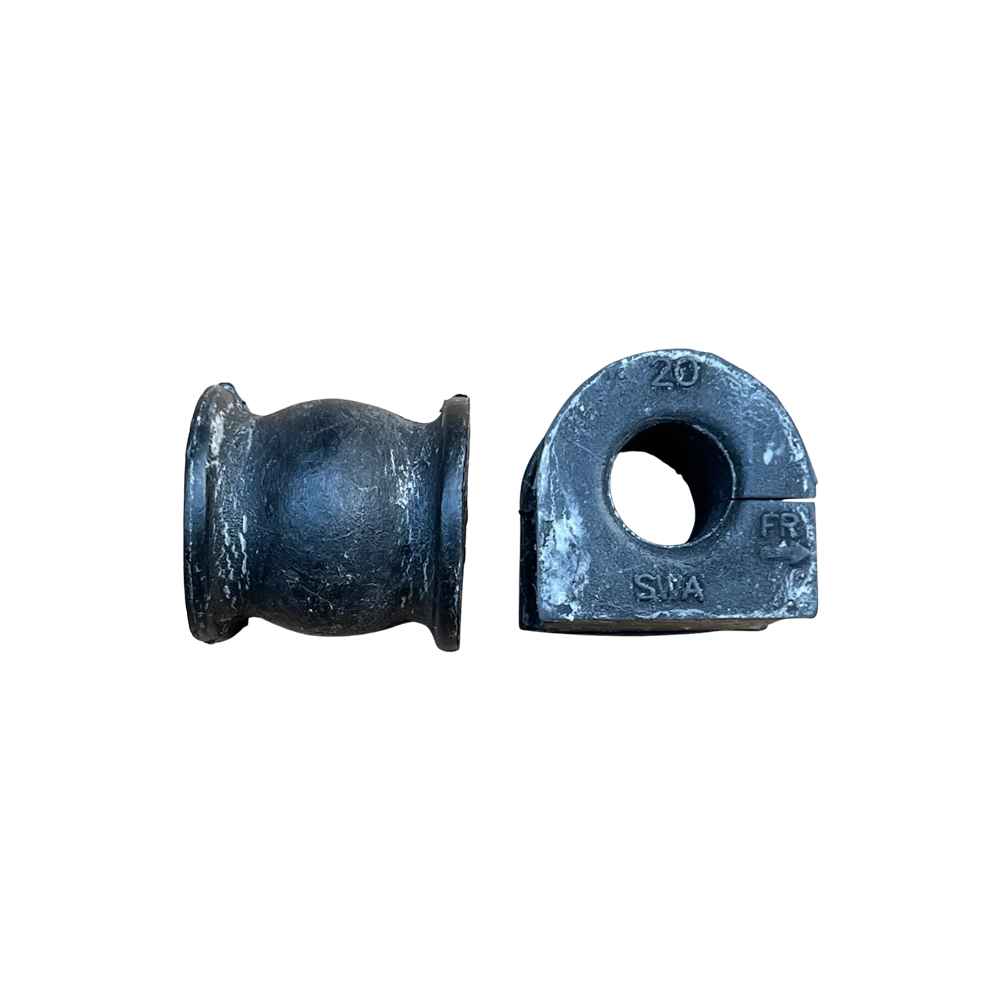
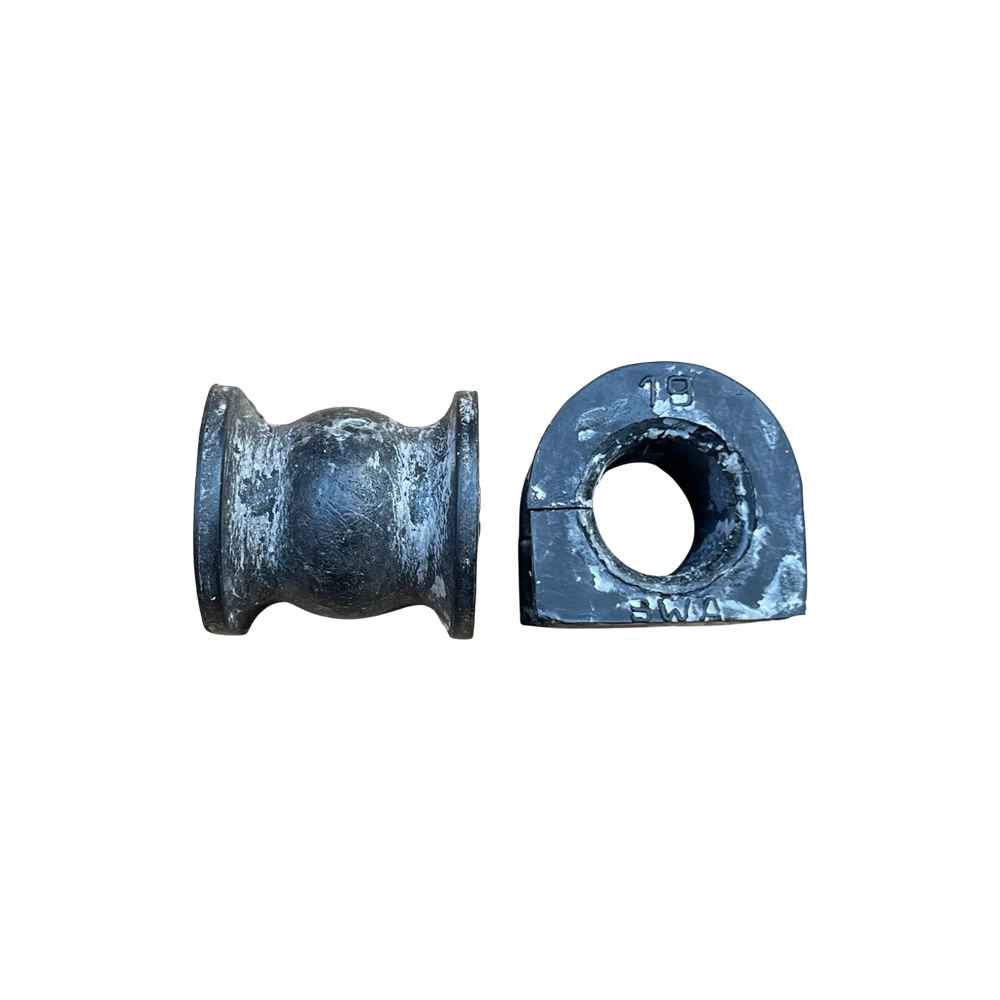
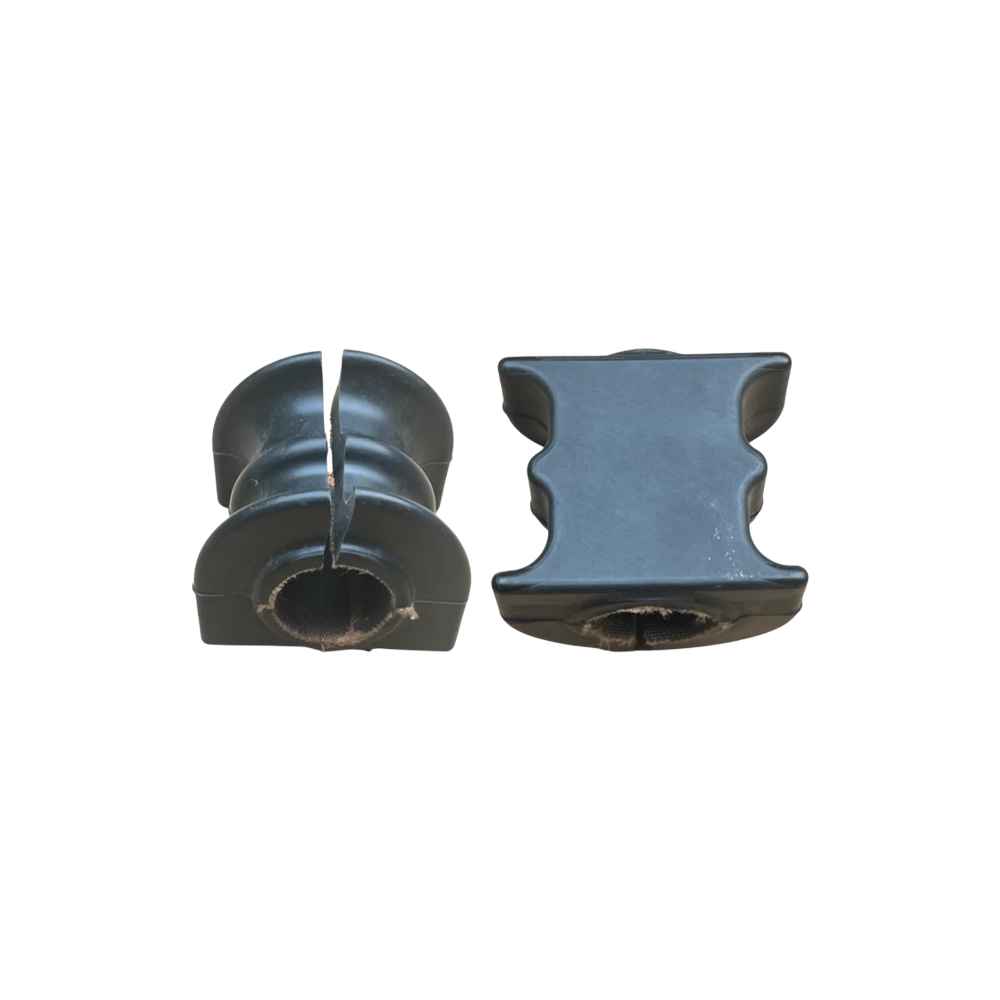
When it comes to vehicle suspension systems, protection is paramount. Suspension protection bellows are designed to shield critical components from dirt, moisture, and other contaminants. These flexible rubber or synthetic sleeves help prolong the lifespan of parts by preventing premature wear. While they might seem like a simple component, their role in maintaining ride quality cannot be overstated.
Materials Used in Suspension Bellows
Most suspension protection bellows are made from durable materials that can withstand harsh environmental conditions. Common options include:
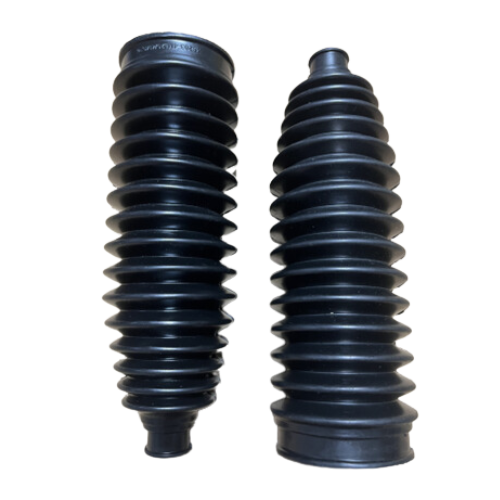
- Rubber: This traditional choice offers excellent flexibility and resistance to wear but may degrade over time due to UV exposure.
- Synthetic elastomers: More advanced than rubber, these materials provide superior resistance to heat, ozone, and chemicals.
- Thermoplastic polymers: Lightweight yet strong, thermoplastics are increasingly popular for their durability and cost-effectiveness.
Cost Considerations
The cost of suspension protection bellows varies widely based on material and brand. Typically, you can expect prices to range from $10 to $50 per piece. For example, brands like Guanghua offer reliable options that balance affordability with quality.
The Role of Valve Cover Seals
Valve cover seals, on the other hand, play an equally significant role within the engine. These seals prevent oil leaks and ensure optimal performance of the engine components. Without proper sealing, engines can suffer from oil loss, leading to serious issues such as overheating and increased friction between moving parts.
Material Choices for Valve Cover Seals
Similar to suspension bellows, valve cover seals also come in several materials:
- Silicone: Most modern vehicles use silicone-based seals due to their excellent temperature resistance and flexibility.
- Rubber: Although less common nowadays, rubber seals are still found in older models. They are cost-effective but may require more frequent replacement.
- Composite materials: Some high-performance applications utilize composite seals that offer enhanced durability and sealing capabilities.
Comparing Costs
If you're considering replacing valve cover seals, you should budget between $15 to $100 depending on the make and model of your vehicle. The price might also increase if you opt for premium brands known for their reliability, like Guanghua, which often features higher-quality materials.
Suspension Bellows vs. Valve Cover Seals: Key Differences
While both suspension bellows and valve cover seals are crucial for vehicle performance, they serve different functions and are made from different materials. Understanding these distinctions can help you make informed decisions when it comes to maintenance.
Performance Impact
Neglecting either component can lead to significant performance issues. A worn-out suspension bellows can result in poor handling and increased noise, while failing valve cover seals can cause oil leaks and engine damage. Regular inspections and timely replacements are essential.
Installation Insights
Installation processes differ as well. Suspension protection bellows are generally easier to replace, requiring minimal tools and expertise. In contrast, valve cover seals often necessitate more labor, especially if the valve cover itself must be removed for access, potentially adding to the overall cost.
Conclusion
In summary, while both suspension protection bellows and valve cover seals are integral to vehicle functionality, they cater to different areas of your car's overall health. Awareness of their materials, costs, and functions can save you significant expenses in the long run. Remember to always consult with a professional mechanic when dealing with these components to ensure optimal maintenance and care for your vehicle.