Understanding Suspension Rubber Parts
The suspension system of a vehicle plays an integral role in ensuring ride comfort and vehicle handling. Within this system, various rubber components contribute to its overall performance and longevity.
Types of Suspension Rubber Parts
- CV Joint Boots : These are designed to protect the constant velocity joints from dirt, moisture, and debris, thereby extending their lifespan.
- Shock Absorber Boots : Primarily used to prevent contaminants from entering the shock absorber, preserving its functionality.
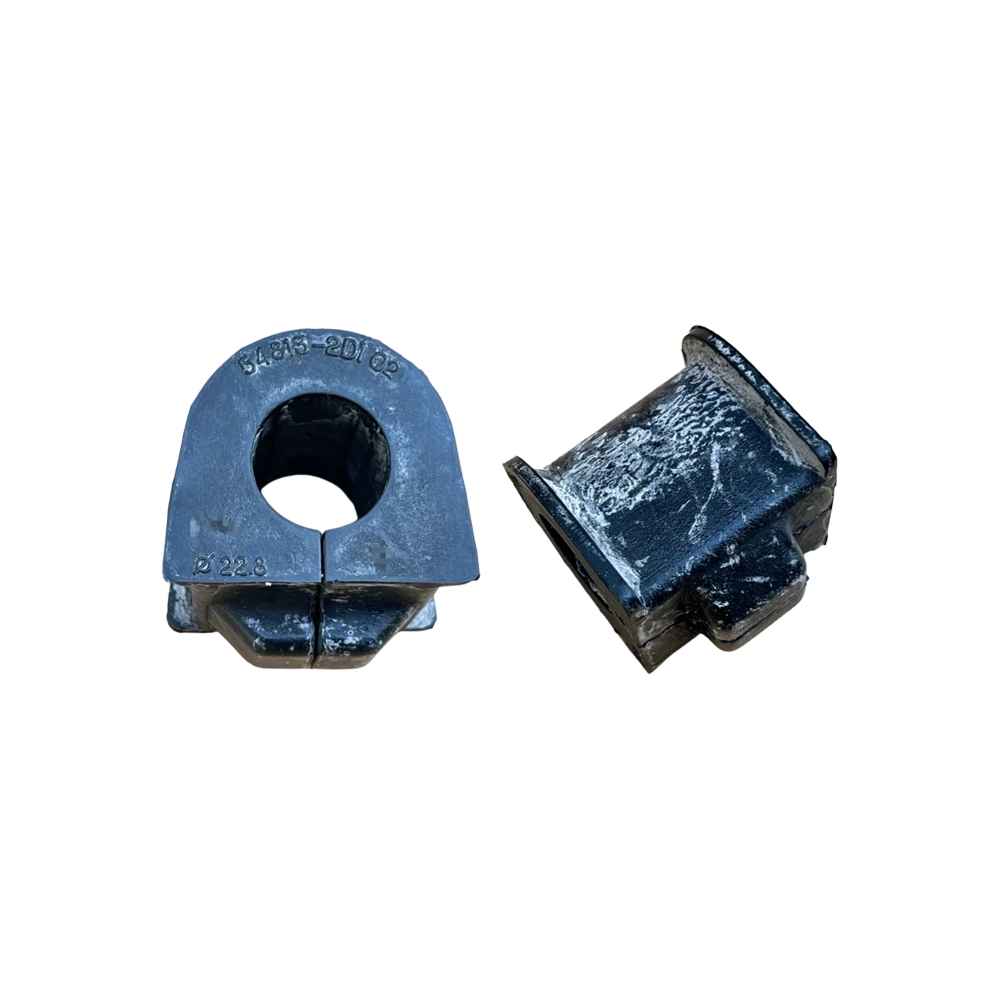
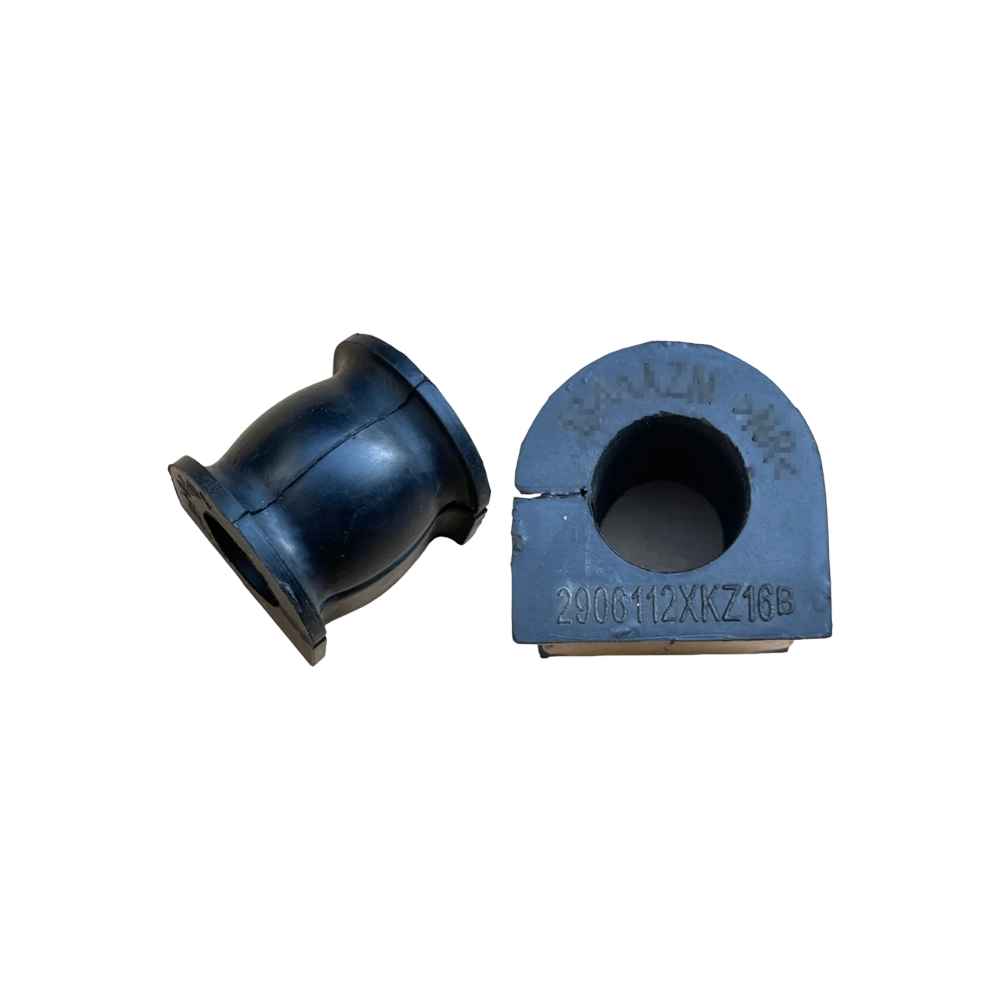
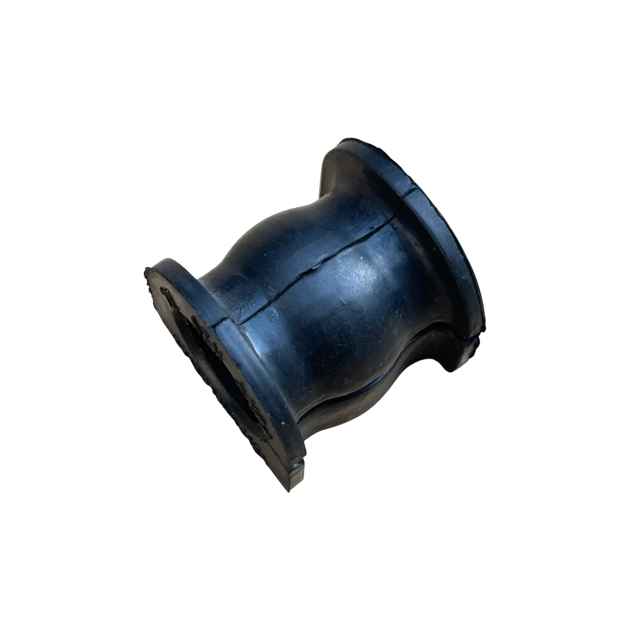
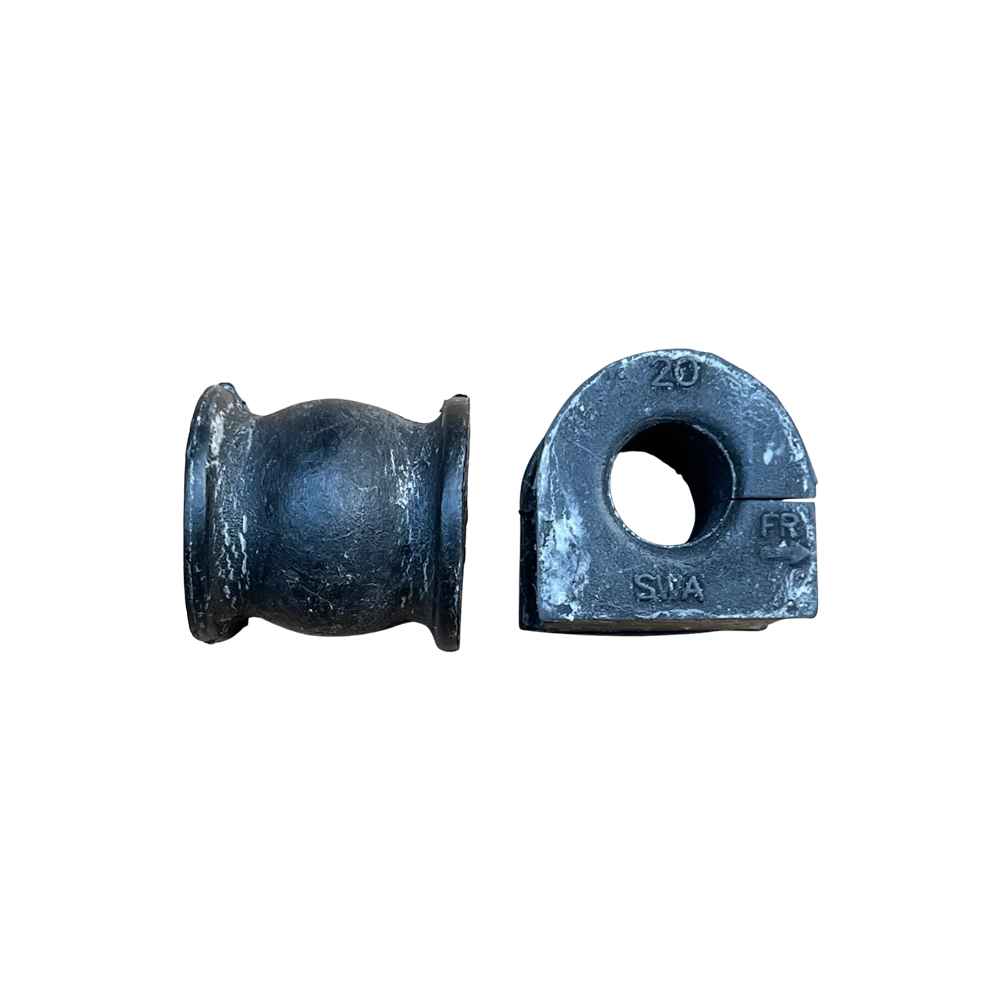
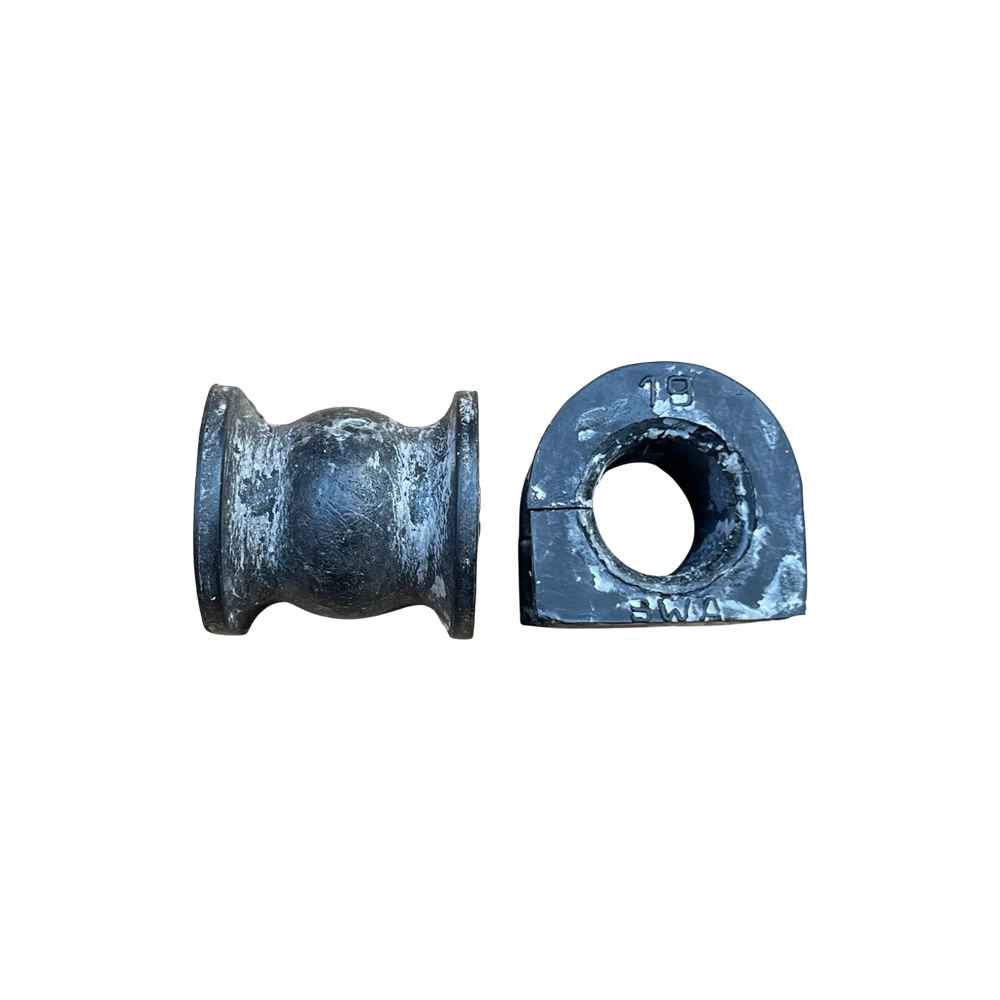
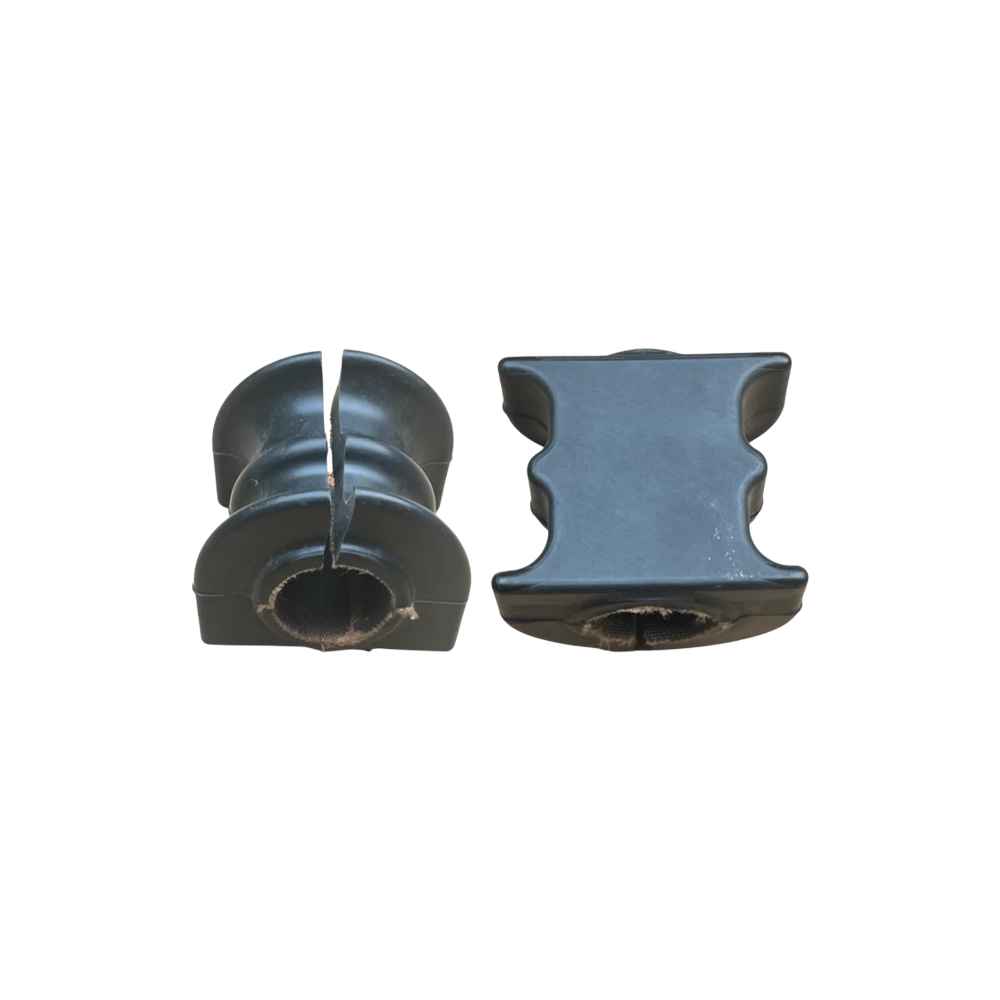
- Stabilizer Bar Bushings : They serve as connectors between the stabilizer bar and the vehicle frame, aiding in the reduction of body roll during turns.
- Steering Rack Boots: These boots safeguard the steering rack assembly from environmental elements, ensuring smooth operation.
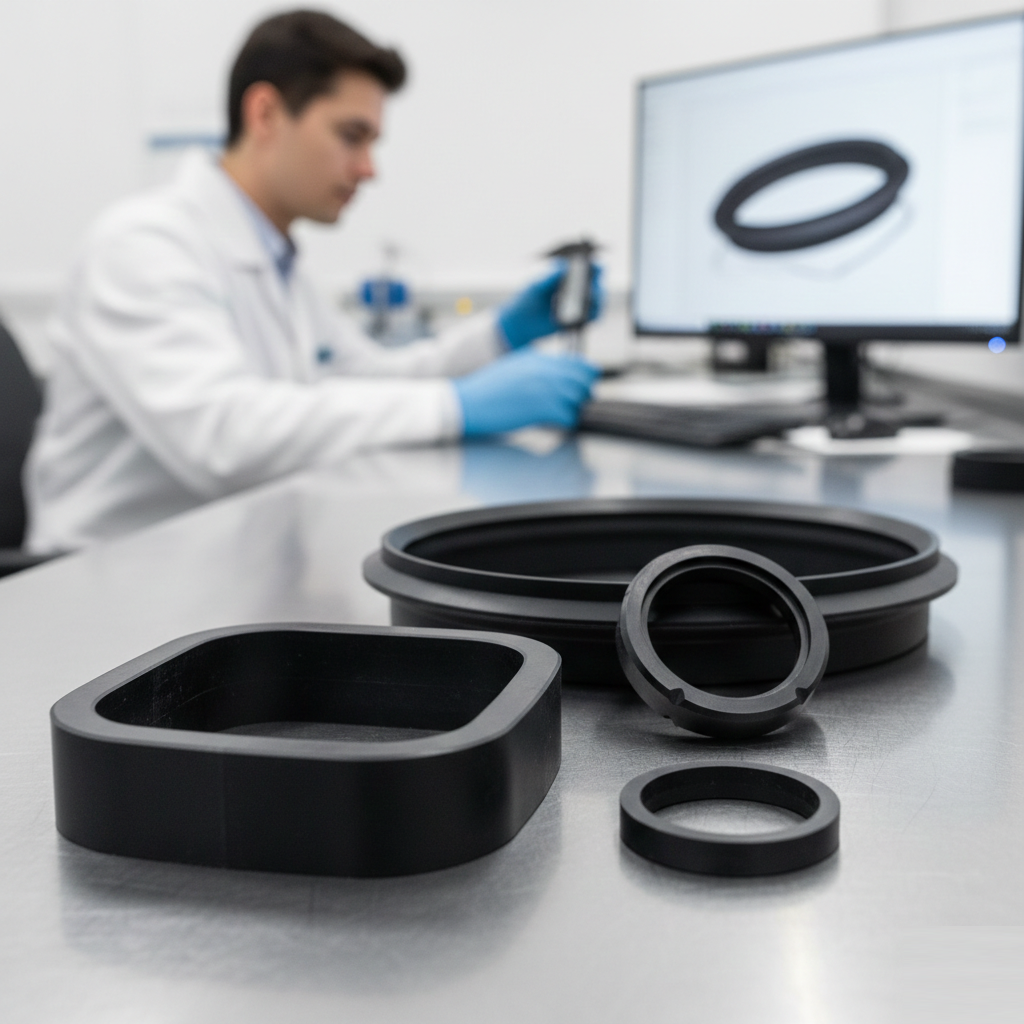
- O-Rings & Rubber Sealing Rings: Essential for creating tight seals that prevent fluid leaks within different systems of the vehicle.
- Valve Cover Gasket: This rubber component ensures sealing between the engine head and the valve cover, preventing oil leaks.
Material Composition
The performance and durability of suspension rubber parts significantly depend on their material composition. Most commonly, these components are made from synthetic rubber such as EPDM (ethylene propylene diene monomer) and NBR (nitrile butadiene rubber). These materials offer excellent resistance to wear, temperature fluctuations, and chemical exposure, which is crucial for automotive applications.
Advantages of Synthetic Rubber
- Synthetic rubber exhibits superior elasticity, allowing for better shock absorption.
- Resistance to aging and degradation due to ozone and UV radiation enhances longevity.
- Enhanced strength-to-weight ratio contributes to overall performance efficiency.
Durability Factors
Assessing the durability of suspension rubber parts involves several factors, including exposure to harsh conditions, load-bearing capacities, and maintenance practices. A component's lifespan can be influenced by how well it is maintained, the type of driving conditions frequently encountered, and even the quality of installation.
Environmental Resistance
Parts like CV joint boots and steering rack boots must withstand not only mechanical stress but also chemical exposure, particularly from road salts, oils, and various fluids. Selecting high-quality rubber components, such as those offered by brands like Guanghua, can significantly mitigate these risks.
Wholesale Pricing Insights
When considering wholesale pricing for suspension rubber parts, it is essential to evaluate factors like bulk purchase discounts, shipping costs, and potential tariffs. The market is competitive, with prices varying based on quality and supplier reliability.
Key Considerations for Pricing
- Volume Discounts: Many suppliers offer reduced rates for larger orders, making it prudent for workshops or retailers to plan purchases strategically.
- Material Quality: Cheaper options may save money initially but could lead to higher replacement costs down the line if they fail prematurely.
- Supplier Reputation: Established brands typically charge a premium, yet the investment often results in greater reliability and performance.
Comparative Analysis: Rack and Pinion Boots vs. Suspension Rubber Parts
While both categories of components serve distinct functions within a vehicle, it’s noteworthy to analyze their similarities and differences. Rack and pinion boots primarily serve to protect steering mechanisms, while suspension rubber parts focus more on supporting the vehicle's weight and absorbing shocks.
Functionality and Design Differences
- Purpose: Rack and pinion boots keep steering components free from contamination, whereas suspension rubber parts ensure ride stability and comfort.
- Design Complexity: Suspension components often feature multi-part designs that require precise engineering, unlike the simpler structure of most rack and pinion boots.
- Interaction with Other Systems: Suspension rubber components interact closely with various systems, including braking and drivetrain, while rack and pinion boots are more isolated in their function.
The Importance of Quality Assurance
Ultimately, the performance of both suspension rubber parts and rack and pinion boots hinges on quality assurance during manufacturing. OEM (Original Equipment Manufacturer) standards often guide production processes, ensuring that each component meets stringent criteria before reaching the market.
Investing in high-quality components not only enhances vehicle performance but also reduces overall maintenance costs. Thus, professional mechanics and automotive retailers should prioritize sourcing from reputable manufacturers known for their durability and reliability. Brands like Guanghua exemplify such reliability in the aftermarket industry.