Understanding Sway Bar Bushings
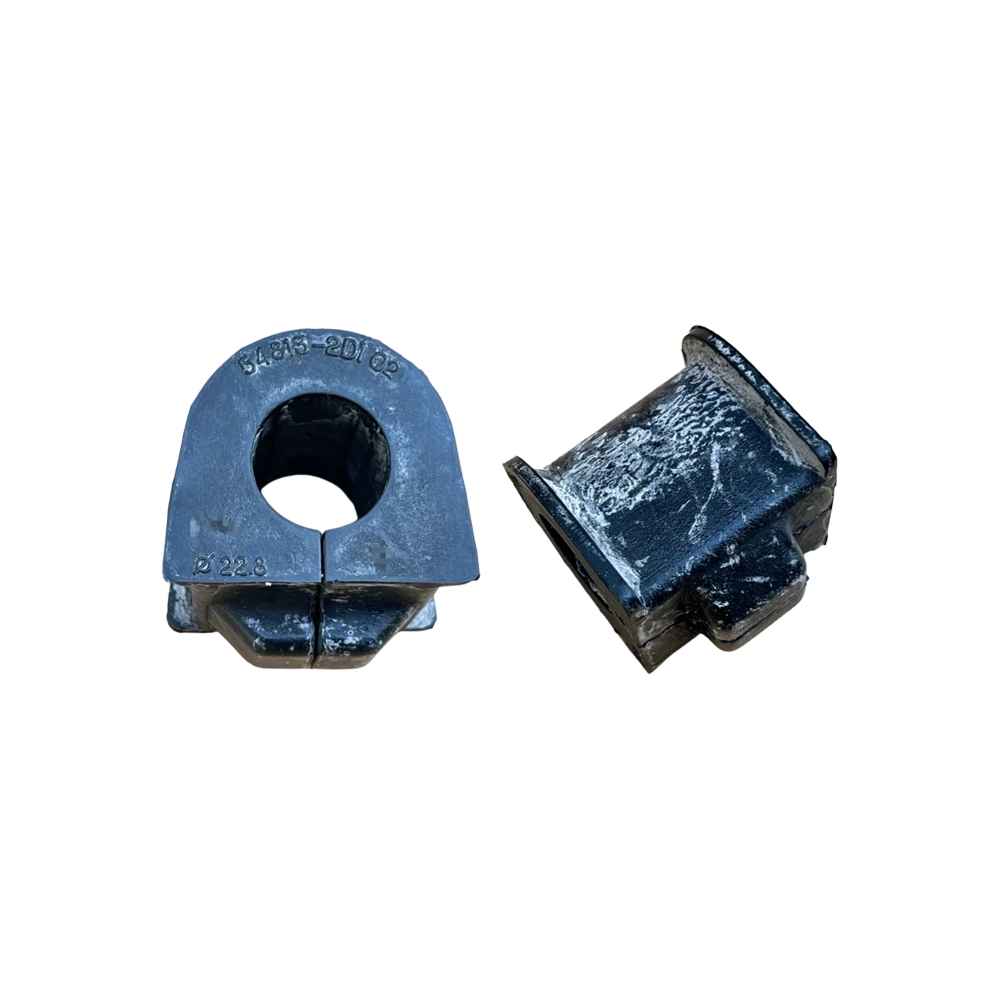
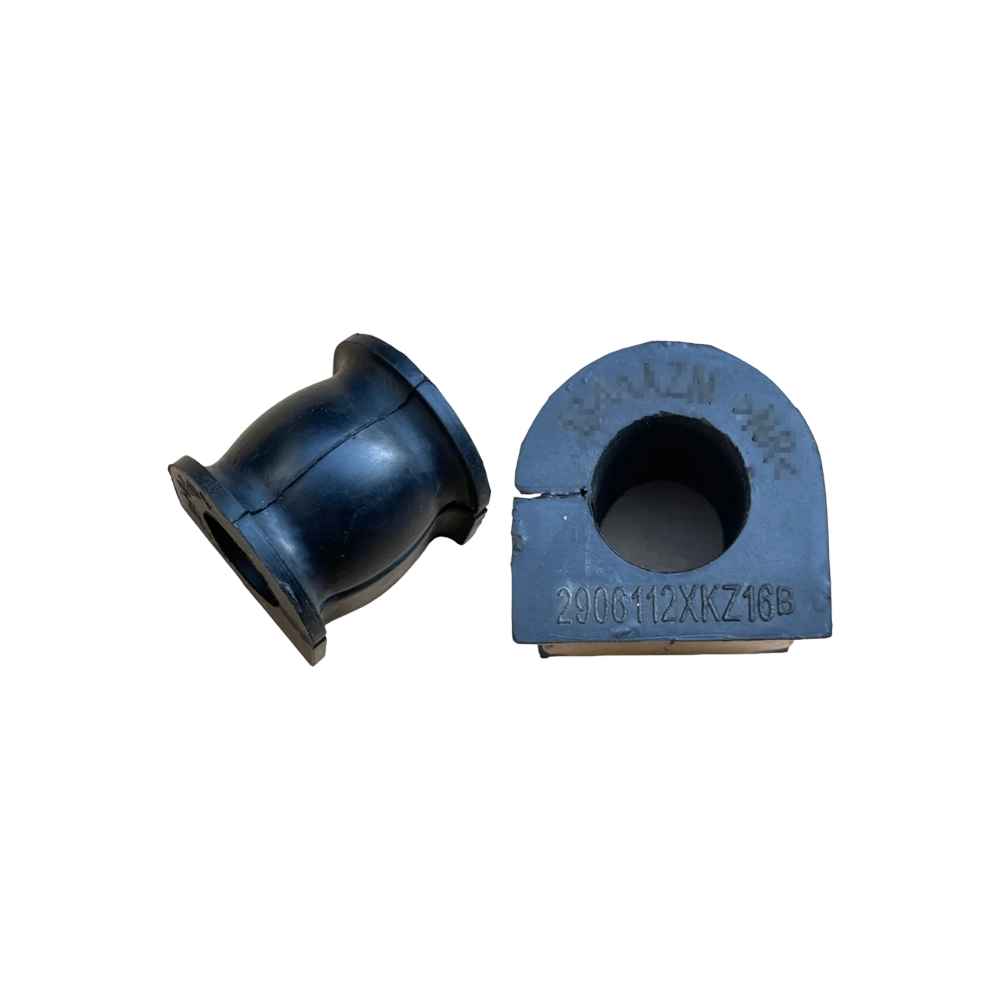
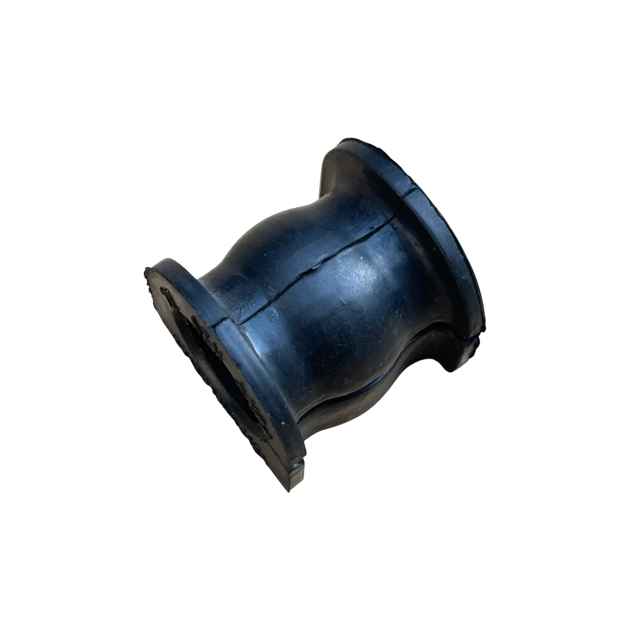
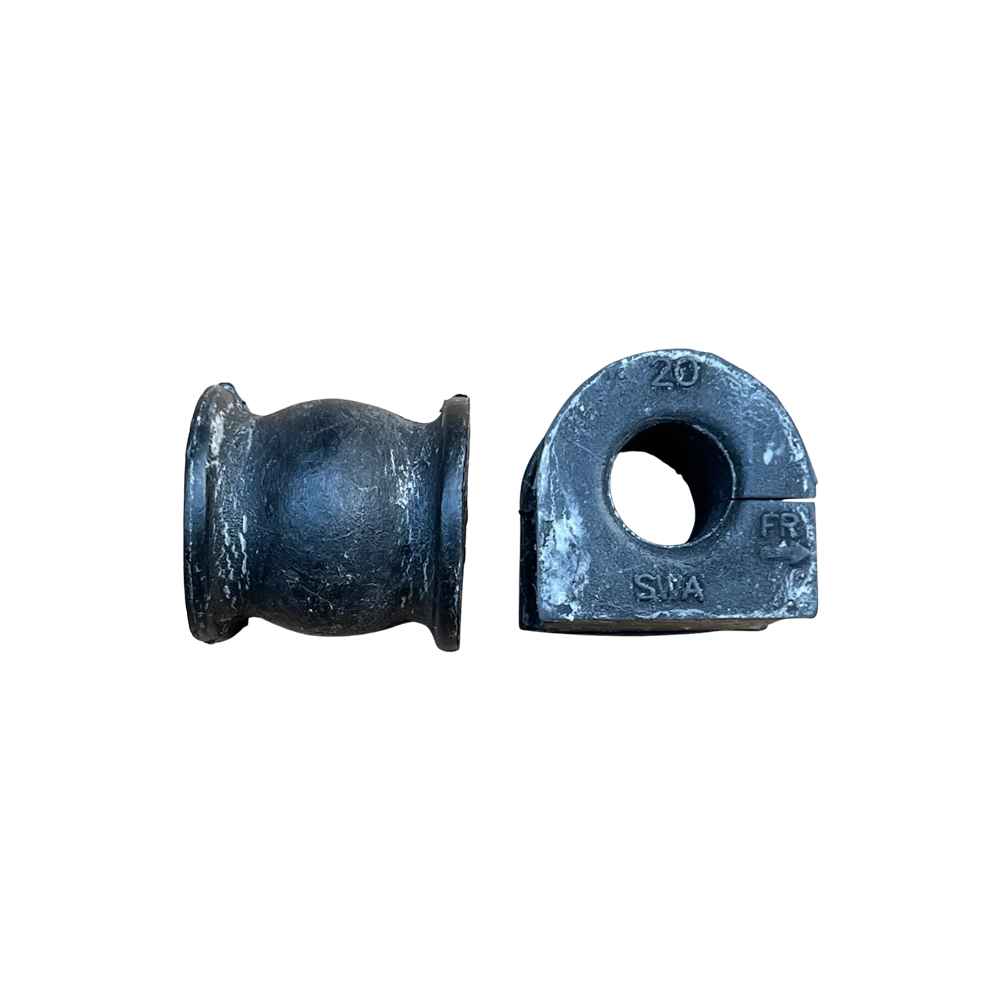
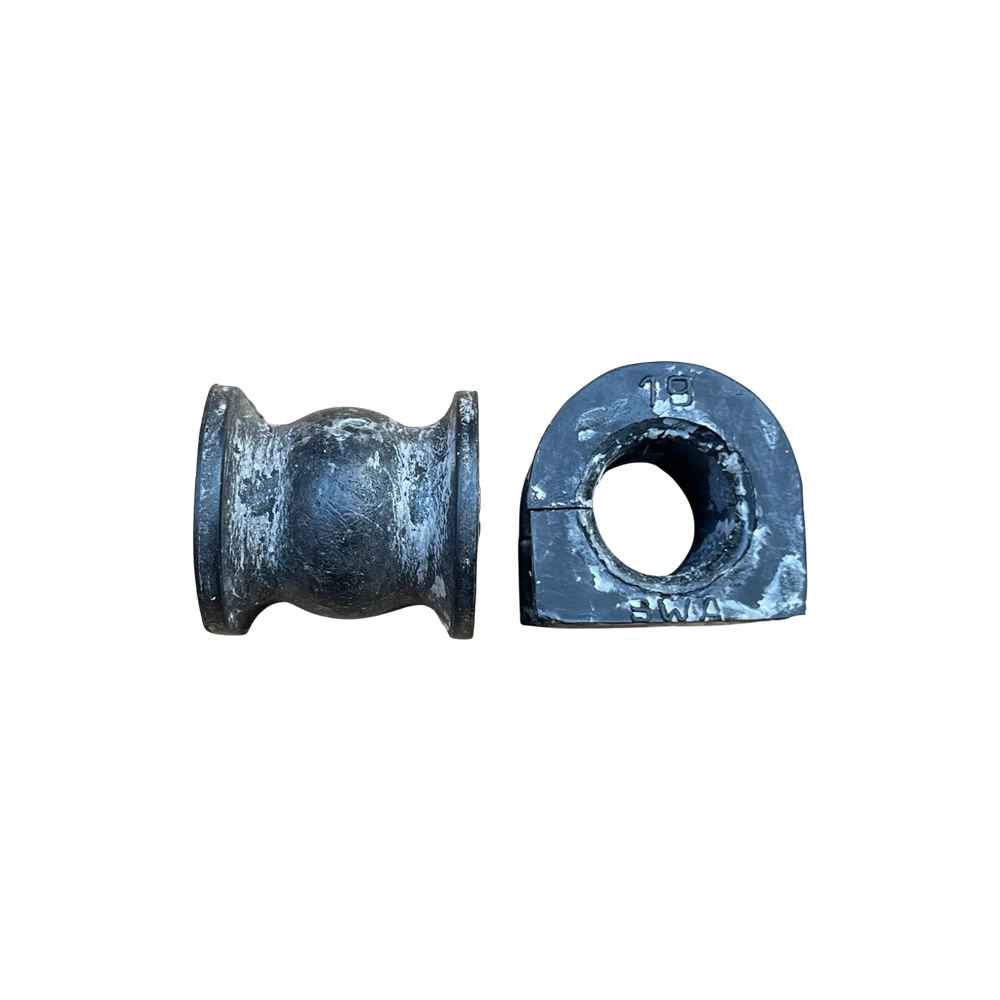
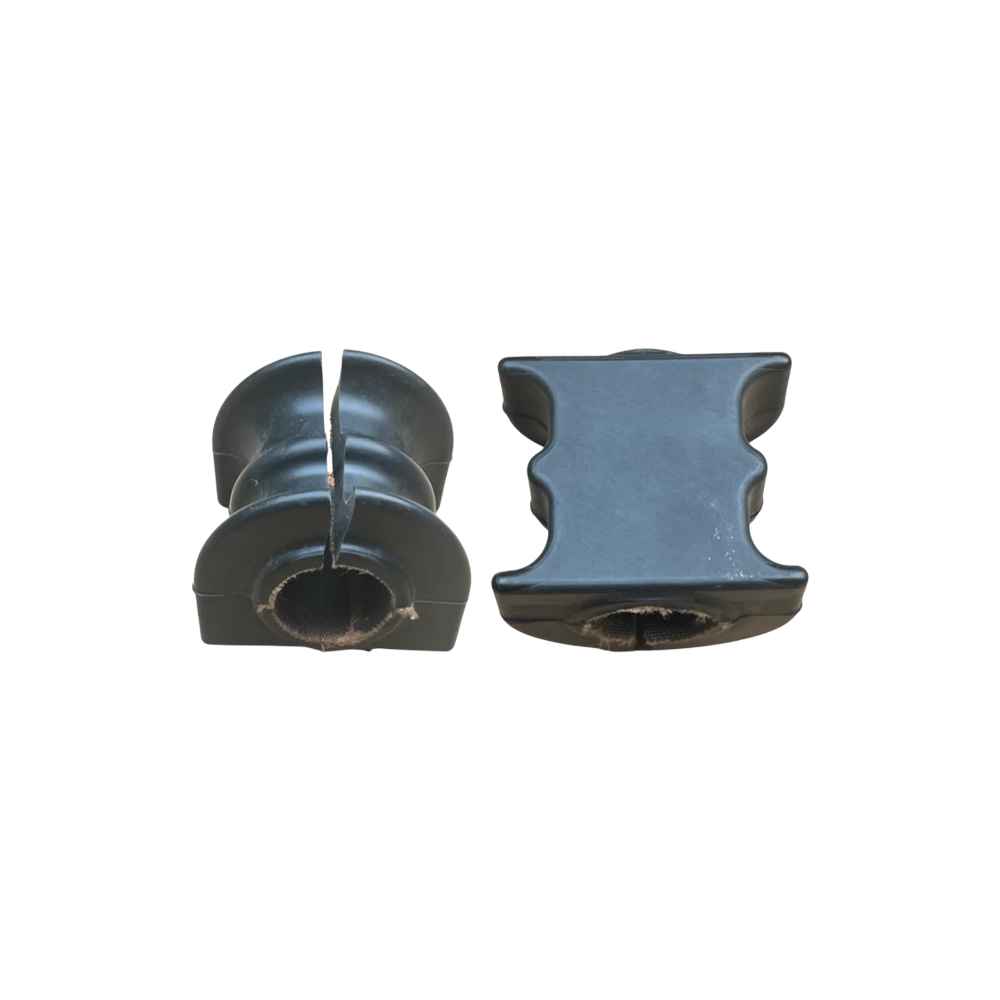
Sway bar bushings play a crucial role in the suspension system of a vehicle. These small but significant components help maintain stability and control during turns, ultimately affecting the overall driving experience. Made from various materials, their performance can vary widely based on their construction.
Material Choices for Sway Bar Bushings
The most common materials used in sway bar bushings include rubber, polyurethane, and even composite materials like heat-resistant ACM (Acrylonitrile-Butadiene-Styrene). Each material has its own set of benefits and drawbacks, making it essential to understand what best suits your vehicle's needs.
- Rubber: Traditionally used due to its cost-effectiveness and good vibration dampening properties. However, it may not offer the same longevity as other materials.
- Polyurethane: Known for its durability and resistance to wear. It's stiffer than rubber, which can contribute to better handling, but at the expense of ride comfort.
- Heat-resistant ACM: This innovative material is designed to withstand higher temperatures. Its use is becoming more prevalent in high-performance applications.
Cost Insights
When considering replacement options for sway bar bushings, cost often comes into play. Generally, you will find that rubber bushings are the least expensive, with prices typically ranging from $10 to $30 per set. Polyurethane bushings might range from $40 to $70, while heat-resistant ACM options can go from $50 all the way up to $100, depending on the manufacturer and specific application.
Evaluating Total Cost of Ownership
It's essential to recognize that the initial purchase price is only one aspect of the total cost of ownership. For instance, while rubber bushings may be cheaper upfront, they often require more frequent replacements than polyurethane or ACM alternatives. Therefore, if you're planning to keep your vehicle for an extended period, investing in higher-quality bushings could save you money in the long run.
Performance Implications
The choice of material directly impacts performance. Rubber bushings provide adequate comfort and noise dampening, making them suitable for everyday drivers. In contrast, polyurethane and ACM bushings enhance cornering stability and response time, benefiting those who engage in spirited driving or motorsport activities.
Real World Applications
For example, vehicles equipped with aftermarket sports suspensions often utilize polyurethane bushings for improved handling. Manufacturers like Guanghua are known for producing high-quality Stabilizer Bar Bushings that cater to both street and track applications. On the other hand, heat-resistant ACM is gaining traction in racing environments where extreme conditions prevail.
Installation Considerations
When deciding to replace sway bar bushings, installation is another factor to consider. Many DIY enthusiasts can tackle this job with basic tools, but using specialized equipment can make the process smoother. If you choose to install polyurethane or ACM bushings, note that they may require additional lubrication during installation to fit properly.
Maintenance Tips
To prolong the life of your sway bar bushings, regular inspections should be part of your maintenance routine. Look for signs of wear such as cracking or hardening, particularly in rubber bushings. Additionally, keeping areas around the bushings clean can prevent dirt and debris from causing premature wear.
Conclusion: Making Your Choice
Ultimately, the choice between sway bar bushings made from traditional materials or modern heat-resistant ACM boils down to personal preference and intended use. Whether you're looking for performance enhancements, cost-effectiveness, or simply want to ensure your vehicle handles well, understanding these material differences will guide you in making an informed decision.