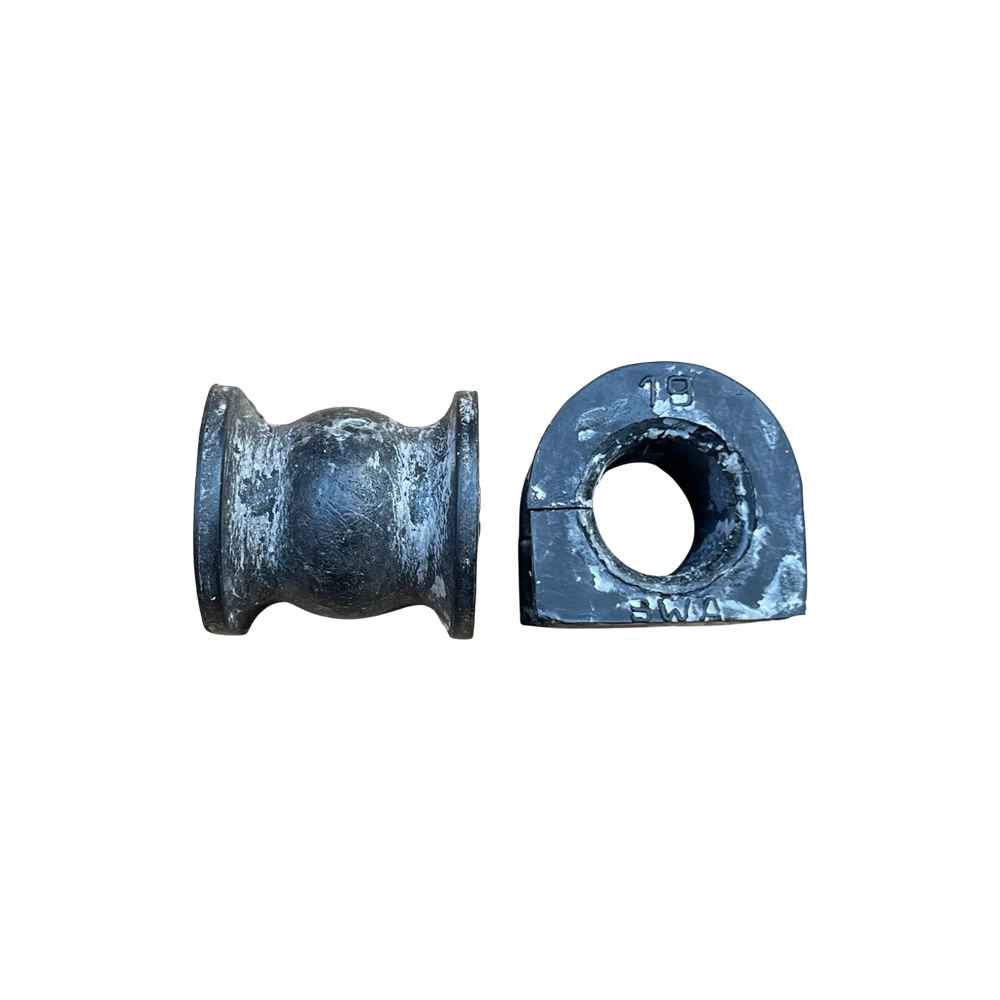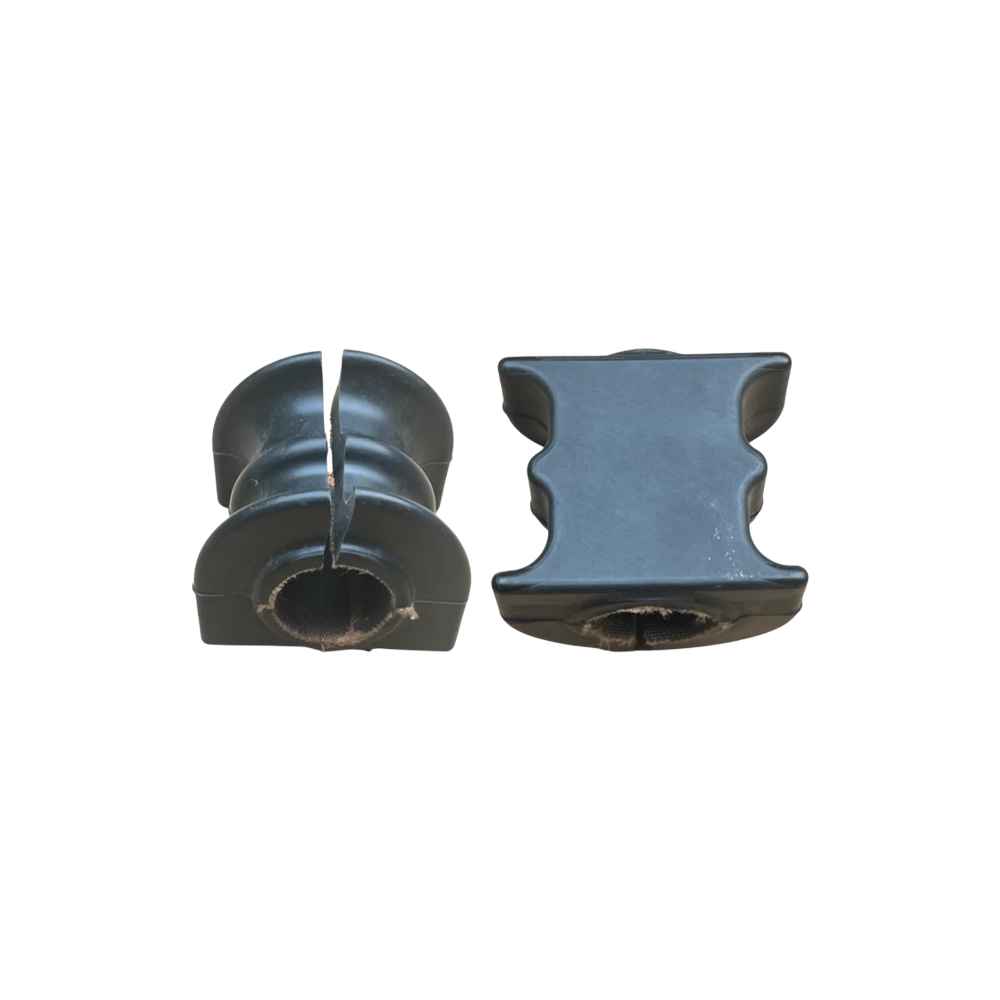
Understanding Valve Cover Gaskets
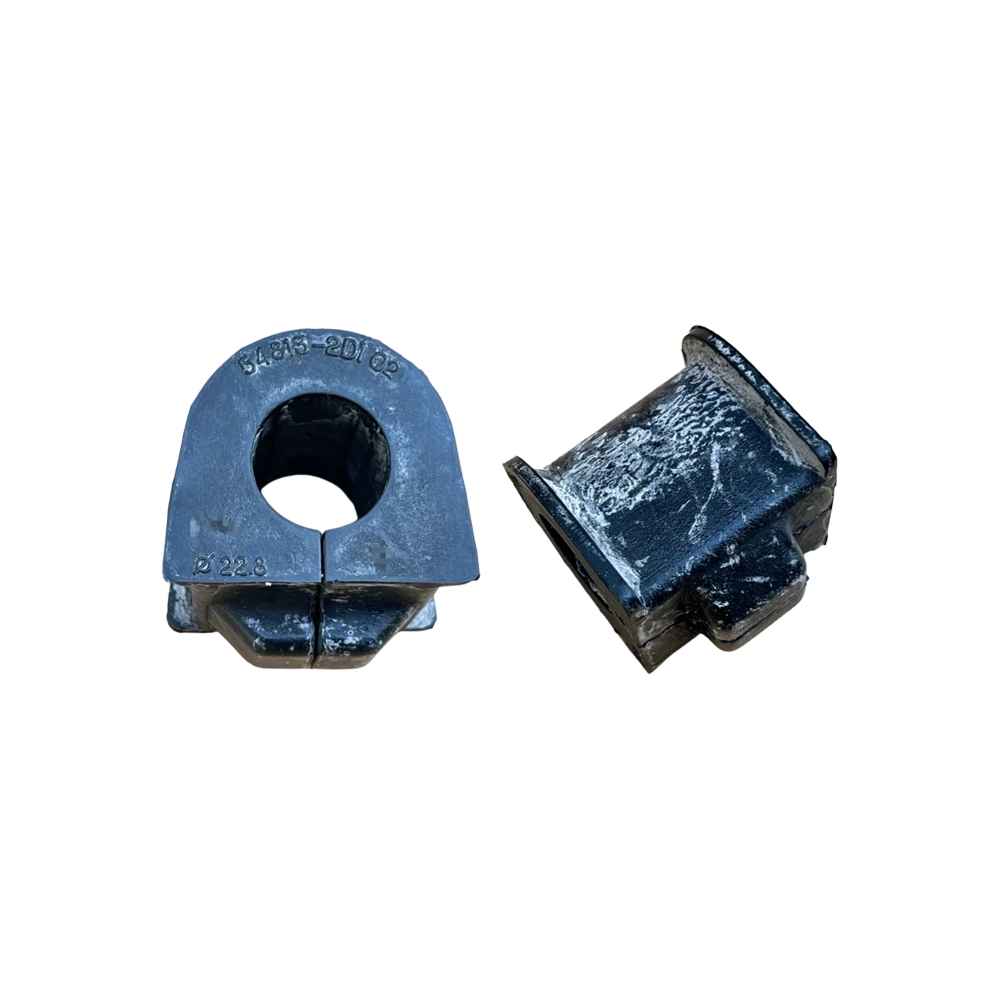
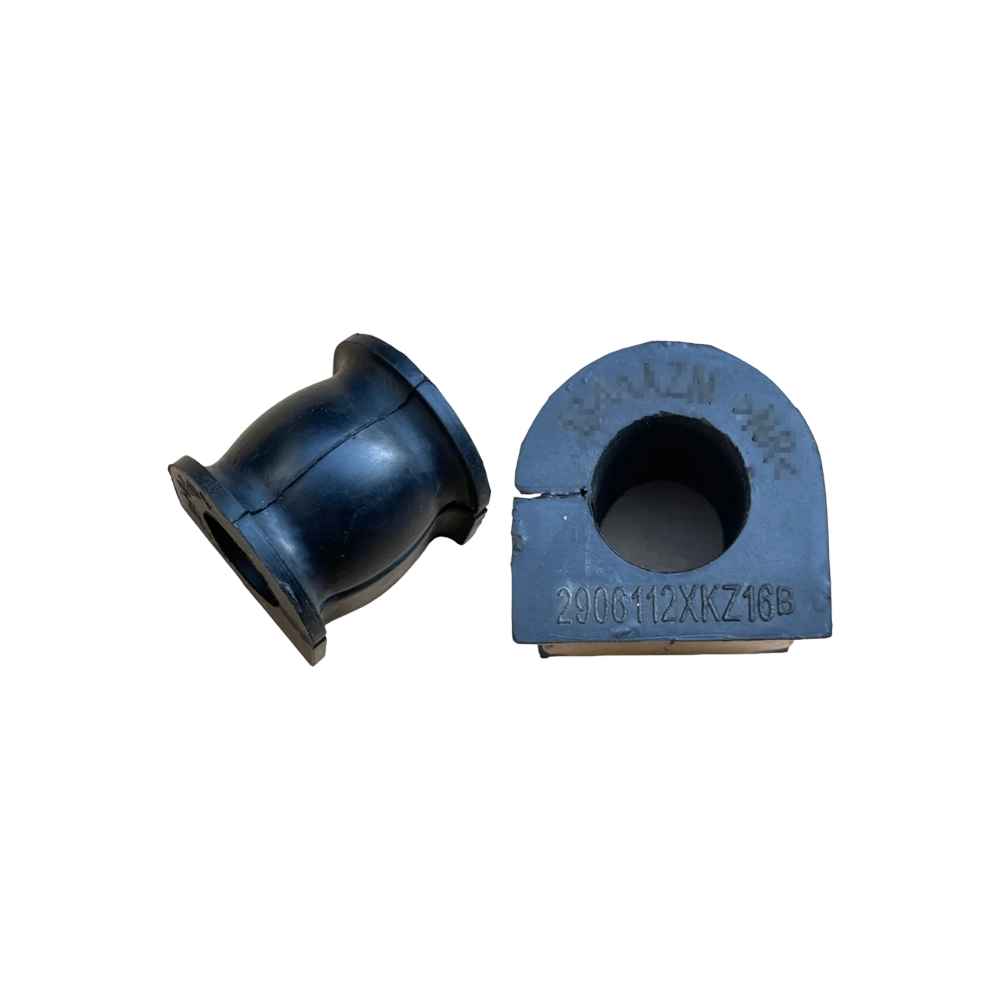
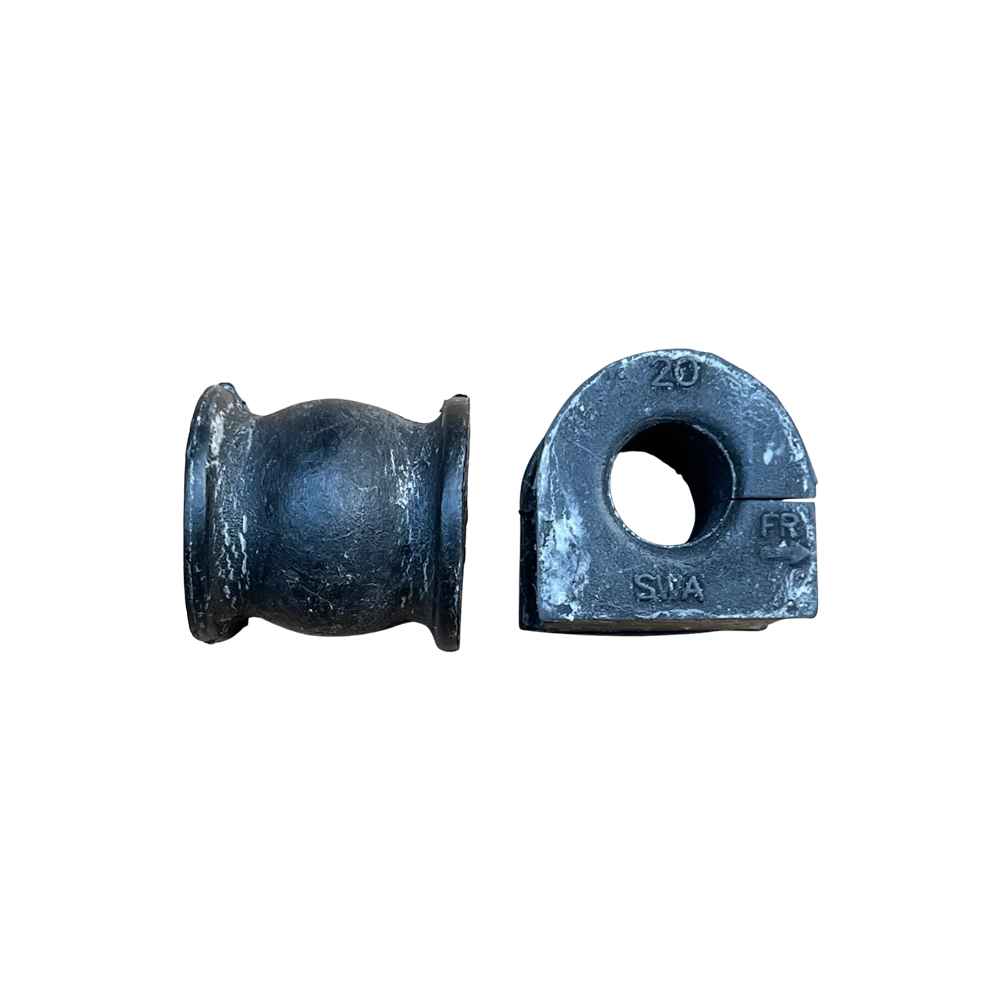
Valve cover gaskets play a crucial role in maintaining the integrity of an engine by preventing oil leaks from the valve cover. As engines operate, they produce heat which can cause materials to degrade over time. This article will explore the different types of valve cover gaskets, focusing on inner and outer variations, their material composition, durability, and wholesale pricing insights.
Types of Valve Cover Gaskets
There are primarily two categories of valve cover gaskets: inner and outer. Each type serves its own purpose within the engine's architecture.
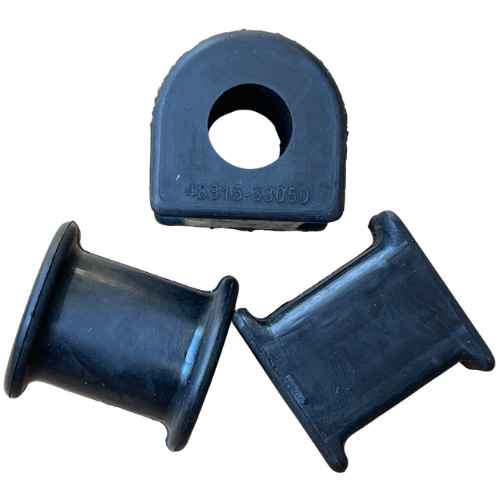
- Inner Valve Cover Gasket : Typically found between the valve cover and the cylinder head, these gaskets must withstand higher temperatures and pressures.
- Outer Valve Cover Gasket : Positioned on the exterior, these gaskets provide an additional layer of protection against oil leakage.
Material Composition
The material from which valve cover gaskets are made directly influences their performance and longevity. Common materials include:
- Rubber: Known for its flexibility and ability to form a tight seal, rubber is a popular choice but may degrade faster under extreme conditions.
- Cork: While cork provides excellent sealing properties, it can be less durable compared to synthetic materials and may harden over time.
- Synthetic Materials: These include silicone-based compounds that offer superior temperature resistance and longevity, often preferred for high-performance applications.
Durability Factors
When assessing the durability of valve cover gaskets, several factors come into play, including:
- Temperature Resistance: Gaskets must endure the heat generated by the engine without losing their sealing properties.
- Chemical Resistance: Exposure to engine oil and other fluids necessitates materials that will not break down or swell.
- Installation Quality: Even the best gasket can fail if it is not installed correctly, highlighting the importance of proper torque specifications and surface preparation during installation.
Wholesale Pricing Insights
The cost of valve cover gaskets varies widely based on materials and manufacturers, with wholesale prices typically offering significant savings compared to retail. For instance, a standard rubber gasket might range from $5 to $15 at wholesale, whereas high-performance silicone options could command upwards of $25 each.
Factors influencing pricing include:
- Brand Reputation: Established brands like Guanghua may charge a premium due to perceived reliability and quality assurance.
- Bulk Orders: Purchasing in larger quantities can often reduce the price per unit.
- Market Demand: Seasonal trends and shifts in automotive repair practices can affect availability and pricing.
Comparative Analysis of Inner vs Outer Gaskets
While both inner and outer valve cover gaskets serve essential functions, their comparative analysis reveals distinct applications:
- Inner Gaskets: Generally more critical to engine integrity, failures here can lead to significant oil leaks and subsequent engine damage.
- Outer Gaskets: Although still important, they primarily protect against minor leaks; however, neglecting them can also lead to issues such as dirt ingress and moisture retention.
Conclusion
Ultimately, when choosing between inner and outer valve cover gaskets, considerations around material, durability, and pricing are paramount. Engaging with trusted suppliers, either through wholesale channels or reputable distributors, ensures that quality components are utilized for optimal engine performance. The right choice can save costs in the long run by reducing the risk of premature failures and the associated repairs.