Understanding Valve Cover Seals
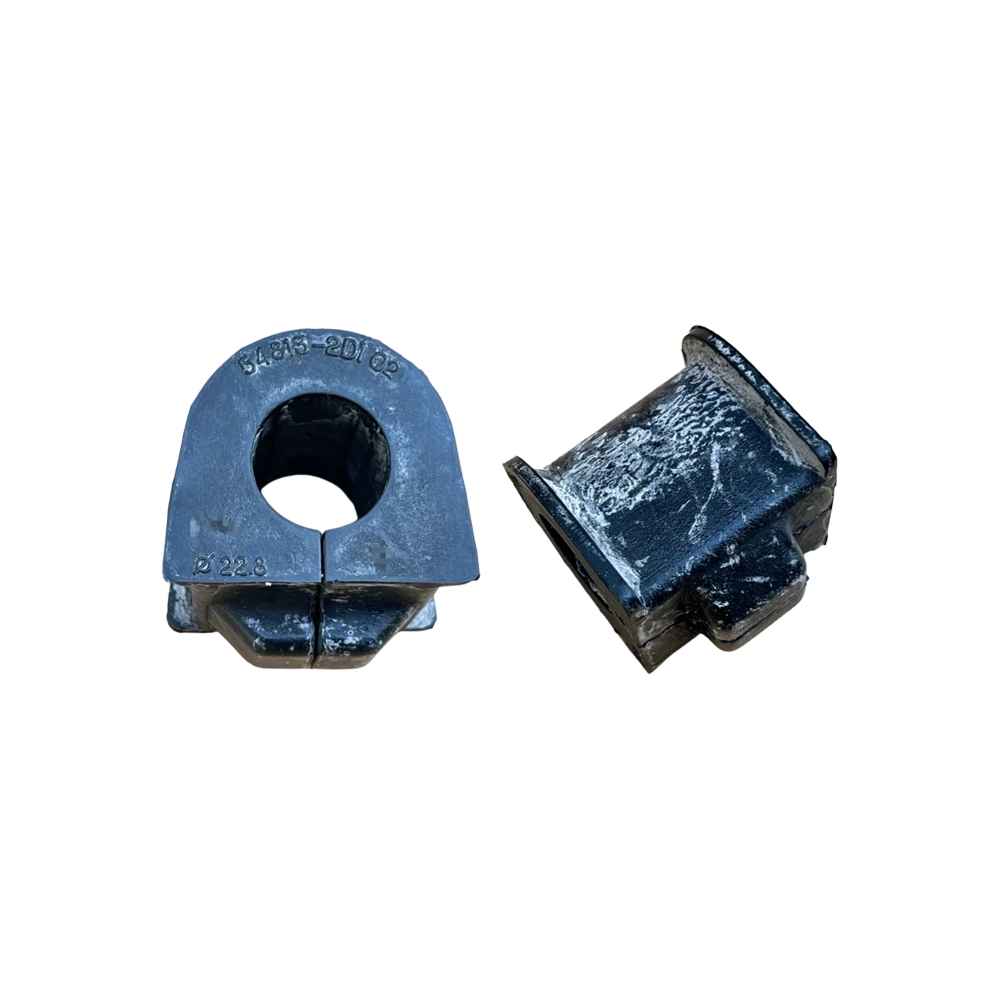
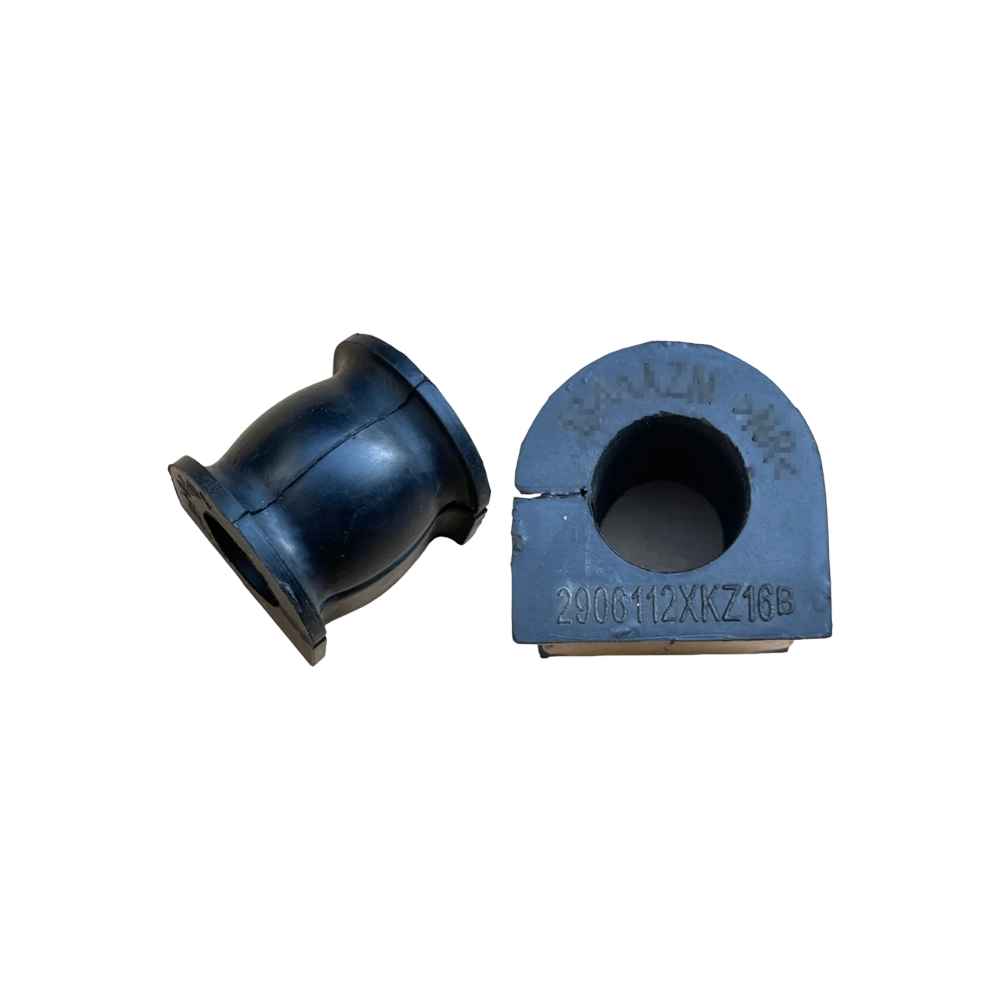
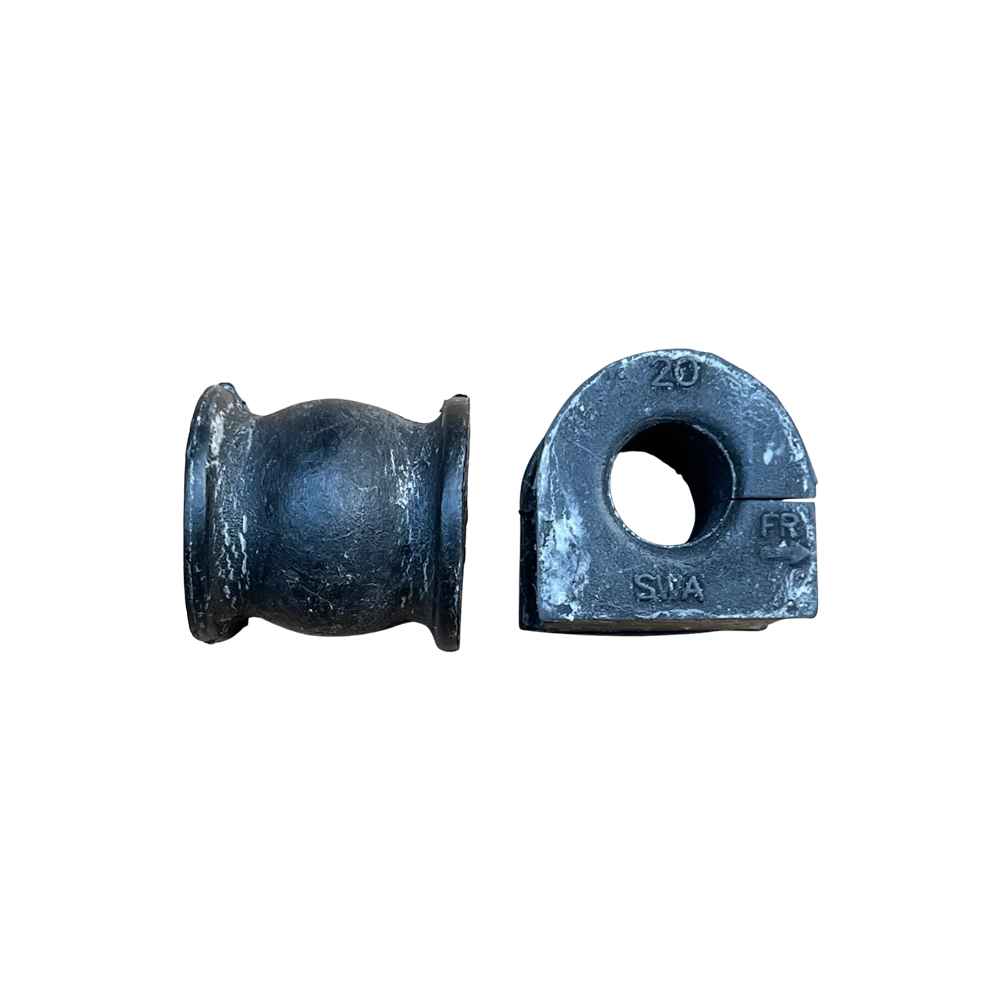
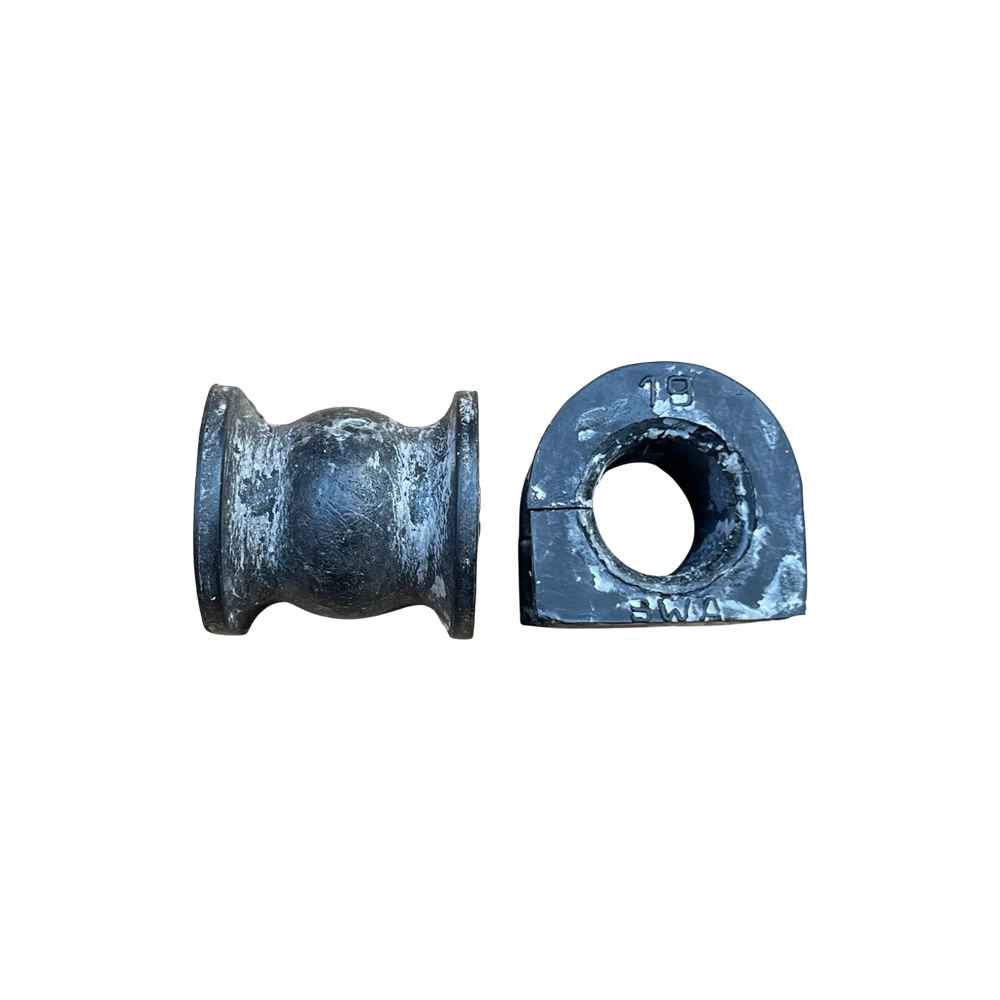
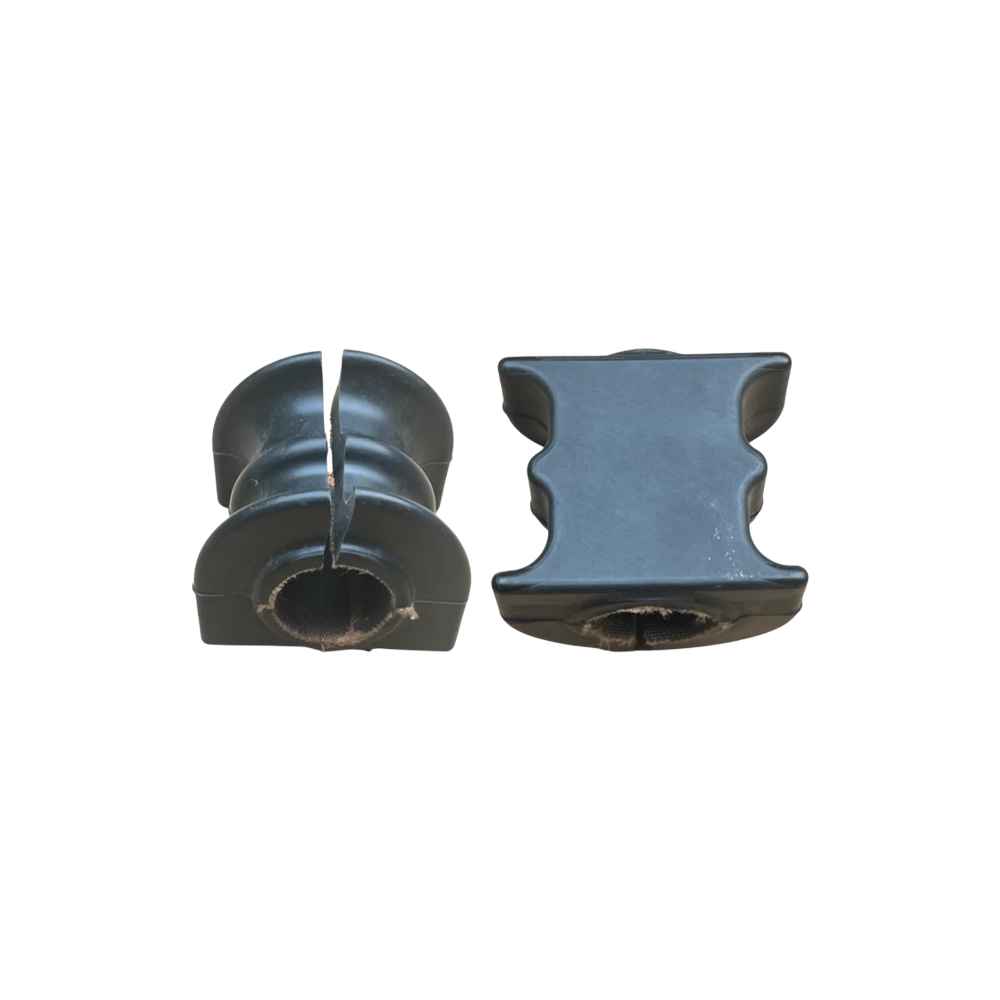
Valve cover seals are critical components in any engine, designed to prevent oil leaks from the valve cover. These seals ensure that engine performance remains optimal, while also maintaining cleanliness by keeping contaminants out. When discussing valve cover seals, it is essential to consider the materials used and their overall durability.
Materials Used in Valve Cover Seals
The materials used for valve cover seals are typically rubber or silicone-based, with each material offering distinct benefits:
- Rubber: Traditional and cost-effective, rubber seals provide good sealing capabilities but may degrade faster under high temperatures.
- Silicone: More resistant to extreme temperatures and oil exposure, silicone seals generally last longer than rubber but come at a higher price point.
O-Rings & Rubber Sealing Rings : A Comparison
When looking at O-rings and rubber sealing rings, it's crucial to understand their functionalities and applications. Both serve similar purposes of providing tight seals, yet they have different designs and uses.
Design Differences
O-rings are circular elastomeric seals, while rubber sealing rings can be molded into various shapes and sizes to match specific needs. This design flexibility makes rubber sealing rings more adaptable for custom applications. However, O-rings are often favored due to their simplicity and reliability.
Durability Concerns
In terms of durability, both O-rings and rubber sealing rings have advantages depending on the environment they are exposed to:
- O-Rings: Generally durable, but susceptible to wear if not properly lubricated or if exposed to harsh chemicals.
- Rubber Sealing Rings: While they can withstand varying pressures and temperatures, their lifespan can be compromised by factors like ozone exposure and prolonged contact with oil.
Wholesale Pricing Insights
When sourcing valve cover seals, O-rings, and rubber sealing rings, understanding wholesale pricing is vital for budget-conscious buyers. Bulk purchases usually lead to significant savings, and several brands, including Guanghua, offer competitive pricing structures.
Factors Influencing Pricing
Several factors contribute to the wholesale prices of these sealing solutions:
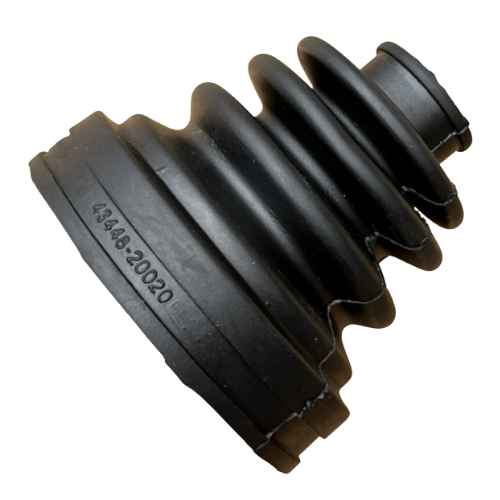
- Material Type: Silicone versus rubber can create substantial price differences.
- Quantity Ordered: Larger orders often attract discounts due to reduced manufacturing costs per part.
- Supplier Reputation: Well-known brands like Guanghua might charge a premium based on trust and warranty offers.
Market Trends
Currently, there's a growing demand for high-performance seals that can withstand extreme conditions. As manufacturers innovate, the focus has shifted towards materials that maintain their integrity over time. This trend is reflected in the pricing, with advanced materials commanding higher rates but promising longevity.
Final Thoughts on Choosing the Right Seals
Choosing between valve cover seals, O-rings, and rubber sealing rings should be based on specific application needs. Factors such as temperature resistance, exposure to chemicals, and the mechanical properties required, all play a role in determining the best fit. Additionally, considering wholesale pricing can yield cost-effective solutions without compromising quality.
In the world of automotive parts, keeping abreast of trends and material advancements ensures that you make informed choices that enhance vehicle performance and longevity. Whether you opt for traditional rubber products or explore newer silicone options, the right seal can make all the difference in your engine’s efficiency.