Understanding Valve Cover Gaskets
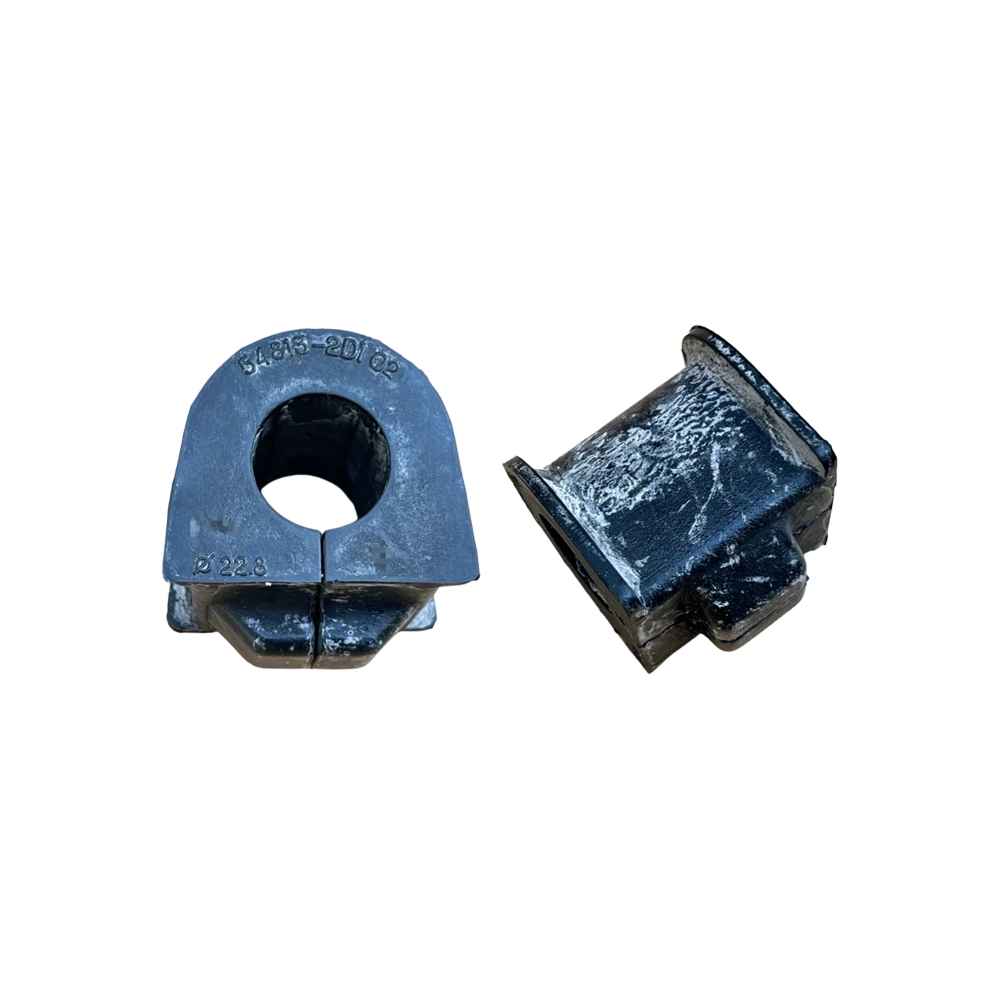
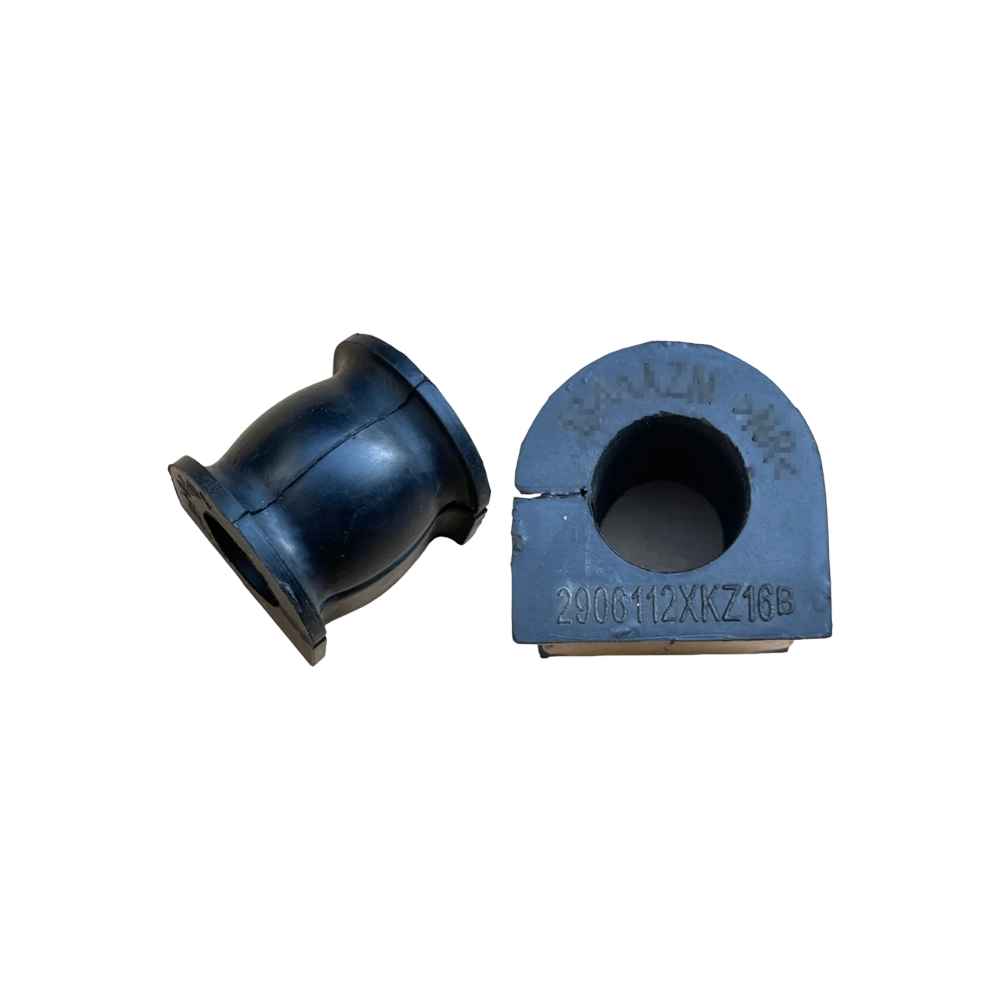
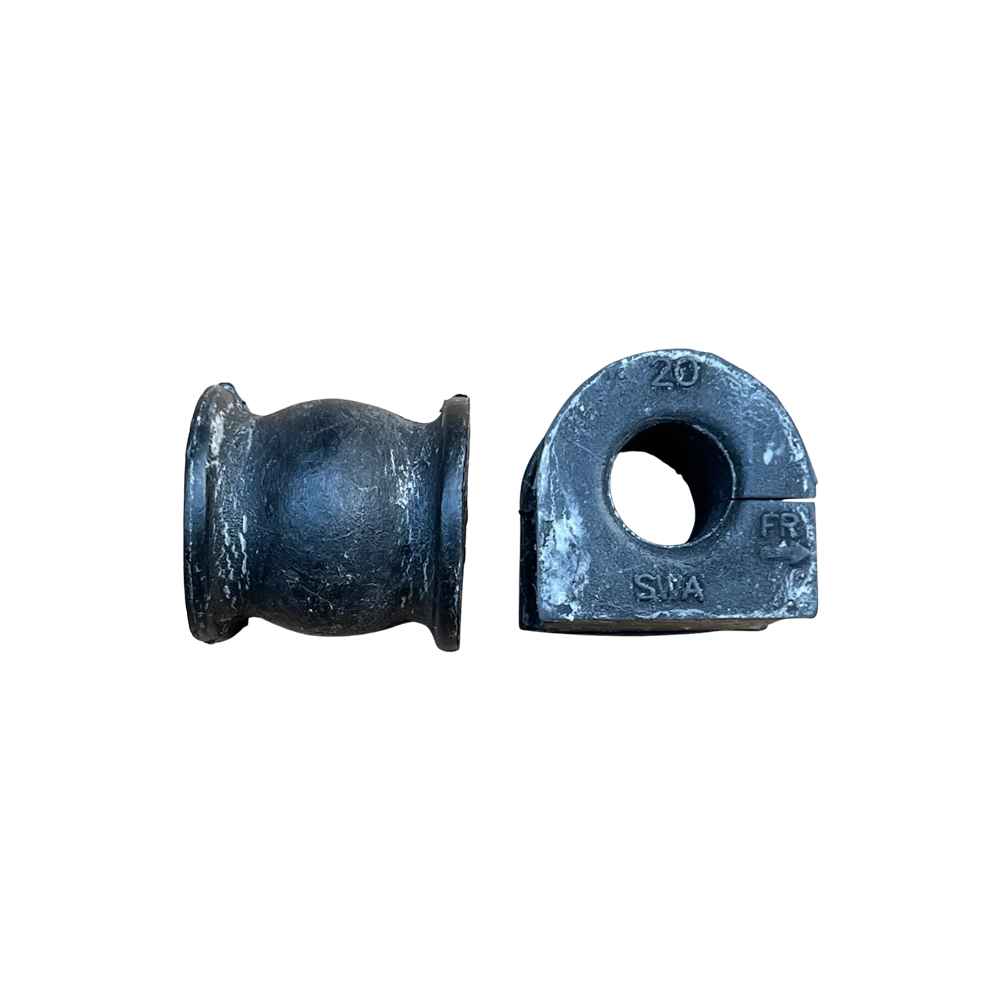
A Valve Cover Gasket plays a crucial role in maintaining the integrity of an engine's lubrication system. Located between the engine's cylinder head and the valve cover, it serves as a sealing component that prevents oil from leaking out. This is particularly important given that oil leaks can lead to significant engine damage if left unaddressed.
Material Composition
The performance and durability of valve cover gaskets largely depend on the materials utilized in their construction. Common materials include rubber, cork, and silicone. Rubber gaskets, for instance, provide excellent flexibility and resilience against heat, while cork gaskets are more prone to deterioration over time.
Performance Aspects
In terms of performance, the effectiveness of a Valve Cover Gasket can significantly impact engine health. A well-functioning gasket not only prevents oil leaks but also ensures proper pressure within the engine system. Conversely, a failing gasket can result in oil seepage, potentially causing contamination of other engine components.
Oil Leak Prevention Techniques
When discussing oil leak prevention, it's essential to note that various methods exist beyond just replacing gaskets. While valve cover gaskets address specific leaks, comprehensive oil leak prevention often includes several additional strategies.
O-Rings & Rubber Sealing Rings
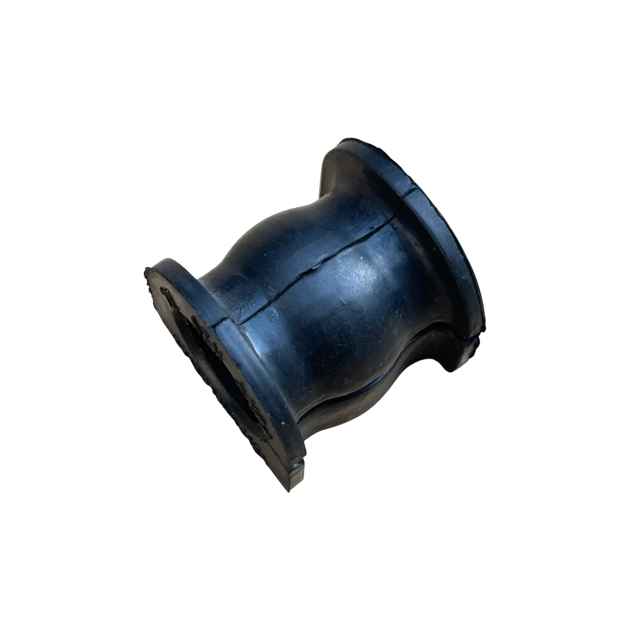
O-rings and rubber sealing rings are commonly used in conjunction with valve cover gaskets to further enhance sealing efficiency. These components can be found in numerous automotive applications, serving to fill gaps and prevent leaks at critical joint interfaces.
Regular Maintenance
Routine maintenance is vital in preventing oil leaks. Regular inspections can help identify potential issues before they escalate. Mechanics typically recommend checking for signs of wear on gaskets and seals during oil changes or servicing.
Comparing Performance and Durability
While both valve cover gaskets and broader oil leak prevention techniques aim to maintain engine integrity, their performance and durability can vary substantially.
Valve Cover Gasket Durability
- Temperature Resistance: High-quality gaskets are designed to withstand high temperatures associated with engine operation, extending their lifespan.
- Material Lifespan: Depending on the material, some gaskets may last longer than others; for example, silicone gaskets tend to outperform rubber in longevity.
Oil Leak Prevention Strategies
- Comprehensive Approach: Combining various sealing methods can optimize leak prevention more effectively than relying on a single component.
- Cost Efficiency: Although investing in multiple preventative measures may seem costly upfront, it often leads to reduced long-term maintenance expenses.
Cost Considerations
When evaluating valve cover gaskets versus overall oil leak prevention strategies, cost emerges as a significant factor. The price of a replacement valve cover gasket can vary based on brand, such as those offered by Guanghua, and material; however, it typically falls within a reasonable range that most vehicle owners can accommodate.
Investment vs. Long-Term Savings
While the initial cost of a valve cover gasket might be low, neglecting to incorporate effective leak prevention measures can lead to expensive repairs down the line. Thus, it's important to weigh short-term expenditures against potential long-term savings.
Conclusion: Key Differences in Application
Ultimately, the key differences between valve cover gaskets and oil leak prevention solutions lie in their application, maintenance requirements, and overall effectiveness. Understanding these distinctions can empower vehicle owners to make informed decisions regarding their engine maintenance practices, thereby ensuring optimal performance and longevity.