Understanding Engine Gaskets
Engine gaskets are vital components in any vehicle, especially in commercial fleets. They play a crucial role in sealing various engine parts to prevent leaks of fluids and gases. A well-functioning gasket helps maintain optimal performance, ensuring your fleet operates smoothly.
Types of Engine Gaskets
There are several types of engine gaskets that buyers should be aware of:
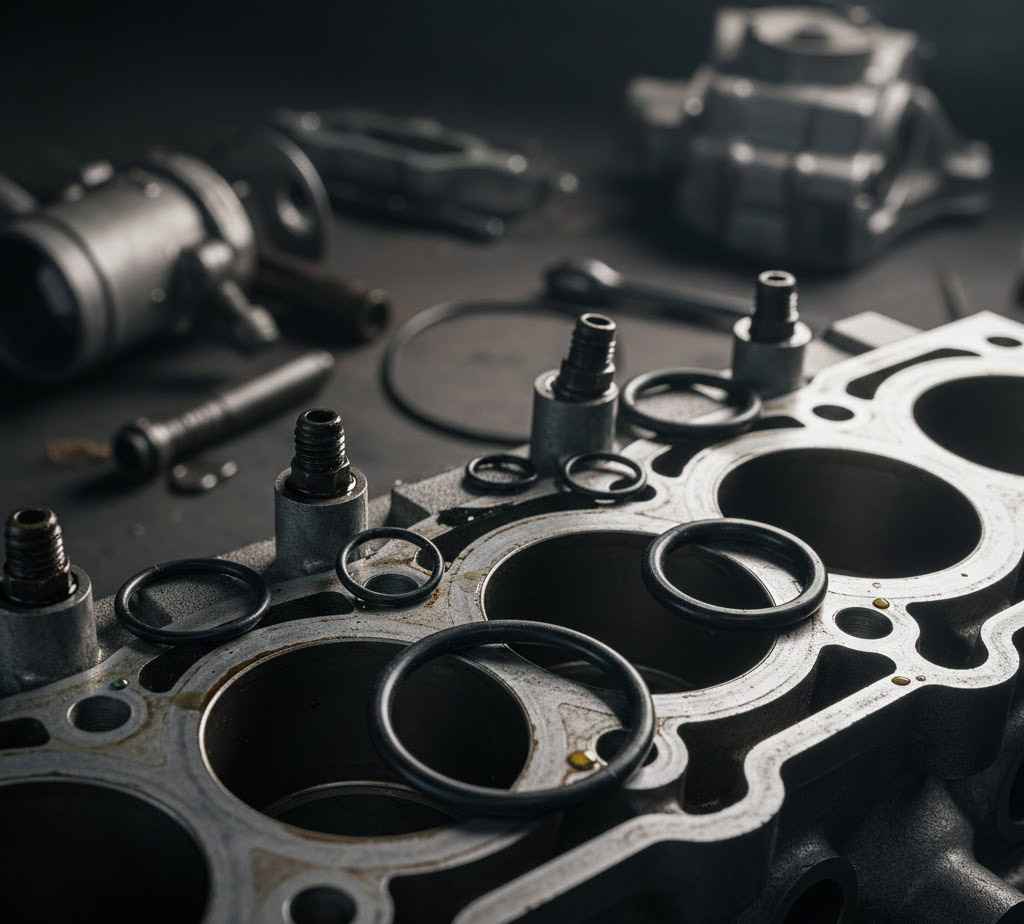
- Head Gasket: This is perhaps the most critical gasket, positioned between the engine block and cylinder head. It prevents coolant and oil from mixing while also keeping combustion gases contained.
- Valve Cover Gasket : Found on the top of the engine, it seals the area where the valve cover attaches to the cylinder head, preventing oil leaks.
- Oil Pan Gasket: Located at the bottom of the engine, this gasket seals the oil pan, ensuring that the engine oil stays contained.
- Exhaust Manifold Gasket: This gasket seals the connection between the exhaust manifold and the engine, crucial for maintaining exhaust flow.
- Intake Manifold Gasket: Seals the intake manifold to the engine, ensuring no air or fuel escapes.
Signs of Gasket Failure
It’s important to keep an eye out for signs of gasket failure, as they can lead to more significant issues down the line. Common indicators include:
- Oil spots under the vehicle
- Overheating engines
- White smoke from the exhaust
- Loss of engine power
If you notice any of these symptoms, it might be time to check the gaskets.
Choosing Quality Gaskets
When purchasing gaskets for your fleet, opt for high-quality options. Brands like Guanghua offer durable, reliable products that stand the test of time. Cheaper alternatives might save a buck now but could cost much more in repairs later. Remember, investing in quality can prevent frequent replacements and downtime.
Material Matters
Engine gaskets come in different materials, each with its pros and cons. Some common materials include:
- Cork: Good for low-pressure applications but may degrade over time.
- Rubber: Reliable and flexible; it can handle various temperatures.
- Metal: Typically used in high-performance applications, offering excellent durability.
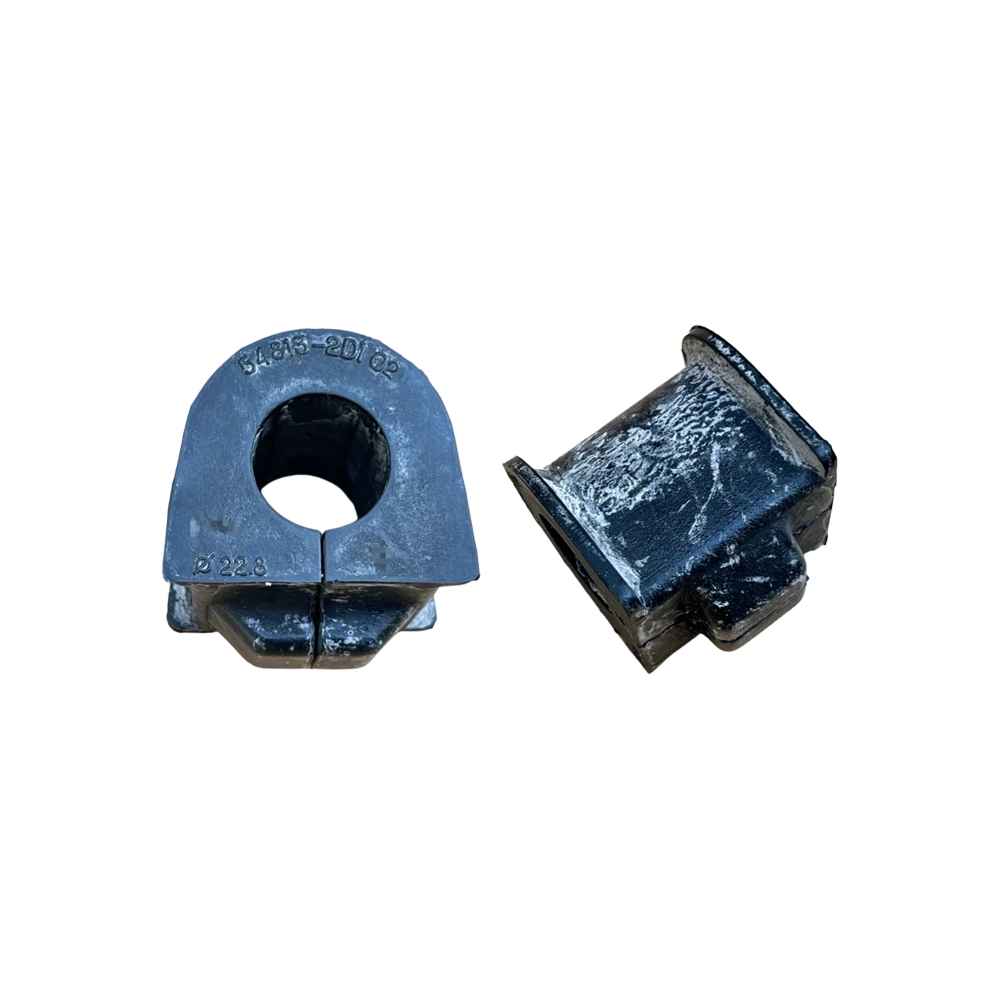
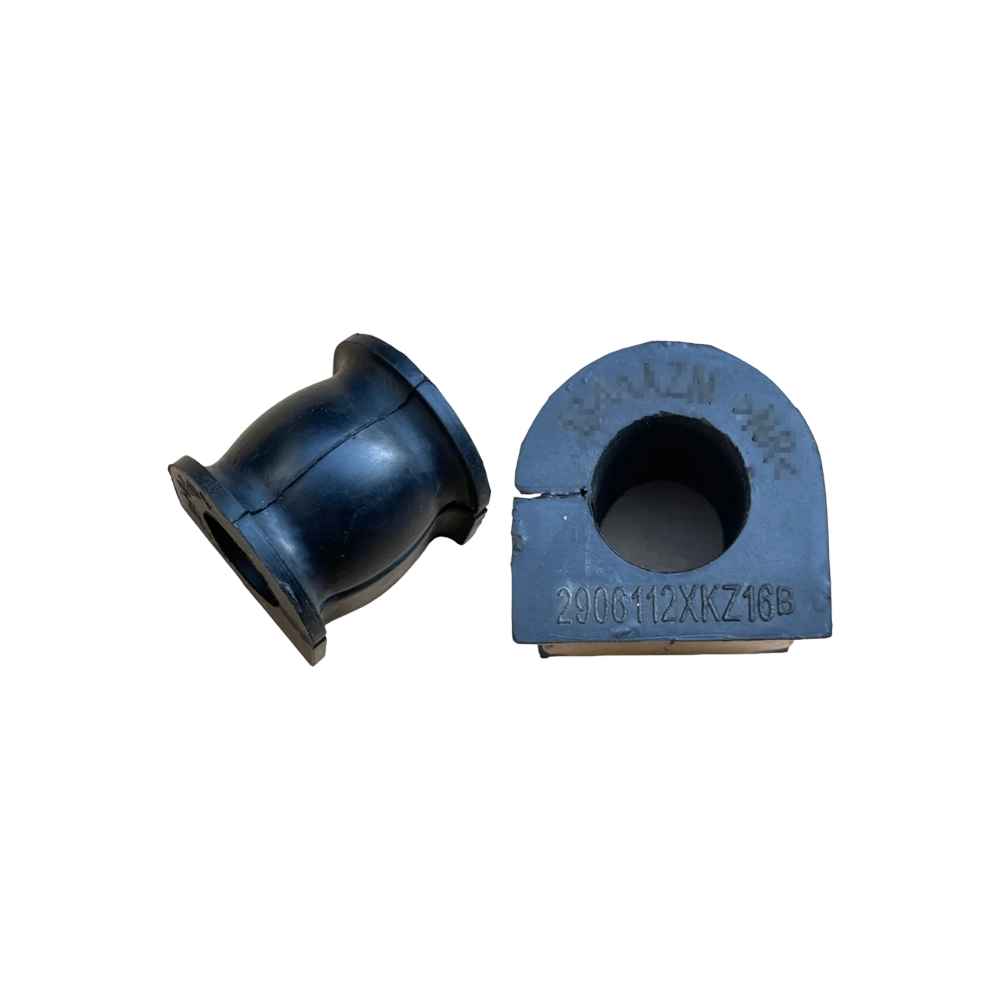
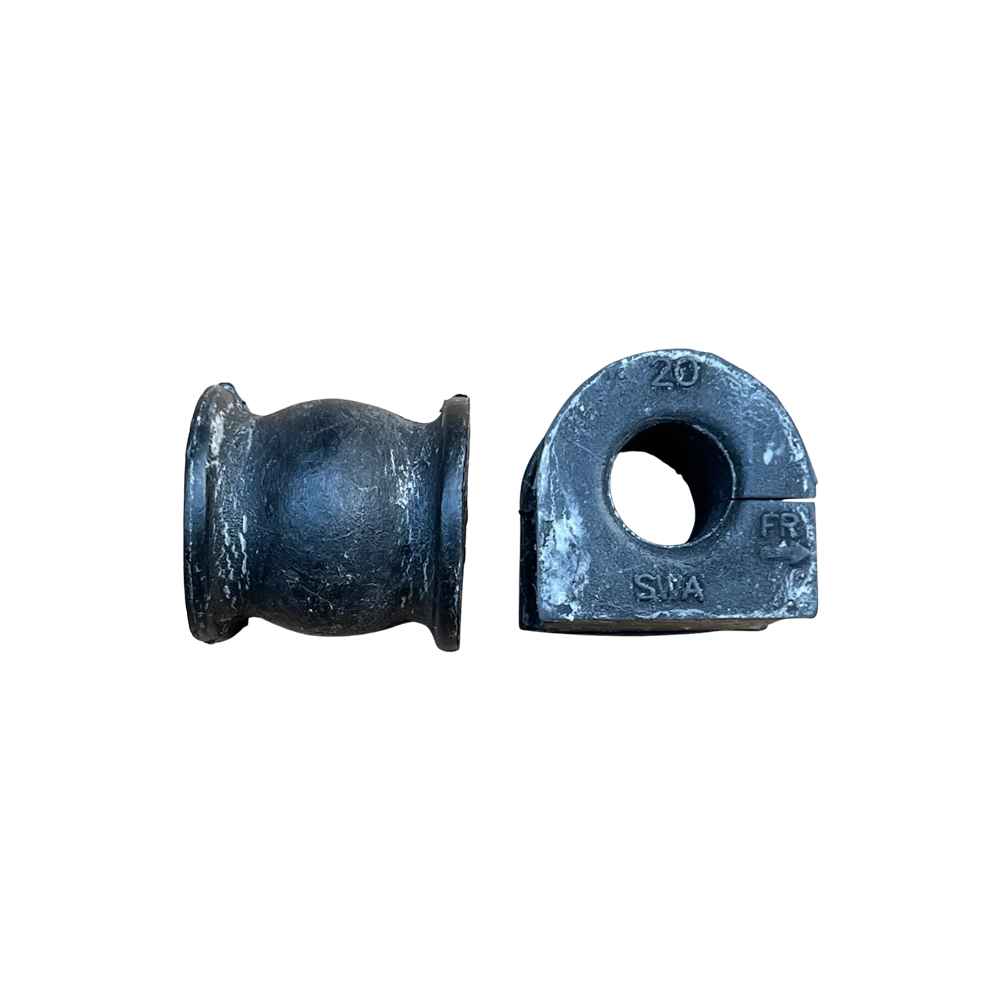
For instance, if you're looking at options like O-Rings & Rubber Sealing Rings , make sure they fit the specific requirements of your engine type.
Installation Tips
Installing gaskets might seem straightforward, but there are a few tips to ensure it’s done right:
- Always clean the surfaces thoroughly before installation.
- Use the correct torque specifications when tightening bolts.
- Consider using gasket sealant for added security, though some gaskets don’t require it.
Taking the time to install them correctly can save you from headaches later on.
Regular Maintenance is Key
Regularly scheduled maintenance can help catch gasket issues before they escalate. Check fluid levels frequently and look for any signs of leaks during routine checks. Keeping an eye on your fleet will go a long way in maintaining engine health.
Conclusion: Stay Proactive
In the world of commercial fleet maintenance, being proactive is essential. Understanding engine gaskets and their importance can save you time and money. Always prioritize quality parts, like those from Guanghua, and keep up with regular checks. Trust me, your fleet will thank you!