Understanding Engine Gaskets
In the world of automotive repair and wholesale auto parts distribution, engine gaskets play a pivotal role. These components are essential for sealing joints within an engine, ensuring that fluids like oil and coolant remain contained. Without proper seals, engines can face serious issues, leading to costly repairs.
Key Types of Engine Gaskets
Engine gaskets come in various types, each serving a unique purpose. Here’s a breakdown:
- Head Gasket: This is one of the most critical gaskets, located between the engine block and cylinder head. It prevents coolant and oil from mixing while maintaining air pressure within the combustion chamber.
- Intake Manifold Gasket: This gasket seals the intake manifold to the engine block, ensuring that the air-fuel mixture enters the cylinders without leaks.
- Valve Cover Gasket : Typically made of rubber or silicone, this gasket seals the valve cover to the top of the engine, preventing oil leaks.
- Oil Pan Gasket: Positioned at the bottom of the engine, it keeps engine oil contained within the oil pan.
Quality Matters: Choosing the Right Gaskets
When sourcing engine gaskets for resale, quality is paramount. Cheap gaskets may seem attractive due to lower prices; however, they often lead to premature failures. Opting for trusted brands such as Guanghua can enhance the reliability of your offerings. Remember, customers will return for products that stand the test of time.
Material Considerations
The material of the gasket is another crucial factor. Common materials include:
- Metal: Often used for head gaskets, metal provides durability and resistance to extreme temperatures.
- Composite: A mix of materials, composite gaskets offer flexibility and can handle various applications, being suitable for both high-performance and standard vehicles.
- Rubber: Used in valve cover and oil pan gaskets, rubber provides excellent sealing properties but can degrade over time if exposed to heat or oil.
Common Issues with Engine Gaskets
Despite their importance, engine gaskets can fail. It's vital for buyers to understand the common issues associated with these components:
- Wear and Tear: Over time, heat, chemicals, and vibrations can cause gaskets to deteriorate, leading to leaks.
- Installation Errors: A poorly installed gasket can result in gaps and ultimately failure. Proper training for installation teams is essential.
- Overheating: An overheated engine can warp the surfaces where gaskets are situated, compromising their seal.
How to Spot a Quality Gasket
As a distributor, understanding what constitutes a quality gasket can significantly affect your business. Here are some tips:

- Check Certification: Look for gaskets that meet industry standards and certifications, which indicate reliability.
- Look for Manufacturer Reputation: Trustworthy brands like Guanghua have reputations built on performance and longevity.
- Inspect Packaging: Quality gaskets usually come in protective packaging that assures integrity during transit.
Building Relationships with Suppliers
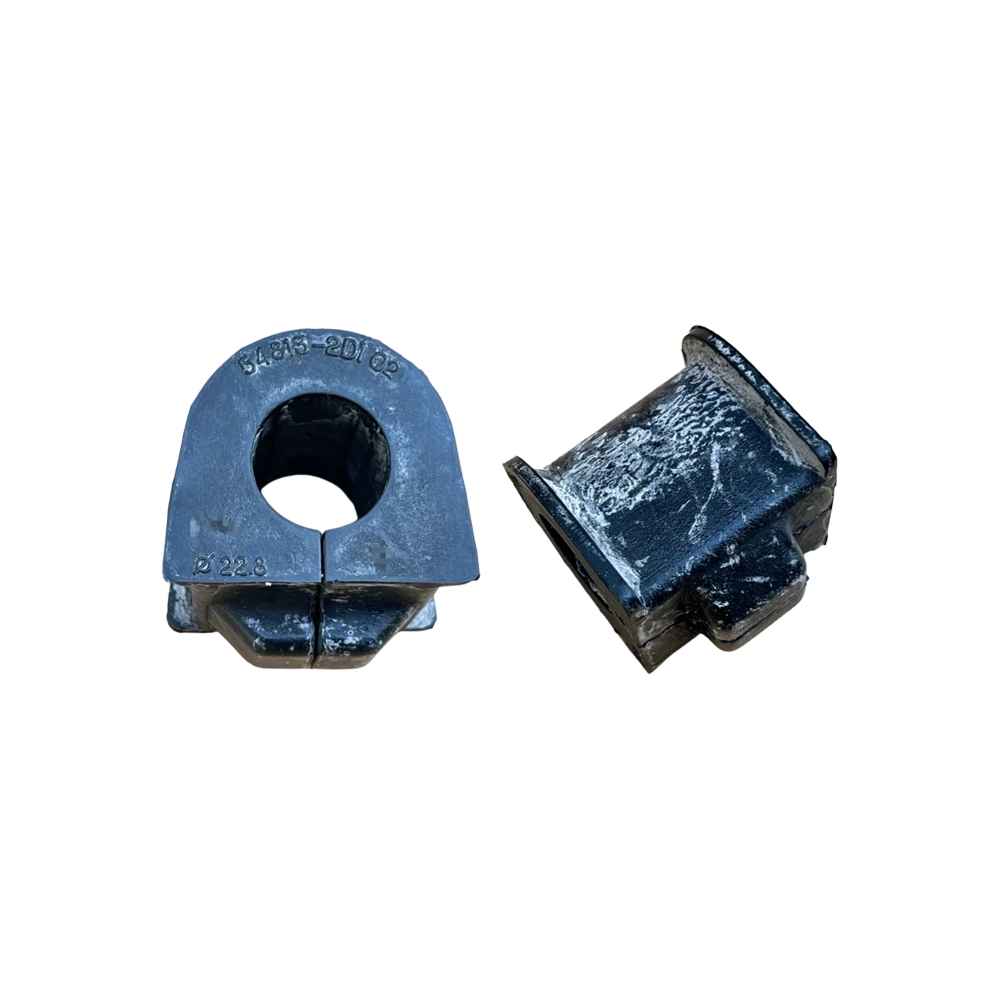
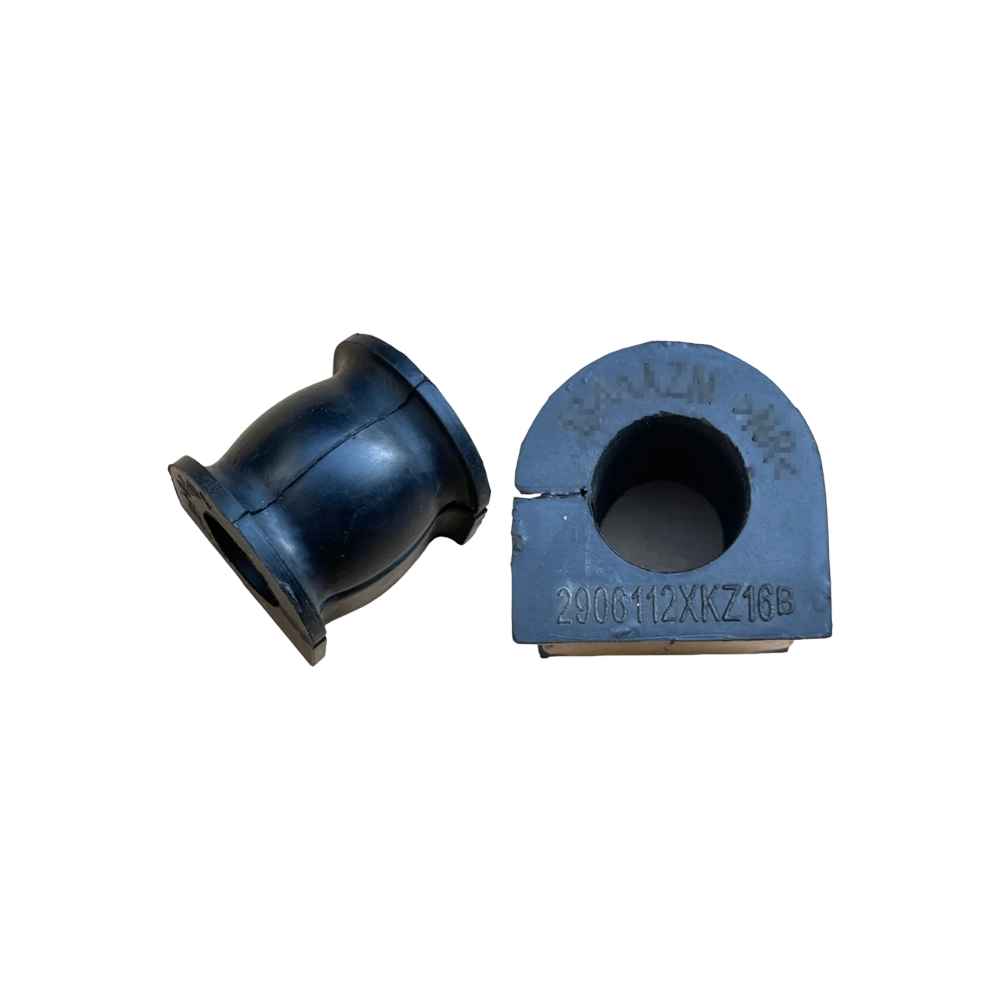
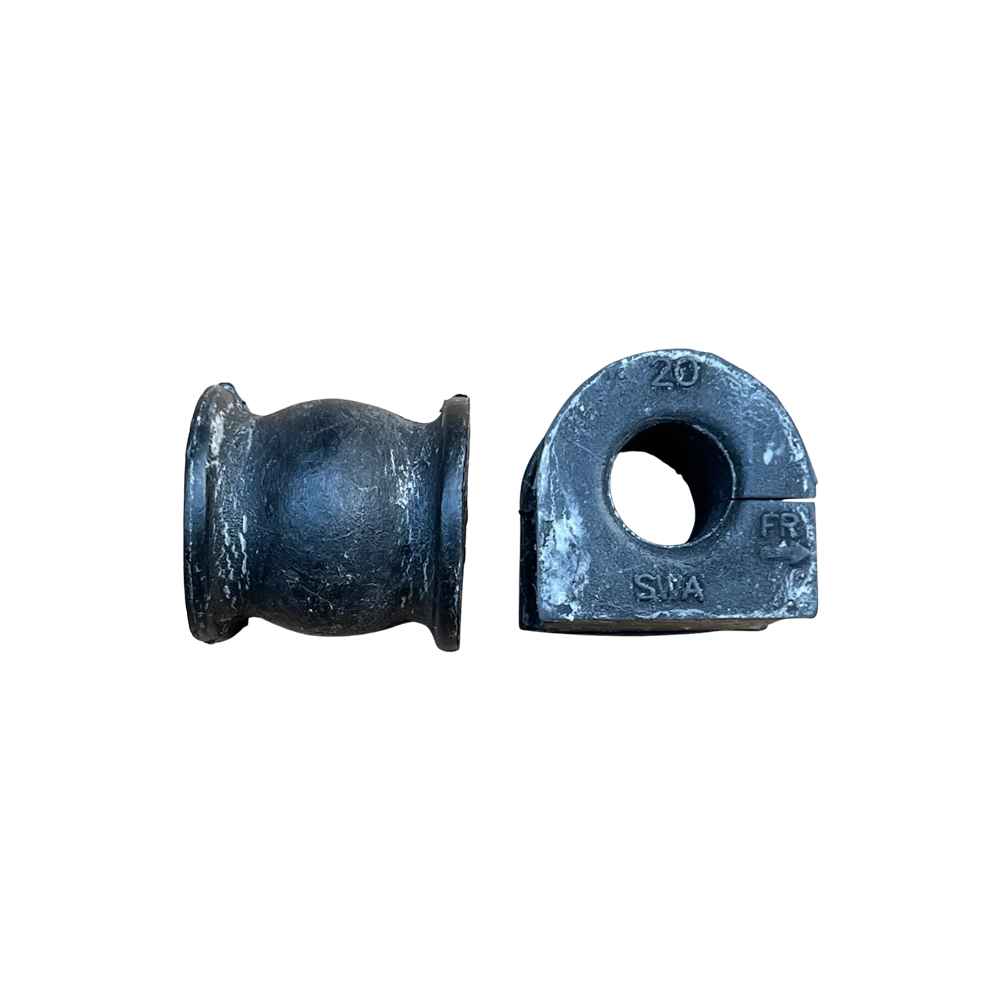
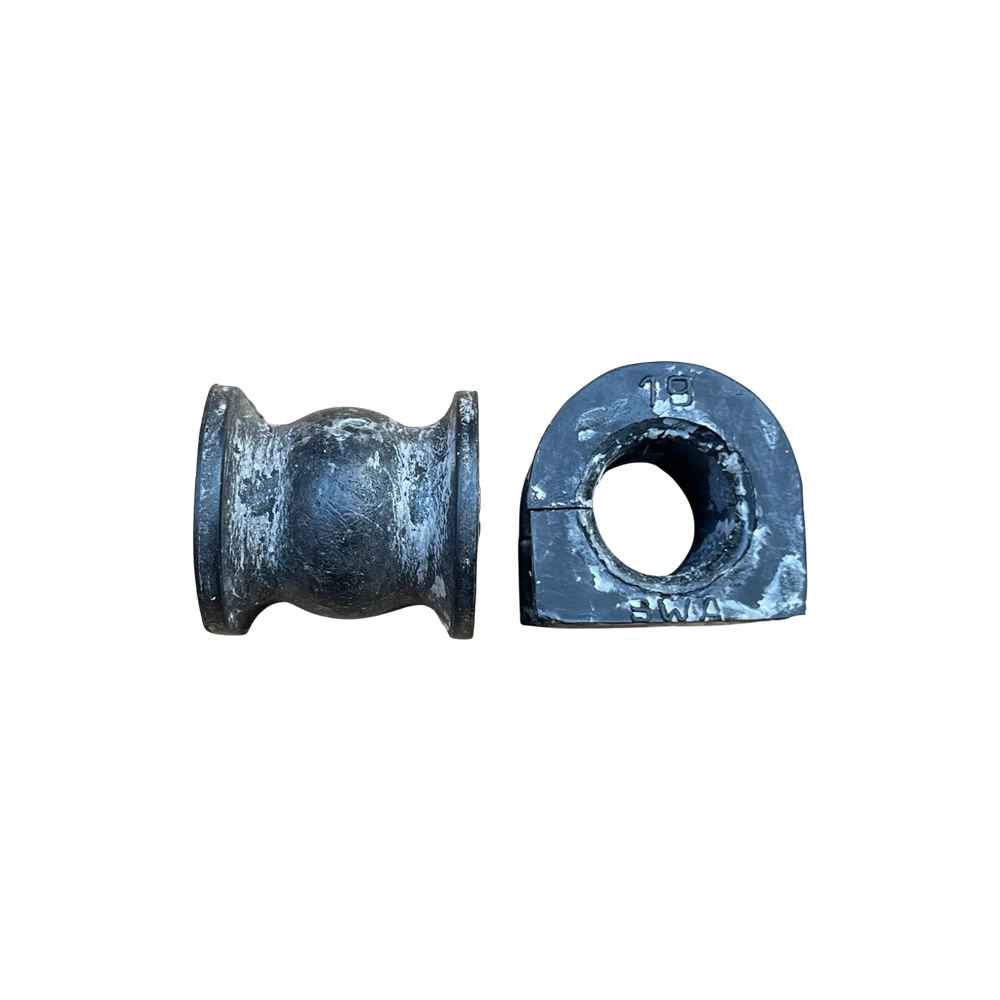
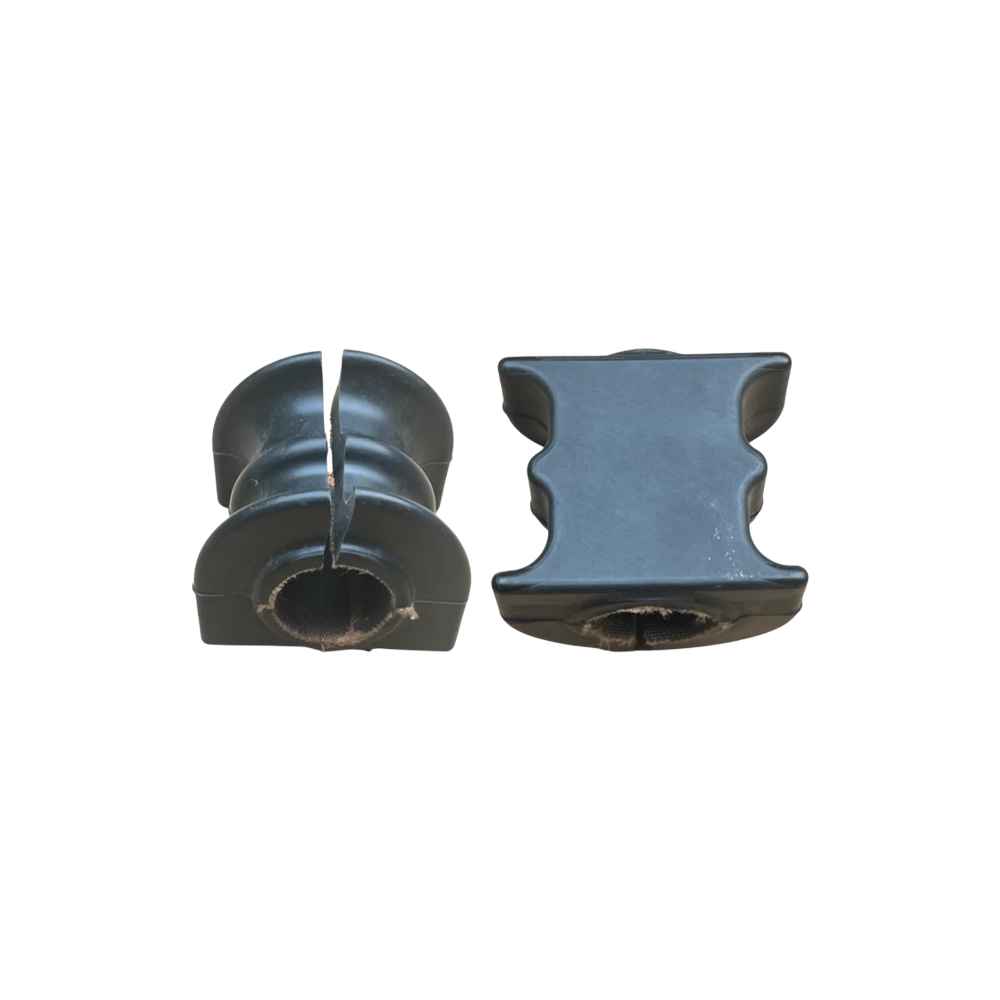
Establishing strong relationships with your suppliers is essential. This can lead to better pricing on quality gaskets, including O-Rings & Rubber Sealing Rings , and Stabilizer Bar Bushings . Don’t hesitate to negotiate terms and seek bulk discounts for long-term partnerships.
Conclusion on Engine Gaskets in Wholesale Distribution
Navigating the wholesale auto parts market requires diligence, especially when it comes to engine gaskets. By focusing on quality, understanding the different types available, and building dependable supplier relationships, you can ensure your customers receive the best products possible. After all, a well-sealed engine not only performs better but also extends the life of the vehicle – a win-win for everyone involved.