Understanding Oil Leaks in Commercial Fleets
In the realm of commercial fleet maintenance, oil leaks pose a significant risk not only to vehicle performance but also to operational efficiency. Recognizing how these leaks develop and understanding prevention techniques is crucial for fleet managers.
Common Causes of Oil Leaks
Oil leaks can arise from a variety of sources within a vehicle's engine compartment. Some of the most prevalent causes include:
- Deterioration of Seals and Gaskets: Over time, gaskets such as the Valve Cover Gasket or O-Rings & Rubber Sealing Rings can degrade, leading to leaks.
- Wear on Components: Parts like CV joint boots and Steering Rack Boots can wear down, allowing oil to escape.
- Improper Installation: Incorrectly installed components often lead to misalignment and subsequent leaking.
- Overfilled Oil Reservoirs: Excess oil can create pressure that forces oil out through seals and gaskets.
Importance of Regular Maintenance
Regular maintenance checks are essential in preventing oil leaks. Fleet managers should implement a structured inspection schedule that includes:
- Monitoring fluid levels frequently to ensure they remain within recommended parameters.
- Inspecting all gaskets and seals for signs of wear or damage.
- Checking for any visible oil spots or puddles under vehicles, which can indicate a leak.
Utilizing Quality Parts
The selection of high-quality parts is paramount in mitigating oil leaks. For instance, brands like Guanghua offer reliable options for sealing and boot components that enhance durability. Using quality materials reduces the likelihood of failure, thus minimizing potential leaks.
Identifying Signs of an Oil Leak
Detecting an oil leak early can save time and money. Fleet personnel should be vigilant for:
- Unusual oil spots on the ground where vehicles are parked.
- A drop in oil levels without clear explanation.
- Visible oil residue around engine components.
Implementing Preventive Measures
To effectively prevent oil leaks, consider the following strategies:
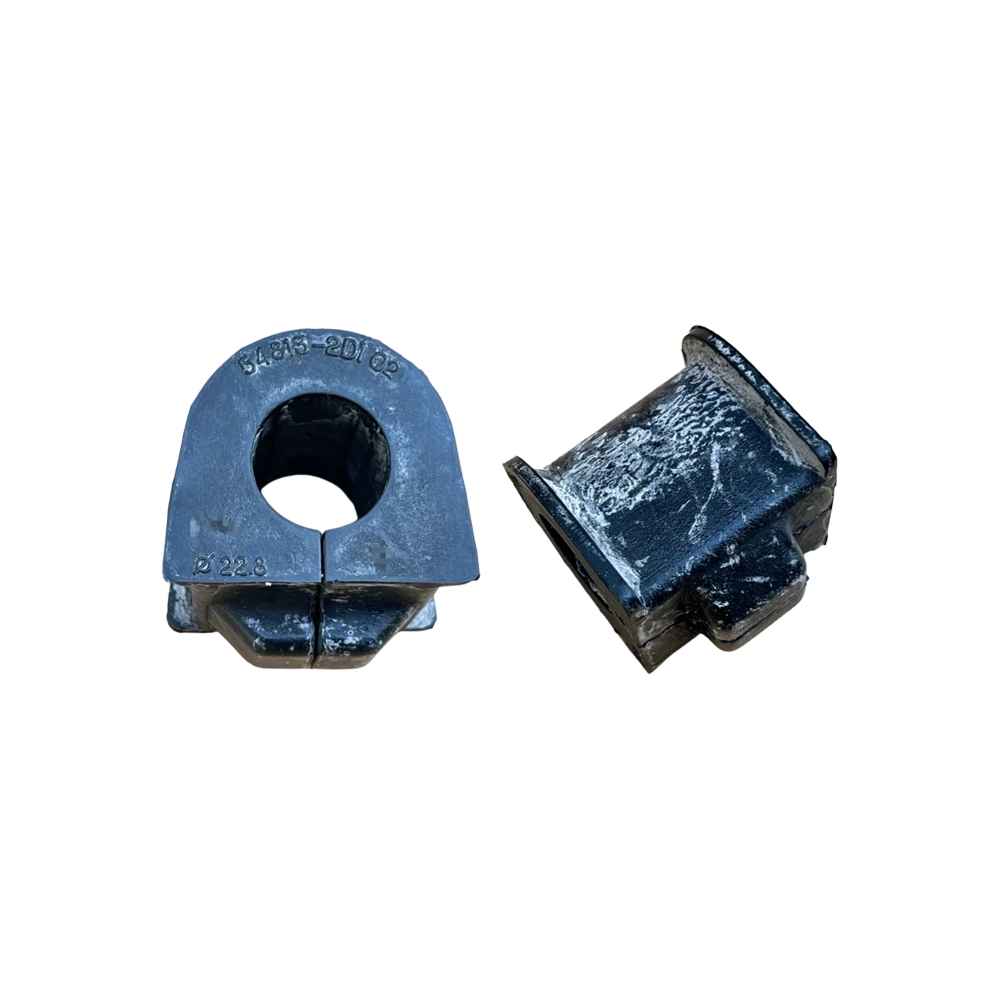
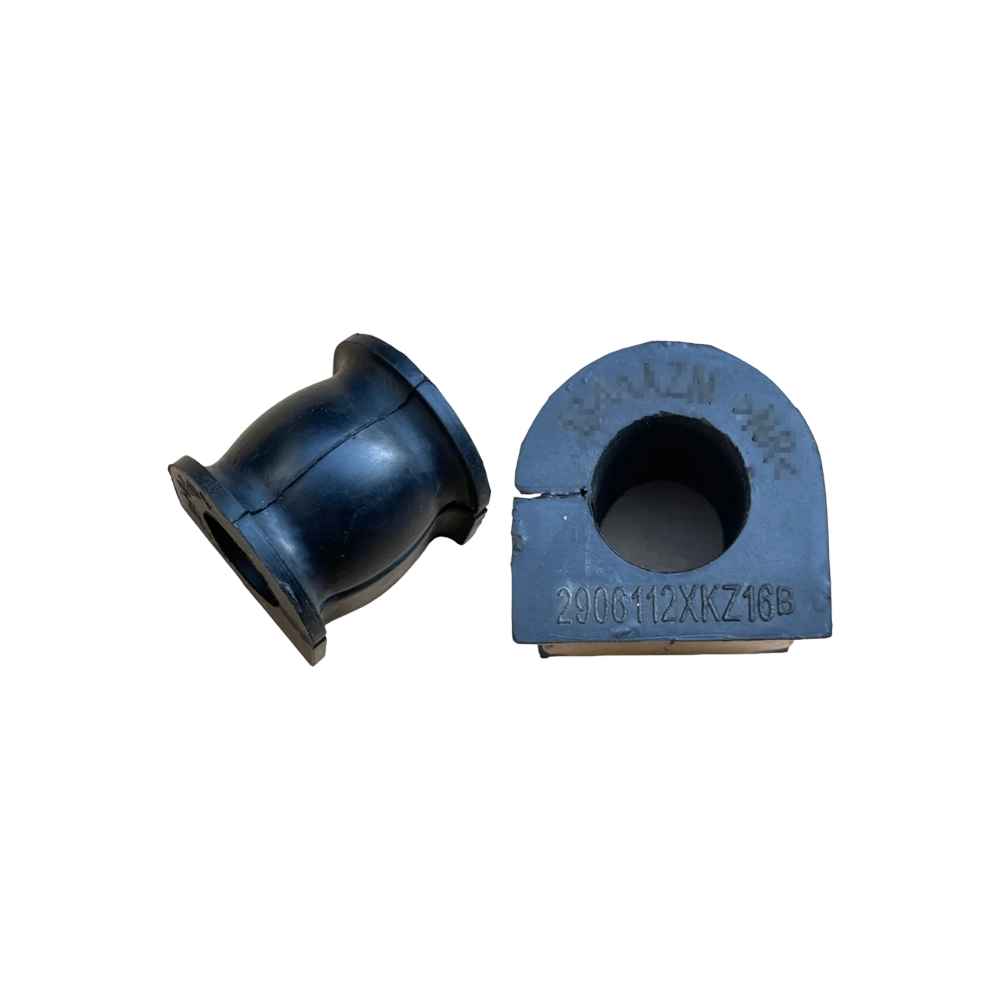
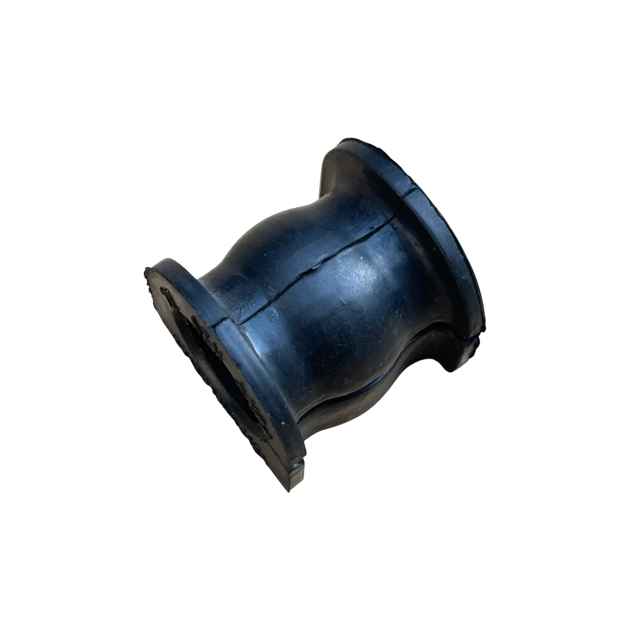
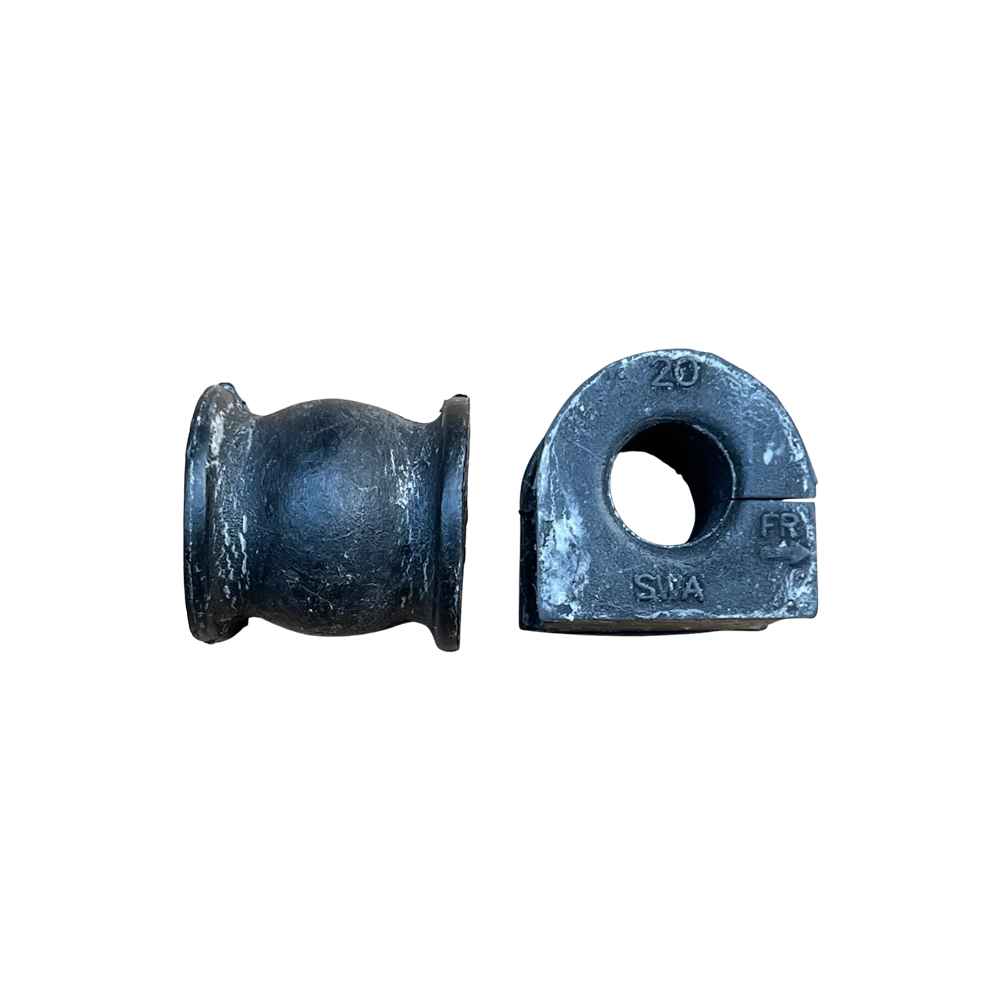
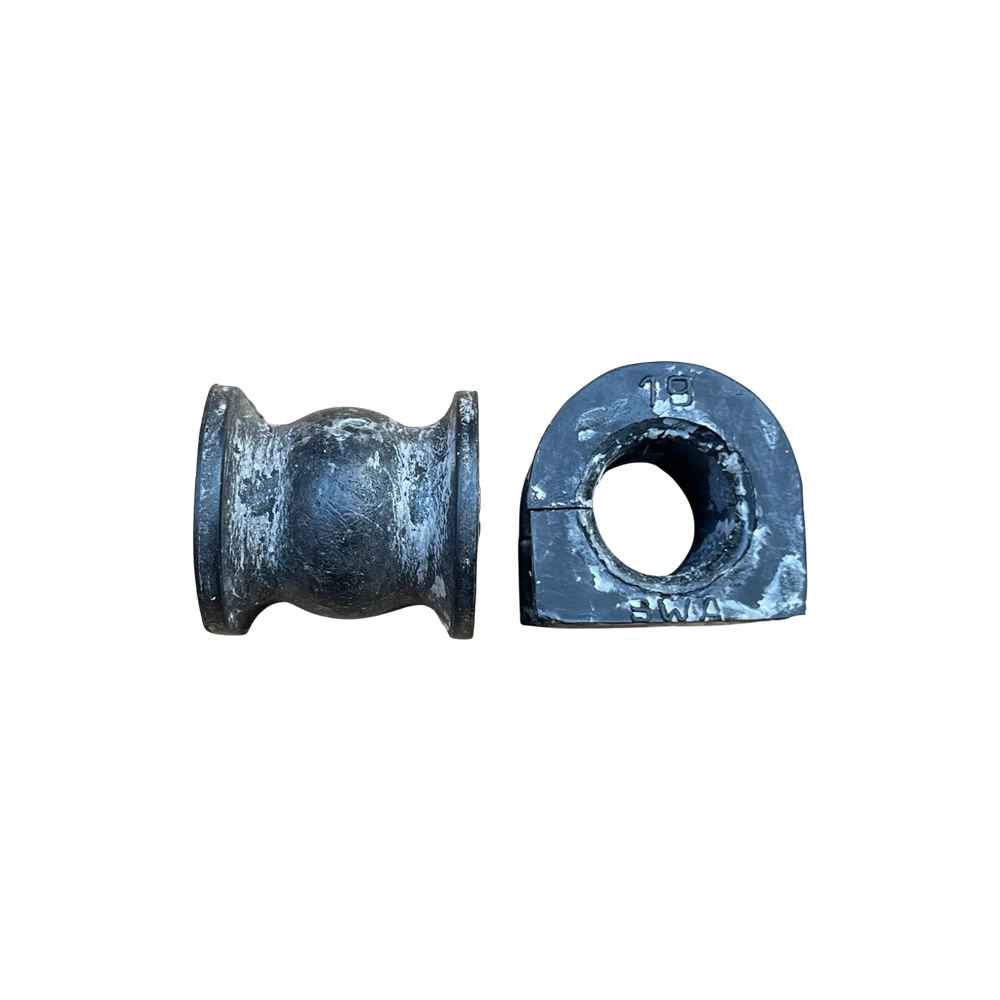
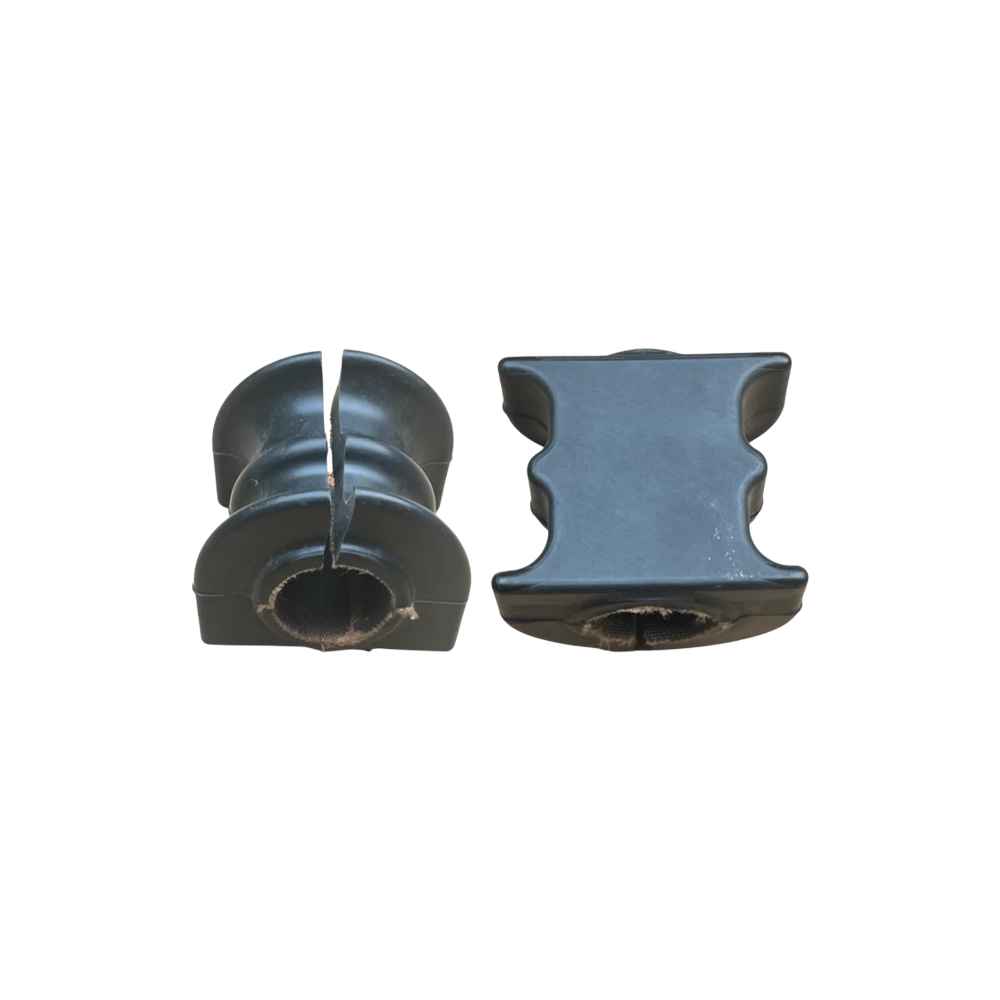
- Routine Inspections: Perform systematic checks on all engine components, including shock absorber boots and stabilizer bar bushings.
- Fluid Management: Ensure proper fluid management practices to avoid overfilling engine oil reservoirs.
- Environmental Control: Maintain optimal operating conditions to reduce stress on components, addressing temperature fluctuations as necessary.
Training and Awareness
Equipping staff with knowledge about maintenance procedures is integral. Training sessions should focus on recognizing the symptoms of oil leaks and reinforcing the importance of immediate reporting and action. A culture of proactive maintenance can significantly enhance fleet performance.

Advanced Technologies in Leak Prevention
With advancements in technology, there are now innovative solutions available for leak prevention. Utilizing oil sensors and monitoring systems can provide real-time data on oil levels and potential leakage, allowing for timely intervention before issues escalate.
Conclusion
Addressing oil leak prevention in commercial fleet maintenance is a multifaceted endeavor that involves understanding the causes, implementing preventative measures, and utilizing quality parts. By fostering a culture of routine inspections and education, fleet managers can enhance vehicle longevity and performance while minimizing operational disruptions.