Understanding Shock Dust Covers
In the realm of commercial fleet maintenance, ensuring that each vehicle operates at peak performance is paramount. One crucial component often overlooked is the shock dust cover, which plays a vital role in protecting the shock absorbers from contaminants.
The Importance of Shock Dust Covers
Shock dust covers, also known as Shock Absorber Boots , serve several essential functions. They are designed to shield the internal components of shock absorbers from dirt, debris, and moisture, which could otherwise lead to premature wear and failure. When these boots are intact and functioning properly, they significantly extend the lifespan of the shock absorbers, thereby ensuring a smoother ride and improved handling for the vehicles in the fleet.
Material Composition
Typically made from rubber or a similar synthetic material, shock dust covers must withstand harsh environmental conditions. The durability of the material is critical, as exposure to UV rays, road salts, and varying temperatures can degrade inferior products rather quickly. Brands like Guanghua provide high-quality options that meet industry standards for reliability and longevity.
Signs of Damage
Recognizing when shock dust covers need replacement is crucial for effective fleet maintenance. Common signs include:
- Cracks or tears visible on the surface of the boot.
- Oil leakage around the shock absorber, indicating potential inner damage.
- Noise while driving, which may suggest compromised shock function.
Installation and Maintenance Considerations
When installing new shock dust covers, proper technique is imperative to ensure they function as intended. Mechanics should take the following steps into consideration:
- Ensure the surface of the shock absorber is clean before installation to eliminate grit and debris.
- Check for any existing damage to the shock itself, as this could negate the benefits of a new dust cover.
- Utilize appropriate tools to prevent tearing during installation, paying particular attention to the edges of the dust cover.
Regular Inspections
As part of routine maintenance, conducting regular inspections on the shock dust covers can help catch issues early. Fleets should establish a schedule that includes checking the condition of both the boots and the shock absorbers themselves. This proactive approach allows for timely replacements and reduces the likelihood of more significant mechanical failures down the line.
Integration with Other Components
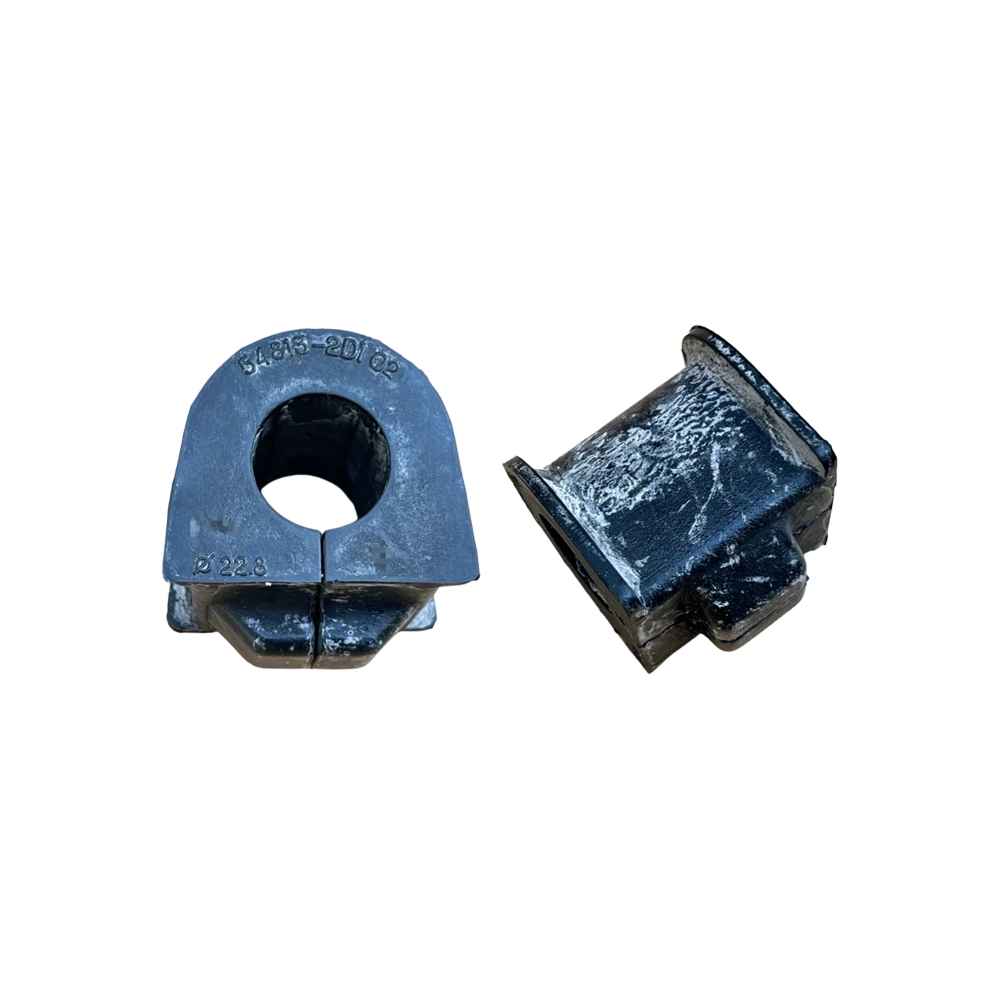
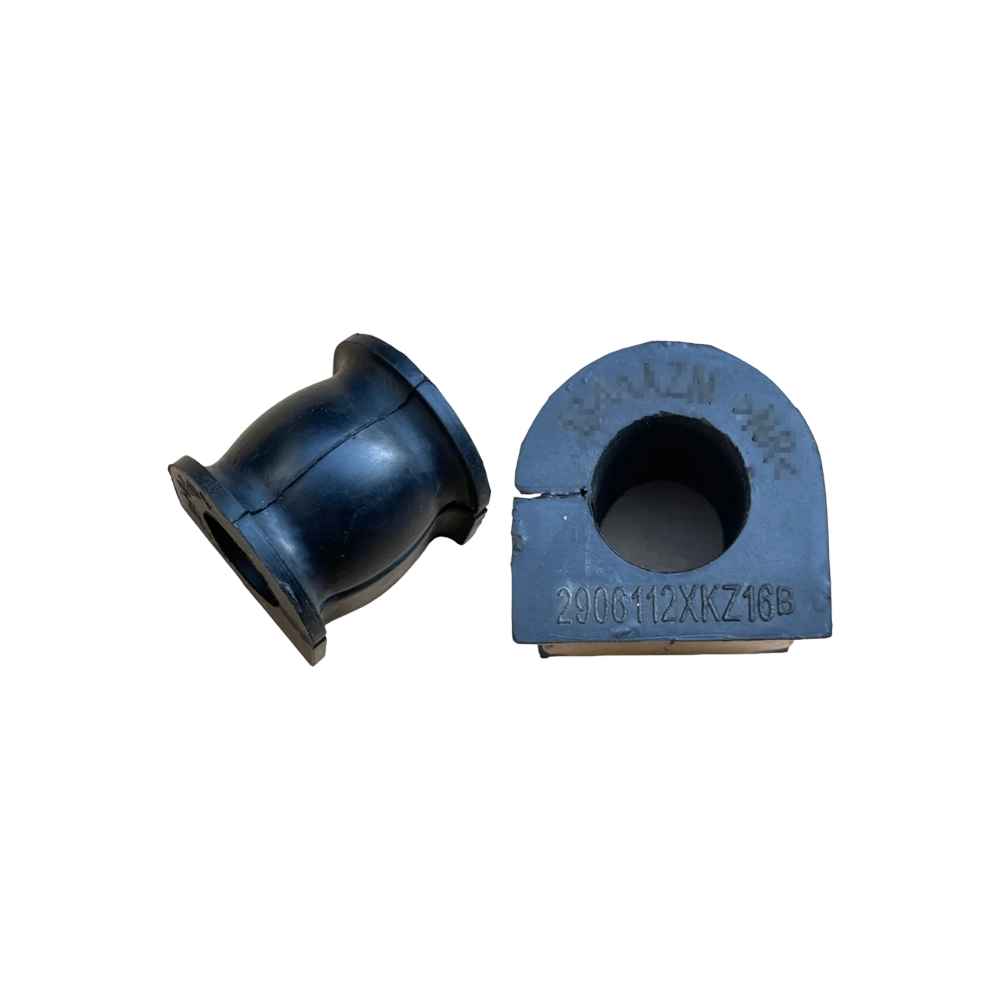
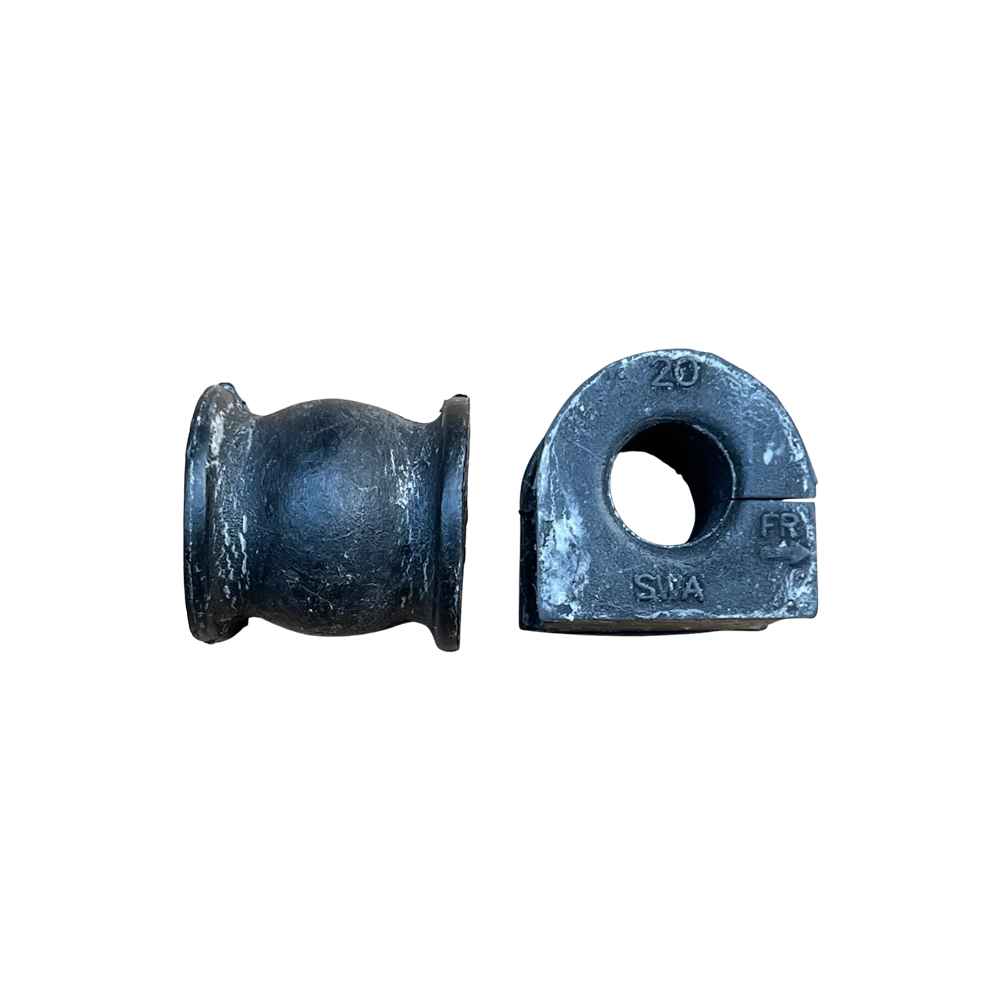
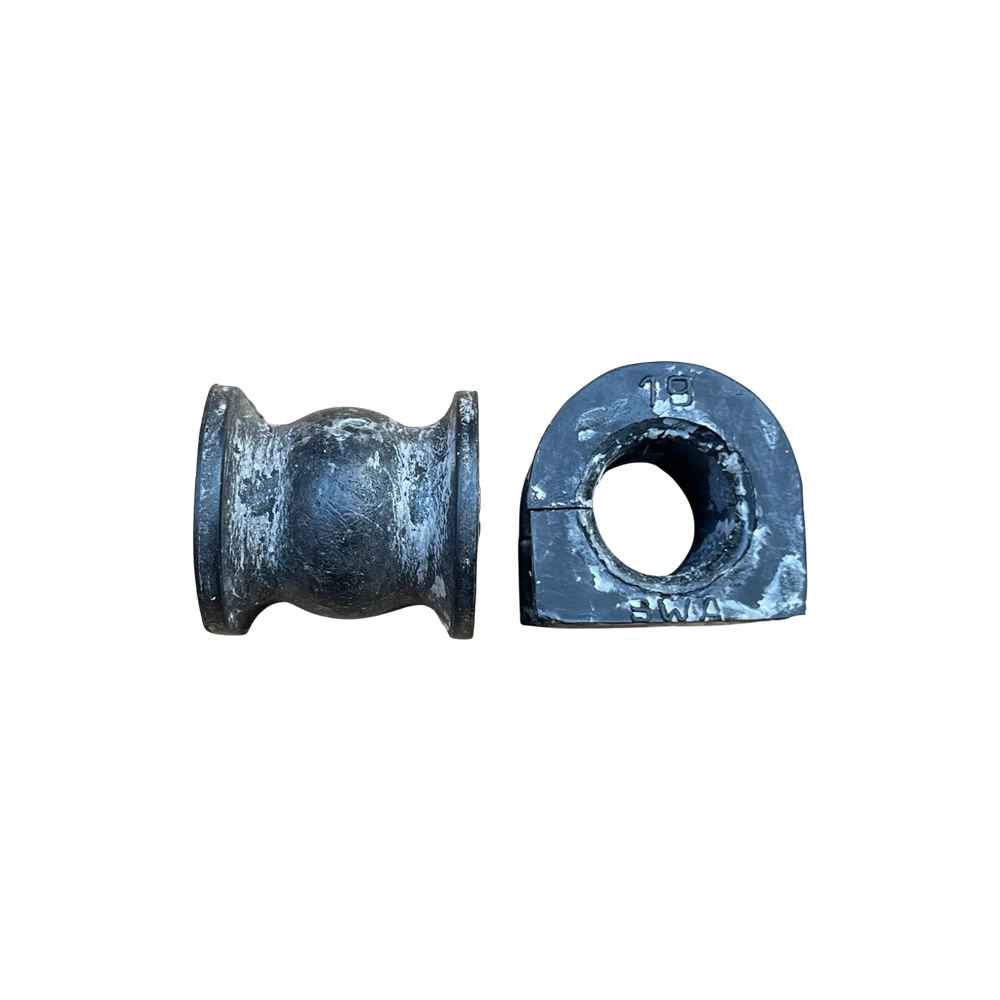
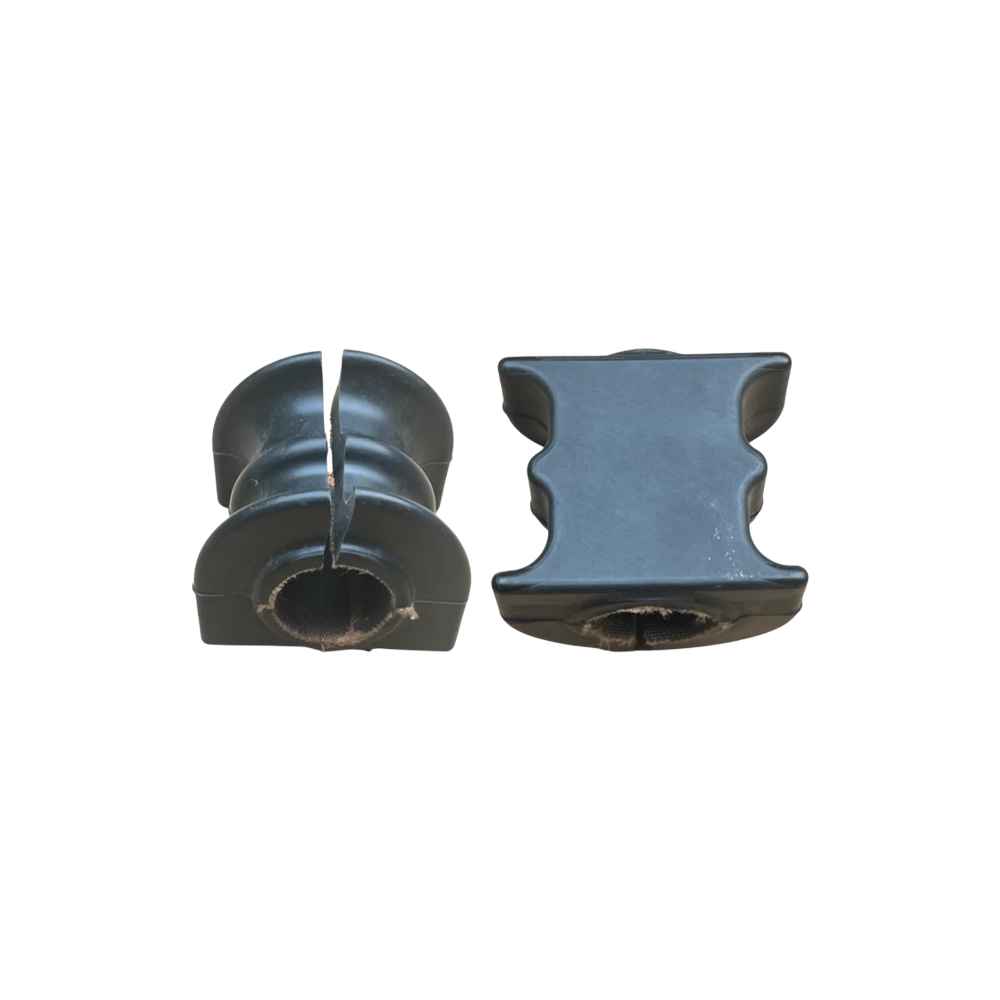
Shock dust covers do not operate in isolation; they work alongside various other components within the suspension system, including Stabilizer Bar Bushings and Steering Rack Boots . Understanding how these parts interact can aid fleet managers in making informed decisions regarding overall vehicle maintenance. For instance, if one component exhibits wear, it’s prudent to evaluate related components for potential issues.

Choosing Quality Products
When selecting shock dust covers, it is advisable to opt for reputable brands known for their quality, such as Guanghua. While cheaper alternatives may be tempting, investing in high-quality boots ensures better protection and longevity for the shock absorbers. It's important to remember that a small upfront cost can save substantial repair expenditures over time.
Cost-Effectiveness in Fleet Operations
Maintaining shock dust covers and addressing them promptly can lead to significant cost savings for fleet operations. By avoiding the expenses associated with frequent shock absorber replacements—often necessitated by neglected dust covers—companies can allocate resources more effectively. Additionally, vehicles with well-maintained suspension systems offer enhanced fuel efficiency and reduced tire wear, contributing further to overall operational savings.
Educating Fleet Personnel
Lastly, it is vital for fleet managers to educate their personnel about the significance of shock dust covers and their maintenance. Training staff to recognize warning signs and understand the implications of neglect can create a culture of proactive maintenance, ultimately benefitting the fleet's bottom line.