Understanding Stabilizer Bar Bushings
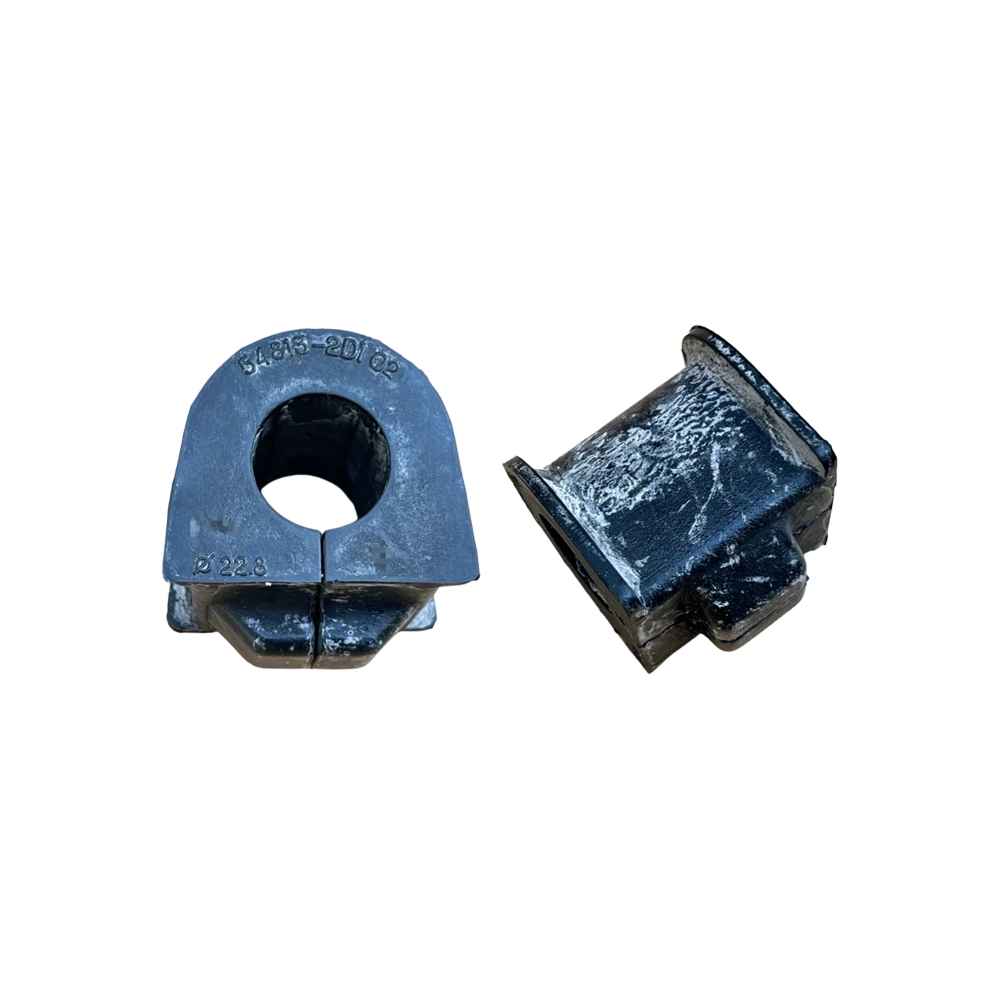
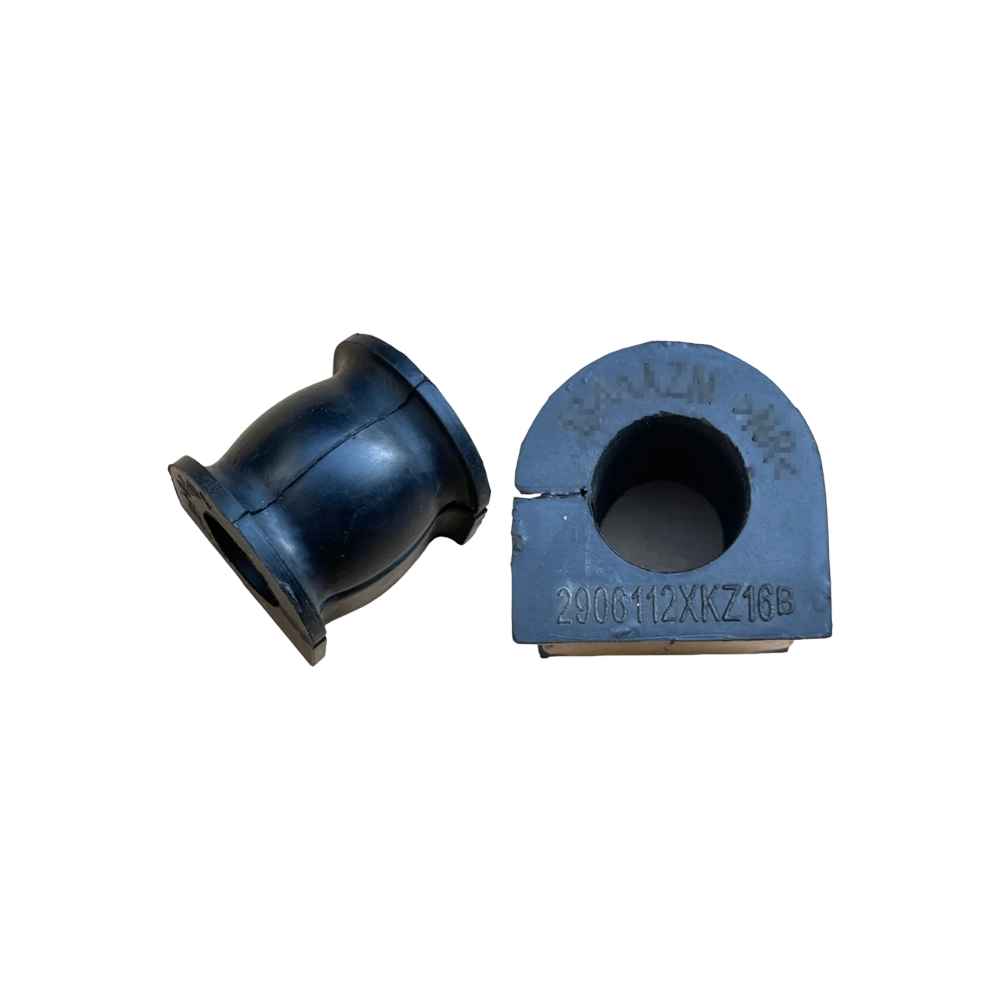
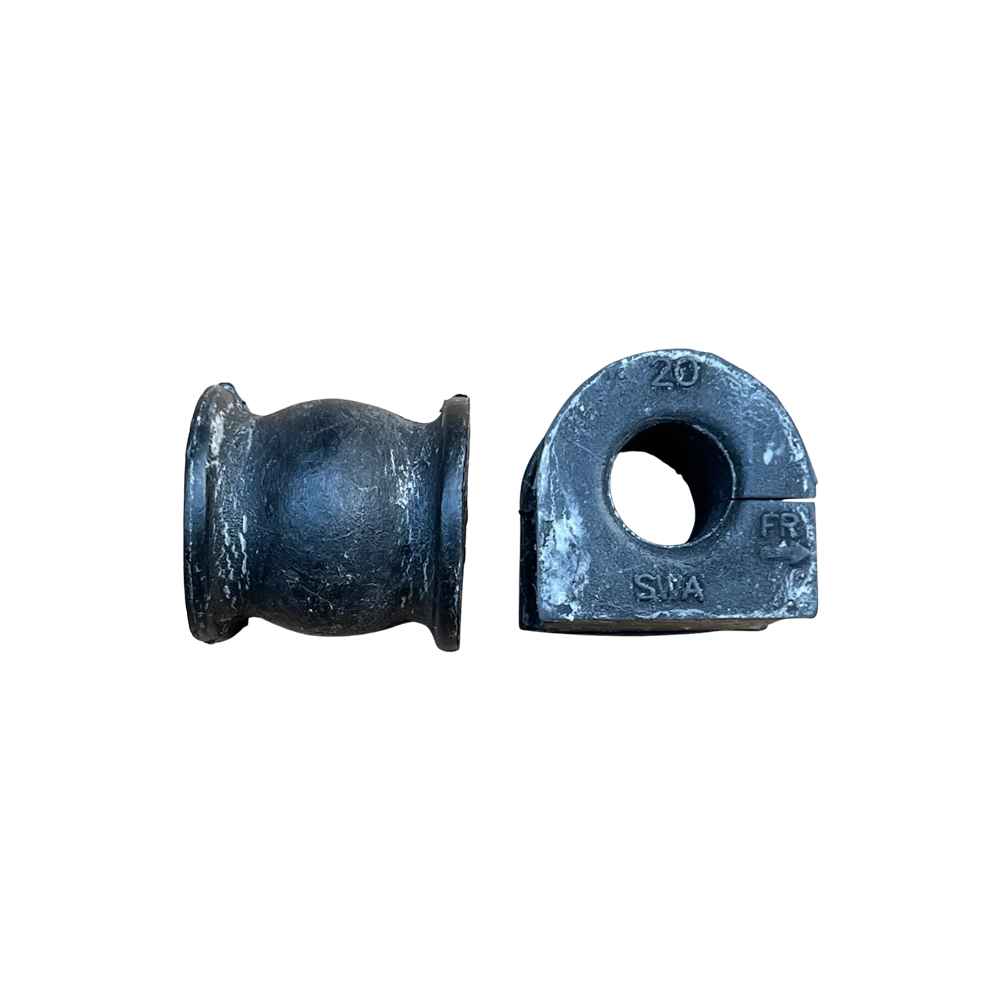
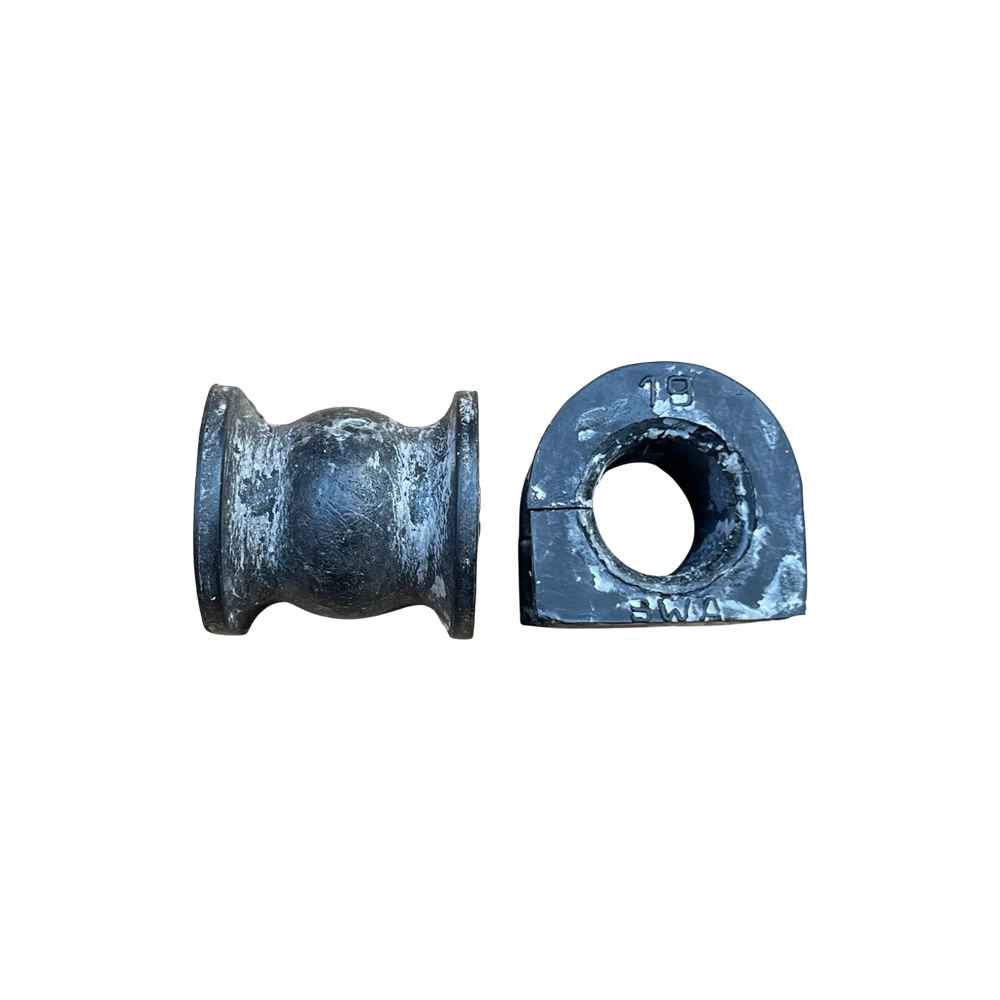
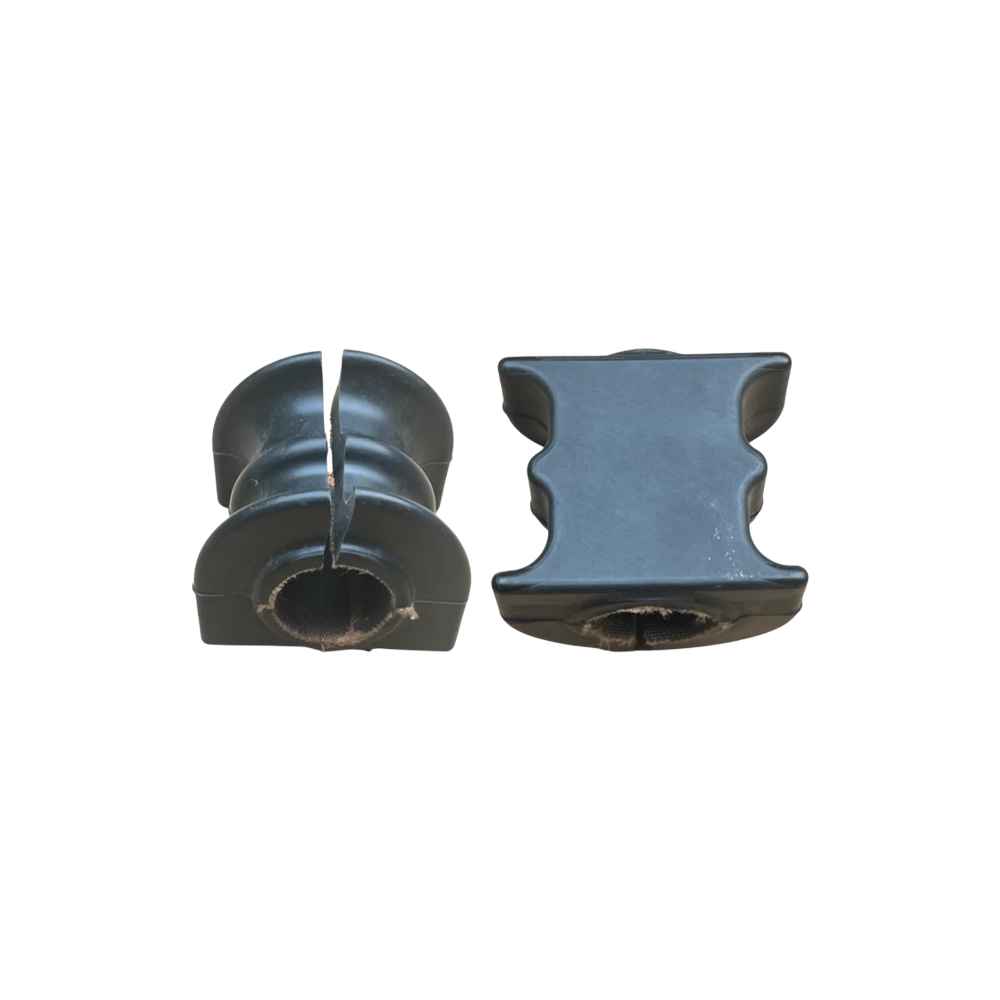
So, you’re diving into the world of automotive parts? Well, Stabilizer Bar Bushings might just be one of those unsung heroes in your vehicle’s suspension system. They play a crucial role in maintaining stability while driving. But what exactly are they?
In simple terms, these bushings act as a cushion between the stabilizer bar and the vehicle's chassis. When you hit a bump or take a sharp turn, they help reduce the amount of body roll, keeping your ride smooth and controlled.
Key Functions of Stabilizer Bar Bushings
Let’s break it down a bit. Here are some key functions:
- Damping Vibration: They absorb shocks from the road, reducing vibrations that could lead to discomfort.
- Enhancing Stability: By connecting the stabilizer bar to the frame, they help maintain the car's balance during turns.
- Minimizing Wear: They protect both the stabilizer bar and the frame from excessive wear and tear, prolonging their lifespan.
Signs You Need to Replace Your Bushings
It's all well and good knowing what they do, but how do you know when it's time for a replacement? Keep an eye out for these signs:
- Clunking Noises: If you hear a clunking sound when driving over bumps, it could indicate worn bushings.
- Body Roll: Increased body roll during cornering is a red flag for potential bushing failure.
- Cracks and Splits: Visually inspect them; any visible cracks can mean trouble.
Choosing Quality Products
You might wonder which brand to trust. Brands like Guanghua offer reliable parts, but it’s essential to verify quality. Not all bushings are created equal! Using high-quality materials ensures durability and performance. Look for options made from rubber or polyurethane, as they are known for longevity.
Don't forget to check compatibility with your vehicle model, as fitment is crucial for optimal operation.
Aftermarket Considerations
The global automotive aftermarket is booming, and stabilizer bar bushings are no exception. As buyers, you have access to a plethora of choices which can be overwhelming. It’s important to consider whether you want OEM (Original Equipment Manufacturer) parts or aftermarket alternatives.
OEM parts can guarantee perfect fit and function, but they often come at a higher price. On the other hand, aftermarket options may provide excellent alternatives at a more budget-friendly cost, especially for everyday drivers.
Installation Tips
Installing new bushings isn’t rocket science, but it does require some know-how. A few tips:
- Use Proper Tools: A socket set, torque wrench, and possibly a heat gun can make the process smoother.
- Follow Manufacturer Guidelines: Always refer to the installation manual specific to the bushings you purchased.
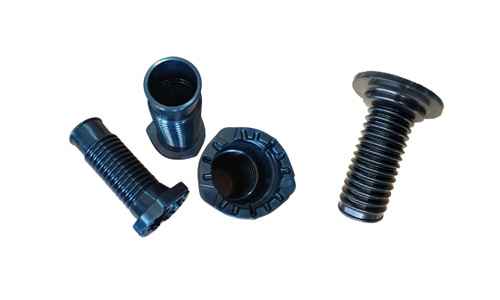
- Check Surrounding Components: While you're at it, inspect nearby parts such as CV Joint Boots or Shock Absorber Boots for any signs of wear.
Maintenance Matters
Once you've got new bushings in place, regular maintenance is key. Keeping an eye on your vehicle's suspension system as a whole will ensure that everything operates harmoniously. Don't skip routine check-ups!
Additionally, if you live in areas with harsh weather conditions, consider inspecting your stabilizer bar bushings more frequently. Moisture and salt can accelerate wear.
Conclusion: Knowledge is Power
In this fast-paced automotive market, knowledge truly is power. Understanding stabilizer bar bushings equips you to make informed decisions—whether for purchasing or replacing them. With quality products from brands like Guanghua and proper maintenance, you can enjoy a smoother and more stable ride.