Understanding Steering Rack Boots
If you're in the business of managing a commercial fleet, you probably know that keeping everything running smoothly is crucial. One often-overlooked component? The steering rack boot. This little rubber sleeve plays a huge role in ensuring your vehicles' steering systems operate without hitches.
What Are Steering Rack Boots ?
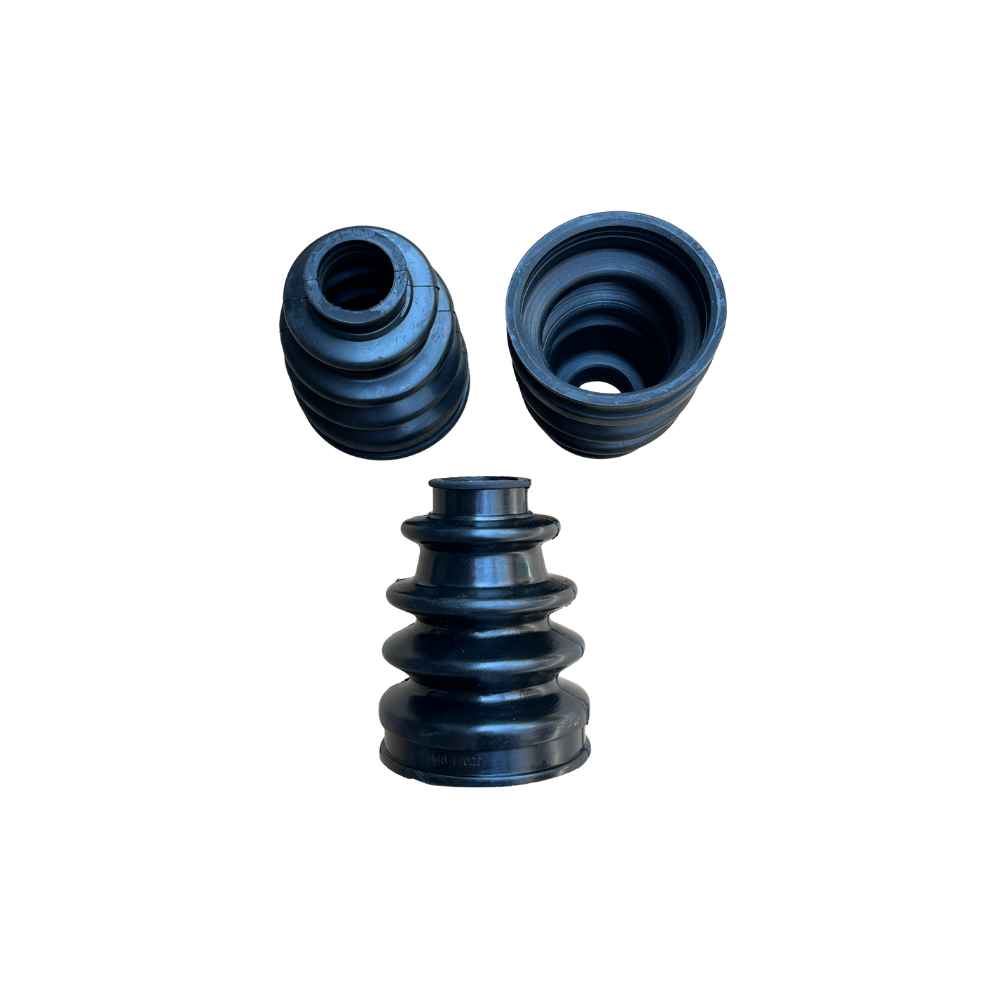
Steering Rack Boots are protective coverings that seal the steering rack, preventing dirt, debris, and moisture from entering the mechanical components. Think of them as the bouncers at an exclusive club—keeping unwanted guests out while allowing all the essential functions to carry on inside!
The Importance of Regular Inspections
You might be tempted to ignore these rubber protectors given their unassuming appearance. But trust me, neglecting your steering rack boots can lead to serious issues down the line. A small crack or tear can allow contaminants to seep in, damaging the steering rack and leading to costly repairs.
- Check for wear and tear: Look for any signs of tearing or visible cracks.
- Listen for unusual noises: A failing steering rack can produce unexpected sounds during driving.
- Monitor handling: If your vehicle feels off while steering, it’s worth inspecting the boots.
Replacing Steering Rack Boots
So, when should you replace them? As a rule of thumb, consider replacing your steering rack boots every 70,000 to 100,000 miles—or sooner if you notice any damage. Opting for high-quality options, perhaps even from reputable brands like Guanghua, can provide better longevity and performance.

Signs of Failure
Identifying when your steering rack boots have failed is essential. Here are a few red flags that might indicate it's time for a replacement:
- Visible tears or cracks on the boot surface.
- Fluid leaking near the steering rack area.
- Difficulty steering or abnormal resistance while turning.
How to Replace Them
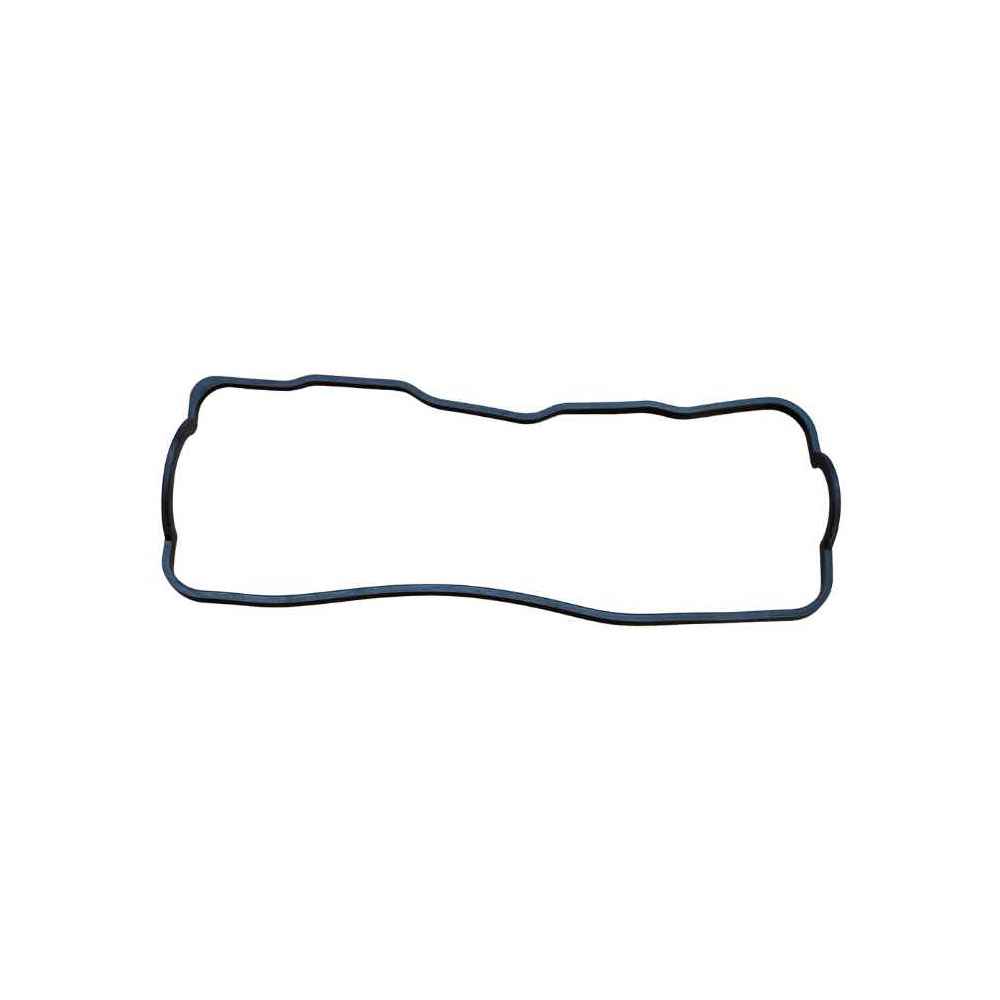
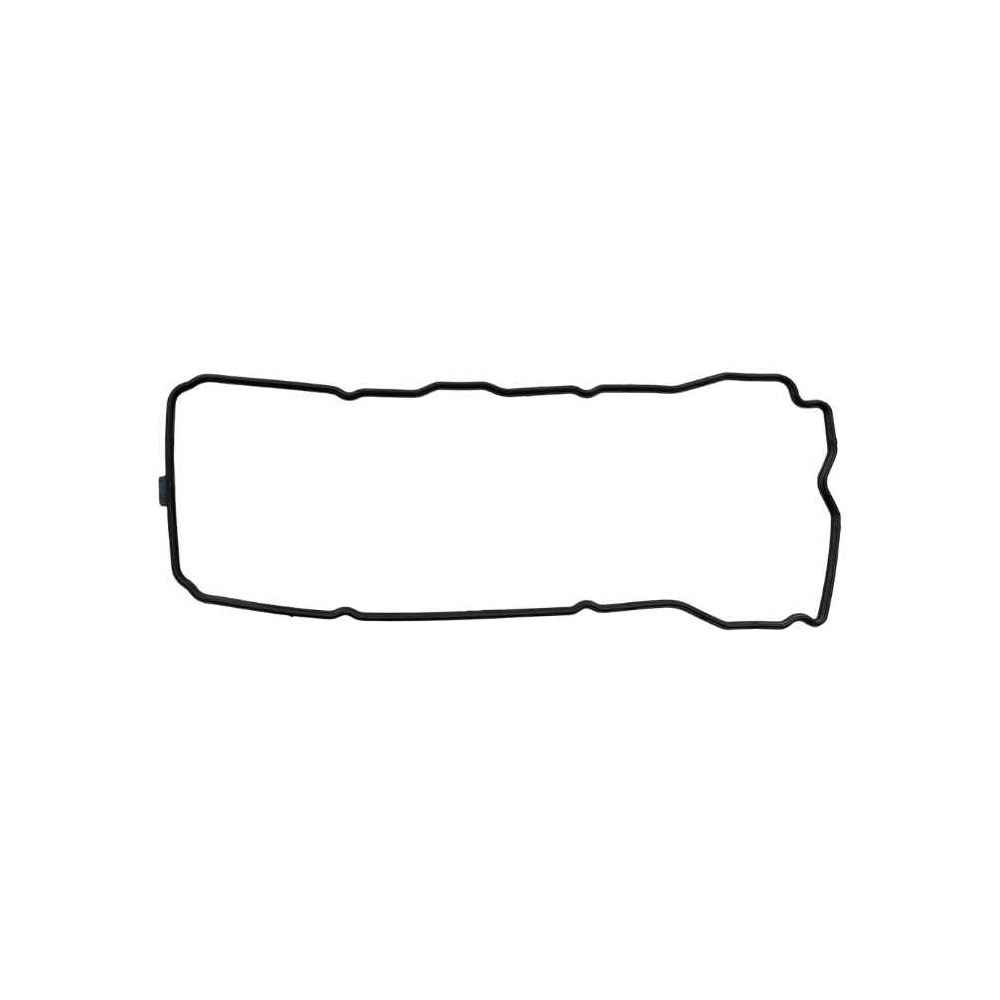
Thinking about DIY replacement? Well, grab some tools! You’ll generally need a basic set including wrenches, screwdrivers, and possibly some new O-Rings & Rubber Sealing Rings to ensure a proper fit. Just remember: it’s not just about slapping on a new boot; ensuring the surrounding components are clean and free of debris is critical for optimal performance.
Cost Considerations
Alright, let’s talk money. The cost of steering rack boot replacement can vary based on labor rates and the type of vehicle. On average, expect to spend anywhere between $150 to $400 per vehicle, depending on whether you’re doing it yourself or hiring someone. Now, that’s a small price to pay compared to the potential costs of a complete steering rack failure!
Choosing Quality Parts
When it comes to purchasing steering rack boots, doing a bit of research pays off. Going for cheaper, inferior products might save you money upfront, but they can lead to more frequent replacements later. Brands like Guanghua tend to offer reliable parts that can stand the test of time—trust me, your budget will thank you later!
Maintaining Your Fleet Effectively
To maintain a commercial fleet effectively, regular maintenance checks are key. Incorporating steering rack boot inspections into your routine checks can prevent larger issues before they arise. Trust me, this proactive approach saves time, money, and headaches down the line.
Additional Components to Watch
While you’re at it, don’t forget to keep an eye on related components. Checking on your Shock Absorber Boots and CV Joint Boots can also enhance your fleet's overall performance. Those little rubber parts go a long way in ensuring safety and functionality.
Final Thoughts
In summary, steering rack boots may appear simple, but they are vital for the health of your vehicles. Regular inspections and timely replacements can make a world of difference in your fleet's operational efficiency. So, next time you’re performing maintenance checks, give those boots a little love—they're working hard for you!