Understanding Suspension Rubber Parts
In the realm of commercial fleet maintenance, suspension rubber parts play a pivotal role in ensuring vehicles operate efficiently and safely. These components, including CV Joint Boots , Steering Rack Boots , and Shock Absorber Boots , are essential for absorbing shocks and providing stability.
Importance of Rubber Components in Suspension Systems
The suspension system is engineered to support the vehicle's weight while also absorbing road shocks. Rubber parts within this system, such as O-rings & rubber sealing rings, are critical because they not only provide cushioning but also prevent dirt and moisture ingress that can lead to premature wear. Over time, exposure to environmental factors can cause these materials to degrade, which negatively impacts performance.

Types of Suspension Rubber Parts
- CV Joint Boots: These protect the constant velocity joints from contaminants while retaining grease, critical for maintaining smooth drivetrain dynamics.
- Steering Rack Boots: They shield the steering mechanism from debris and moisture, enhancing the longevity of steering components.
- Shock Absorber Boots: Designed to protect shock absorbers from dirt and other harmful substances, these boots ensure consistent performance and comfort during rides.
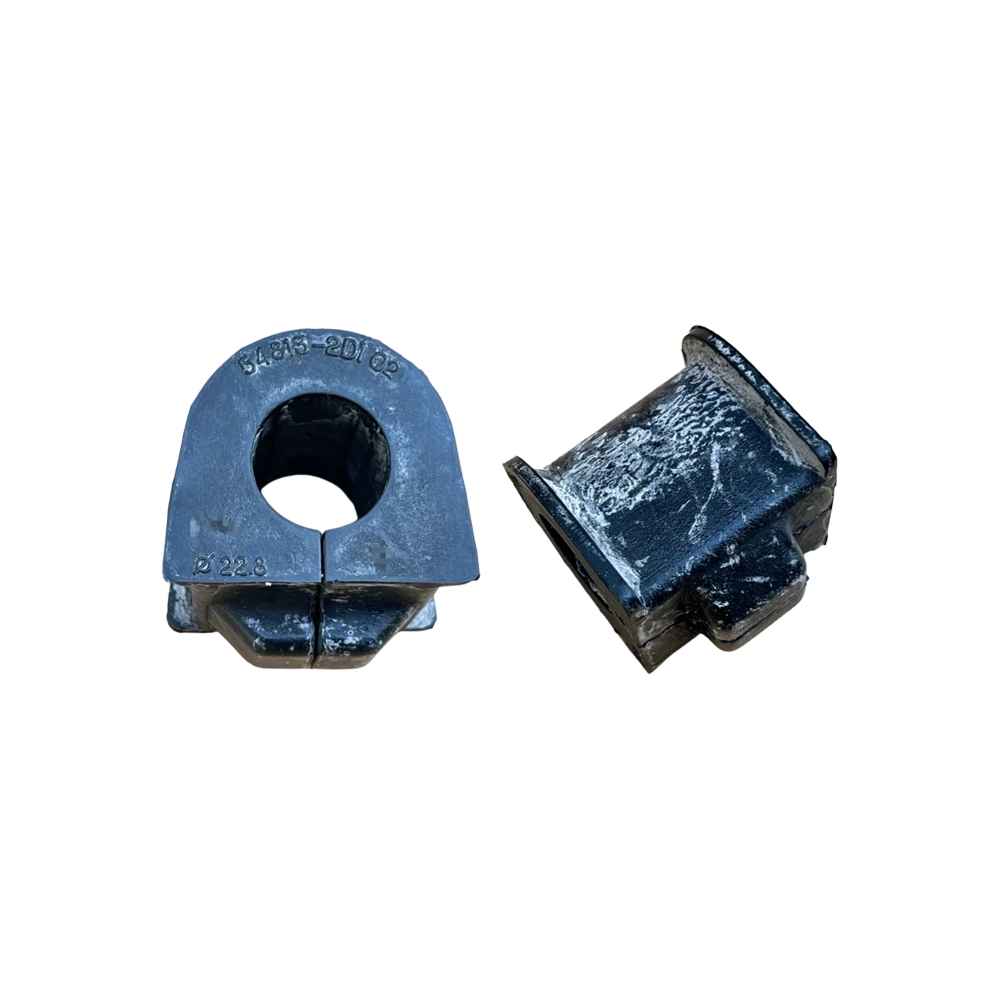
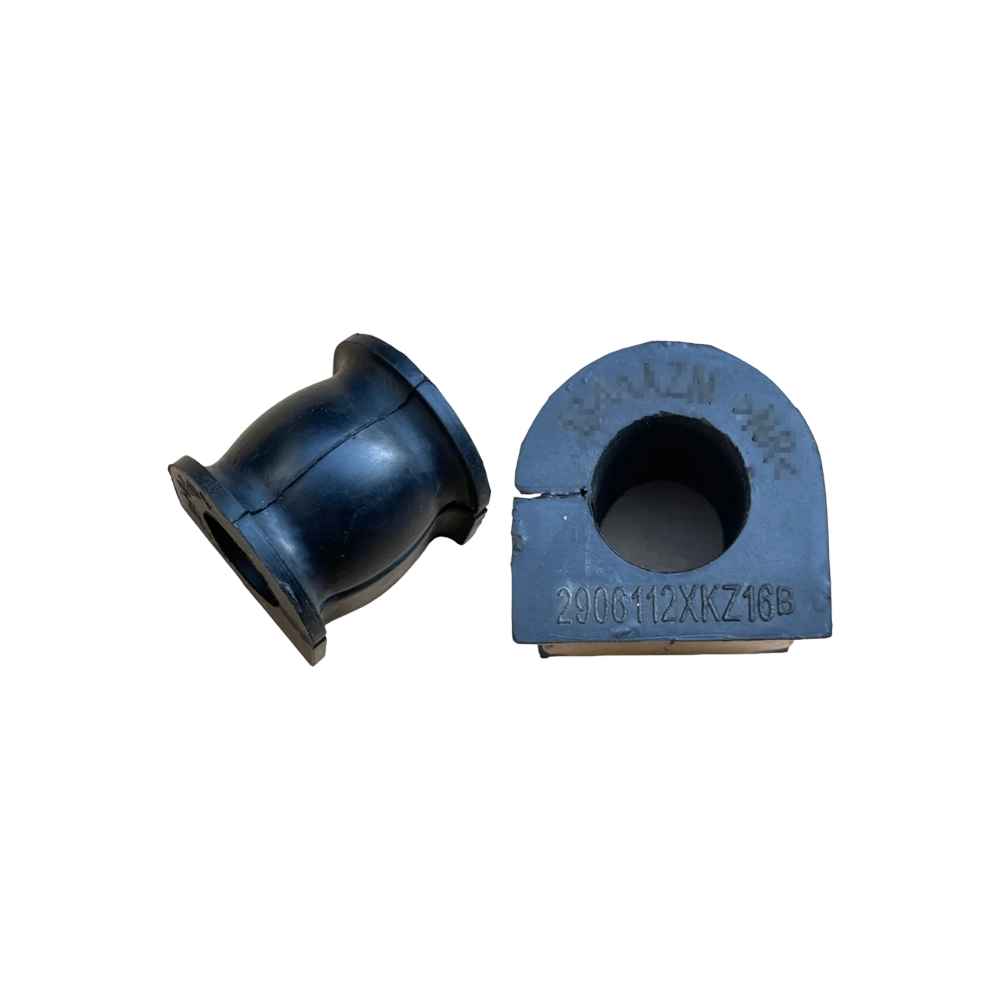
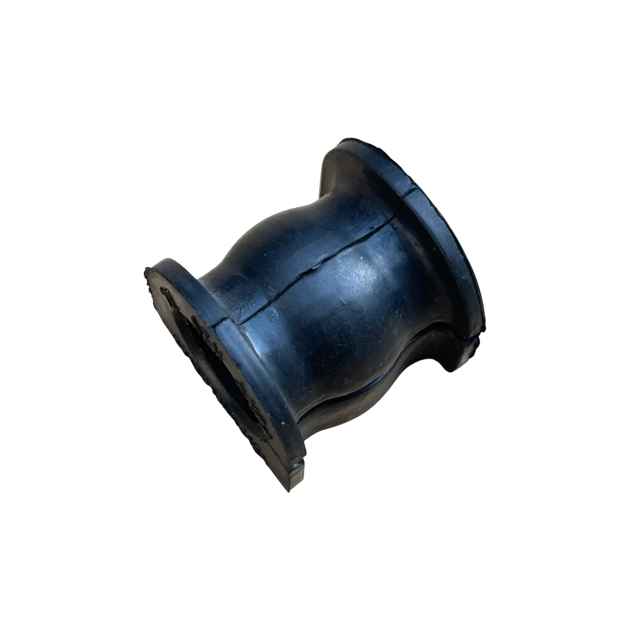
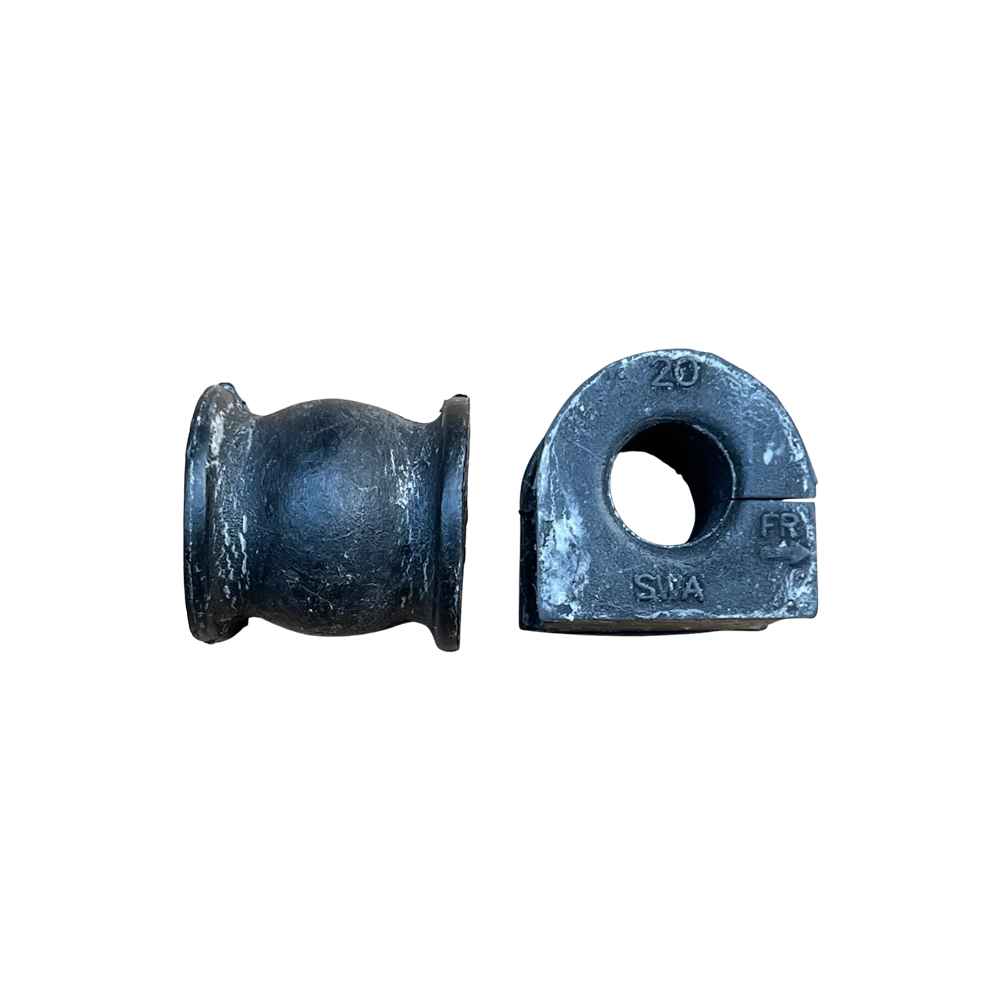
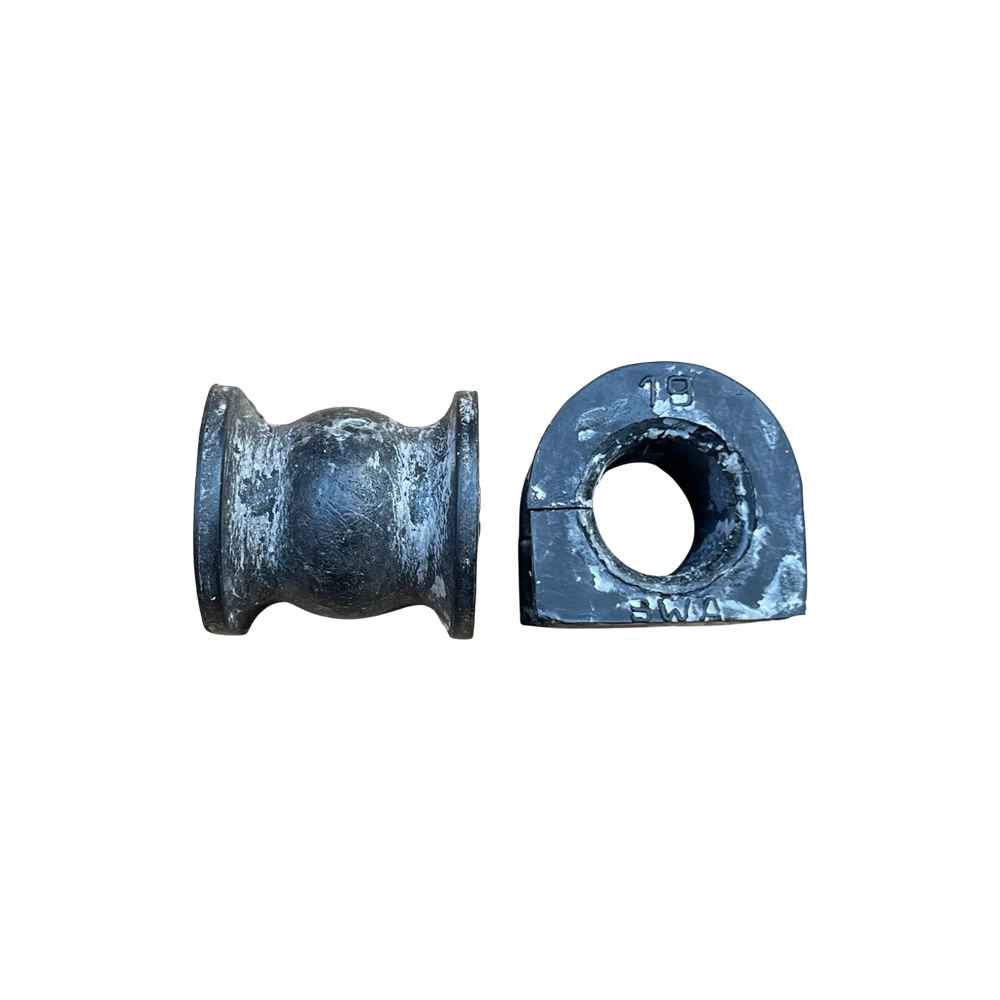
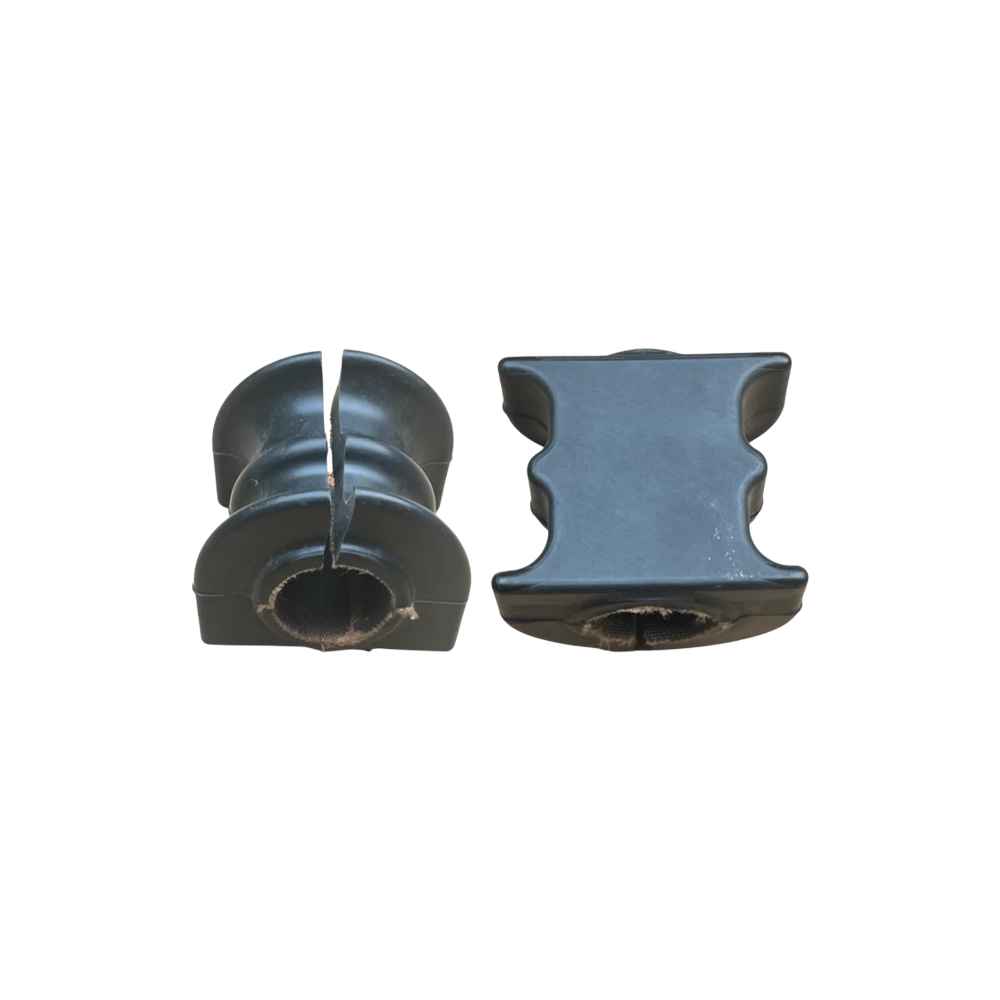
- Stabilizer Bar Bushings: Vital for minimizing sway and improving handling, these bushings connect the stabilizer bar to the vehicle frame and require regular inspection for signs of wear.
- Valve Cover Gasket: Although primarily associated with engine function, any leaks here can affect vehicle operation and thereby influence suspension performance indirectly.
Signs of Wear and Tear
Recognizing the signs of deterioration in suspension rubber parts is crucial to maintain the integrity of a commercial fleet. Common indicators include:
- Visible cracks or splits on the surface of rubber components.
- Unusual noises such as squeaking or clunking when driving over bumps.
- Decreased ride quality, suggesting that shock absorbers or other related rubber parts may be compromised.
- Increased body roll during turns, often linked to worn stabilizer bar bushings.
Maintenance Practices
Regular maintenance is vital for extending the lifespan of suspension rubber parts. Here are some best practices:
- Routine Inspections: Fleet managers should incorporate regular inspections into their schedules, particularly focusing on high-usage vehicles.
- Prompt Replacements: As soon as signs of wear are observed, replacing damaged parts like CV joint boots or steering rack boots should be prioritized to avoid further complications.
- Quality Components: Utilizing reliable brands, such as Guanghua, can significantly enhance durability and performance when it comes to replacement parts.
- Environmental Protection: Applying protective sprays and lubricants designed to guard against UV rays and moisture can extend the life of rubber components.
Choosing the Right Parts
Selecting appropriate suspension rubber parts involves considering various factors, including material quality, compatibility with existing systems, and manufacturer reputation. For example, opting for OEM parts can often ensure compatibility and reliability, while aftermarket options may offer cost savings but should be chosen carefully to avoid subpar performance.
Impact on Overall Vehicle Performance
The functional integrity of suspension rubber components directly influences overall vehicle performance. Worn-out boots or bushings can lead to compromised handling, increased tire wear, and even alignment issues, all of which contribute to higher operating costs. Therefore, timely replacement and maintenance are not merely recommendations; they are necessities for maintaining a fleet's operational efficiency.
The Role of Technology in Maintenance
Advancements in technology have made monitoring the condition of suspension parts easier than ever. Digital diagnostic tools allow fleet managers to assess the health of key components in real-time, enabling a proactive approach to maintenance. By integrating telematics systems, businesses can track wear patterns and receive alerts for upcoming replacements, ensuring that suspension rubber parts are always in optimal condition.
Cost Implications
While investing in high-quality suspension rubber parts might seem burdensome initially, the long-term benefits—such as reduced repair costs and enhanced vehicle lifespan—are undeniable. Regularly replacing worn components, such as shock absorber boots and stabilizer bar bushings, can prevent more expensive repairs down the line. Thus, the true cost of ownership includes not just the purchase price but also maintenance and potential downtime.
Conclusion
A comprehensive understanding of suspension rubber parts is essential for effective commercial fleet maintenance. By emphasizing quality, routine inspections, and informed replacements, fleet operators can ensure optimal performance and safety. The significance of components like CV joint boots and shock absorber boots cannot be overstated, as they are integral to the overall functionality of the vehicle. Investing in quality parts and practicing diligent maintenance will ultimately reflect in the operational success of any fleet.