Understanding Custom Rubber O-Rings in OEM and Aftermarket Parts
Custom rubber O-rings have become increasingly essential in both Original Equipment Manufacturer (OEM) and aftermarket applications, primarily due to their versatility and reliability. Their ability to create a tight seal makes them ideal for various mechanical systems, including fluid and gas containment.
Key Factors Influencing O-Ring Selection
Selecting the appropriate custom rubber O-ring involves multiple considerations that can significantly affect performance and cost efficiency. Below are some pivotal factors:
Material Composition
- Nitrile Rubber (NBR): Known for its excellent oil resistance, NBR is typically used in automotive applications, particularly where exposure to petroleum-based fluids is common.
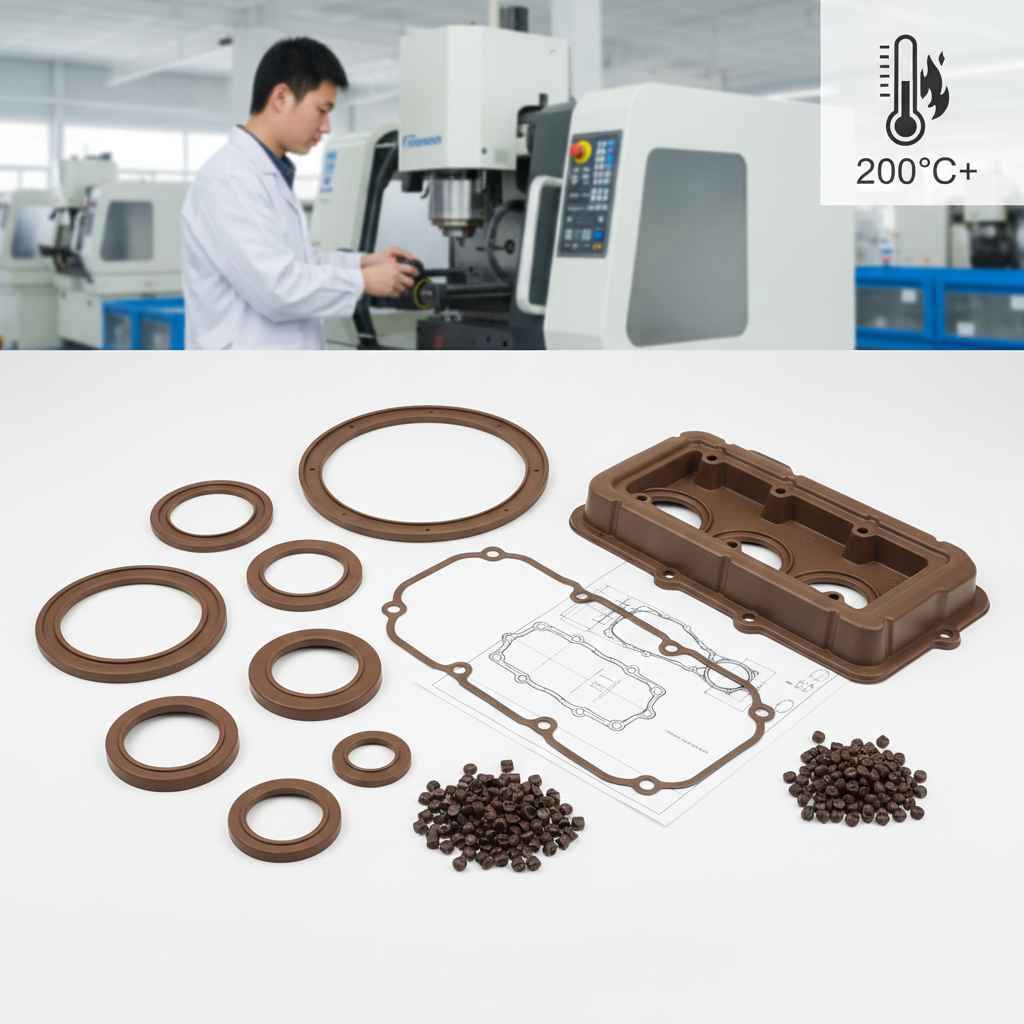
- Fluorocarbon Rubber (FKM): This material excels in high-temperature environments and offers superb chemical resistance, making it suitable for more demanding applications.
- Silicone Rubber: With its excellent flexibility and temperature range, silicone is often used in applications requiring high elasticity and resilience.
Size and Design Specifications
O-rings come in various sizes and shapes, tailored specifically for different applications. The inner diameter and cross-sectional thickness must be measured accurately to ensure proper fitment and sealing capability. Manufacturers often provide specifications that help users select the right size for their specific needs.
Environmental Resistance
Another aspect to consider is the environmental conditions under which the O-rings will operate. For instance, exposure to extreme temperatures, ozone, or chemicals could compromise the integrity of the rubber. Selecting an O-ring designed to withstand these conditions plays a crucial role in ensuring longevity and performance.
Cost-Efficiency in OEM vs. Aftermarket Solutions
The choice between OEM parts and aftermarket alternatives often comes down to cost-efficiency. While OEM parts may guarantee a certain level of quality and compatibility, aftermarket options might provide similar functionality at a reduced price.
Comparative Cost Analysis
When evaluating cost-efficiency, it's essential to delve into the price differences between custom rubber O-rings from reputable brands like Guanghua versus generic alternatives. In many instances, although generic options could be less expensive, they may not always meet the stringent quality standards associated with recognized brands.
Long-Term Performance vs. Initial Savings
While opting for a cheaper O-ring might result in initial savings, the long-term implications such as frequent replacements can lead to higher overall costs. Hence, investing in high-quality materials, like those provided by Guanghua, often pays off in terms of durability and performance.
Customization Options for Enhanced Performance
For specialized applications, custom rubber O-rings can be manufactured to meet specific requirements, enhancing their effectiveness. Customization options include:
- Unique Shapes: Non-standard shapes can address unique sealing challenges that traditional O-rings cannot.
- Specialized Compounds: A blend of materials can be developed to optimize performance for specific applications, such as incorporating heat-resistant properties or improved flexibility.
Application-Specific Solutions
Different industries may require tailored solutions; for example, automotive applications often utilize O-rings in conjunction with CV Joint Boots and Steering Rack Boots , where precise sealing is vital for preventing leaks and maintaining system integrity.
Common Applications of Rubber O-Rings
Rubber O-rings find application across numerous industries, each presenting unique demands on sealing capabilities. Some notable applications include:
- Aerospace: Extreme pressure and temperature environments necessitate high-performance sealing solutions.
- Automotive: Used extensively in engines and transmission systems, O-rings maintain fluid integrity and prevent leaks.
- Hydraulic Systems: Essential for sealing components under substantial pressure, helping to avoid fluid loss.
Compatibility with Other Components
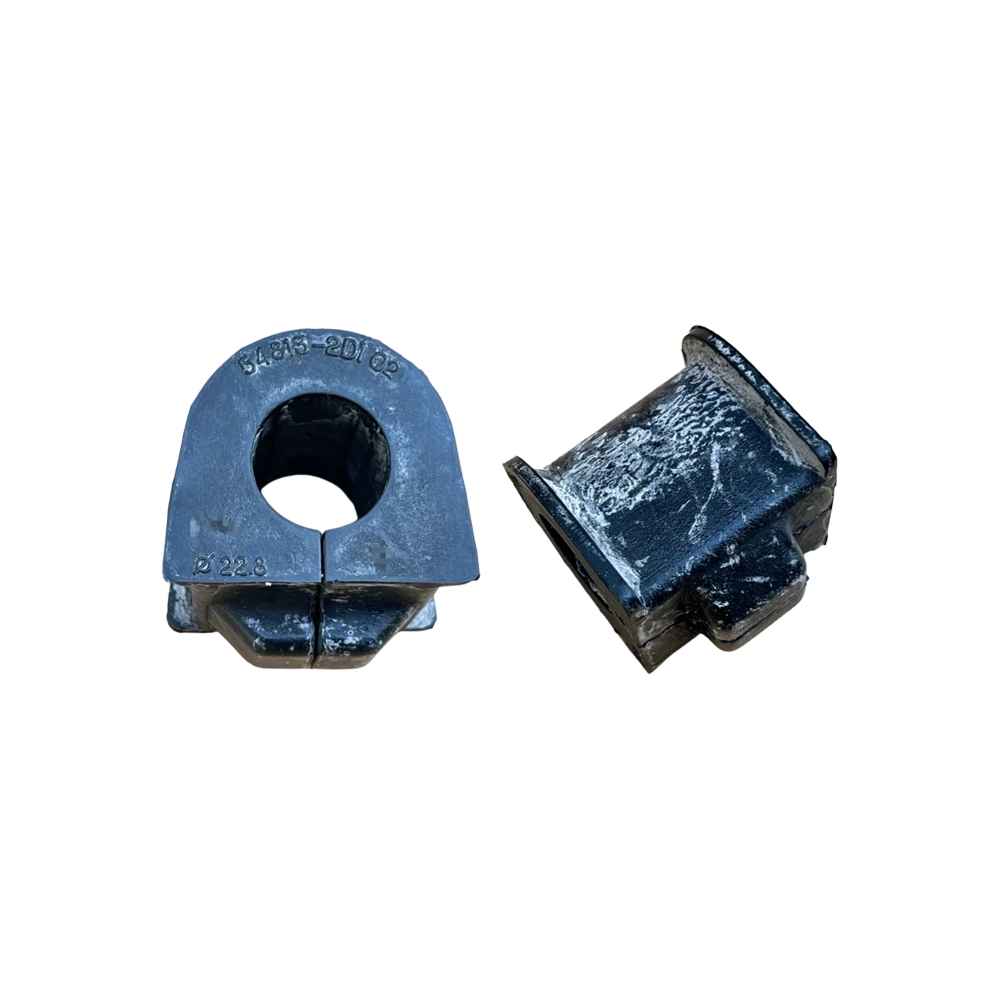
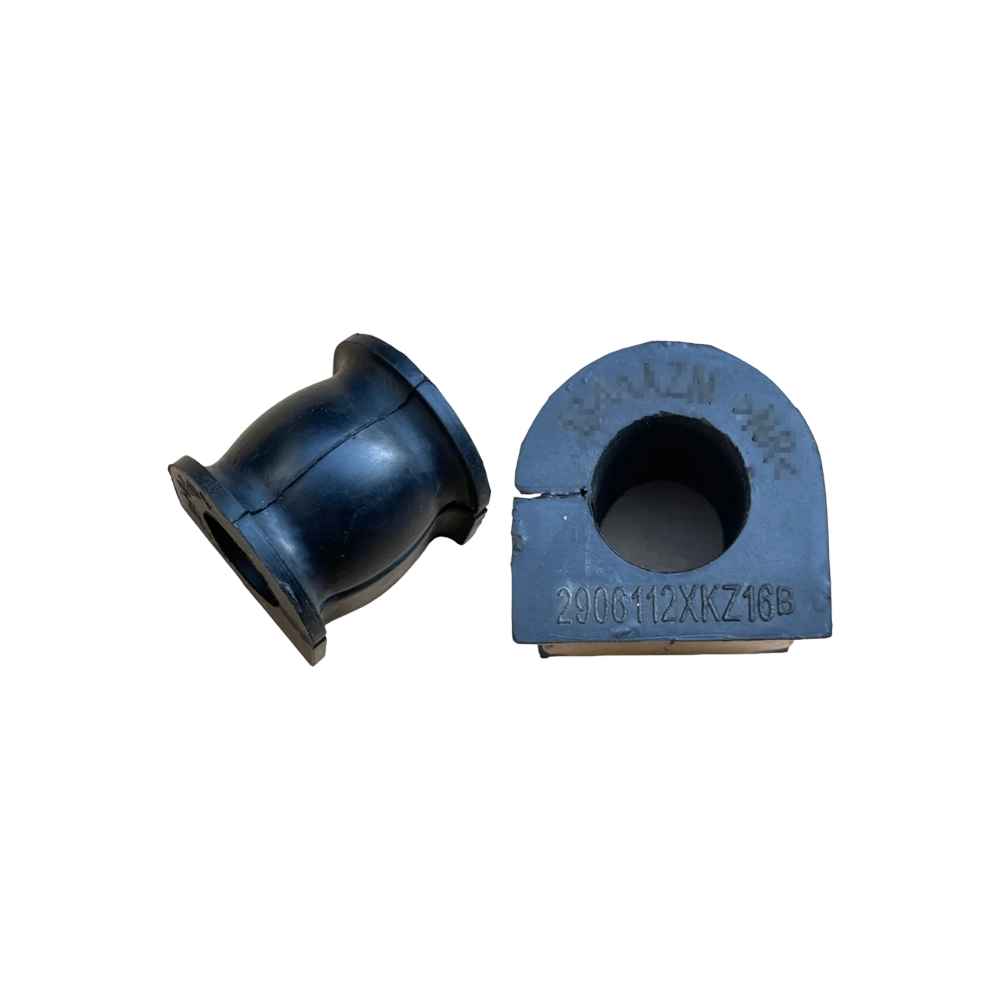
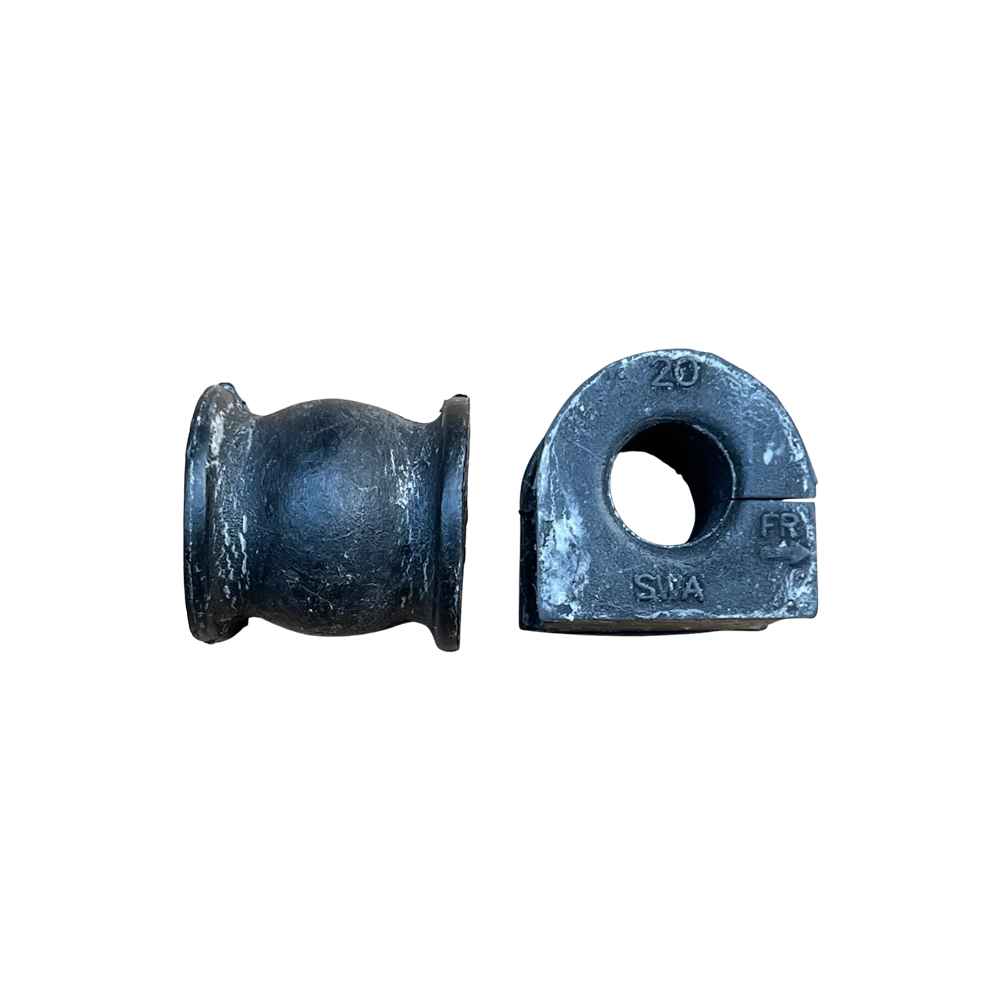
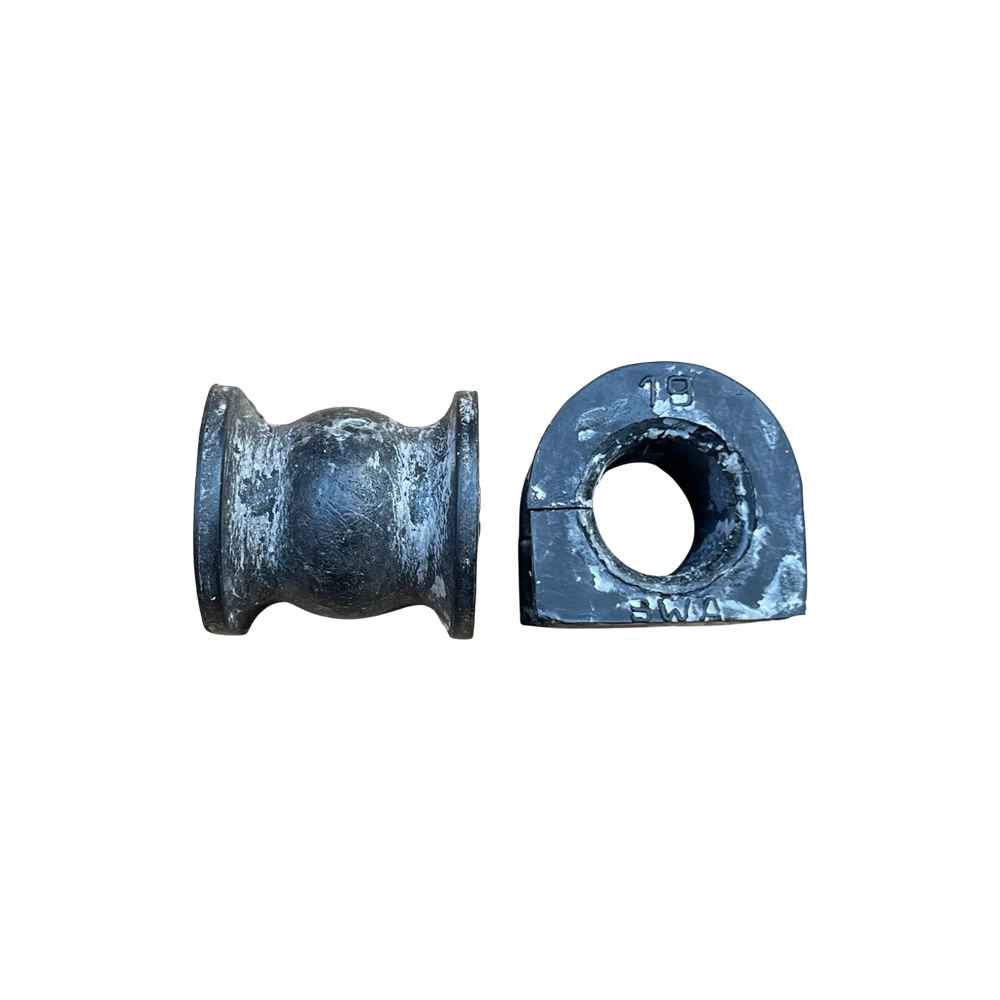
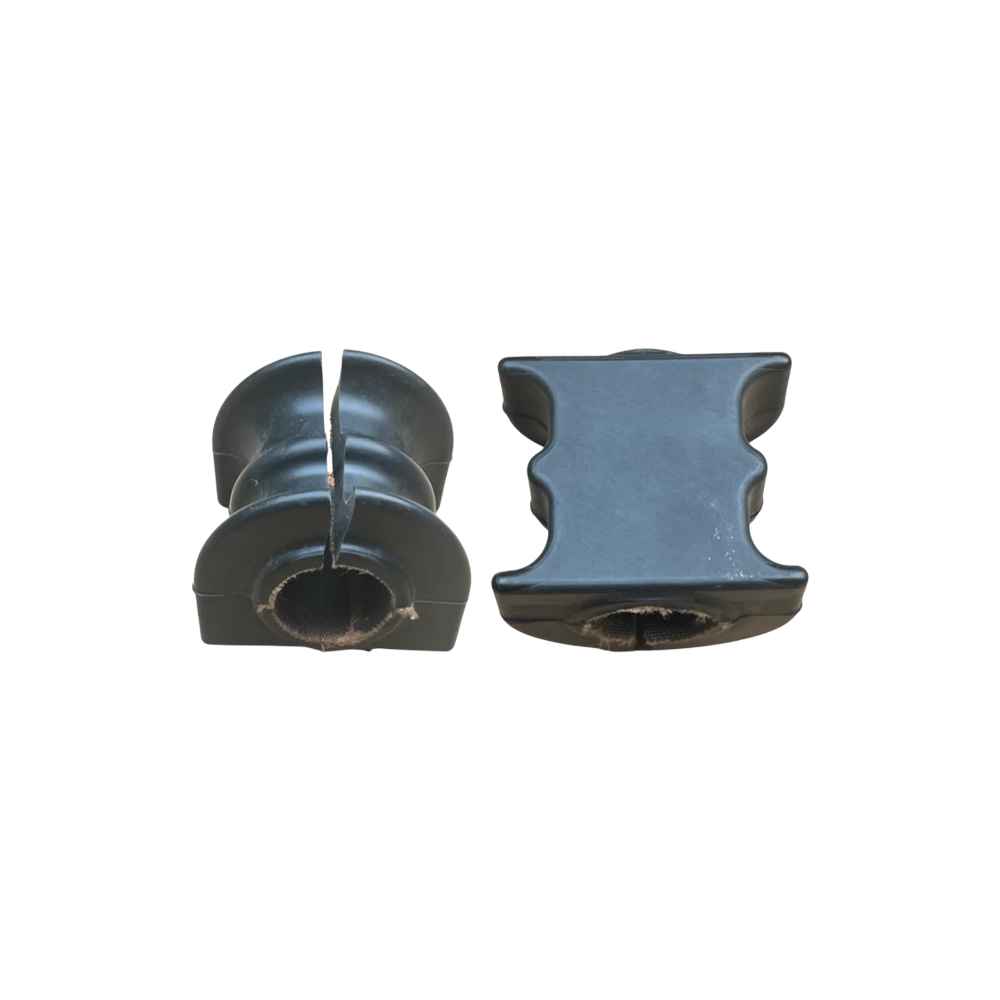
In automotive contexts, O-rings often work alongside Shock Absorber Boots and Stabilizer Bar Bushings , contributing to overall system performance. Ensuring compatibility between these components is critical for achieving optimal results.
Final Thoughts on Choosing Custom Rubber O-Rings
Opting for the best custom rubber O-ring involves careful consideration of material, design, environmental factors, and cost-efficiency. While brands like Guanghua offer reliable options, assessing the specific needs of your application will ultimately lead you to make an informed decision. Always weigh the trade-offs between upfront costs and long-term benefits, ensuring that your choice contributes to the sustainable performance of your systems.