Understanding CV Joint Boots
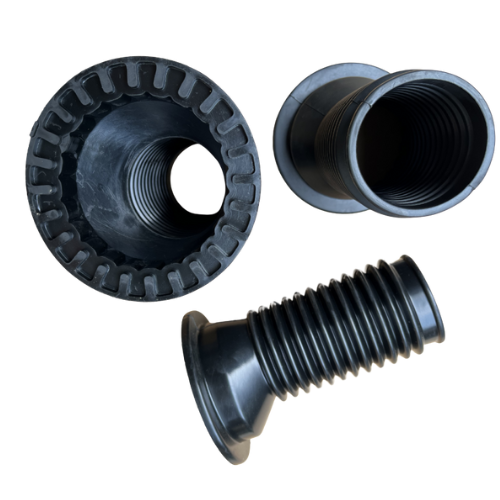
When it comes to vehicle driveline and axle repair, one component that often gets overlooked is the CV joint boot. These rubber pieces are crucial for protecting the CV joint from dirt, debris, and moisture. Why does this matter? Well, over time, a compromised boot can lead to more serious issues, potentially costing you big bucks in repairs.
Types of CV Joint Boots
- Outer CV Boot: This type is typically found on the outer side of the axle, connecting to the wheel hub. It's particularly susceptible to damage from road debris.
- Inner CV Boot: Located closer to the transmission, this boot helps keep lubricants contained, preventing leaks.
- Split vs. Non-Split Boots: Split boots can be installed without removing the axle, which can save you time and labor costs during repairs.
Choosing the Best CV Joint Boot
Picking the right CV joint boot isn't just about brand; it's also about material quality and design. Some materials hold up better under extreme conditions. For example, high-quality rubber is often more durable than cheaper alternatives. Brands like Guanghua offer options that have been tested for longevity and performance.
Cost-Efficiency Considerations
Ah, the age-old question: how do I save money while still getting quality parts? It’s essential to consider both initial cost and long-term value. A cheaper boot might save you a few bucks upfront but could lead to premature failure, resulting in further expenses later. That leads us to the importance of warranties—look for warranties that back the product for a reasonable period.
Common Issues with CV Joint Boots
It's always good to know what to look out for. Cracks or tears in the CV joint boot can lead to grease leakage, which ultimately spells trouble for the joint itself. Don't ignore any clicking sounds when turning; that might indicate your CV joints are wearing down due to a failed boot.
Installation Tips
So you've chosen your boot, now what? Proper installation is vital to ensure longevity. Make sure to clean all surfaces thoroughly before applying the new boot. Also, don’t forget to use the correct clamps—they keep everything sealed tight. A little tip: if you're using a split boot, ensure the adhesive sets well according to the instructions.
Comparing Brand Options
In the market today, there are numerous brands out there. Some folks swear by OEM (Original Equipment Manufacturer) parts, while others lean towards aftermarket options. While both types can work, it’s worth doing your homework on which brand offers the best CV joint boots suited for your vehicle's needs. As mentioned, Guanghua has been gaining attention for its balance of cost and durability.
DIY vs. Professional Installation
Now comes a crucial decision: should you tackle this yourself or go to a professional? If you're somewhat handy and have the right tools, installing a CV joint boot can be a DIY project. But, if you’re unsure, it may be wise to let a pro handle it. They’ll often notice underlying issues that you might miss, like worn-out O-Rings & Rubber Sealing Rings or Steering Rack Boots.
Maintenance Tips
Once you've got those boots installed, maintenance is key! Regularly check for signs of wear, such as discoloration or cracks. Keeping an eye on your vehicle's overall health can save you from unexpected breakdowns. Additionally, ensuring proper lubrication within the CV joints will extend their life significantly.
Final Thoughts
Ultimately, choosing the best CV joint boot boils down to understanding your vehicle's specific requirements. By weighing the cost against the potential risks of neglecting this tiny yet significant part, you can make a more informed decision. Remember, investing in quality now can pay off down the road!