Understanding Engine Gaskets in Automotive Hydraulic Systems
Engine gaskets play a critical role in ensuring the integrity and functionality of automotive hydraulic systems. They serve as vital seals that prevent fluid leaks, maintain pressure, and protect components from contaminants. When considering which engine gasket is optimal for hydraulic applications, several factors such as material properties, compatibility, and cost-efficiency need to be evaluated.
Types of Engine Gaskets
Several types of engine gaskets can be utilized in automotive hydraulic systems, each with its distinctive advantages:
- Metal Gaskets: Known for their durability and ability to withstand high pressures, metal gaskets are often used in critical areas of an engine where heat resistance is essential.
- Composite Gaskets: These gaskets combine different materials, offering excellent sealing capabilities while being lightweight. Their use in hydraulic systems is prevalent due to their flexibility and adaptability.
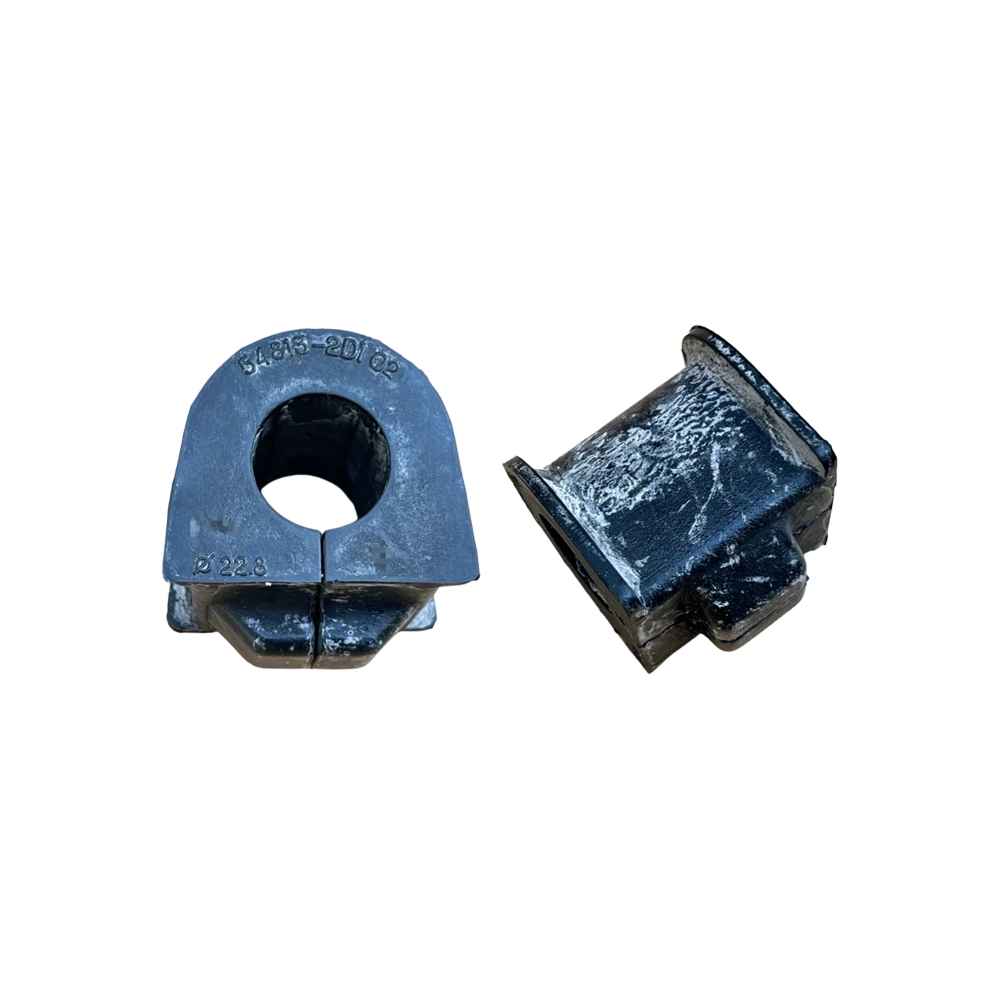
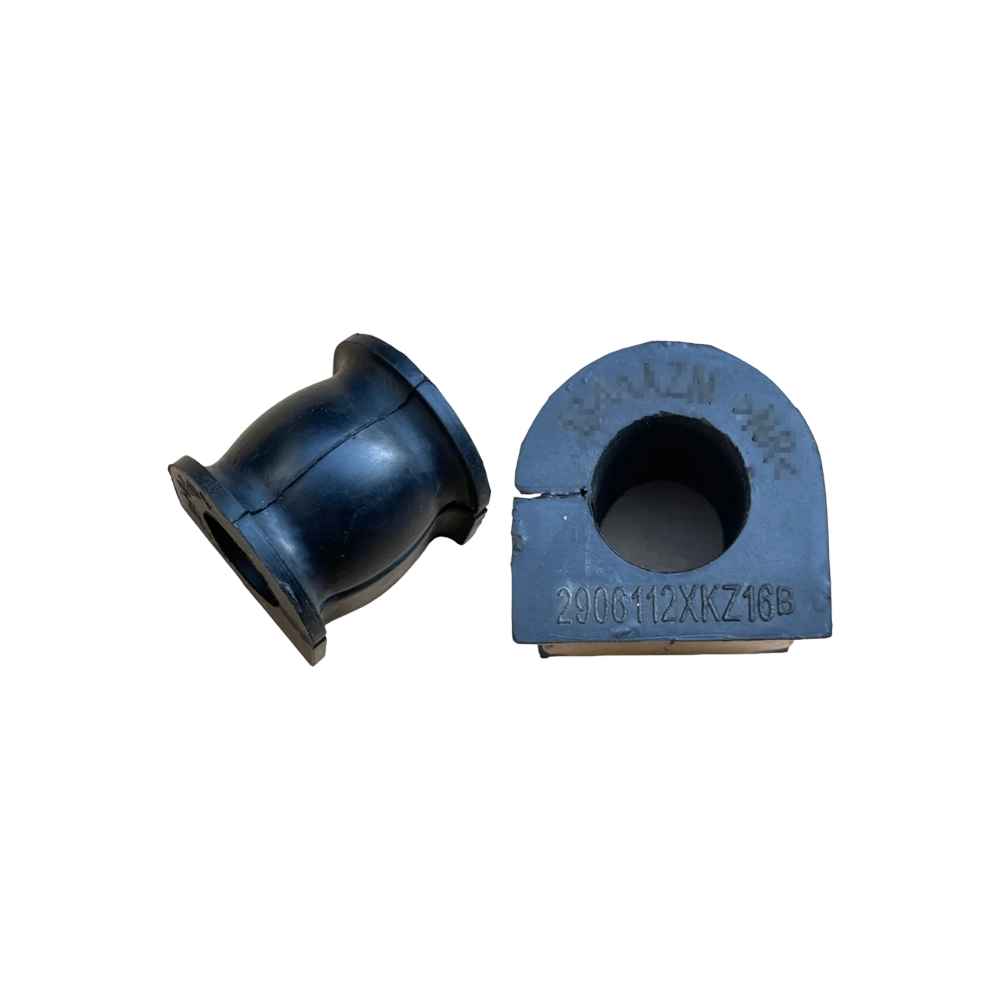
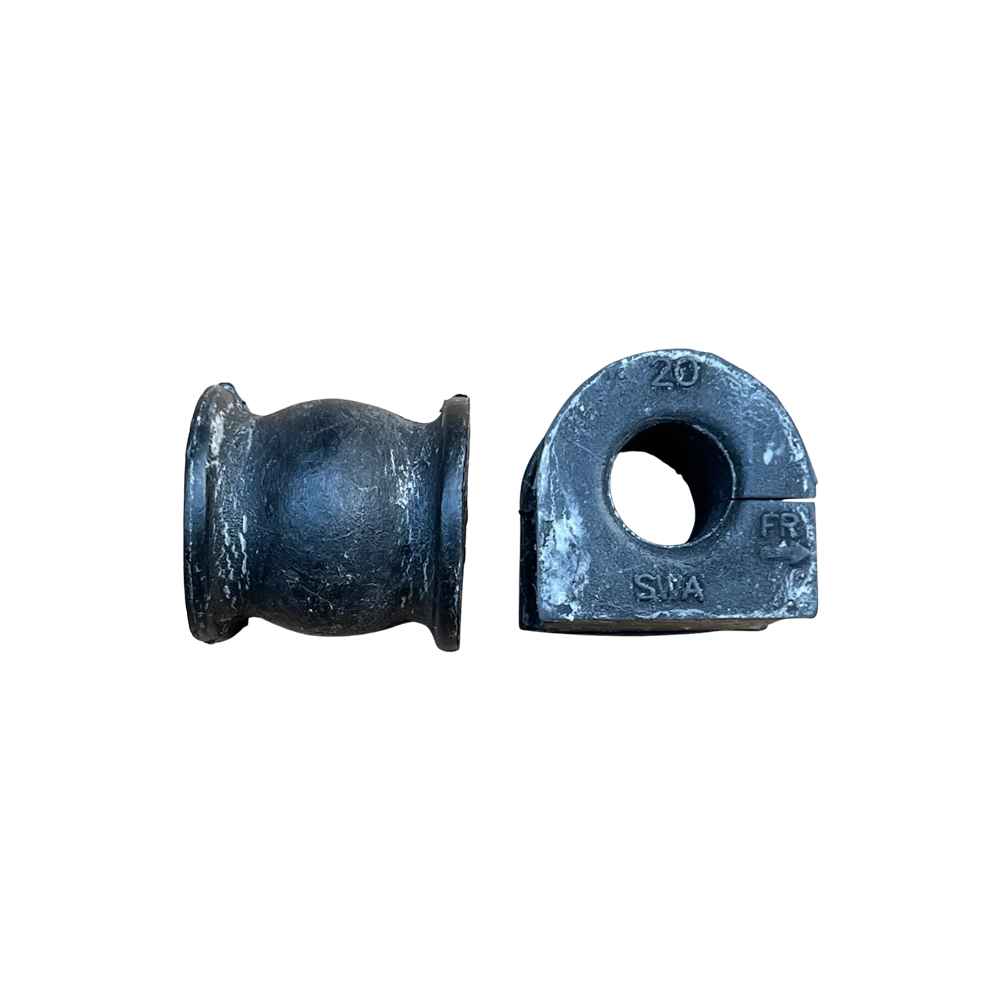
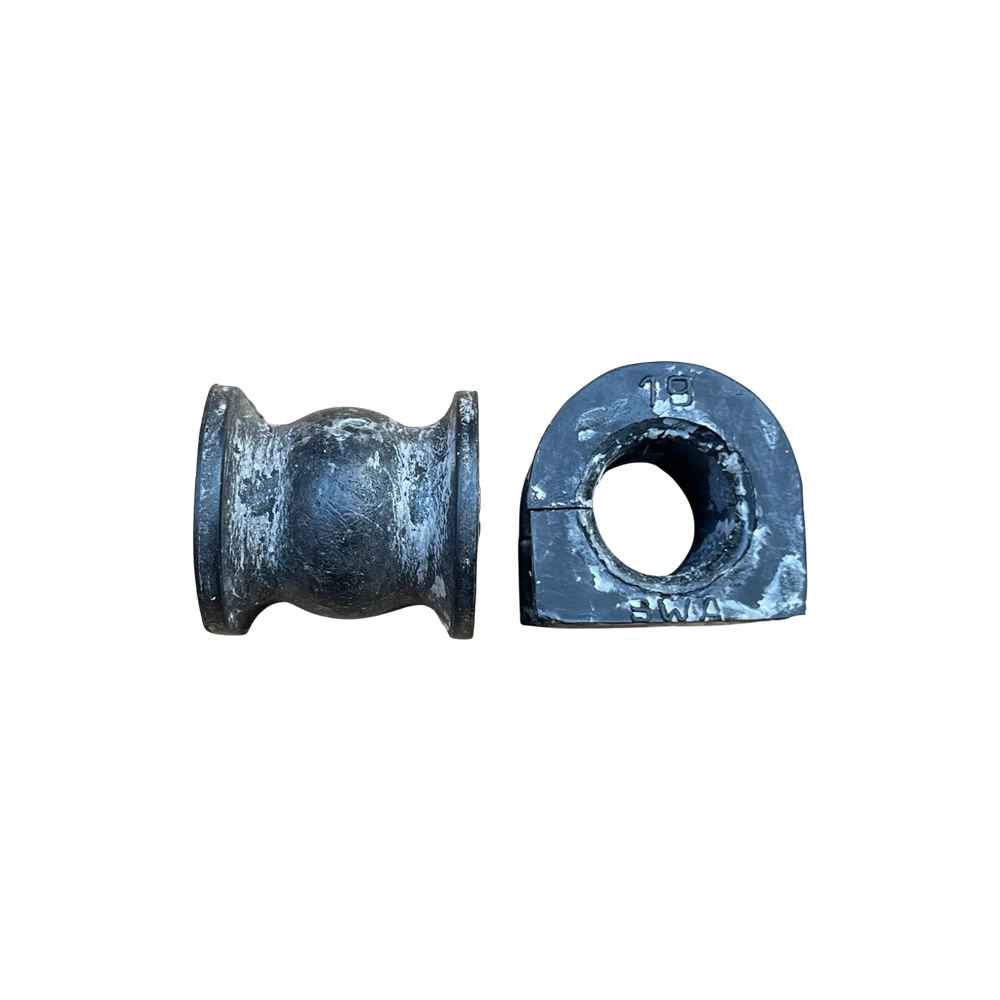
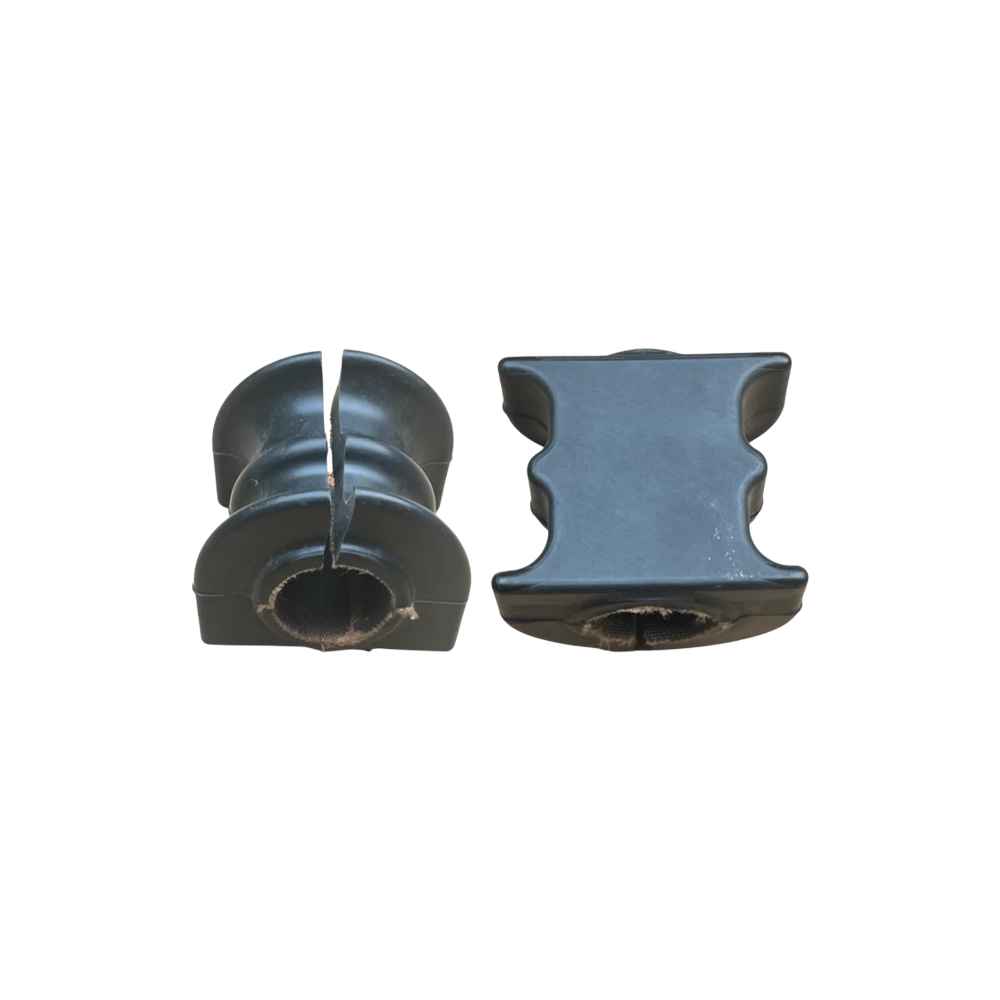
- Rubber Gaskets: Typically made from elastomers, rubber gaskets such as O-Rings & Rubber Sealing Rings provide excellent sealing properties in low-pressure applications. They are often employed in areas that require frequent disassembly.
Material Considerations for Cost-Efficiency
When evaluating the cost-efficiency of various gaskets, it's crucial to consider the material used. For instance, products like those manufactured by Guanghua offer a balance between performance and affordability. Choosing a gasket made from a high-quality composite or rubber can significantly reduce maintenance costs in the long run.
Performance Characteristics
The performance of engine gaskets is primarily determined by their ability to withstand temperature fluctuations and corrosive environments. Metal gaskets excel in high-temperature scenarios, whereas rubber gaskets may become less effective if exposed to extreme conditions. Thus, understanding the operating environment of the hydraulic system is fundamental when selecting the appropriate gasket type.
Compatibility with Fluids
An equally important aspect to consider is the compatibility of the gasket material with the fluids it will encounter. Hydraulic systems are prone to exposure to various oils and solvents; therefore, choosing a gasket that does not degrade upon contact is essential for maintaining operational efficiency.
Application in Automotive Hydraulic Systems
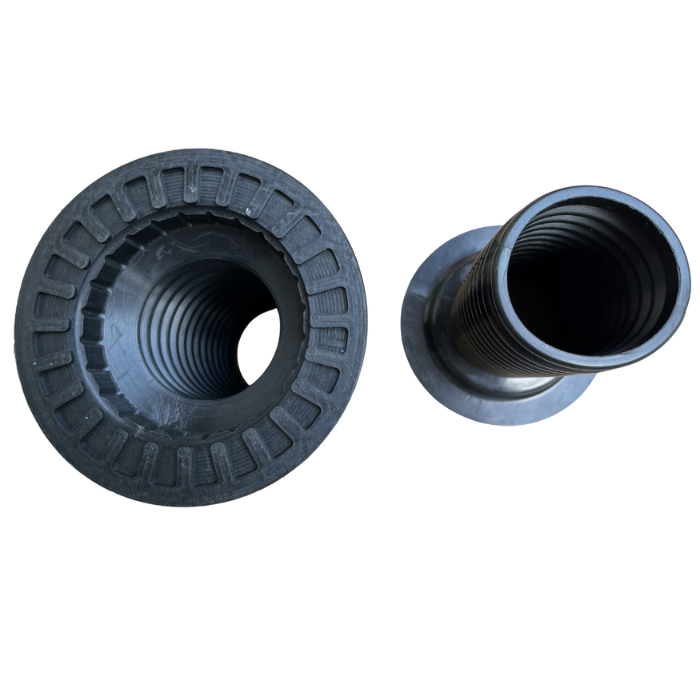
In automotive hydraulic systems, specific gaskets such as valve cover gaskets and Steering Rack Boots play pivotal roles. Valve cover gaskets create a seal between the cylinder head and the valve cover, preventing oil leaks that can lead to significant engine damage. On the other hand, Steering Rack Boots protect the inner workings of the steering mechanism from dirt and moisture, ensuring smooth operation.
Long-term Reliability and Maintenance Costs
The selection of engine gaskets also impacts long-term reliability. Investing in higher-quality gaskets may incur a slightly higher initial cost but often translates to reduced maintenance and replacement frequency. This ultimately leads to a more cost-effective solution over time.
Environmental Impact and Sustainability
With an increasing focus on sustainability within the automotive industry, the environmental impact of gasket materials is becoming a focal point. Biodegradable materials and recyclable options are now available, promoting environmentally friendly practices while maintaining performance standards.
Conclusion on Selecting the Best Gasket
Selecting the best gasket for automotive hydraulic systems requires a comprehensive analysis of material characteristics, compatibility, performance, and cost-efficiency. By carefully assessing these factors, one can make an informed decision that not only meets current needs but also ensures longevity and reliability within the system.