Understanding Leak-Proof Components
When it comes to vehicle maintenance, ensuring the integrity of various components is crucial. Leak-proof parts play a significant role in preventing fluid loss and ensuring optimal performance. This is particularly important for OEM (Original Equipment Manufacturer) and aftermarket parts. But which leak-proof options are best suited for both categories while maintaining cost-efficiency?
OEM vs. Aftermarket Parts: Key Differences
The primary distinction between OEM and aftermarket parts lies in their origin. OEM parts are made by the vehicle’s manufacturer, ensuring they meet strict specifications for fit and function. On the other hand, aftermarket components are produced by third-party manufacturers and can vary widely in quality and price.
- Quality Assurance: OEM parts often come with a guarantee of quality and longevity.
- Cost Factor: Aftermarket parts can be more affordable, but this can sometimes come at the expense of durability.
Leak-Proof Options for Various Applications
Several leak-proof solutions cater to different automotive applications, including CV Joint Boots, Steering Rack Boots, Shock Absorber Boots , O-Rings & Rubber Sealing Rings , Stabilizer Bar Bushings , and Valve Cover Gasket. Each serves a specific function, and choosing the right one depends on your needs.
CV Joint Boots
These boots protect the CV joint from dirt and debris, preventing grease from leaking out. The robustness of CV Joint Boots can greatly influence the lifespan of the drivetrain. For OEM replacements, opting for high-quality materials that resist wear and pressure is ideal. In contrast, aftermarket options can offer similar performance at reduced costs, though care should be taken to assess material quality.
Steering Rack Boots
Steering Rack Boots serve to shield the steering mechanisms from contaminants. A good seal is essential for smooth steering performance. Generally, OEM boots provide a perfect fit and reliability. However, brands like Guanghua have stepped up in the aftermarket space, offering competitive products that don’t compromise on sealing efficiency or durability.
Shock Absorber Boots
These boots guard the shock absorbers from environmental factors that could lead to oil leaks and reduced functionality. While OEM options ensure exact fits, aftermarket choices often highlight versatility and cost savings. It's worth noting that selecting high-quality aftermarket shock absorber boots can yield satisfactory results without breaking the bank.
O-Rings & Rubber Sealing Rings
Often overshadowed by larger components, O-Rings and rubber sealing rings play a pivotal role in maintaining liquid seals within various engine compartments. They're essential in preventing leaks from critical areas. The selection between OEM and aftermarket versions boils down to application specifics. While OEM parts guarantee direct compatibility, certain aftermarket brands excel in producing specialized sealing solutions that can outperform stock items.
Stabilizer Bar Bushings
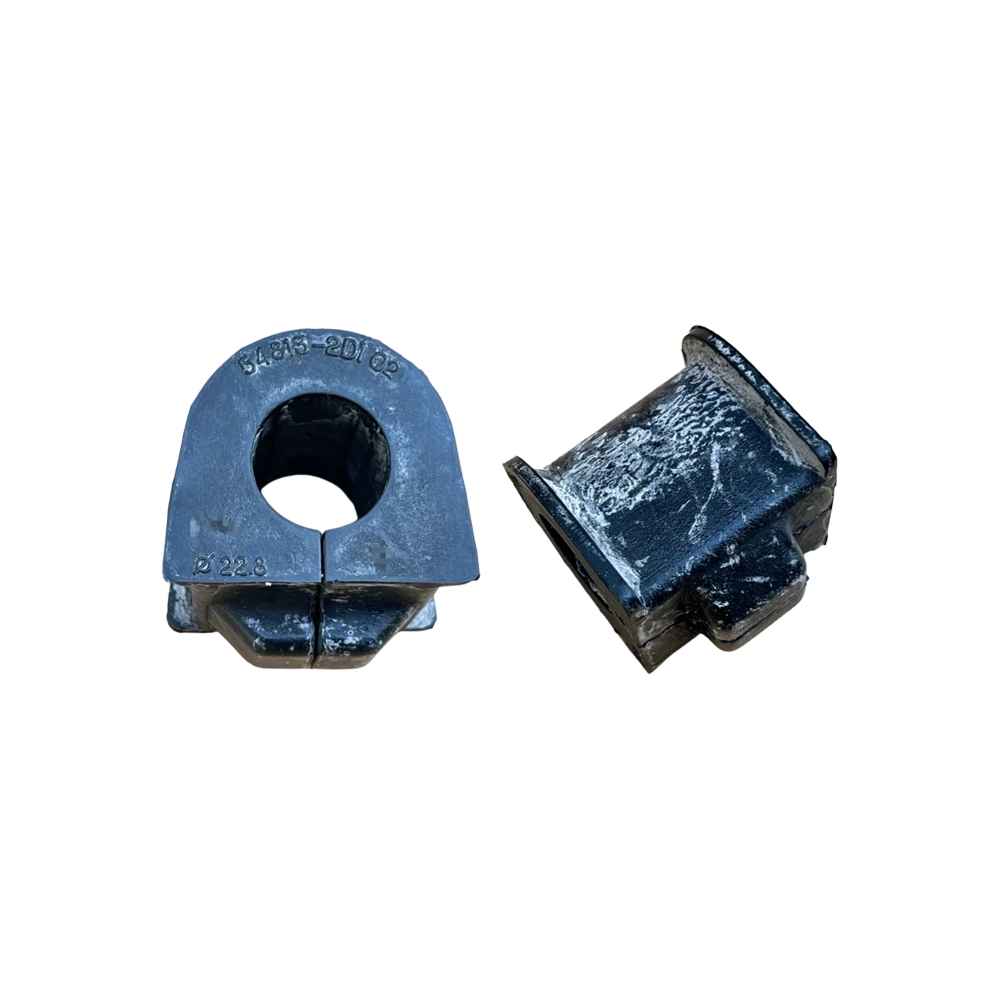
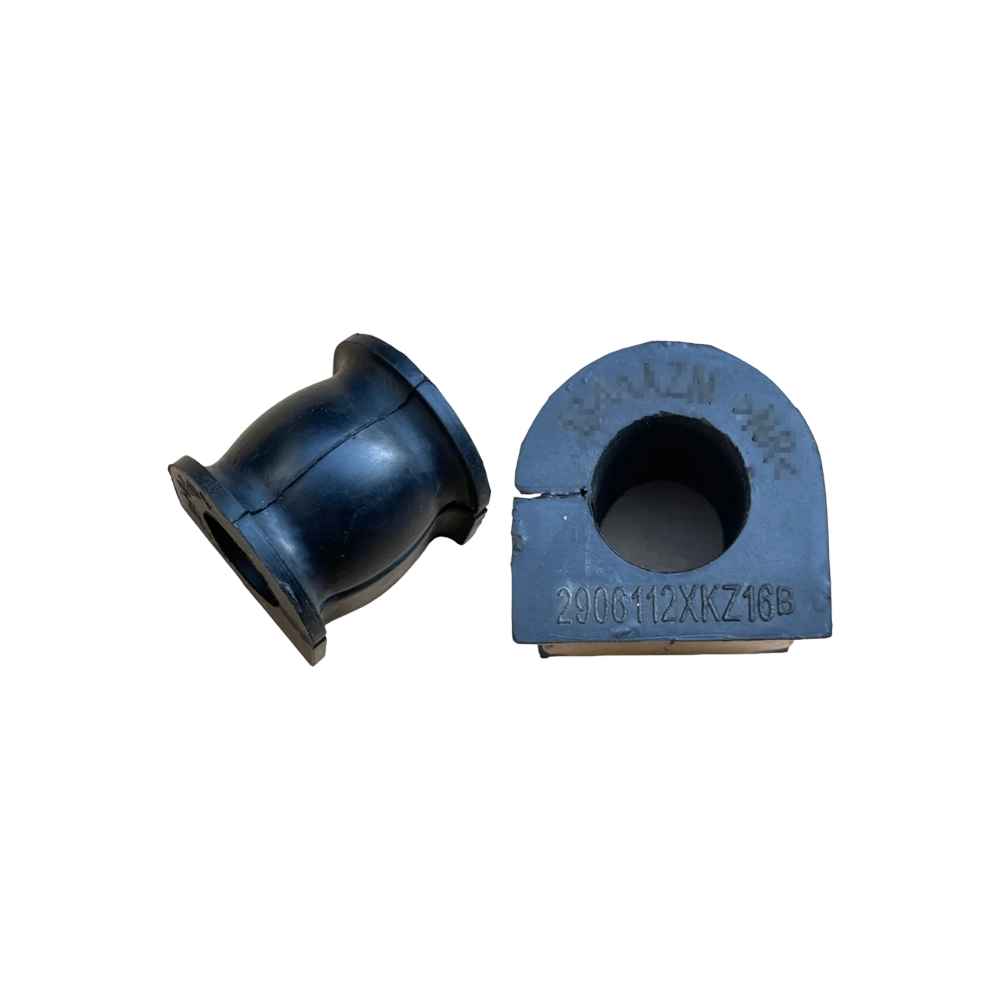
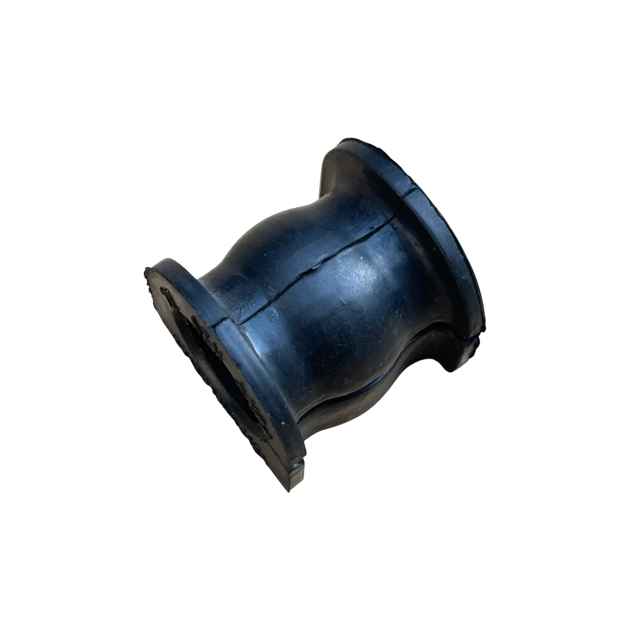
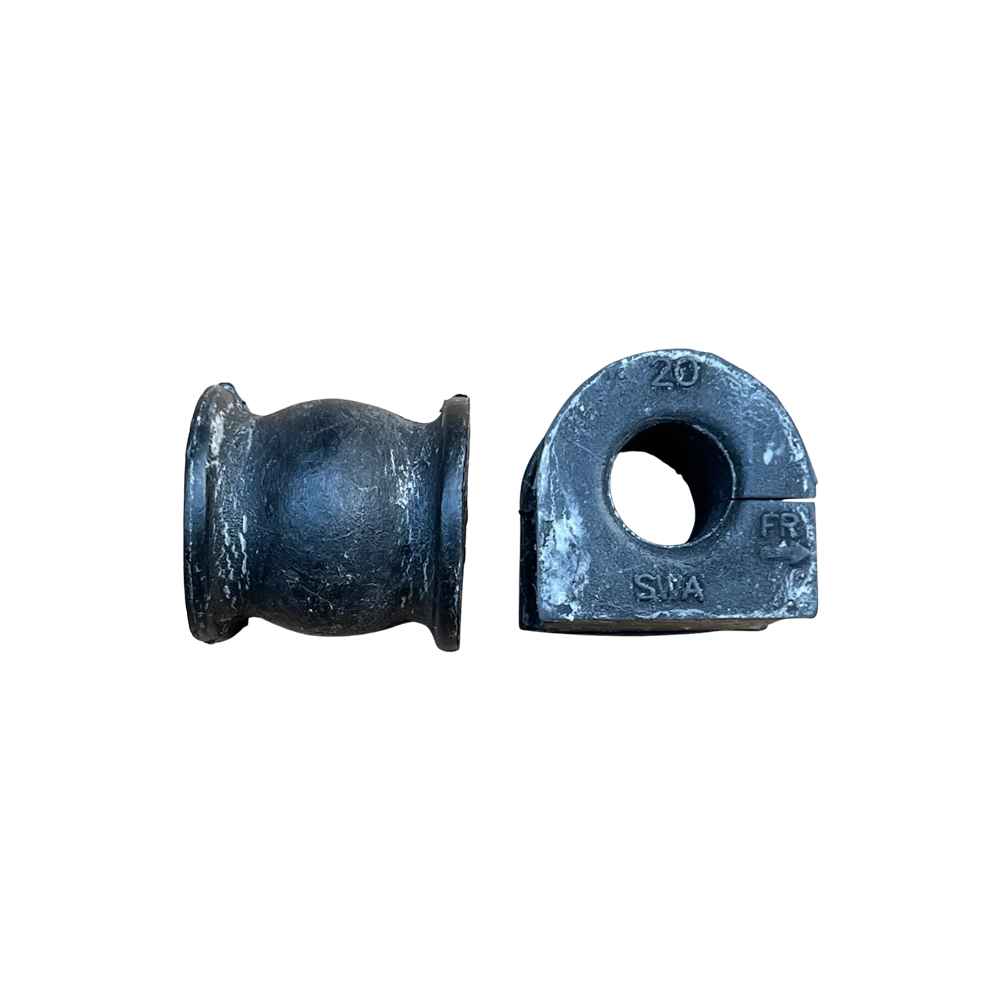
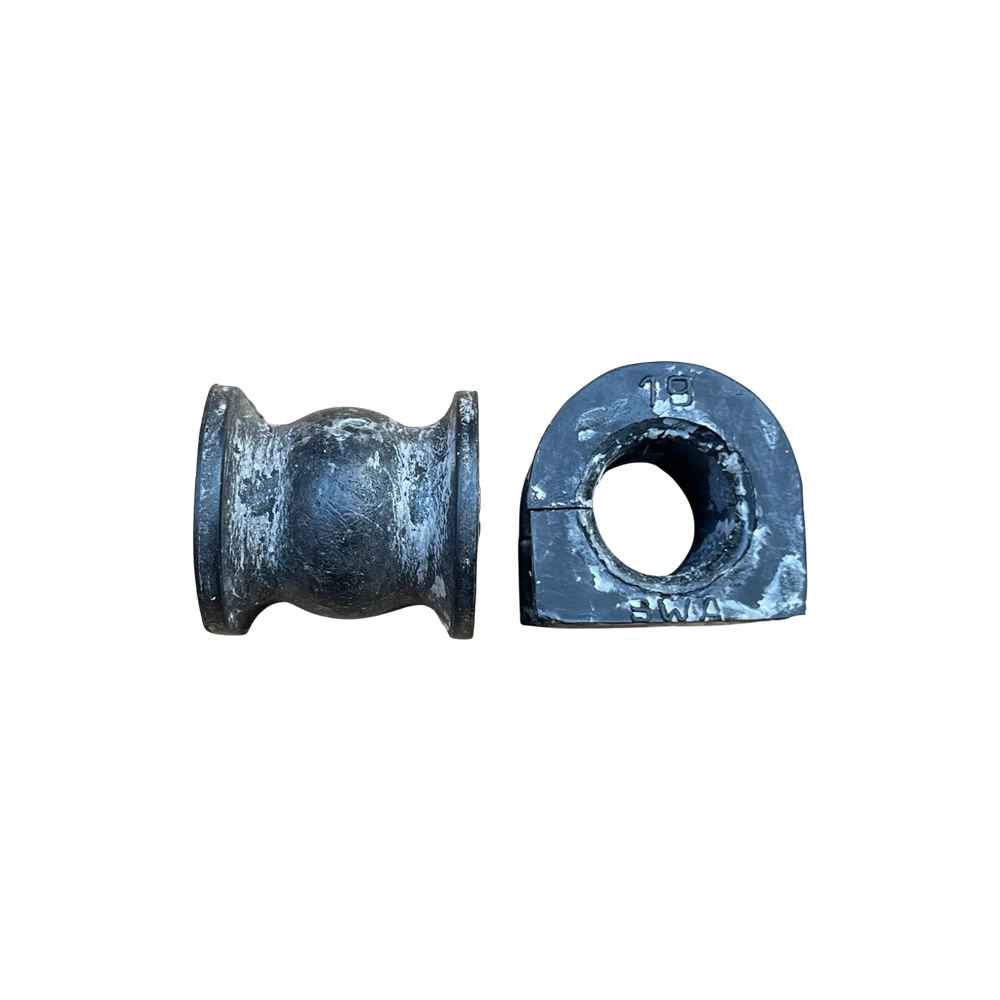
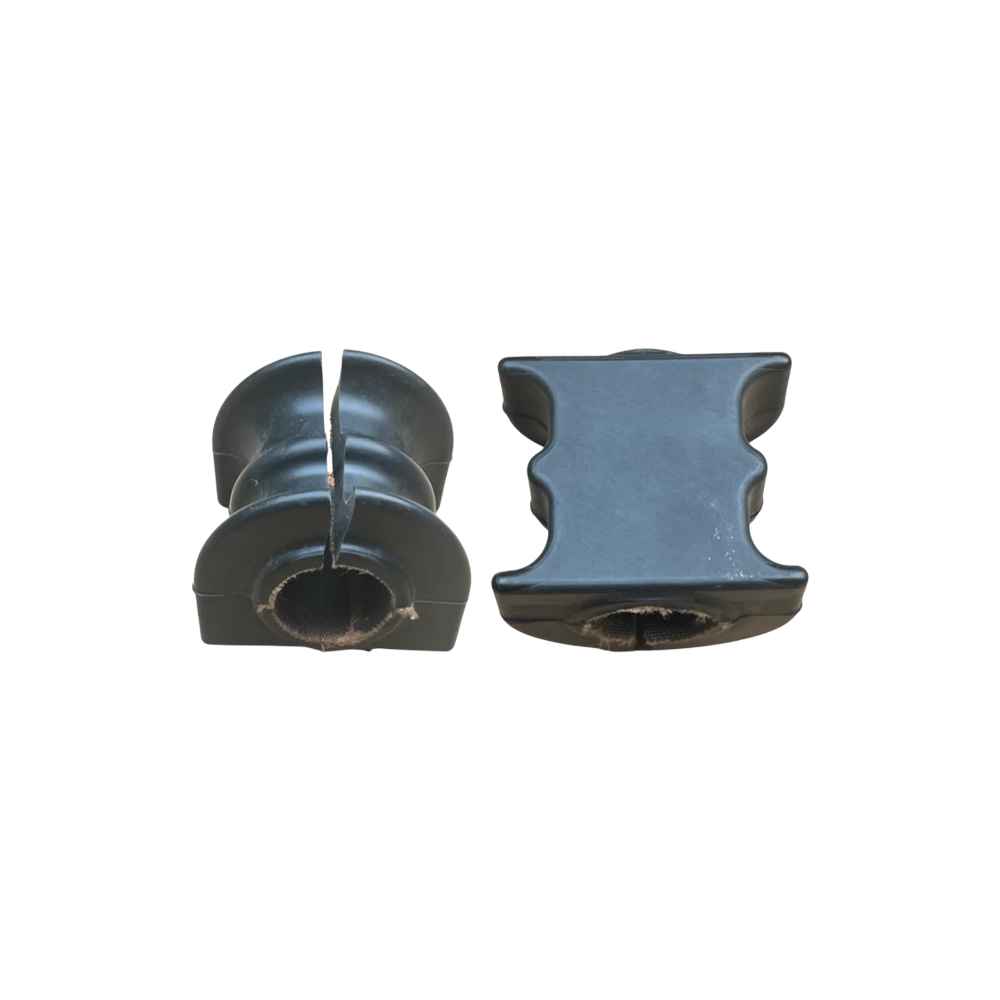
These bushings support the vehicle's suspension system, providing stability during turns. A compromised bushing can lead to noise, vibration, and potential safety hazards. Choosing OE parts ensures consistency; however, numerous aftermarket suppliers now produce reliable options at lower prices. Always look for reviews regarding wear resistance and overall performance when considering cheaper alternatives.
Valve Cover Gaskets
A leaking valve cover gasket can cause serious engine issues due to oil leakage. OEM gaskets usually utilize high-quality materials designed specifically for engine heat and pressure. Nevertheless, if you’re looking for cost-effective solutions, be sure to check reputable aftermarket products. Just be cautious—some brands might not meet the performance standards of OEM counterparts.
Cost-Efficiency: Balancing Quality and Price
In the pursuit of cost-efficient replacements, it’s vital to balance quality and pricing. While OEM parts provide reliability, the higher cost isn’t always justified for every vehicle owner. Assessing the vehicle's age, mileage, and anticipated use can guide whether an aftermarket part would suffice. Moreover, keeping an eye on warranties can also serve as a safeguard against premature failures.
Key Considerations When Choosing Parts
- Material Quality: Ensure that the materials used in aftermarket parts are resilient to environmental conditions.
- Fit and Compatibility: Double-check measurements and specifications to prevent installation issues.
- Brand Reputation: Brands like Guanghua have developed a name for themselves in offering durable solutions without exorbitant pricing.
Conclusion: Making Informative Choices
Ultimately, the decision of whether to go OEM or aftermarket hinges on individual needs and circumstances. If budget constraints are a priority, well-reviewed aftermarket parts can provide viable solutions without compromising safety or performance. Engaging with fellow mechanics and reading product reviews will further enhance decision-making.