
Understanding the Materials: NBR, Viton, and Silicone
When it comes to chassis steering and suspension systems, choosing the right materials is crucial. You’ve got three heavy hitters in the game: Nitrile Butadiene Rubber (NBR), Viton, and silicone. Each has its own quirks that make them suited for different applications.
NBR: The Workhorse of the Automotive Industry
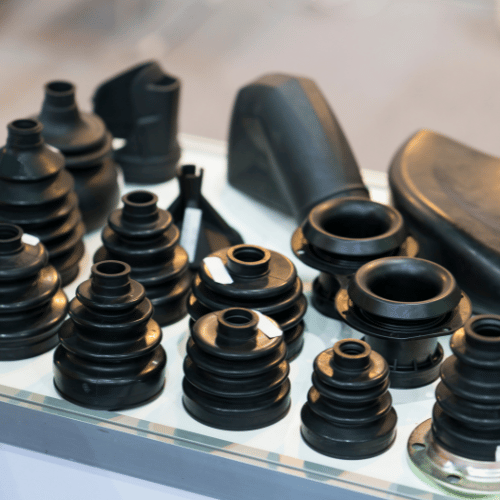
NBR is often regarded as the go-to material for various automotive components. It’s tough, durable, and offers excellent resistance to oils and fuels, making it perfect for places where you might encounter grease and grime—think CV Joint Boots or Steering Rack Boots .
- Pros: Great oil resistance, good abrasion resistance, cost-effective.
- Cons: Limited temperature range; not the best at extreme heat or cold.
Viton: The High-Performance Player
If you’re looking for something that can withstand higher temperatures and aggressive chemicals, Viton is your guy. It’s more expensive than NBR but worth every penny if you need that extra durability. Especially useful in shock absorber boots and O-Rings & Rubber Sealing Rings .
- Pros: Excellent temperature stability, chemical resistance, long lifespan.
- Cons: Higher cost, less flexible compared to NBR.
Silicone: The Versatile Option
Then there's silicone. It’s not as commonly used as NBR or Viton for heavy-duty applications, but it has its place. Silicone operates well under a wide temperature range and is great for applications requiring flexibility, like stabilizer bar bushings.
- Pros: Excellent flexibility, good thermal stability.
- Cons: Poor resistance to oils and fuels.
Cost-Efficiency: Balancing Quality and Budget
Now, let’s talk turkey. When you're budgeting for your project, remember that while NBR is often the most cost-efficient option, sometimes the higher upfront costs of Viton can save you money down the line due to fewer replacements. It's like paying for quality versus quantity, ya know?
Application-Specific Choices
Your choice should depend heavily on what you're working with. For instance, if you’re replacing boots or gaskets in areas exposed to high temperatures and harsh chemicals, Viton is golden. For general-purpose applications, NBR will get the job done without eating through your wallet.
Real-World Examples
Let’s say you’re in the garage, wrestling with your suspension system. If you reach for NBR for those CV joints, you’re likely to be pleased with its performance. On the flip side, if you throw in some Viton for your valve cover gaskets, expect longer-lasting seals that won’t give you grief when you crank up the engine.
Brand Considerations: Guanghua's Offering
Speaking of reliability, I’ve come across some decent products from Guanghua. They offer a range of materials suitable for various applications. While their NBR might be on par with other brands, their Viton options really stand out. Definitely worth checking out if you want reliable supplies.
The Takeaway: Choose Wisely!
In the end, the “best” material for your chassis steering and suspension systems boils down to the specific needs of your vehicle and your budget. NBR, Viton, and silicone each have unique benefits that cater to different scenarios. So, whether it’s cost efficiency, durability, or resistance to elements, assess your needs carefully!
A Quick Recap
- NBR is often best for general use and cost-effectiveness.
- Viton excels in high-performance environments albeit at a higher price.
- Silicone serves well in flexible applications but isn’t the best at handling oils.
So, next time you're looking to make those repairs or upgrades, keep these insights in mind, and your chassis will thank you!







