Understanding Suspension Rubber Parts
Suspension systems are crucial for a vehicle's performance, providing stability and comfort while driving. Among the various components, rubber parts play a vital role in ensuring that these systems function optimally. This article explores which suspension rubber parts are best suited for OEM and aftermarket replacements, taking into account their cost-effectiveness and overall performance.
Key Suspension Rubber Components
There are several critical rubber components in a vehicle's suspension system. Understanding each part can help you make informed decisions when it comes to replacements. Here are some of the key players:
- CV Joint Boots : These protect the constant velocity joint from dirt and debris, prolonging its lifespan.
- Steering Rack Boots : Essential for shielding steering systems from contaminants, they ensure smooth handling.
- Shock Absorber Boots : They guard shock absorbers against wear and tear, helping maintain ride quality.
- O-Rings & Rubber Sealing Rings: Vital for preventing fluid leaks, they are often overlooked but incredibly significant.
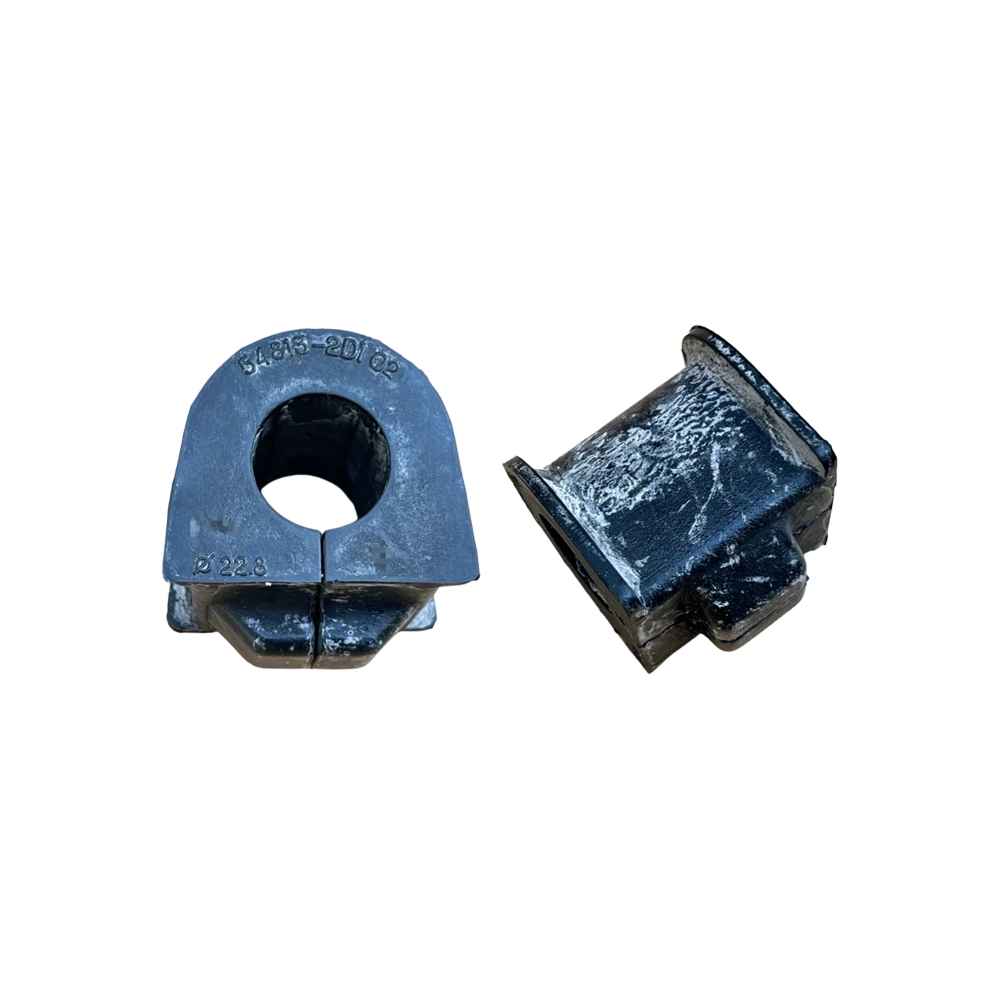
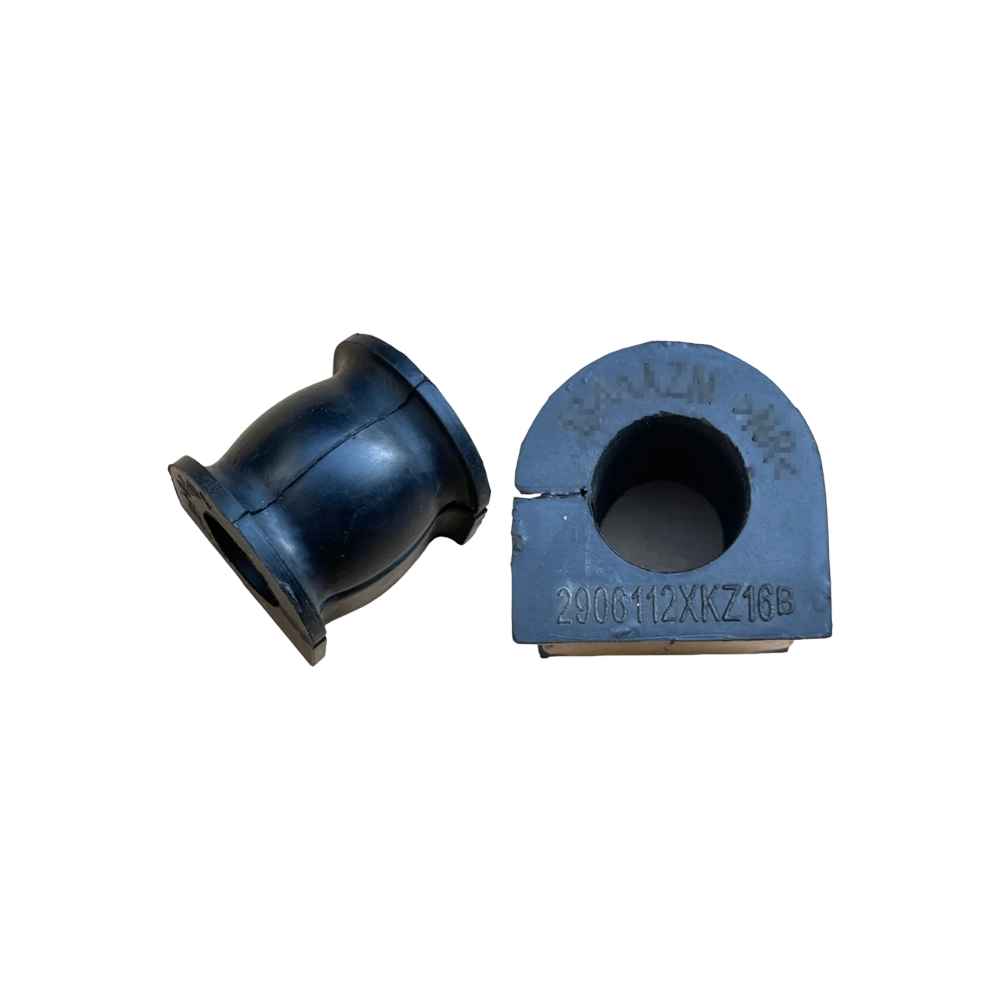
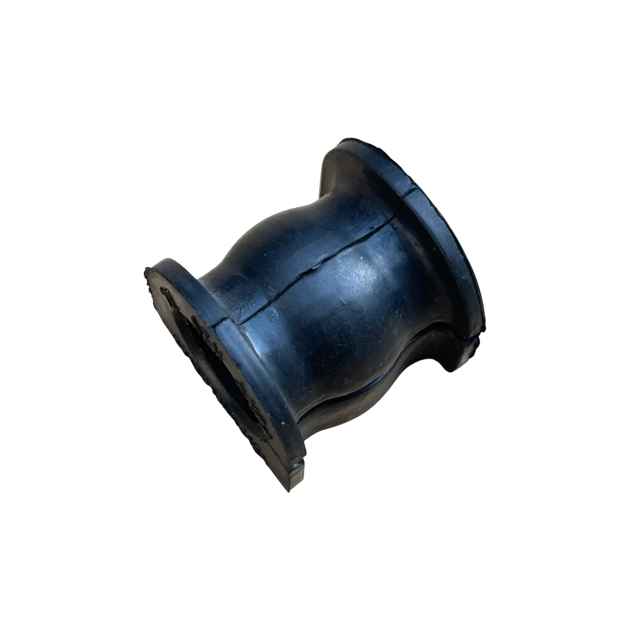
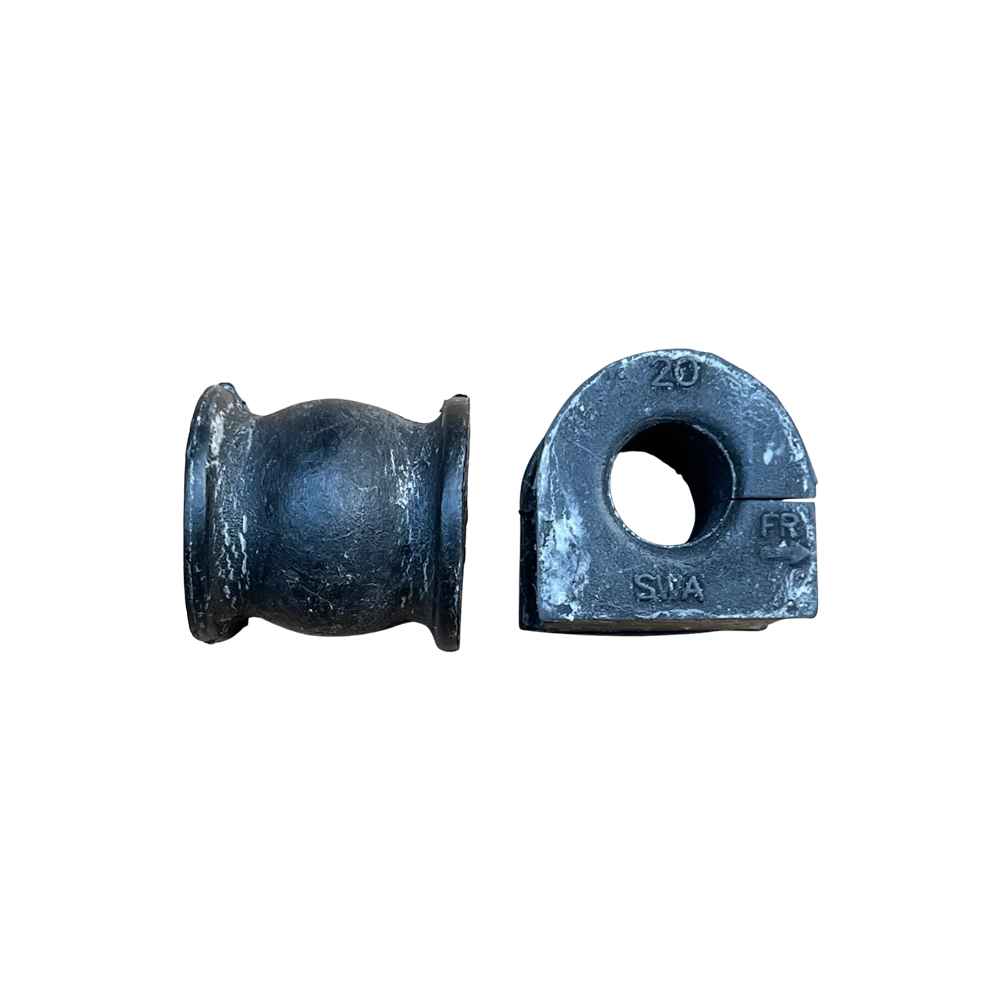
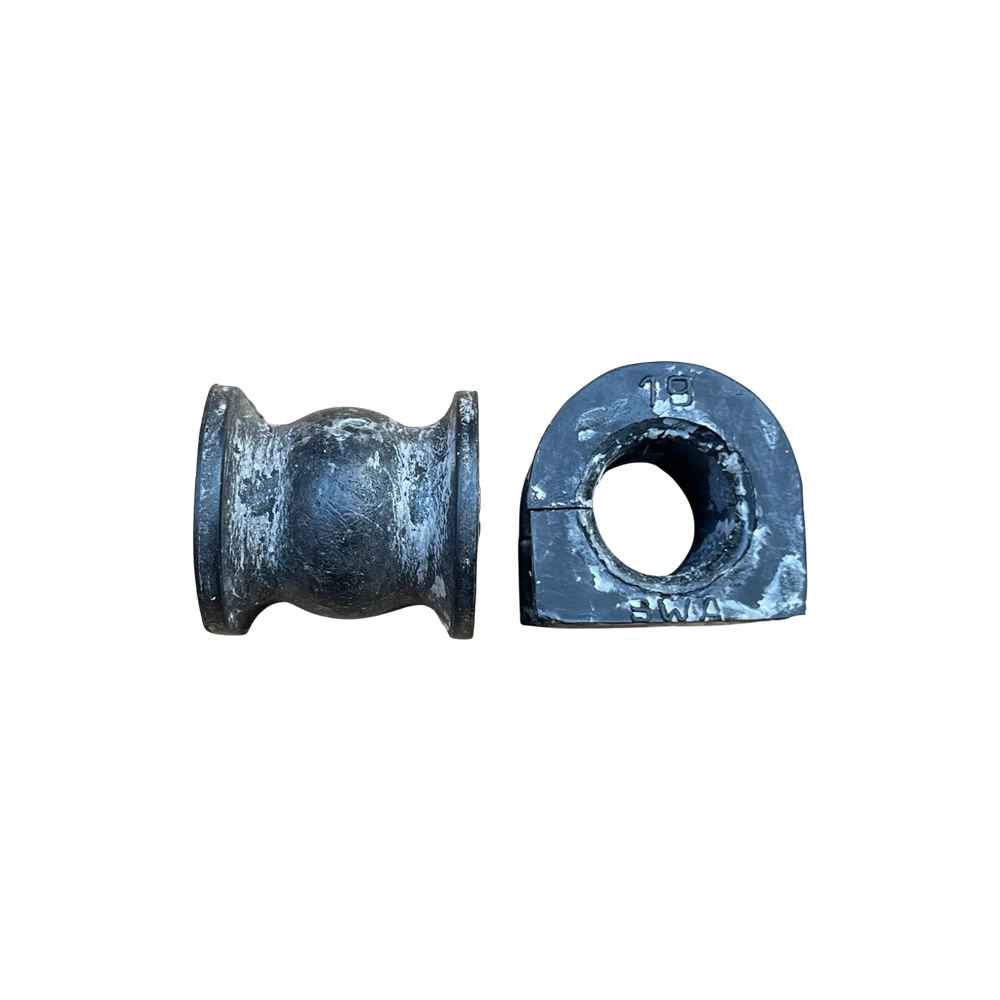
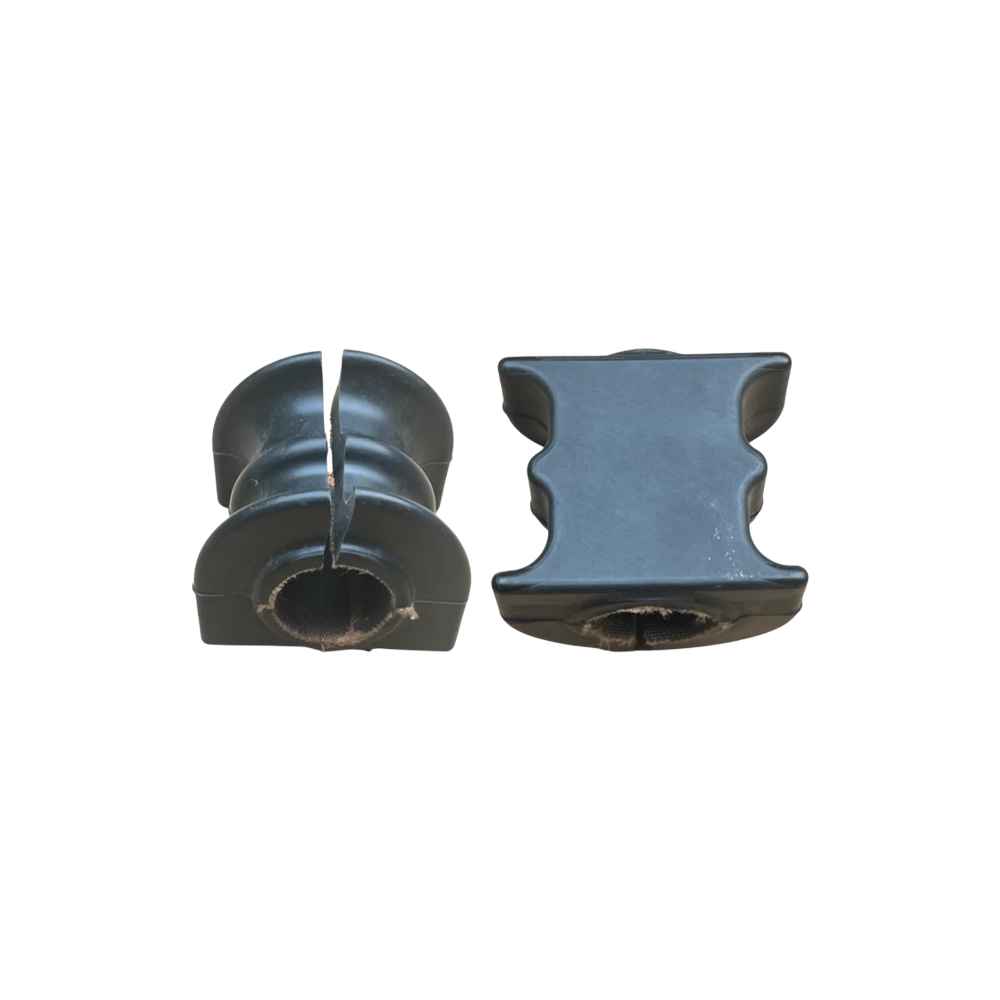
- Stabilizer Bar Bushings: These enhance the vehicle's stability by connecting the stabilizer bar to the chassis.
- Valve Cover Gasket: Although not a part of the suspension per se, it’s crucial in maintaining the integrity of the engine, which indirectly affects suspension performance.
OEM vs Aftermarket: The Cost-Efficiency Debate
When it comes to replacing suspension rubber parts, one of the most pressing questions is whether to opt for OEM (Original Equipment Manufacturer) or aftermarket parts. Each option has its own pros and cons.
OEM Parts
OEM parts are made by the vehicle's manufacturer and are designed to fit perfectly. They tend to be more expensive due to their quality control processes and warranty offerings. For instance, if you're considering CV joint boots from brands like Guanghua, you’re likely investing in a product that meets strict performance standards.
-
Pros:
- Guaranteed fit and compatibility
- High-quality materials
- Warranty coverage
-
Cons:
- Higher price point
- Limited options for customization
Aftermarket Parts
On the other hand, aftermarket parts often come at a lower cost and may provide more variety. However, quality can vary widely among different manufacturers, making it essential to do your research. Some reputable brands offer excellent quality aftermarket parts that rival OEMs, providing good value.
-
Pros:
- More affordable
- Wide range of options available
- Potentially better performance enhancements
-
Cons:
- Inconsistent quality
- Possible fitment issues
Factors to Consider When Choosing Parts
Choosing between OEM and aftermarket parts requires consideration of several factors:

- Budget: Determine how much you are willing to spend. If you're on a tight budget, aftermarket might be the way to go, provided you choose reliable brands.
- Vehicle Usage: For vehicles that undergo heavy usage, such as off-road or racing cars, investing in high-quality OEM parts can be justified.
- Availability: Sometimes, specific OEM parts may have longer lead times, whereas aftermarket options could be readily available.
- Installation: Some aftermarket parts may require modifications during installation, which could affect costs.
Cost-Effective Recommendations
For those looking for a balance between quality and cost-efficiency, consider the following recommendations:
- Look for reputable aftermarket brands that specialize in suspension components. Brands like Guanghua may offer competitive pricing alongside decent quality.
- Prioritize critical components such as shock absorber boots and stabilizer bar bushings; these significantly impact vehicle handling.
- Consider purchasing a complete set of rubber components to save on shipping and installation costs.
The Bottom Line
Ultimately, the choice between OEM and aftermarket suspension rubber parts will depend on individual needs and circumstances. By assessing the factors discussed above, vehicle owners can make an informed decision that maximizes both performance and cost-efficiency. Whether opting for CV joint boots or stabilizer bar bushings, ensure quality remains a priority to keep your suspension system in peak condition.