Understanding Valve Cover Seals
Valve cover seals are often overlooked yet vital components in any vehicle's engine assembly. They ensure that oil stays where it needs to be, preventing leaks and maintaining pressure. But how do you choose the best option for your needs? OEM or aftermarket? Cost-effectiveness aside, what's the real difference?
The Importance of Quality Seals
Did you know that a faulty valve cover seal can lead to significant engine issues? Oil leaks can damage other parts, causing unexpected repairs that could drain your wallet. It’s almost ironic—spending a little now prevents a lot later!
OEM vs. Aftermarket: A Deep Dive
When making your choice, consider the following:
- OEM Parts: These are manufactured by the original equipment manufacturer. They fit perfectly and maintain the integrity of your vehicle's performance.
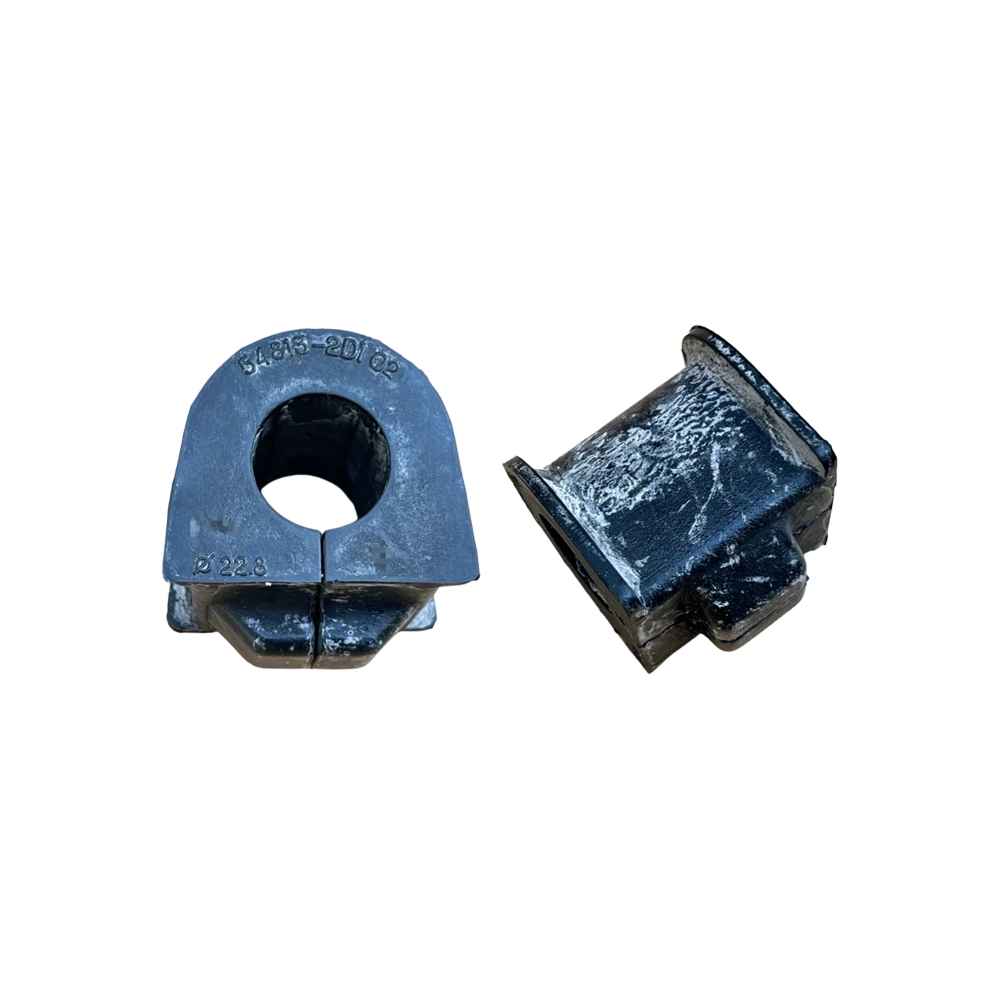
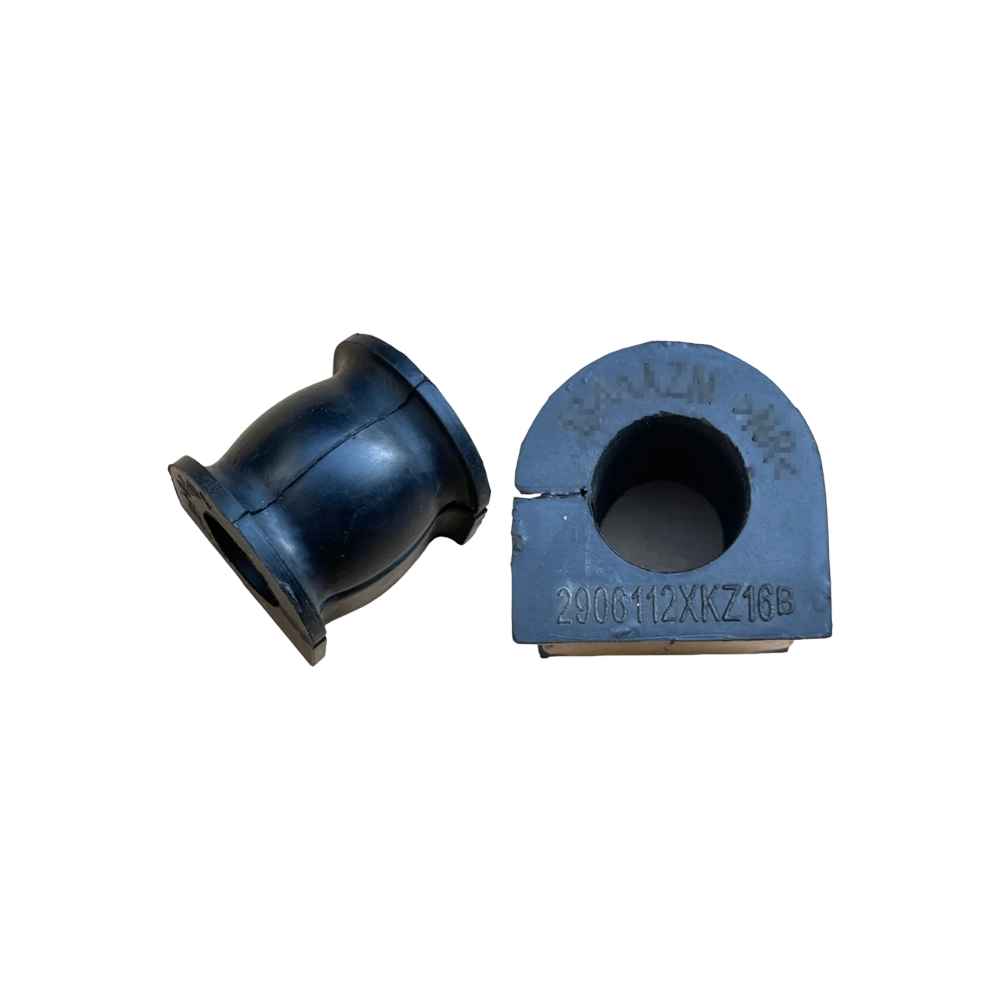
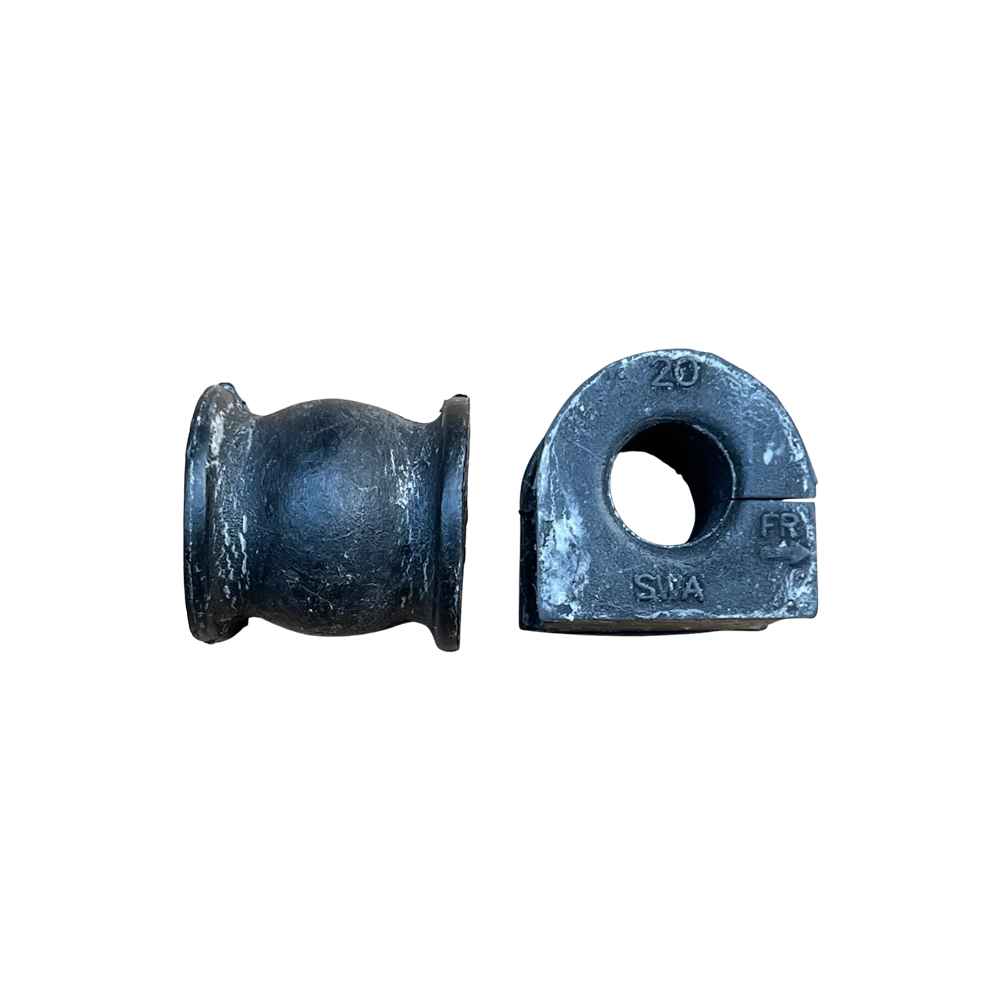
- Aftermarket Parts: Often cheaper and widely available. Some brands like Guanghua offer impressive alternatives that might outperform their OEM counterparts.
Cost-Efficiency Considerations
Let’s look at numbers. A typical OEM Valve Cover Gasket might cost between $30 and $50, while an aftermarket equivalent could range from $15 to $30. However, does lower price correlate with lower quality? Sometimes yes, other times no! For instance, if you chose a high-quality aftermarket product, such as those made with advanced rubber compounds, you might find yourself saving money without sacrificing reliability.
A Case Study: The Impact of Quality on Performance
Last summer, I worked on a 2016 Honda Civic. The owner opted for an aftermarket seal from Guanghua after we discussed potential long-term savings. The original OEM part had been quoted at $45. The Guanghua part? Just $25. With proper installation, this seal held up beautifully for over a year—no leaks whatsoever! It’s situations like these that make you question: is paying more always worth it?
Sealing Solutions: What to Look For
When scouring the market for the best seal, keep an eye out for:
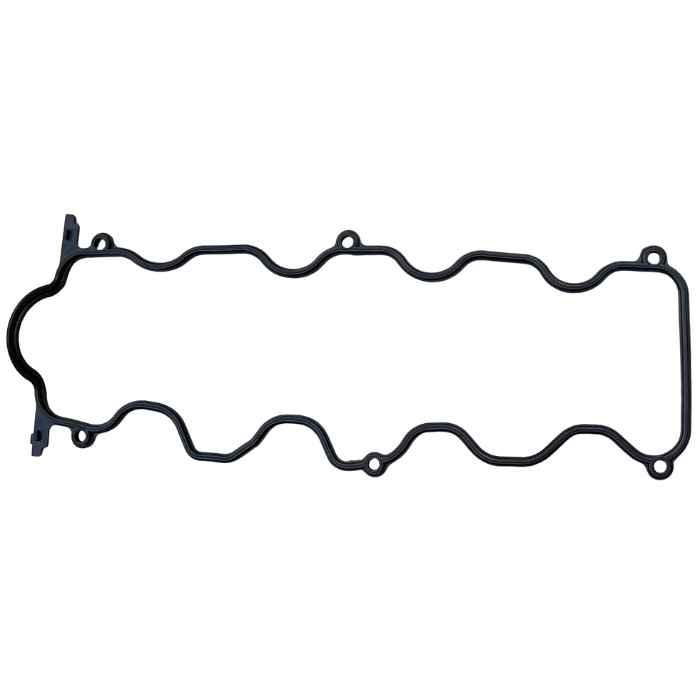
- Material Quality: Choose seals made from high-grade rubber or silicone materials for longevity.
- Compatibility: Ensure the part fits your specific engine model.
- Customer Reviews: Real-world experiences matter. Check ratings from other users.
- Warranty: A solid warranty can testify to the product's reliability.
Real-World Application: Choosing the Right Part
Imagine you're in a bind—your car is leaking oil, and you need a quick fix. You have two choices: run to the dealer or pick up an aftermarket seal from a local shop. How do you decide? Think about your long-term plans for the vehicle. If it's a keeper, invest in OEM. If you plan to sell soon, why not save some cash on a reliable aftermarket option?
The Bottom Line
Choosing between OEM and aftermarket valve cover seals boils down to personal needs, budget, and trust in the manufacturer. Brands like Guanghua have proven themselves in the aftermarket realm, offering products that can rival OEM parts for less. Is it worth taking the plunge into aftermarket waters? Only time—and your experience—will tell.
Final Thoughts
In exploring valve cover seals, remember: it’s not just about finding a cheap replacement. It's about understanding what goes into your vehicle and how it affects overall performance. And sometimes, those seemingly trivial decisions can yield the most significant outcomes.