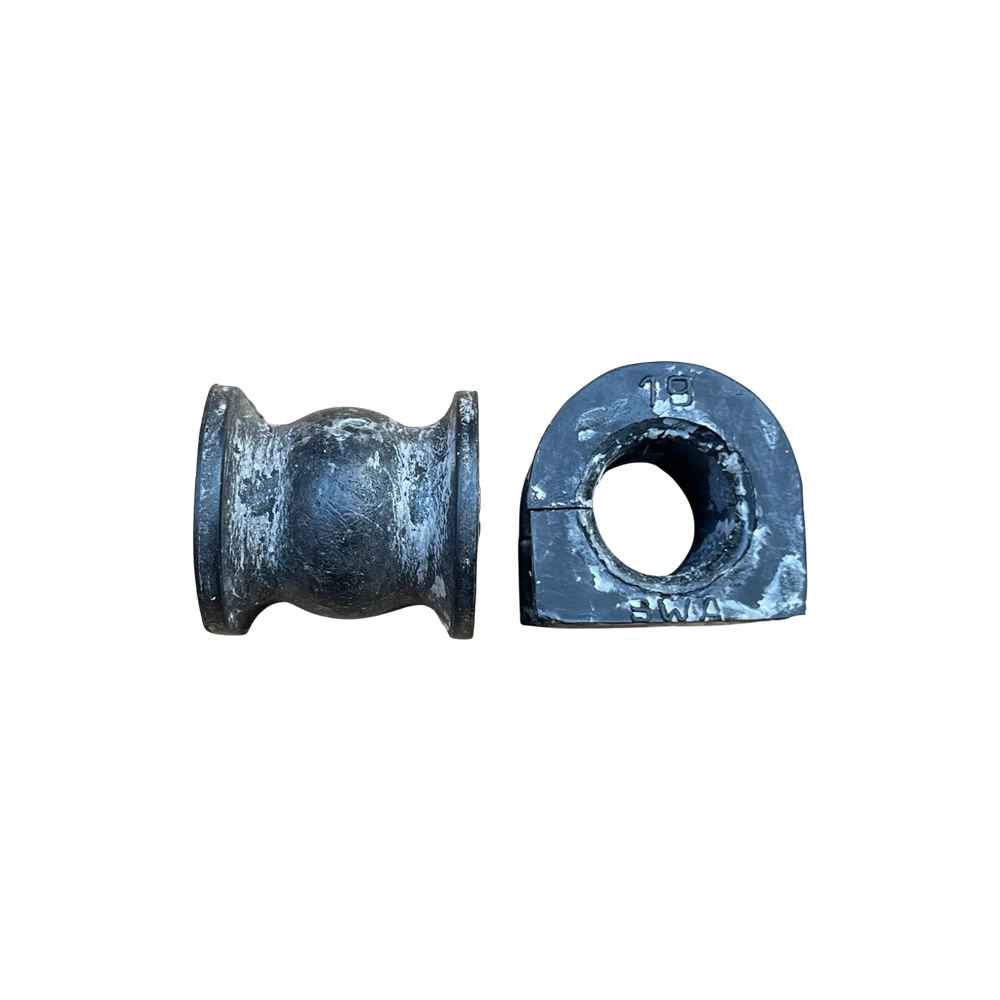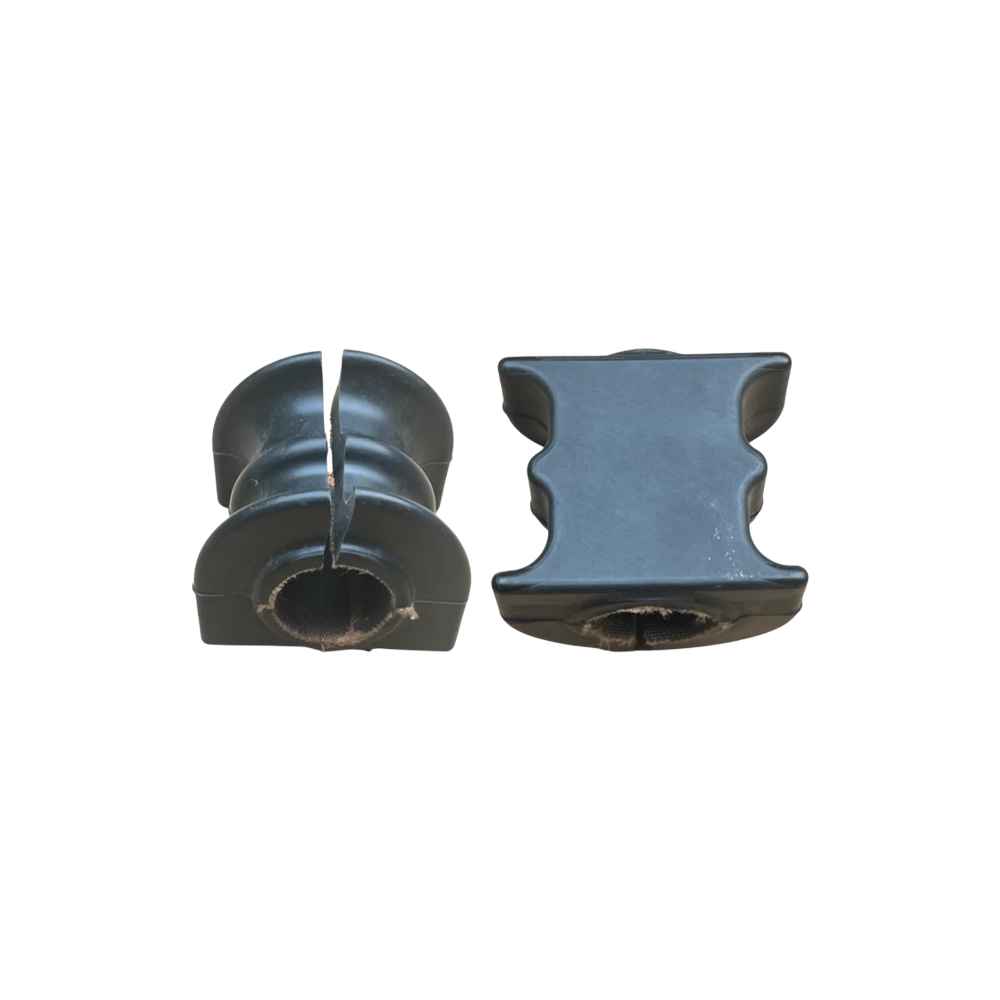
The Importance of Anti-roll Bar Bushings
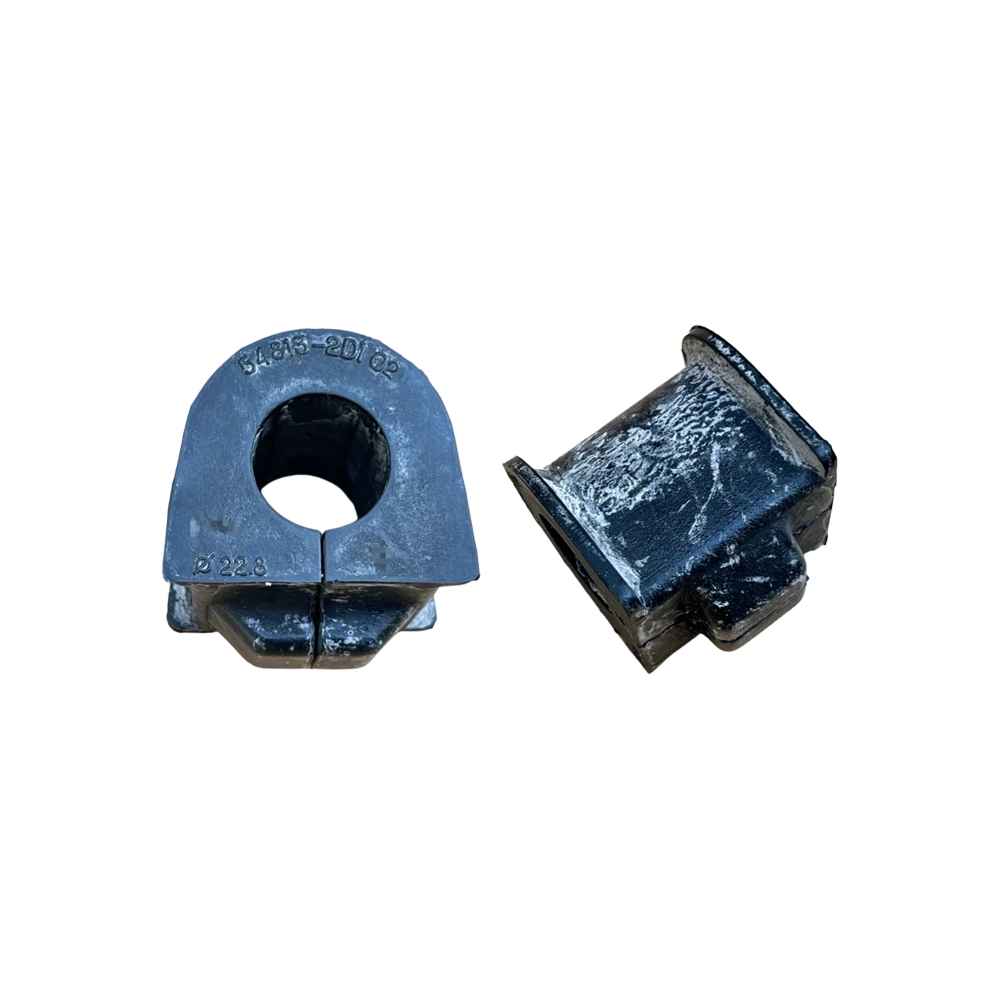
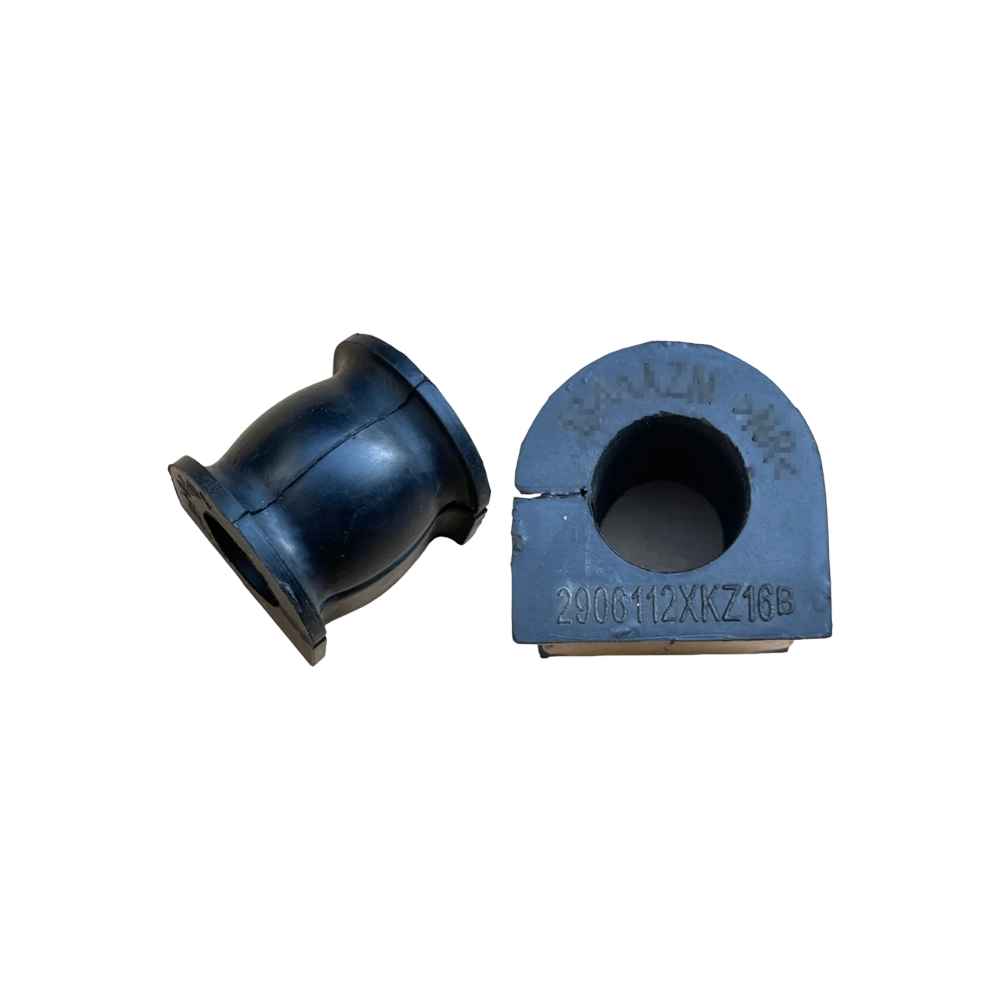
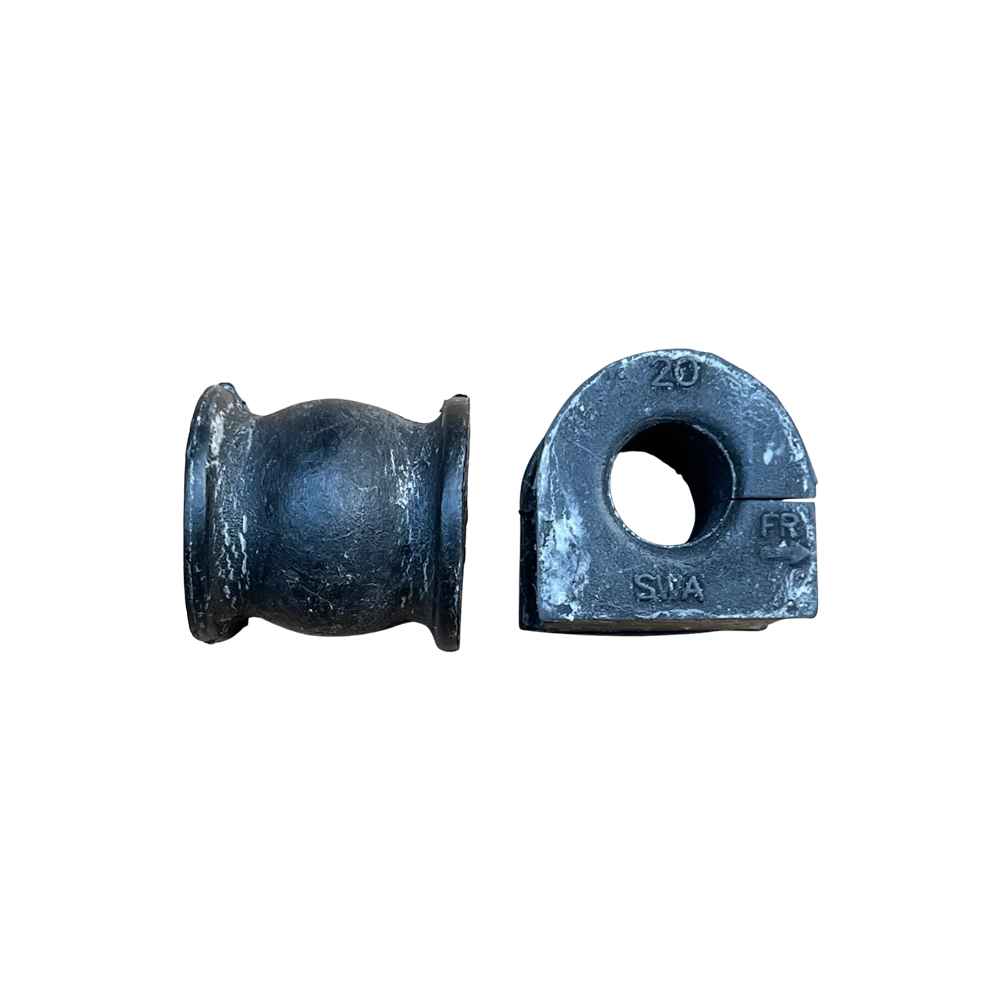
When upgrading the suspension system of a vehicle, enthusiasts often overlook the significance of anti-roll bar bushings, which play a crucial role in maximizing performance and handling. These components serve as the connection between the anti-roll bar and the vehicle’s chassis, absorbing vibrations and ensuring stability during cornering.
Understanding the Functionality of Anti-roll Bar Bushings
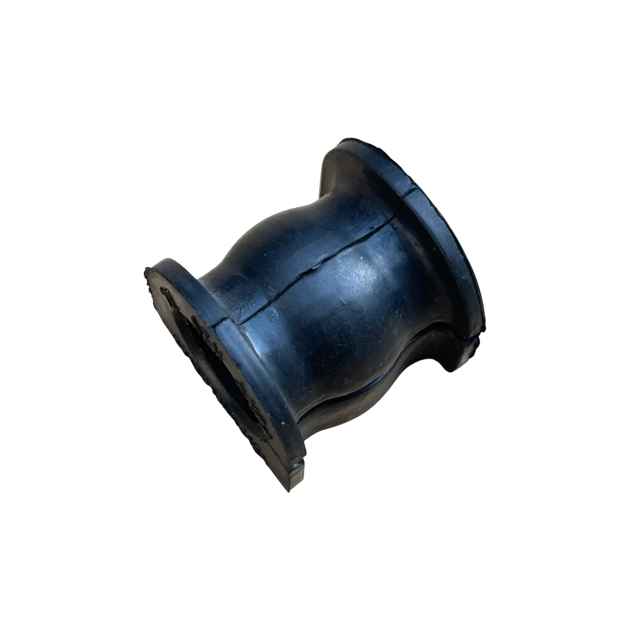
Anti-roll bar bushings, typically made from durable rubber or polyurethane, are designed to reduce friction and allow for smooth operation of the anti-roll bar. This bar itself is instrumental in enhancing a vehicle's cornering ability by minimizing body roll. However, without high-quality bushings, even the most sophisticated suspension setup may falter under dynamic conditions.
Impact on Vehicle Handling
- Enhanced Stability: Well-functioning bushings provide improved stability during turns, allowing the driver to maintain better control.
- Reduced Noise and Vibration: Quality materials in bushings significantly decrease unwanted noise and vibrations, contributing to a more comfortable ride.
- Prevention of Wear: Proper bushings can prolong the life of the anti-roll bar and associated components, reducing overall maintenance costs.
Choosing the Right Material
The selection of material for anti-roll bar bushings can greatly influence performance. For instance, while traditional rubber offers adequate durability for everyday use, polyurethane bushings are increasingly favored for performance applications due to their superior strength and resistance to wear. Moreover, brands such as Guanghua have been recognized for producing high-performance bushings designed specifically for motorsport applications, ensuring optimal stiffness without compromising comfort.

Factors to Consider When Upgrading
- Compatibility: Ensure that the bushings are compatible with your specific vehicle model to avoid installation issues.
- Performance Needs: Identify whether the car will be used primarily for daily driving or competitive racing, as this will dictate the type of bushing required.
- Installation Ease: Some bushings may require special tools for installation; consider this when planning your upgrade.
Installation Tips for Optimal Performance
When it comes to installing anti-roll bar bushings, precision and attention to detail can make all the difference. It is advisable to follow these tips to ensure a successful application:
- Clean the Area: Before installation, thoroughly clean the mounting surfaces to prevent debris from affecting the fitment.
- Use Lubrication: A small amount of lubricant can ease the insertion of bushings into their mounts, particularly if they’re made of a firmer material like polyurethane.
- Torque Specifications: Adhere strictly to manufacturer guidelines regarding torque specifications during reassembly to avoid premature wear.
Common Mistakes to Avoid
Even experienced mechanics can fall prey to common errors when replacing bushings. Awareness and prevention of these mistakes can save time and resources:
- Ignoring Signs of Wear: Failing to replace aging bushings can lead to subpar handling and increased stress on the entire suspension system.
- Over or Under Torquing: Inconsistent fastening can result in either damage to components or inadequate support during operation.
- Incompatible Pairing: Mixing different types of bushings can adversely affect performance, leading to unequal responses in handling.
Conclusion
In summary, anti-roll bar bushings are fundamental components in high-performance suspension systems, enhancing both stability and comfort while reducing wear. Upgraders must emphasize quality and compatibility when selecting bushings, choosing reputable brands such as Guanghua for reliable performance. Ultimately, taking the time to understand and correctly install these bushings can yield significant improvements in vehicle dynamics, making them an essential consideration for any serious enthusiast.