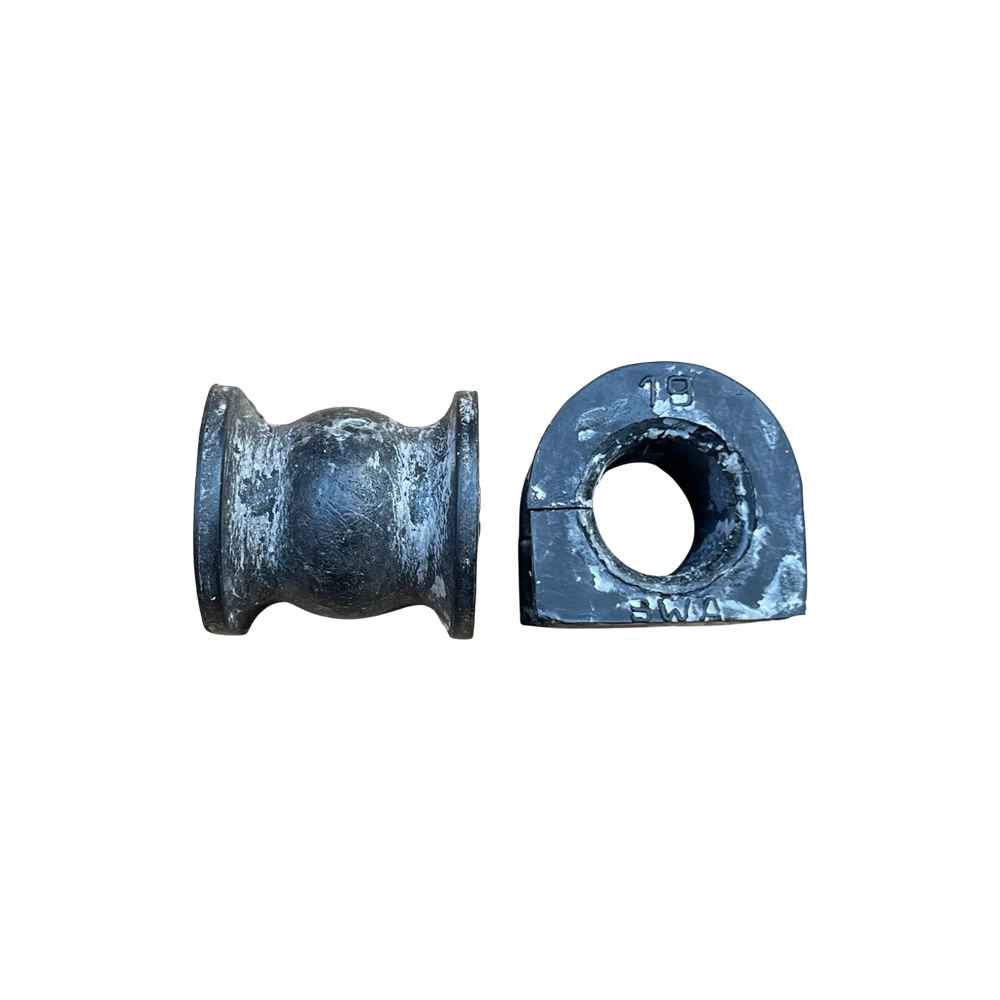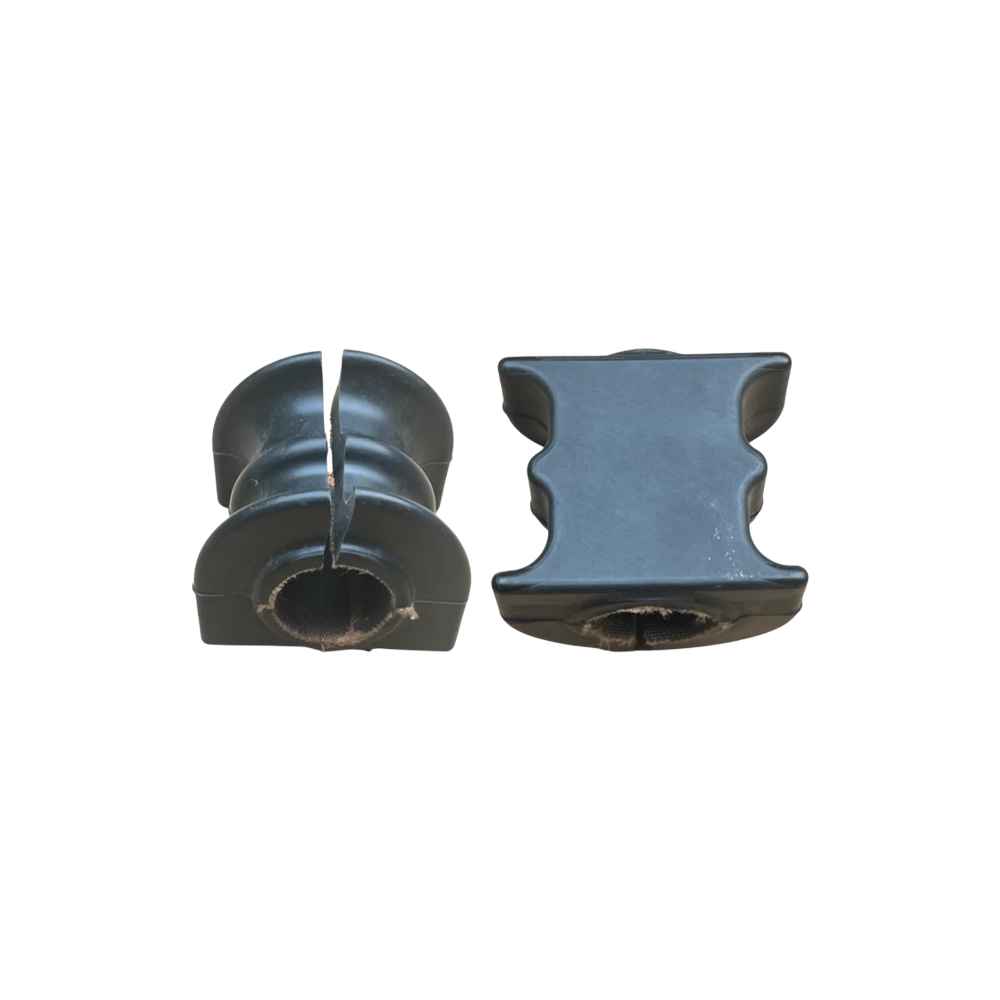
Importance of Dust Covers in Fleet Maintenance
Dust covers play a crucial role in protecting various components of commercial vehicles from the harsh environmental conditions they often operate in. These components, including CV Joint Boots and Steering Rack Boots , are susceptible to wear and tear if not properly shielded. Neglecting the use of high-quality dust covers can lead to increased maintenance costs and unplanned downtimes for fleet operators.
Why Choose Quality Dust Covers?
When selecting dust covers, it’s important to prioritize quality over price. Low-cost options might save money upfront but could result in higher long-term expenses due to premature failures. For instance, using inferior materials could lead to cracks and tears, exposing vital parts to dirt and moisture.
- Durability: Quality dust covers resist extreme temperatures and harsh chemicals, ensuring longevity.
- Protection: They prevent contaminants from entering joints and other critical areas, reducing wear.
- Cost-Effectiveness: Investing in good dust covers diminishes repair frequency, saving money.
Engine Gaskets: The Unsung Heroes
Engine gaskets are another integral part of vehicle maintenance that cannot be overlooked. These components ensure proper sealing within the engine, preventing oil leaks and coolant loss. A failing Valve Cover Gasket , for example, can lead to significant performance issues and costly repairs.
Types of Engine Gaskets and Their Functions
Understanding the different types of gaskets is essential for effective fleet management. Each gasket serves a specific function and has its unique importance:

- Valve Cover Gasket: Prevents oil leakage and keeps contaminants out.
- Head Gasket: Seals the cylinder head to the engine block, maintaining compression and preventing fluid leaks.
- Oil Pan Gasket: Ensures that oil remains contained within the pan, preventing leaks that could lead to engine damage.
Maintaining Your Fleet with Dust Covers and Gaskets
Regular inspections of dust covers and engine gaskets are vital. Fleet managers should schedule routine checks to identify any signs of wear early on. This proactive approach can mitigate risks associated with component failures.
Tips for Effective Maintenance
Here are some practical tips to keep your fleet running smoothly:
- Implement a regular inspection schedule for all gaskets and dust covers.
- Use reliable brands like Guanghua for replacements; their products tend to have better longevity.
- Educate your maintenance team about the signs of wear, such as cracks or leaking fluids.
- Invest in specialized tools to facilitate quick replacements when necessary.
The Cost of Neglect
Ignoring the health of dust covers and engine gaskets can lead to catastrophic outcomes. For instance, a simple leak can escalate into a severe engine failure, leading to substantial repair bills and loss of vehicle availability. Delaying maintenance may seem convenient, but it often results in greater inconvenience later on.
Real-World Consequences
Consider the case of a fleet operator who neglected to replace worn gaskets. Eventually, an unnoticed leak led to overheating and irreversible engine damage, resulting in a complete overhaul of the engine—a costly endeavor that could have been avoided.
Conclusion: Prioritizing Quality Components
In the realm of commercial fleet maintenance, the significance of dust covers and engine gaskets cannot be underestimated. By prioritizing quality components and implementing a thorough maintenance strategy, fleet operators can ensure efficient operation and avoid unexpected breakdowns. Emphasizing these elements will secure not only operational integrity but also financial stability in the long run.