Hydraulic Steering: A Necessity for Commercial Fleet Maintenance
Imagine a truck, laden with goods, barreling down the highway. Now, think about the steering system—it's not just metal and hoses; it's the lifeline of that vehicle. Hydraulic steering systems are essential for commercial fleets. They provide precision and control. But what happens when these systems start to fail? The implications can be catastrophic, not only for the vehicle but also for the entire fleet.
The Mechanics Behind Hydraulic Steering
At its core, hydraulic steering uses fluid pressure to assist in steering the vehicle. This system is typically composed of various components, including pumps, hoses, and valves. Specifically, components like O-Rings & Rubber Sealing Rings play a critical role in ensuring that the hydraulic fluid remains contained within the system, preventing leaks that could lead to steering failure.
- Fluid Pressure: Provides assistance in turning.
- Components: Include pumps and valves.
- Seals: Essential for maintaining system integrity.
When these O-rings wear out, it leads to a drop in fluid pressure, making steering heavy and imprecise. It’s no wonder that fleet managers must prioritize regular inspections and maintenance. Don't you think it’s absurd how often this simple component gets overlooked?
Real-World Implications
Consider a case study from a local logistics company. They had been experiencing frequent issues with their fleet's hydraulic steering, which culminated in two near-miss accidents. After a thorough review, they discovered that several vehicles had worn Steering Rack Boots , allowing contaminants into the hydraulic system. It was a simple fix but had dire consequences if left unattended. The cost of downtime far exceeded the cost of proactive maintenance!

Tips for Effective Maintenance
To avoid such pitfalls, here are some tips for effective hydraulic steering maintenance:
- Regular Inspections: Check for any signs of wear on boots and seals.
- Fluid Replacement: Ensure that the hydraulic fluid is replaced at manufacturer-recommended intervals.
- Component Upgrades: Consider upgrading to more durable parts, like those offered by brands such as Guanghua .
These steps can prolong the life of your hydraulic steering system and ensure safer operation. A little preventive care goes a long way!
The Cost-Benefit Analysis
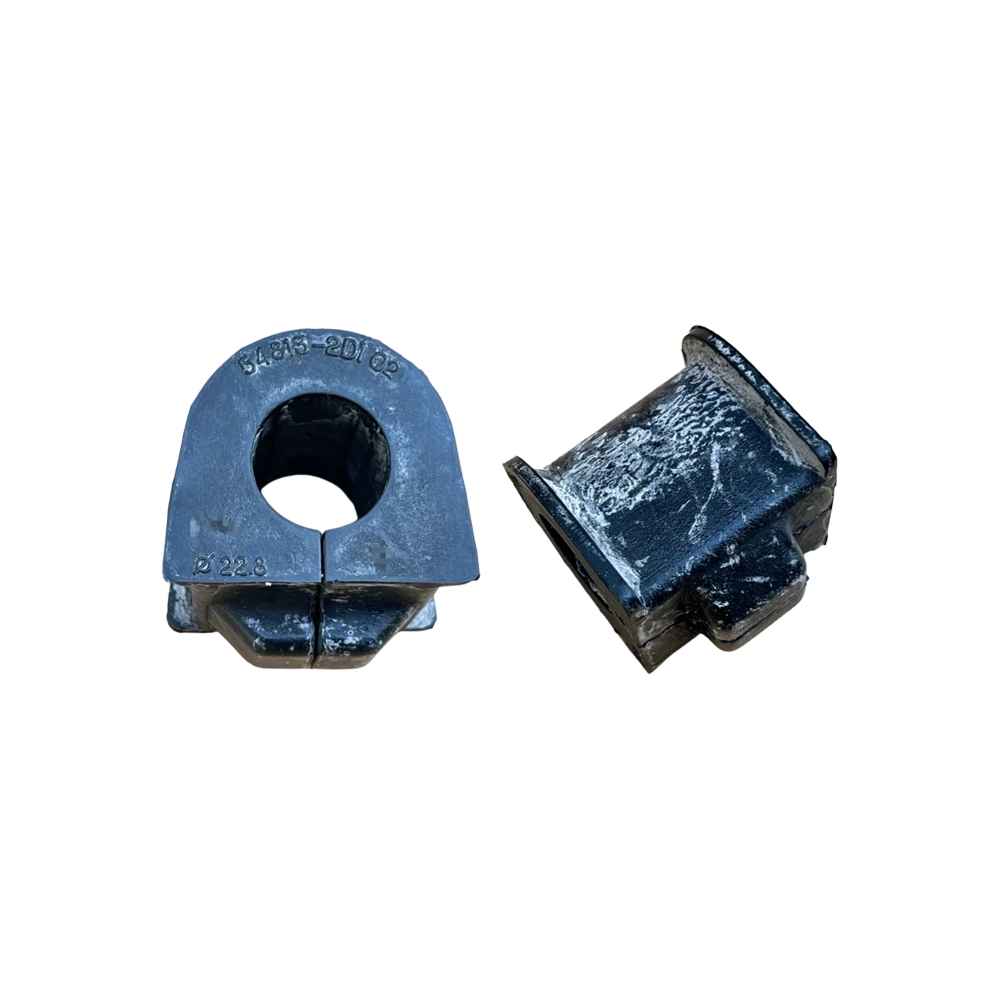
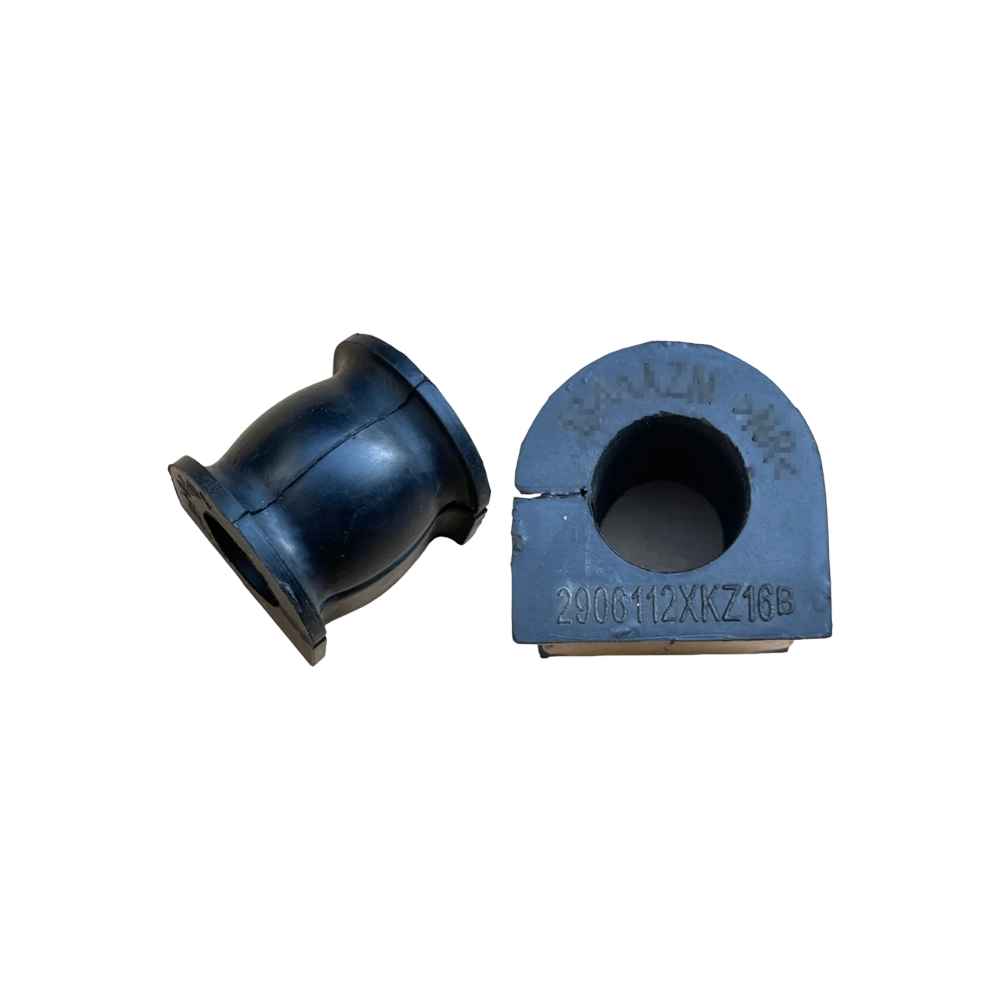
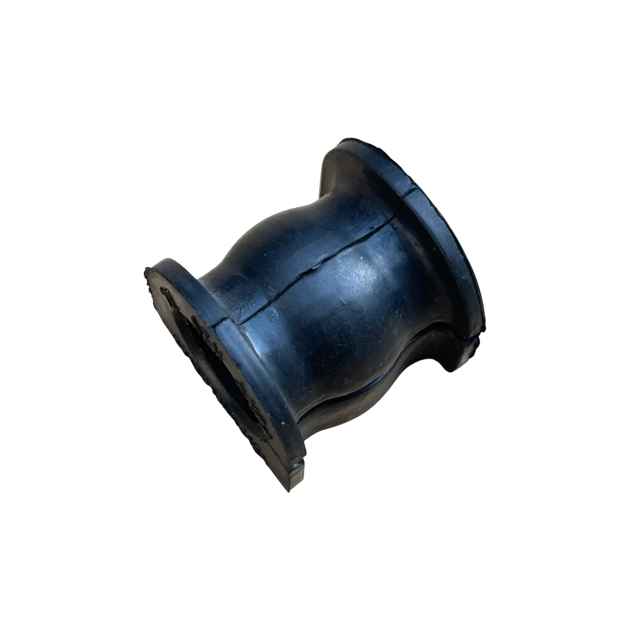
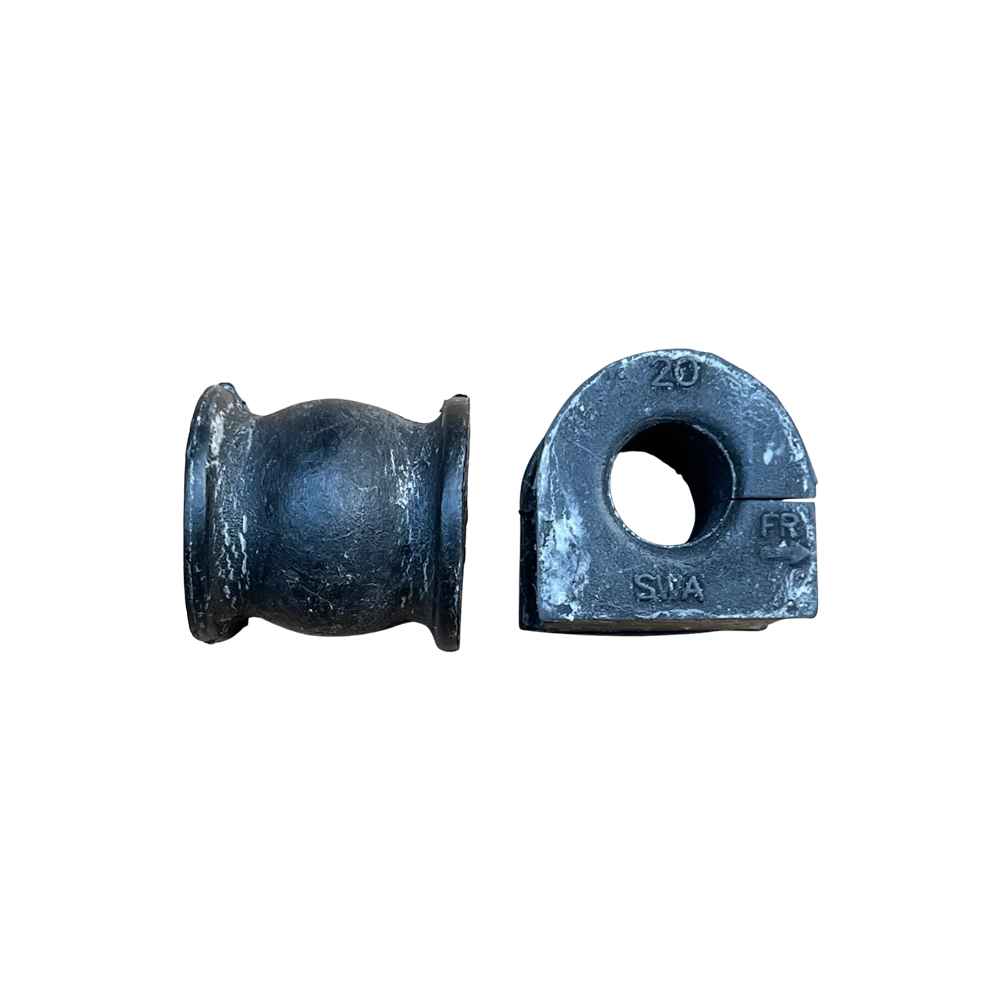
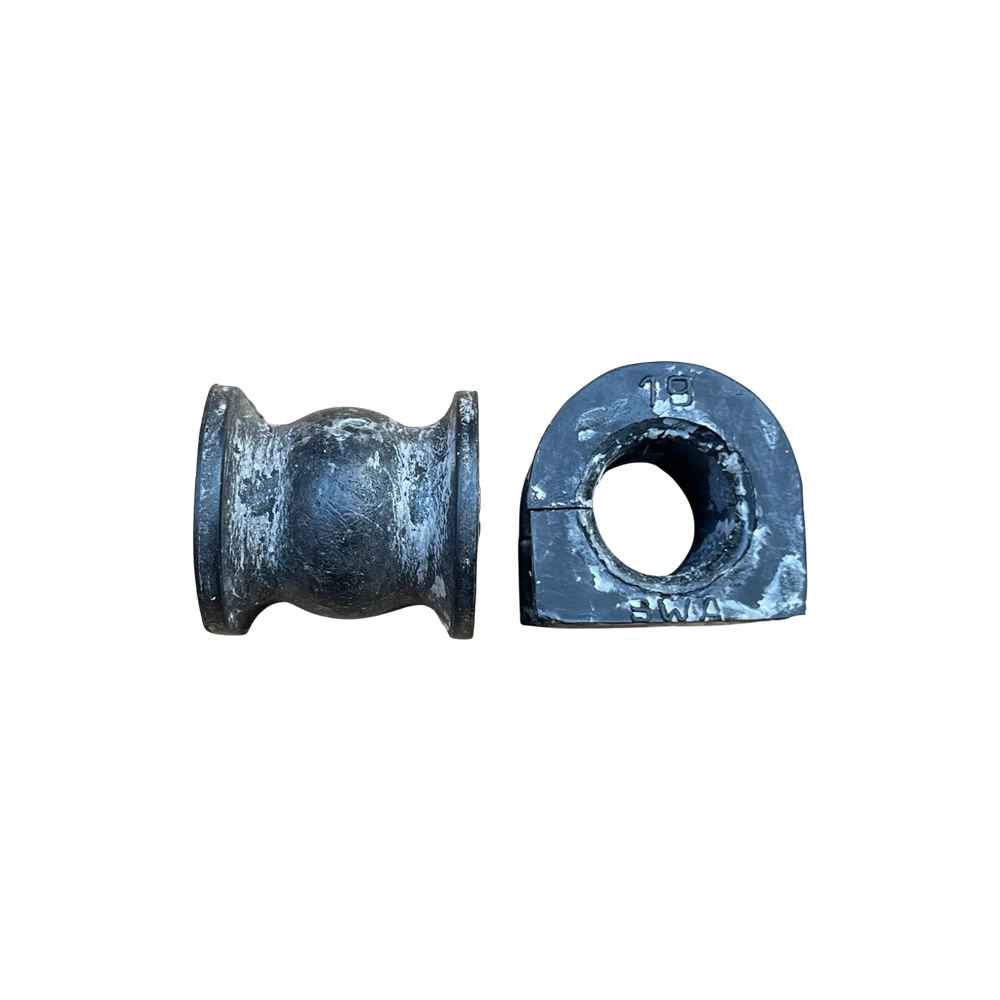
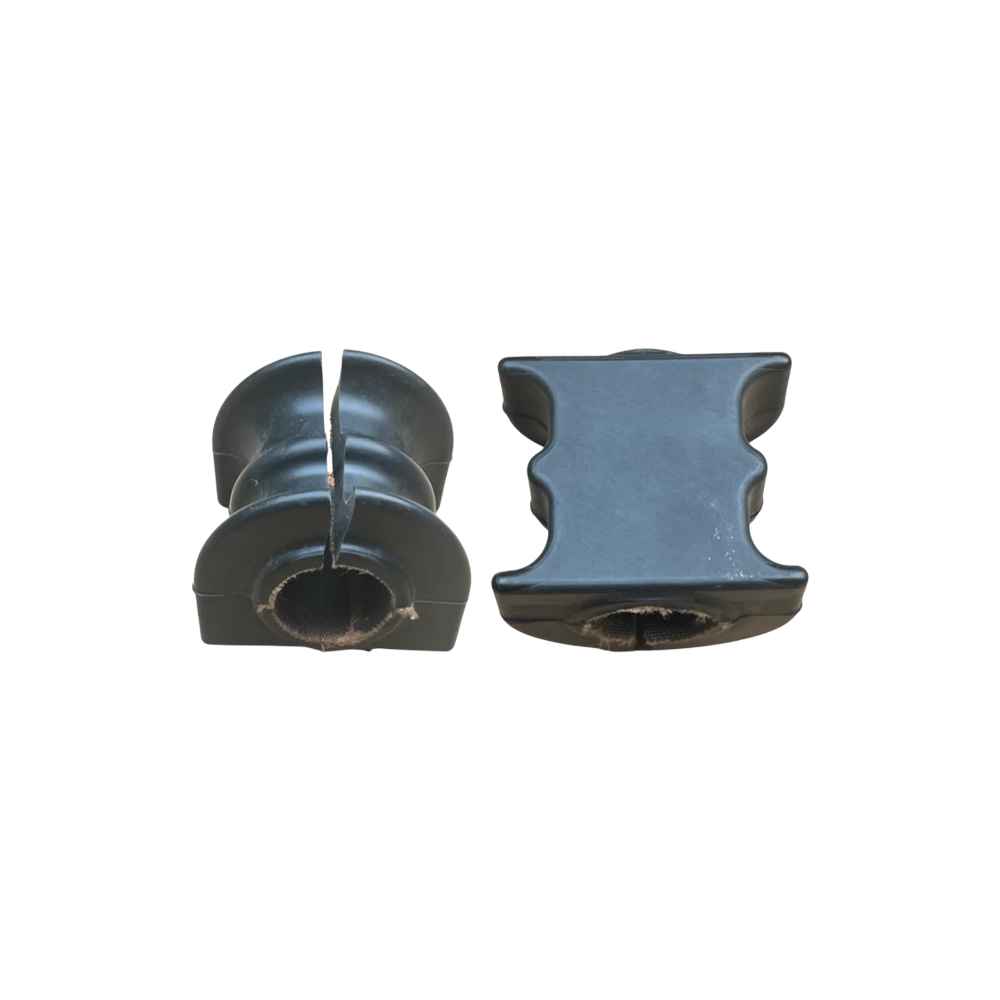
Let’s break it down. On average, replacing a damaged hydraulic steering component can range anywhere from $300 to $1,000, depending on the severity of the issue and parts needed. In contrast, the upkeep of components like Shock Absorber Boots and Stabilizer Bar Bushings can be less than $100. If you think that’s not worth the investment, you're missing the big picture.
Maintaining a well-functioning hydraulic steering system isn't just about immediate costs; it’s about the bigger financial picture of running a commercial fleet. The potential savings from preventing accidents, increasing fuel efficiency, and enhancing driver safety cannot be overstated.
Emphasizing Quality
Quality matters. Not all rubber sealing solutions are created equal. Low-quality components might save you money upfront but can lead to excessive wear and tear on your hydraulic system. This is where trusted brands come into play, offering longevity and reliability. Opting for products from reputable manufacturers, such as Guanghua, ensures that your hydraulic system remains robust and effective.
So why gamble with safety? Invest wisely in quality components. Make informed decisions on parts like valve cover gaskets and ensure they meet or exceed OEM specifications.
The Bottom Line
In the world of commercial fleet maintenance, hydraulic steering isn’t just a luxury—it’s a necessity. Would you risk the lives of drivers and the integrity of your fleet over the cost of basic maintenance? That’s a question every fleet manager should ask themselves. Regular inspections, quality components, and preventive measures can make all the difference. Don’t let a small oversight snowball into a major problem!