The Importance of Steering Systems in Commercial Fleets
In the realm of commercial fleet maintenance, the steering system is often overlooked, yet it plays a critical role in ensuring operational efficiency and safety. Inner and outer steering components, as well as hydraulic systems, are essential for maintaining precise control over vehicle maneuverability.
Understanding Steering Components
Steering systems consist of several key parts that work in concert to enable smooth navigation and handling. Each component—from the inner tie rods to the hydraulic assist mechanisms—contributes significantly to the overall performance of a vehicle's steering capability.
- Inner Tie Rods: These connect the steering rack to the outer tie rods, facilitating directional movement.
- Outer Tie Rods: Positioned at the end of the steering linkage, they translate the motion from the inner rods into wheel movement.
- Hydraulic Steering Systems: These systems utilize fluid pressure to enhance steering effort, particularly beneficial for larger vehicles.
Common Issues with Steering Components
Despite their importance, steering components are susceptible to wear and tear, which can lead to serious issues down the line. Common problems include:

- Worn Boots: CV Joint Boots and Steering Rack Boots protect vital joints from dirt and moisture; damage can result in compromised steering performance.
- Fluid Leaks: Hydraulic systems may develop leaks, causing reduced effectiveness and increasing the risk of complete steering failure.
- Loose Connections: Any slack in tie rod connections can lead to misalignment, resulting in uneven tire wear and poor handling.
Maintenance Tips for Fleet Managers
Regular inspections and proactive maintenance can mitigate many issues associated with steering systems. Here are some expert tips to ensure optimal performance:
- Routine Inspections: Schedule frequent checks of the steering components, focusing on the condition of the boots, O-Rings & Rubber Sealing Rings , and fluid levels in hydraulic systems.
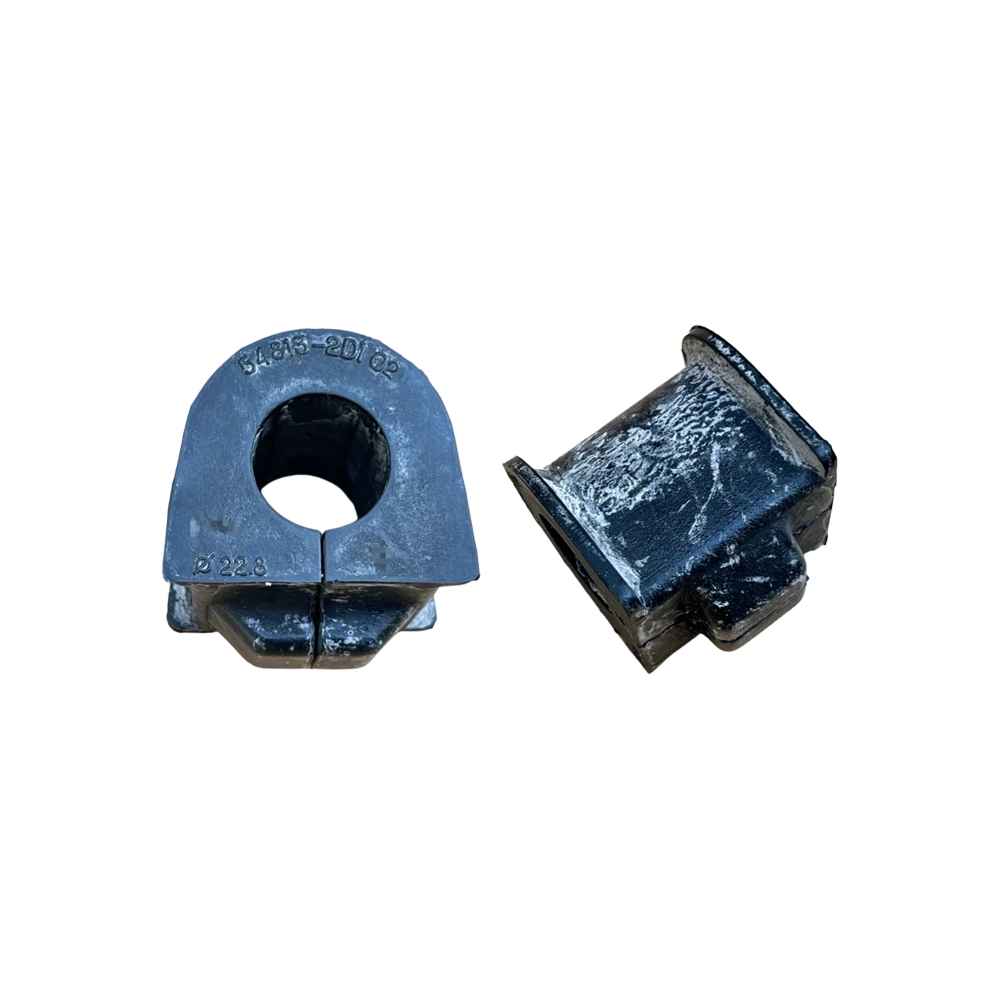
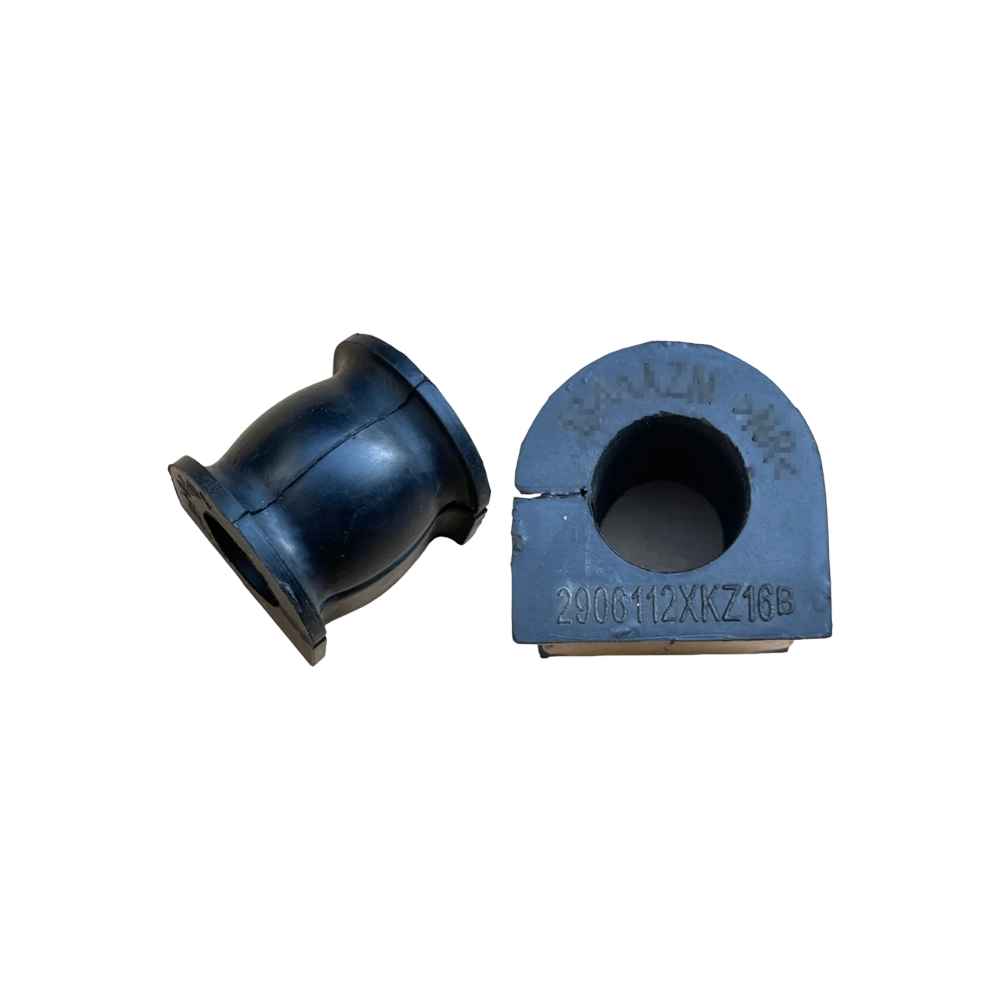
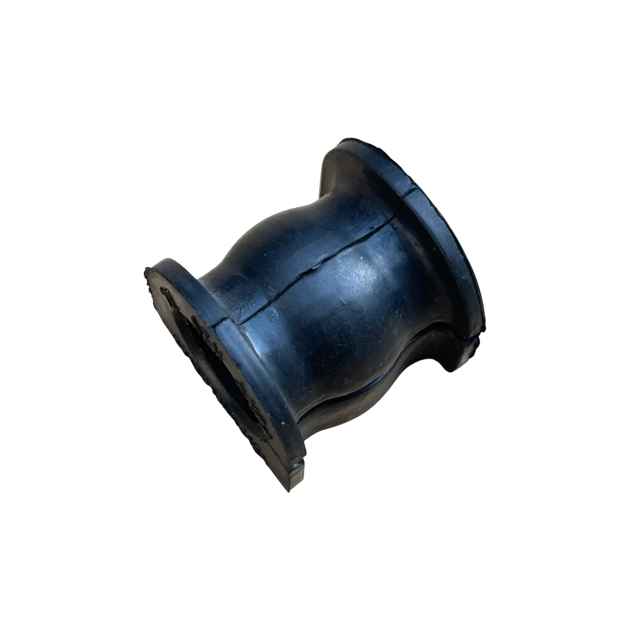
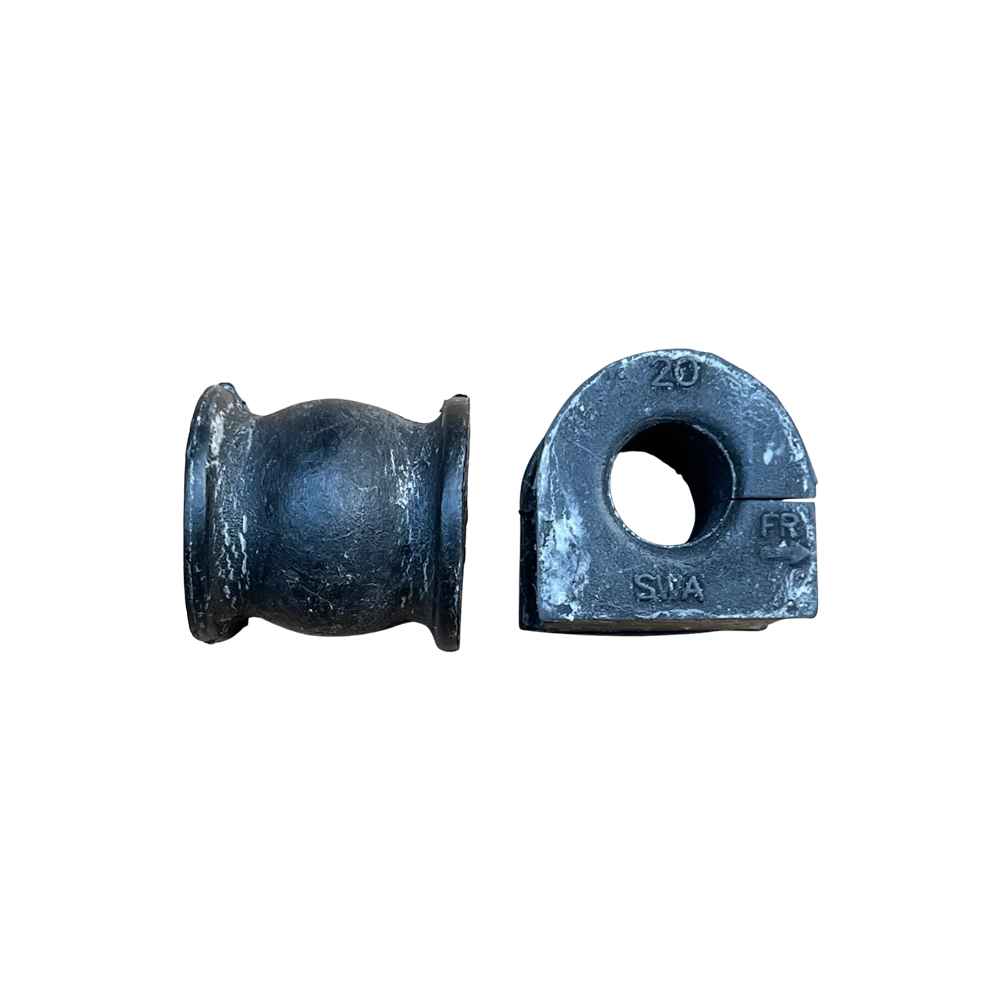
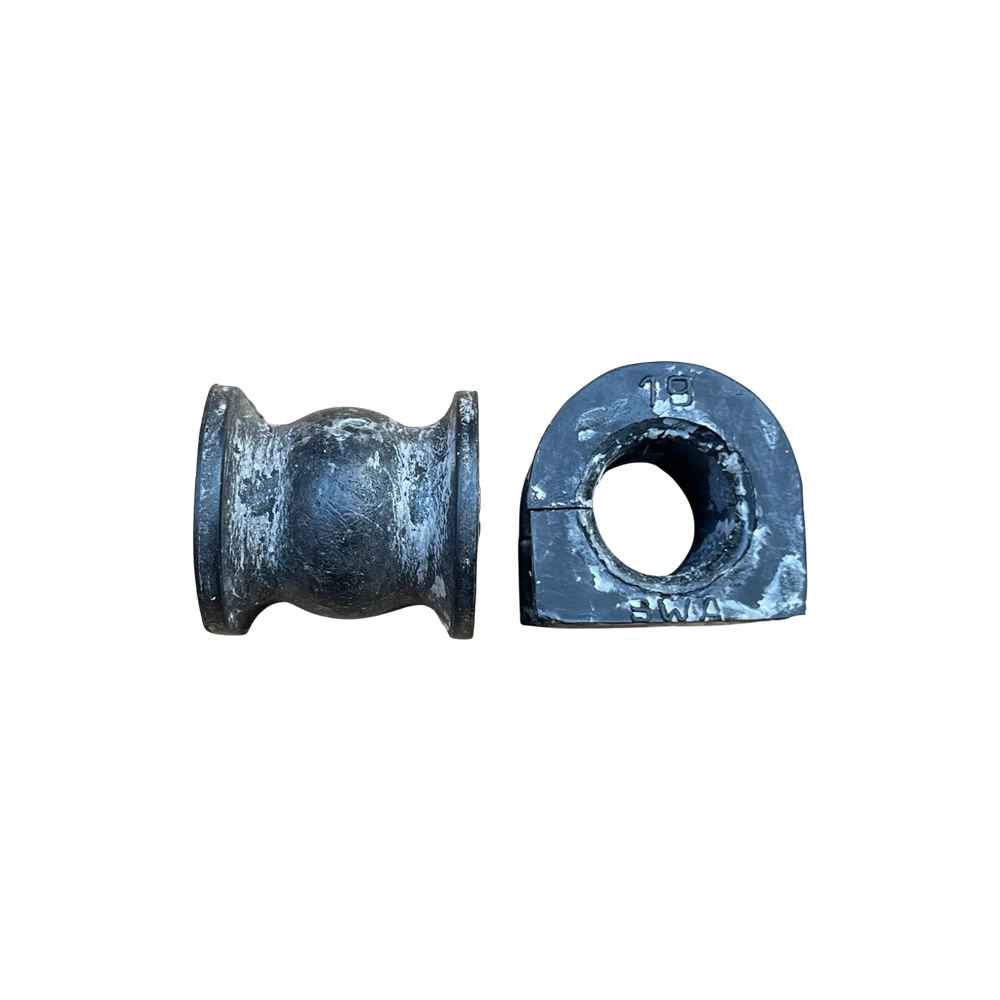
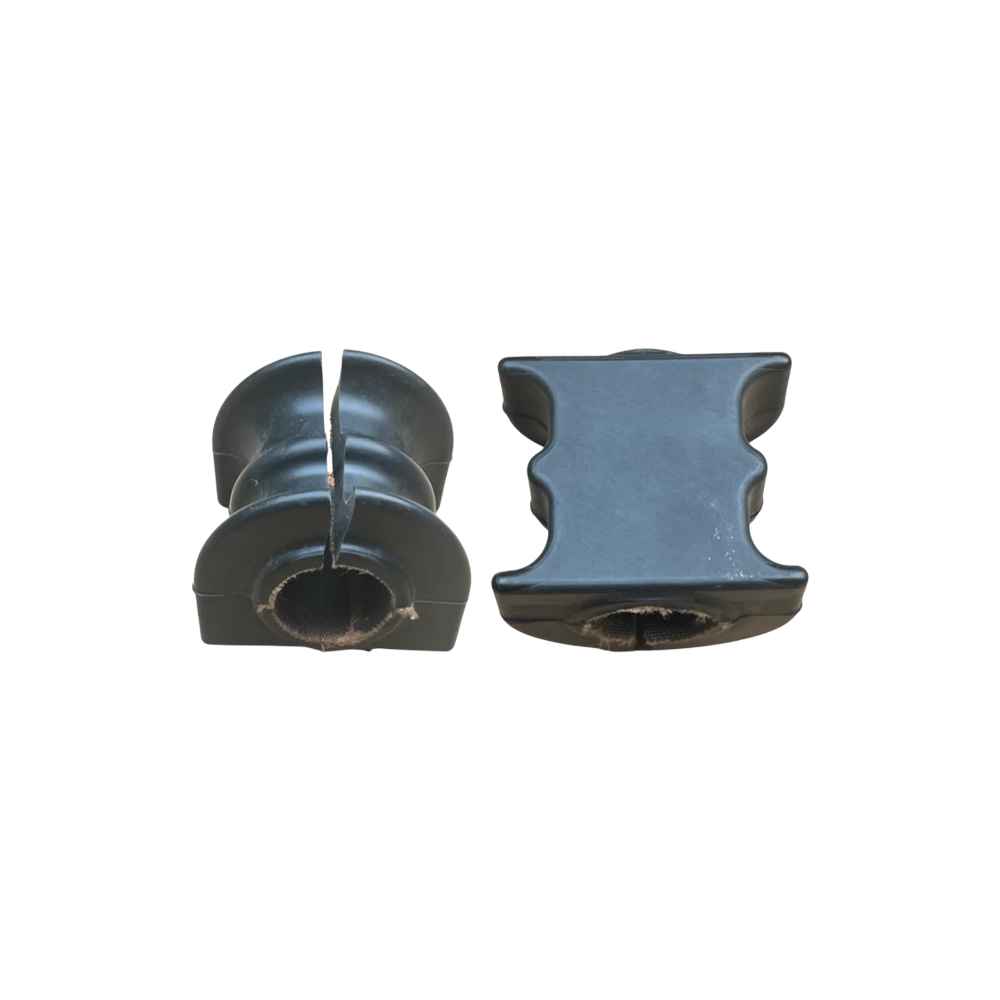
- Replace Worn Parts Promptly: Addressing worn or damaged components, such as stabilizer bar bushings and valve cover gaskets, immediately can prevent more extensive repairs later.
- Utilize Quality Materials: Opt for reliable brands like Guanghua when sourcing replacement parts to guarantee durability and performance.
The Role of Professional Solutions Providers
Engaging with professional rubber sealing solution providers can greatly enhance the longevity and reliability of steering systems. These specialists offer tailored solutions that cater specifically to the unique demands of commercial fleets.
For instance, custom-made rubber sealing rings can provide superior resistance to environmental factors, thereby improving the lifespan of hydraulic steering components.
Conclusion on Safety and Efficiency
Ultimately, the health of steering systems directly correlates with the safety and efficiency of fleet operations. By prioritizing maintenance of inner, outer, and hydraulic steering components, fleet managers can ensure their vehicles remain safe and reliable on the road, minimizing downtime and maximizing profitability.