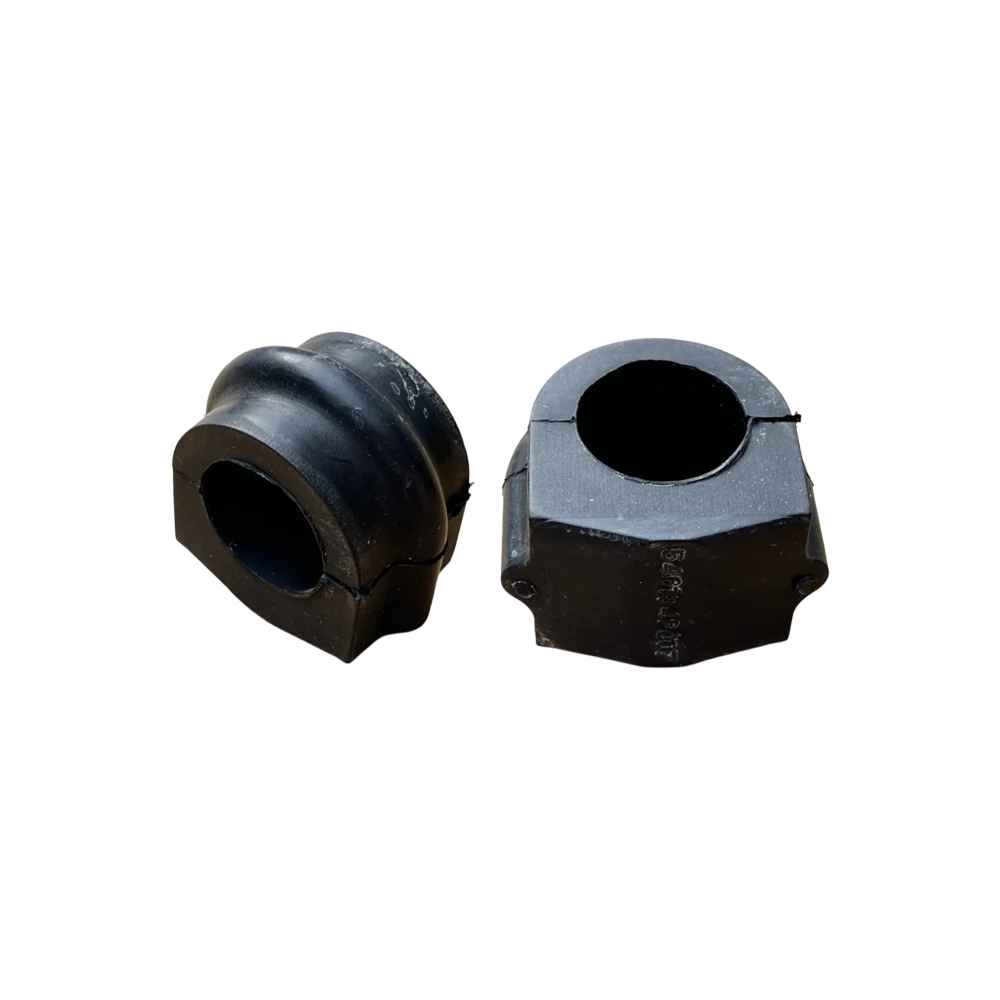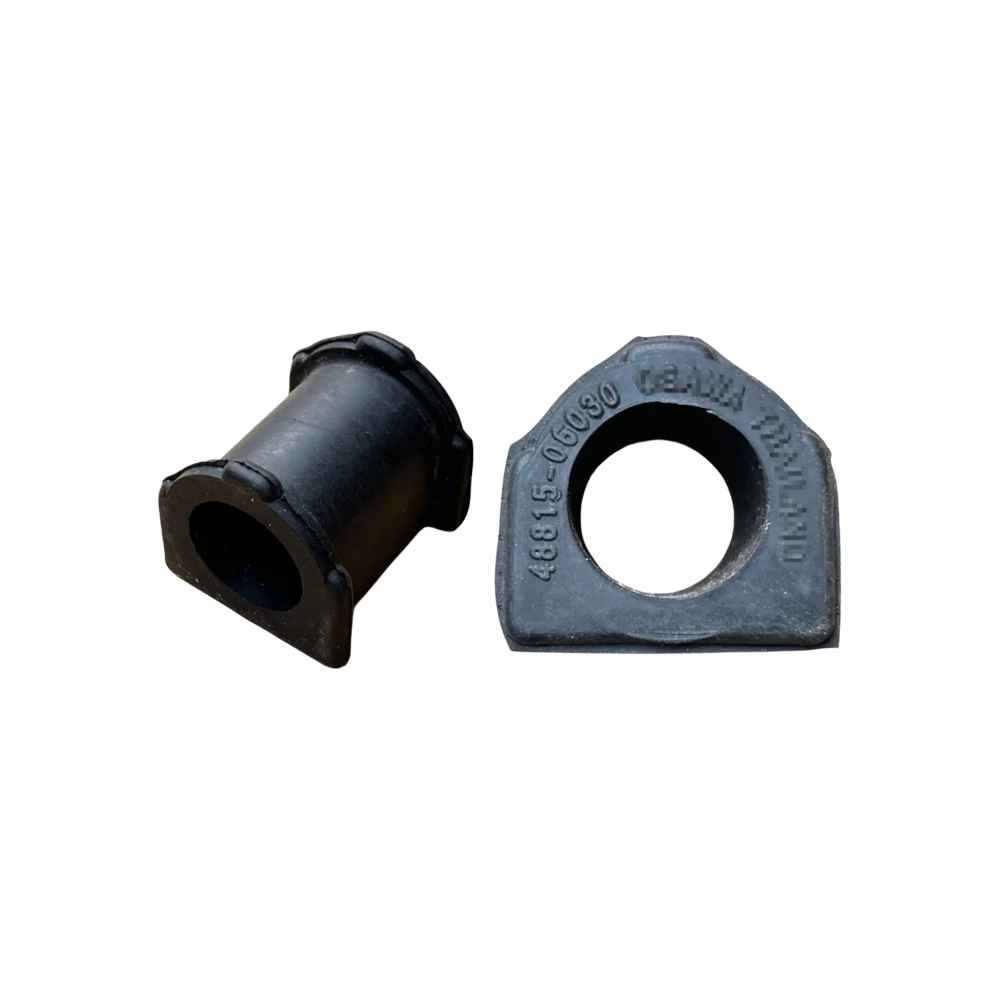
Understanding Sway Bars: Their Role in Vehicle Dynamics
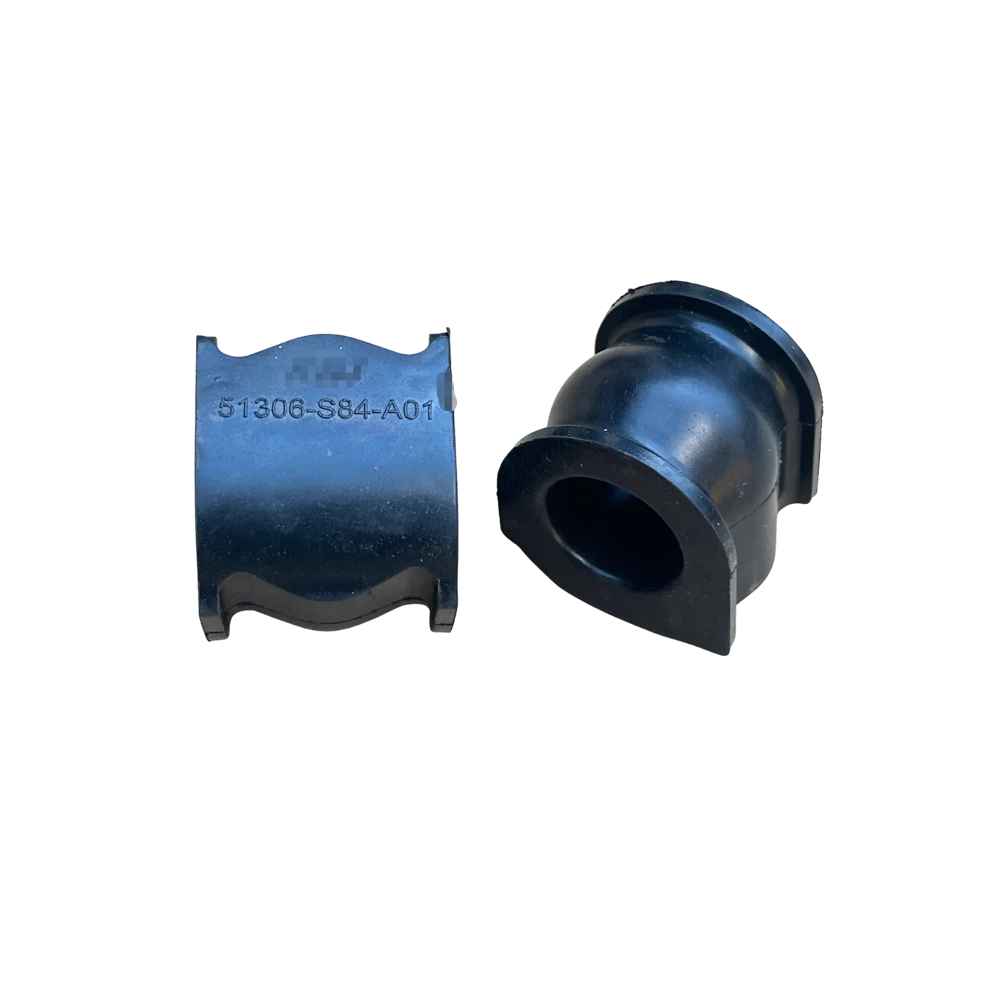
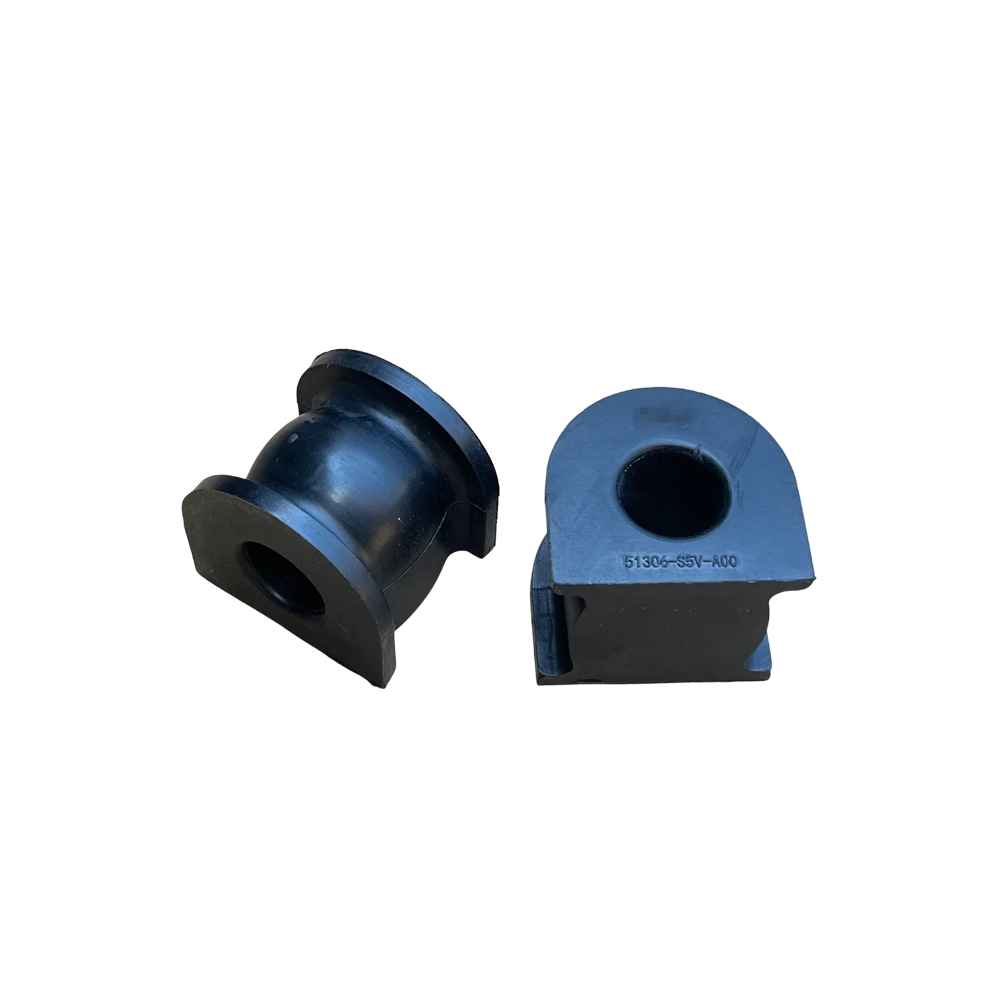
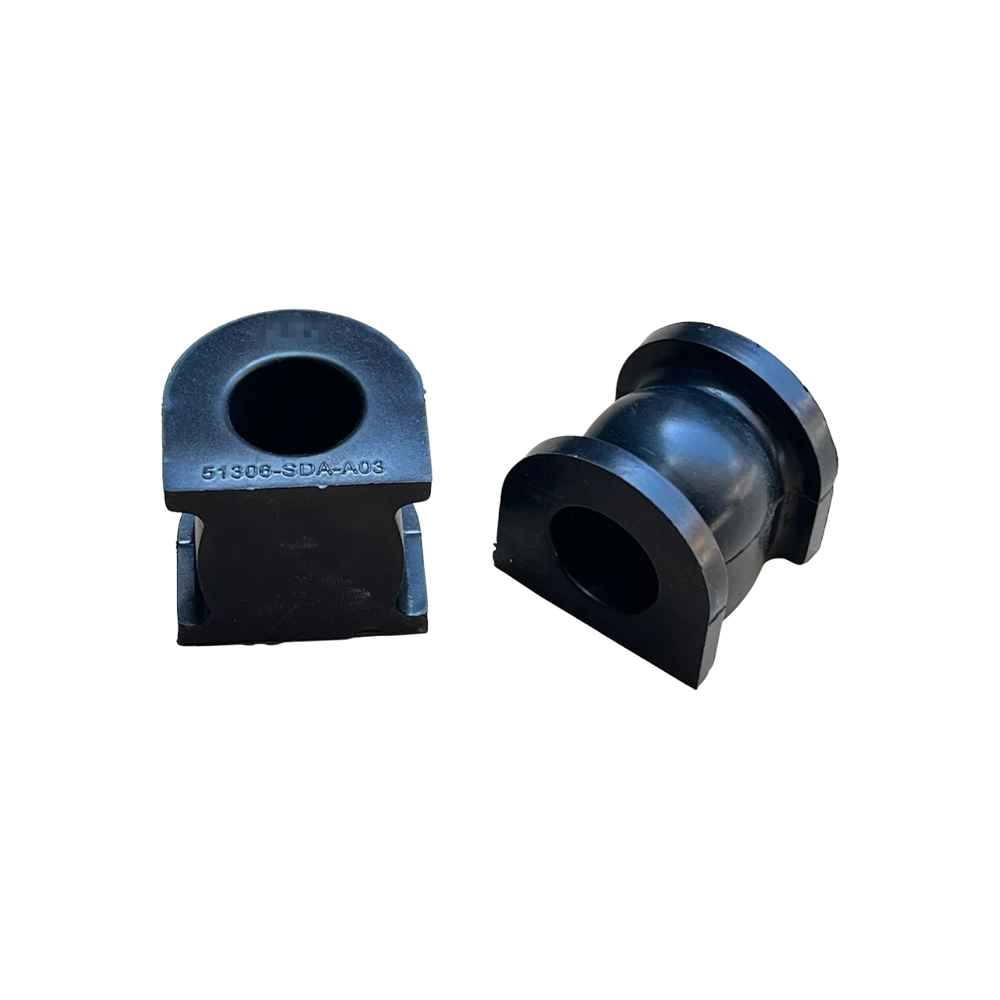
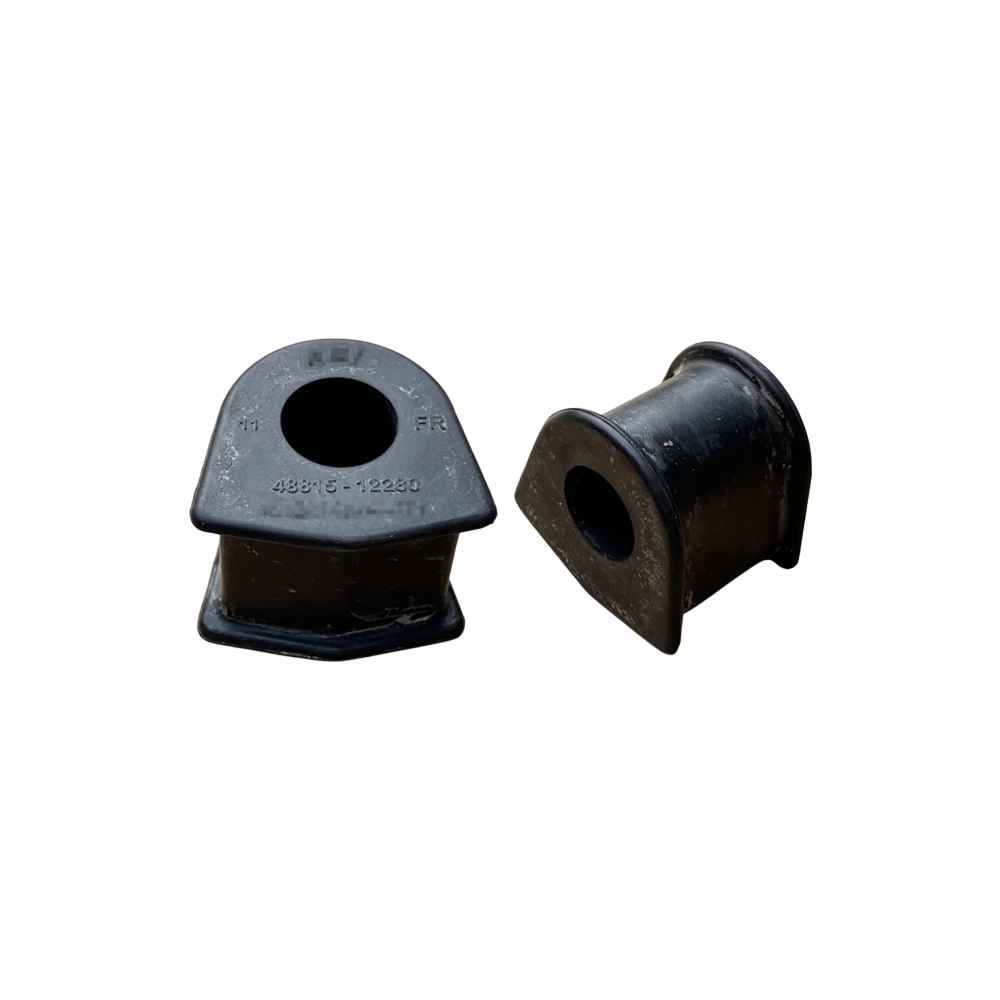
Sway bars, also known as stabilizer bars, play a crucial role in maintaining vehicle stability and handling. They connect the left and right wheels of a vehicle’s suspension system, minimizing body roll during cornering. This functionality is essential for both performance vehicles and everyday drivers alike.
Why Upgrade Your Sway Bar?
Vehicle manufacturers often equip cars with sway bars that meet standard performance requirements. However, for many enthusiasts or those looking to enhance their vehicle’s drivability, upgrading the sway bar can make a significant difference. Here are some reasons to consider:
- Improved Handling: A stiffer sway bar reduces body roll, resulting in better cornering grip.
- Increased Safety: Better handling translates to improved safety, especially during quick maneuvers.
- Enhanced Performance: For racing or off-roading, an upgraded sway bar can provide the competitive edge you need.
Choosing the Right Sway Bar for Your Vehicle
Selecting the appropriate sway bar requires an understanding of your vehicle's specific requirements including size, compatibility, and driving style. Here are key factors to consider:
Material Composition
Sway bars can be made from various materials such as steel, aluminum, or composite materials. Generally, heavier-duty vehicles benefit from solid steel bars, which offer greater strength and longevity. On the other hand, lighter vehicles may perform better with hollow aluminum bars, which reduce weight while maintaining structural integrity.

Sway Bar Diameter
The diameter of the sway bar significantly influences its stiffness. A thicker sway bar generally provides more resistance to roll. However, it’s essential to strike a balance; too stiff can lead to a harsh ride. Consult with professionals or refer to guides to determine the optimal size for your specific vehicle type and usage.
Installation Considerations
When replacing or upgrading a sway bar, proper installation is vital. Here are some steps to follow:
- Gather Tools: Ensure you have all necessary tools on hand—wrenches, sockets, and possibly a torque wrench.
- Read Manufacturer Instructions: Always refer to the specific installation guide provided by the manufacturer.
- Check Compatibility: Make sure new components like CV Joint Boots , Steering Rack Boots , or Shock Absorber Boots are compatible with the sway bar.
Professional vs DIY Installation
If you're experienced with automotive work, you might choose to install the sway bar yourself. However, if this is your first time, seeking professional help might be wise. Proper alignment and setup are essential for maximizing performance and safety.
Maintenance Tips for Optimal Performance
To keep your sway bars functioning effectively over time, routine maintenance is essential. Here are some tips:
- Inspect Regularly: Check for signs of wear or damage, particularly at the bushings.
- Lubricate Components: Ensure O-Rings & rubber sealing rings are properly lubricated to prevent dry rot and prolong lifespan.
- Monitor Performance: If you notice changes in handling, it could indicate a problem with the sway bar or related components.
Choosing Quality Brands
Brands like Guanghua offer high-quality sway bar options that combine durability with performance. Opting for reliable brands ensures you receive parts that withstand daily wear and tear while enhancing your vehicle's drivability.
Conclusion on Future Trends
As we move towards 2025, advancements in automotive technology may influence sway bar design and functionality. Expect to see innovations that focus on weight reduction without compromising strength. This will be pivotal for electric vehicles that prioritize efficiency but still require robust handling characteristics.
Final Thoughts
Whether you’re replacing a worn sway bar or upgrading for better performance, understanding what to look for can save you time and money in the long run. A well-functioning sway bar not only enhances handling but also contributes to overall vehicle safety.