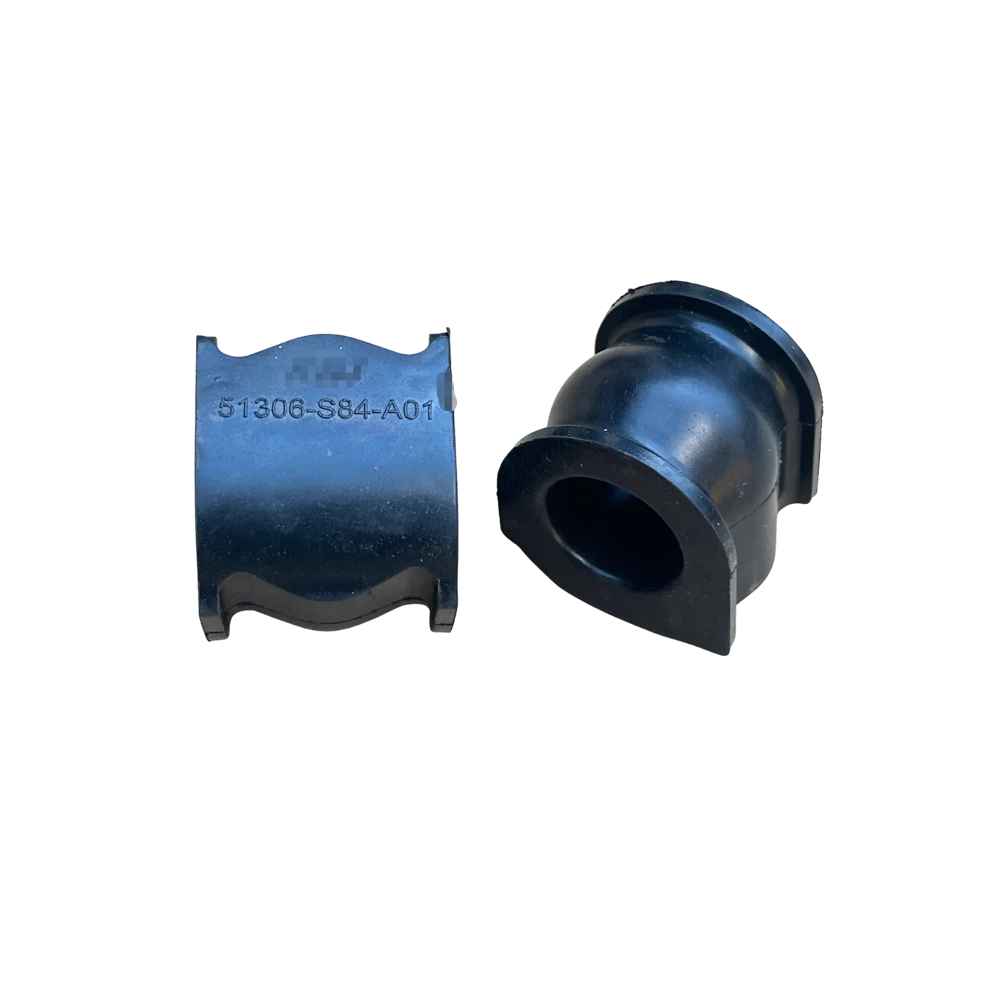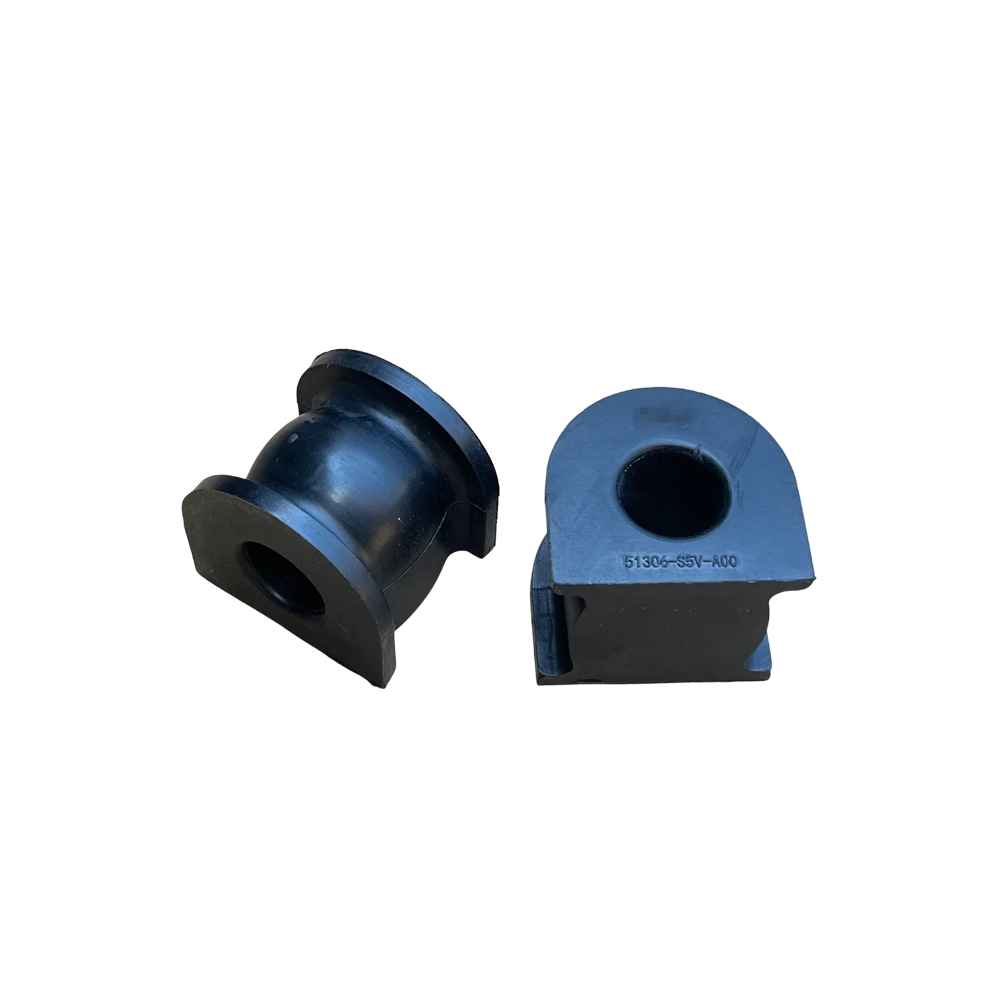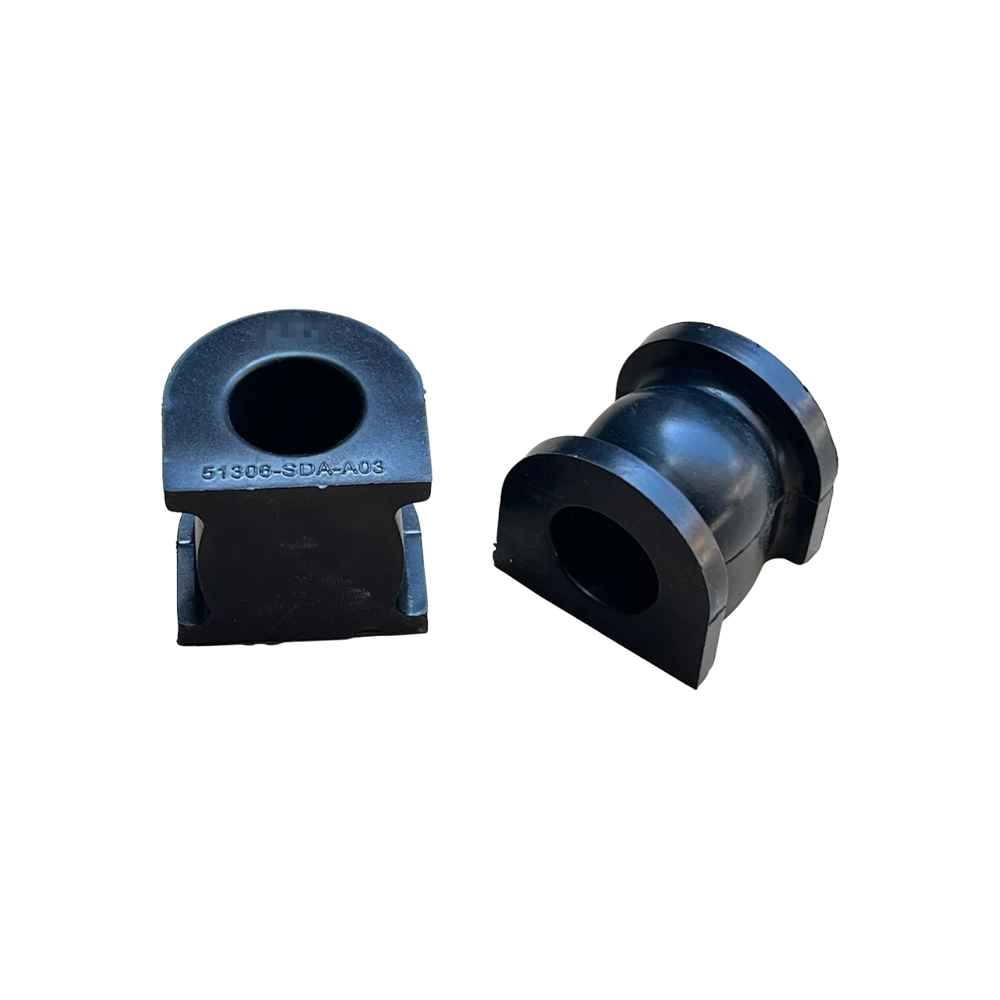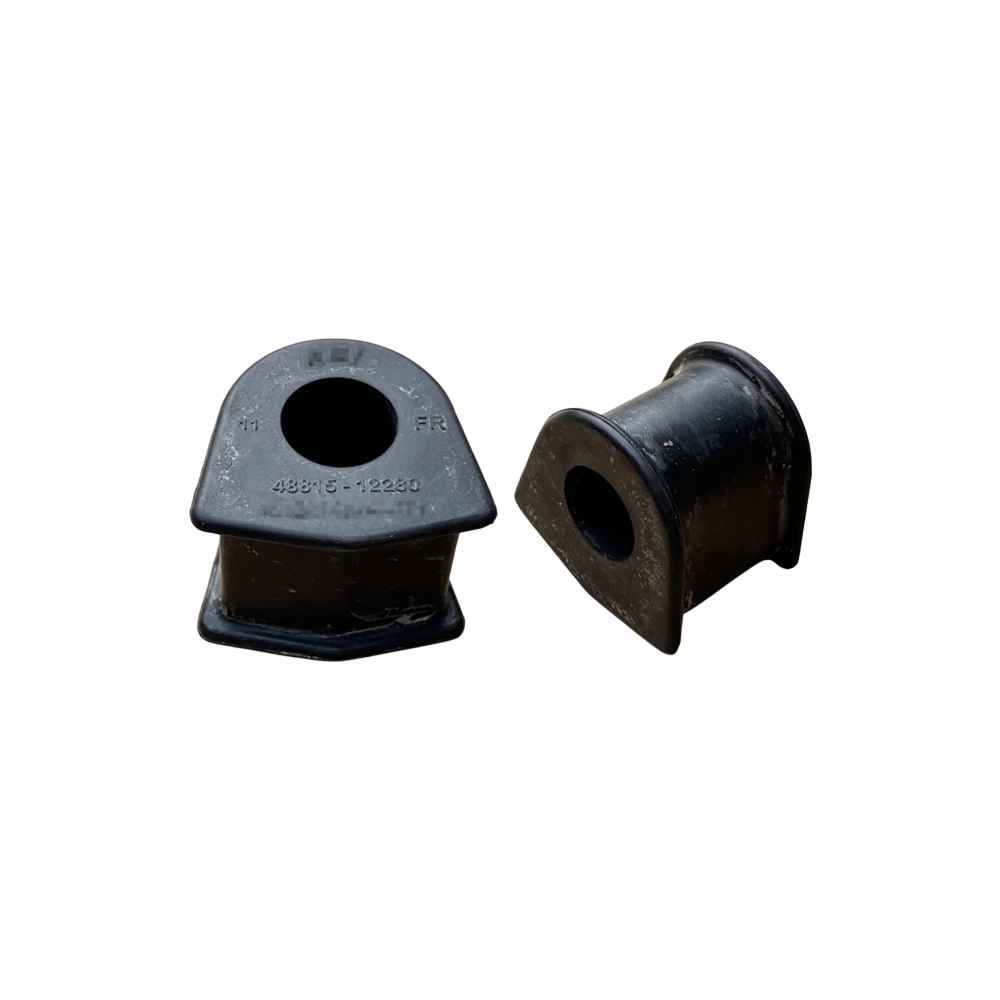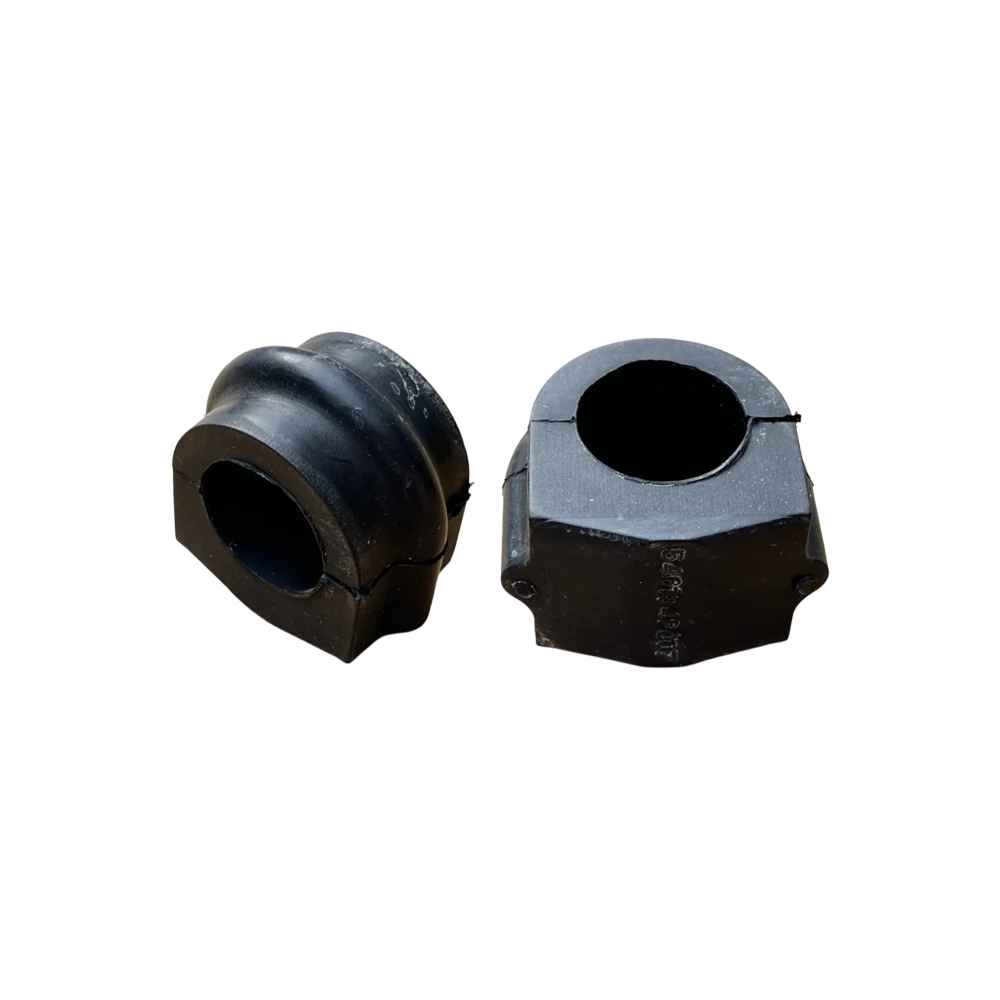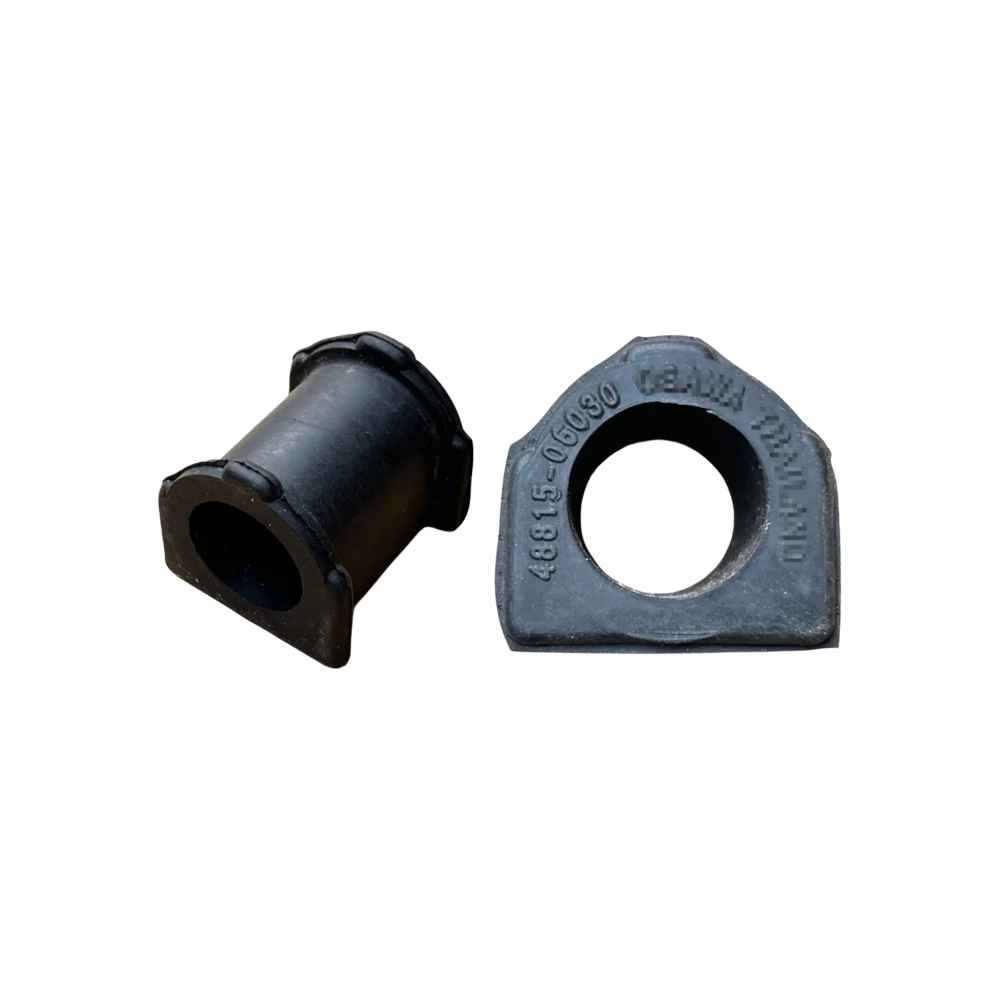
Understanding Rack and Pinion Boots
In the realm of automotive engineering, especially when dealing with chassis steering and suspension systems, rack and pinion boots play a crucial role. These components are essential for ensuring smooth steering operations while protecting sensitive parts from dirt, debris, and moisture. The significance of using high-quality materials that adhere to ISO certified standards cannot be overstated; it directly impacts vehicle performance and longevity.
The Importance of Quality in Boot Sourcing
When sourcing rack and pinion boots, there are several considerations to keep in mind. First and foremost is the material quality. High-performance rubber compounds can ensure durability against wear and tear. For instance, brands like Guanghua have established a reputation for producing superior boot materials that withstand extreme conditions and provide excellent sealing capabilities.
Key Specifications to Consider
To make an informed decision, it’s vital to understand the specifications of the boots you're sourcing:
- Material Composition: Look for synthetic rubber or neoprene that offers flexibility and strength.
- Temperature Resistance: Ensure the boots can operate under a wide temperature range without degrading.
- Compatibility: Verify that the boots match the specific make and model of your steering system.
- ISO Standards: Always opt for products that comply with international quality management norms.
Types of Steering Rack Boots
There are various types of Steering Rack Boots available, each designed for specific applications:

- Single-Lip Boots: Commonly used in lighter vehicles, they provide basic protection.
- Double-Lip Boots: Offer enhanced sealing capabilities, ideal for more demanding driving conditions.
- Custom-Made Options: Sometimes, standard products may not fit, and custom solutions will be necessary.
Common Issues with Poor-Quality Boots
Using subpar rack and pinion boots can lead to several issues:
- Dust Ingress: A compromised seal invites dirt, which leads to premature wear of inner components.
- Fluid Leaks: Faulty boots can allow hydraulic fluid leaks, compromising steering performance.
- Increased Noise: Worn-out boots might cause increased friction, leading to unwanted noise during operation.
Installation Guidelines
Proper installation is as critical as choosing the right boot. Follow these guidelines for optimal results:
- Clean the Area: Before installing new boots, ensure the steering rack area is clean and free of debris.
- Use Lubrication: Apply a suitable lubricant on the inside of the boot to facilitate easy installation.
- Check Alignment: Make sure the boots are perfectly aligned to avoid any stretch or misplacement.
Maintaining Your Steering System
Regular maintenance can significantly extend the life of your steering system components. Inspect boots for signs of wear, cracks, or cuts every few months, and replace them as needed. Furthermore, keeping an eye on fluid levels can give you insights into potential leaks early on.
Cost Factors When Sourcing Boots
Pricing can vary widely based on factors such as brand reputation, material quality, and compatibility with specific vehicles. While it might be tempting to go for the cheapest option, investing in reliable brands like Guanghua can save money in the long run by reducing the frequency of replacements and repairs.
Concluding Thoughts
Sourcing the right rack and pinion boots involves understanding both the technical specifications and practical implications of your choices. As the industry moves towards more advanced manufacturing processes, staying informed about ISO standards will not only enhance safety but also improve overall performance. Whether you are a DIY enthusiast or a professional mechanic, prioritizing quality in sourcing Steering Rack Boots can significantly impact your vehicle's handling and reliability.