Understanding Strut Boots: A Comprehensive Overview
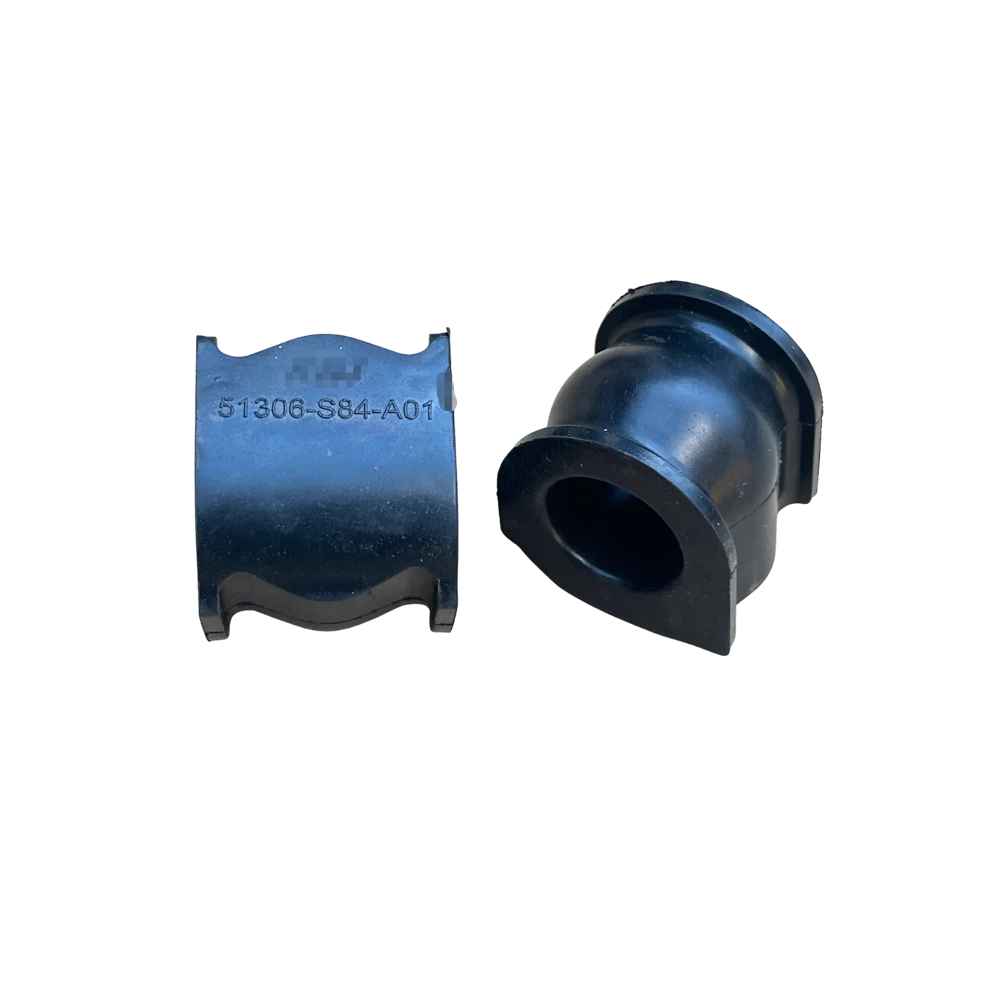
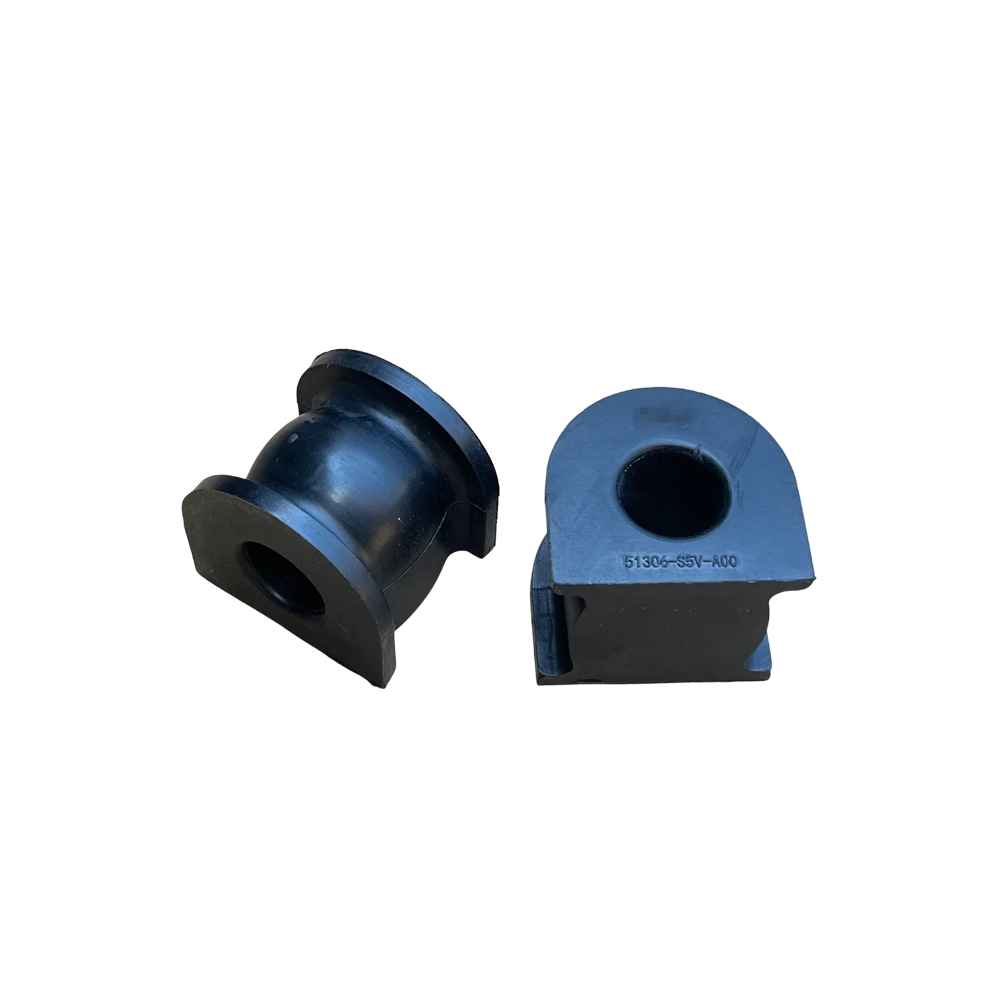
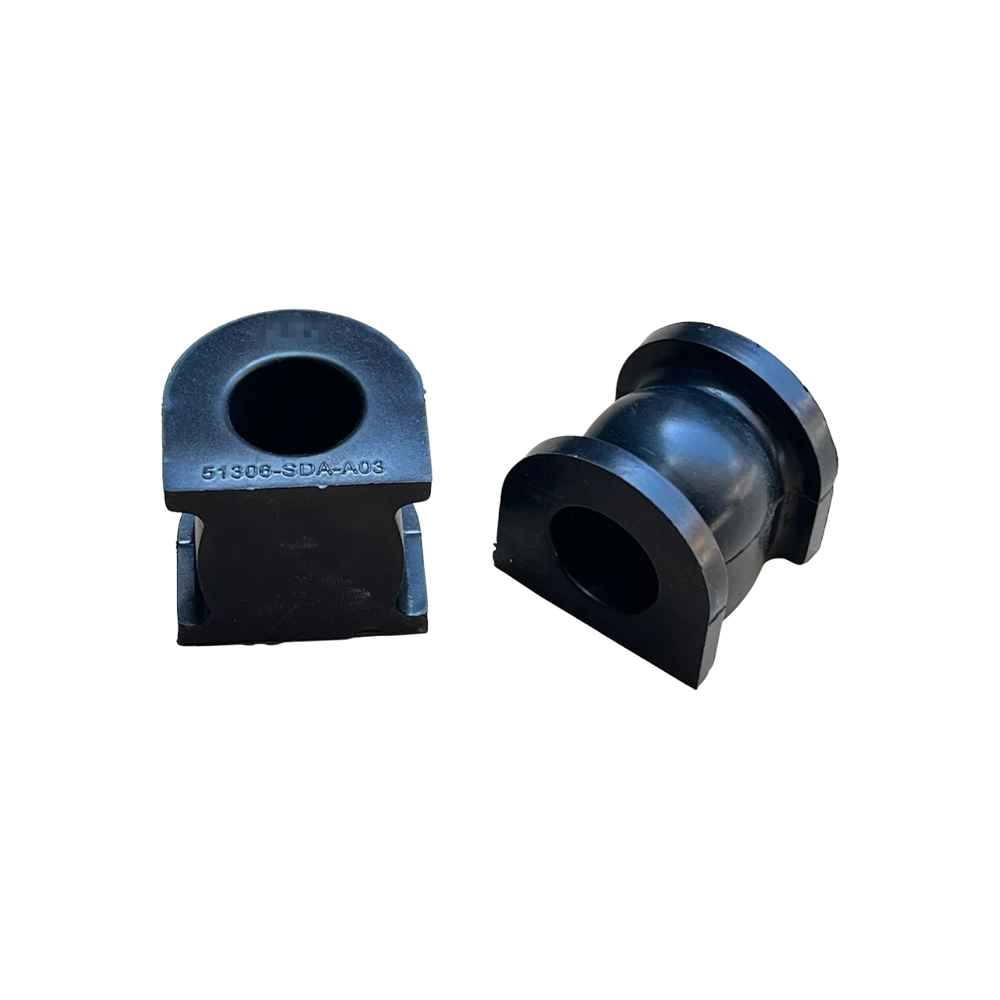
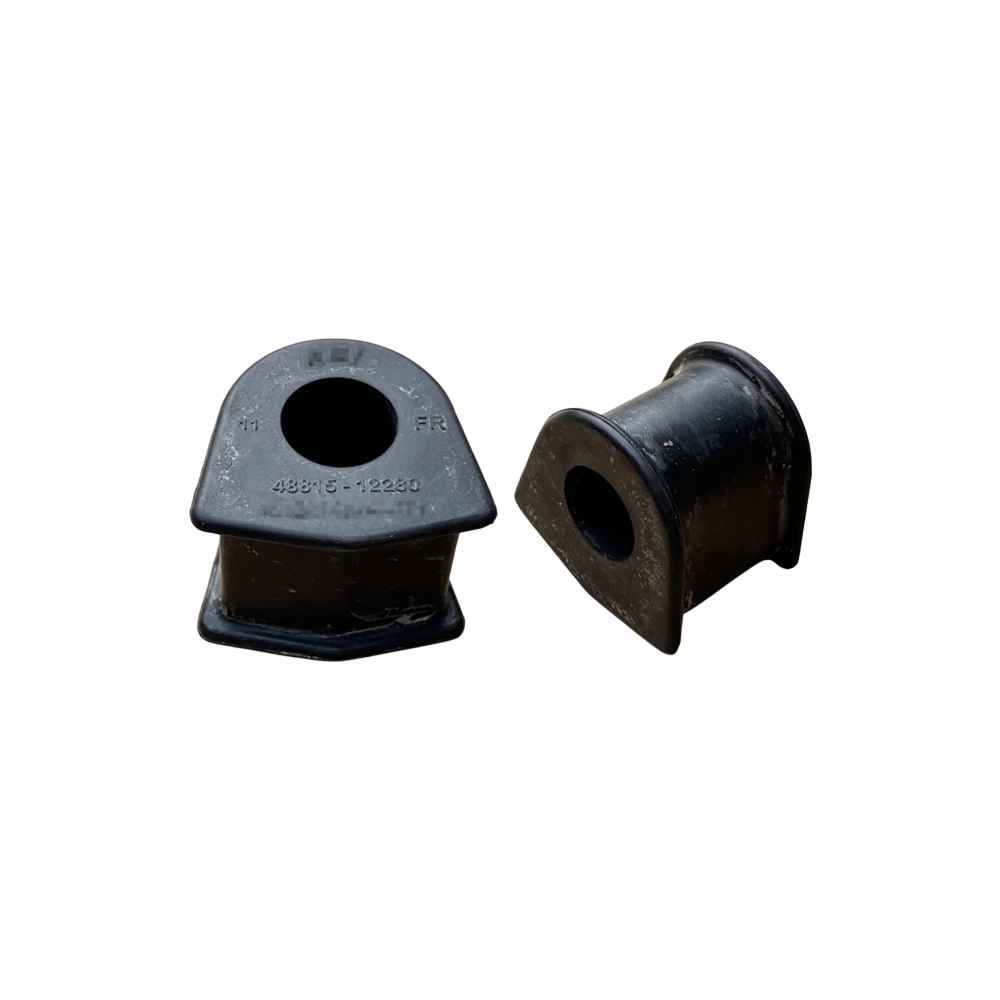
Strut boots are a crucial yet often overlooked component of your vehicle’s suspension system. They protect the struts, preventing dirt and debris from entering the assembly. With the rising number of vehicles in use, it’s essential to know what options are available when it comes to replacement, whether OEM or aftermarket.
The Importance of Quality Strut Boots
When it comes to strut boots, quality matters. A good strut boot will keep your struts functioning optimally, extending their life and saving you money down the line. Cheap alternatives can lead to early wear and tear, ultimately costing more in repairs. Yeah, I’ve seen that happen all too often!
OEM vs. Aftermarket: What’s the Difference?
- OEM (Original Equipment Manufacturer): These parts come directly from the car manufacturer. They're designed specifically for your vehicle model, ensuring perfect fit and performance.
- Aftermarket: Manufactured by third-party companies, these parts vary in quality. Some brands, like Guanghua, have a stellar reputation, while others might not meet the same standards.
Choosing between these depends on your budget and priorities. If you want reliability and peace of mind, opting for OEM parts is usually the way to go. But if you're skilled in DIY repairs and looking to save a few bucks, high-quality aftermarket options might be just fine.
What to Look for When Buying Strut Boots
There are several factors to consider when purchasing strut boots:

- Material: Quality rubber or polymer materials ensure durability against harsh conditions.
- Fitment: Always check your vehicle's specifications to find the correct size.
- Brand Reputation: Do some research on the brand—companies like Guanghua often provide better performance compared to lesser-known names.
Common Issues with Strut Boots
Over time, strut boots can become brittle, cracked, or even completely torn. This exposure can allow contaminants to damage the strut itself, leading to expensive repairs. Here are a few red flags:
- Visible cracks or tears on the surface.
- Oil leaking from the strut.
- Unusual noises when driving over bumps.
If you notice any of these issues, it's time to look at replacements.
Installation Tips for Strut Boots
Installing strut boots isn't rocket science, but there are a couple of things to keep in mind:
- Tools Required: Make sure you have the right tools handy—wrenches, screwdrivers, and possibly a spring compressor if you’re dealing with a complete strut assembly.
- Follow Instructions: Always follow the manufacturer's installation guidelines. Proper technique ensures that you don’t create future issues.
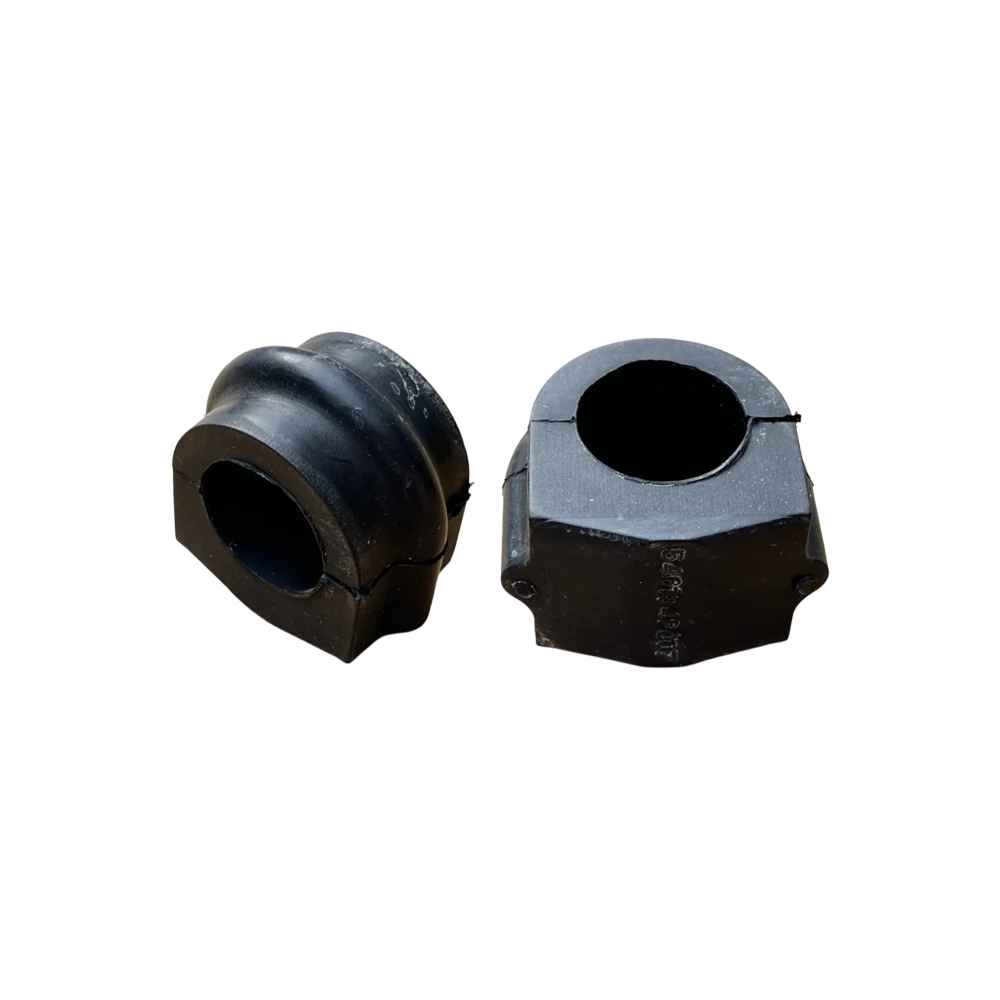
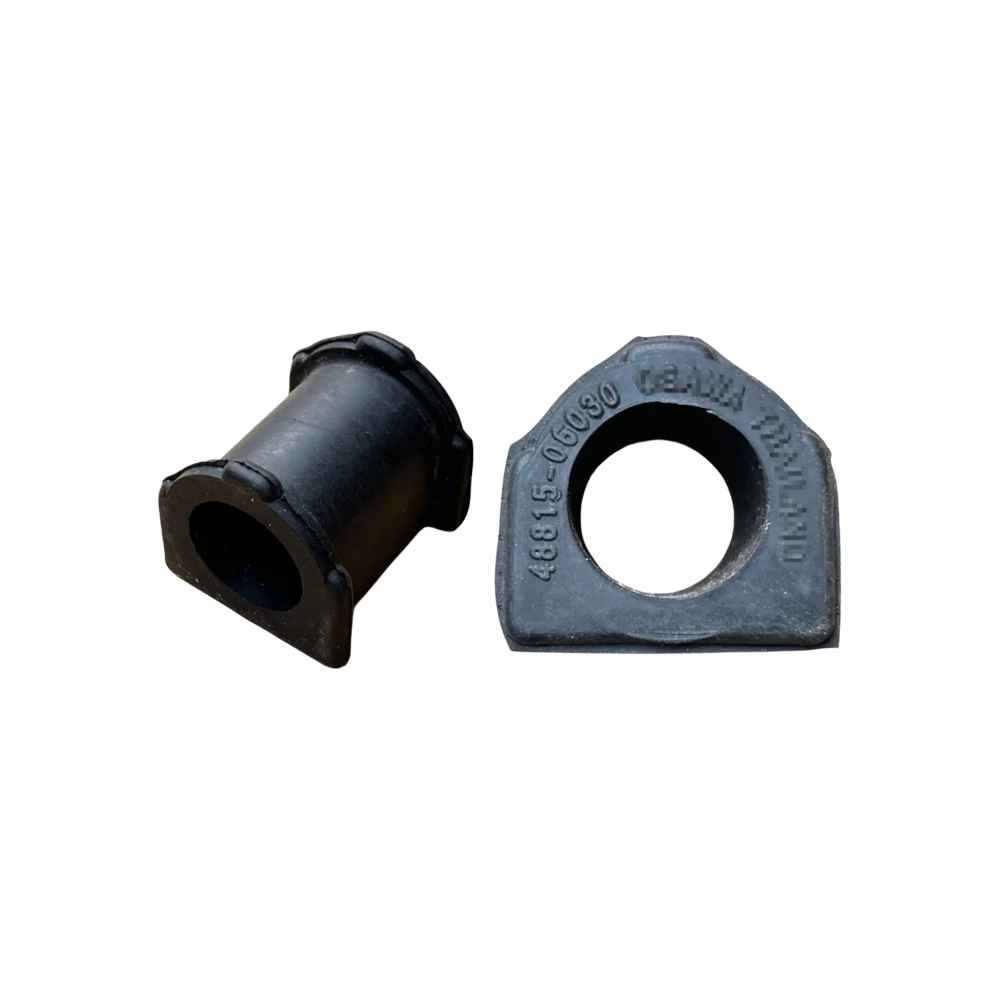
- Check Other Components: While you’re at it, inspect related parts such as Shock Absorber Boots and Stabilizer Bar Bushings to ensure everything is in tip-top shape.
Maintaining Your Strut Boots
Once you’ve installed new strut boots, regular maintenance can extend their lifespan. A simple visual inspection every few months can help catch issues before they escalate. Cleaning dirt and grime off the boots also helps maintain their integrity.
Conclusion: Investing Wisely in Strut Boots
Whether you opt for OEM or aftermarket strut boots, the main goal is to protect your vehicle’s suspension system effectively. Remember, choosing quality components makes a difference. You wouldn't want to skimp on something that plays such a pivotal role in your vehicle's safety and handling. So, do your homework and make informed decisions!