Understanding Valve Cover Seals
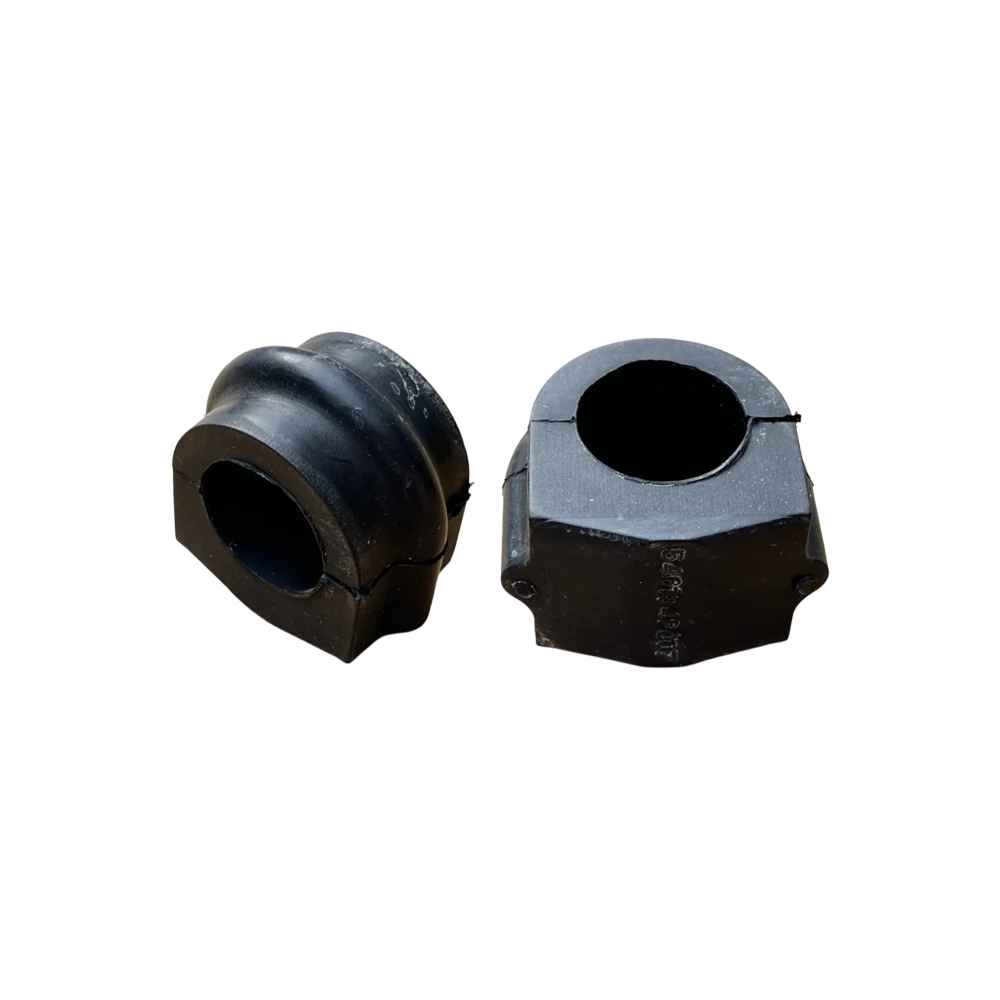
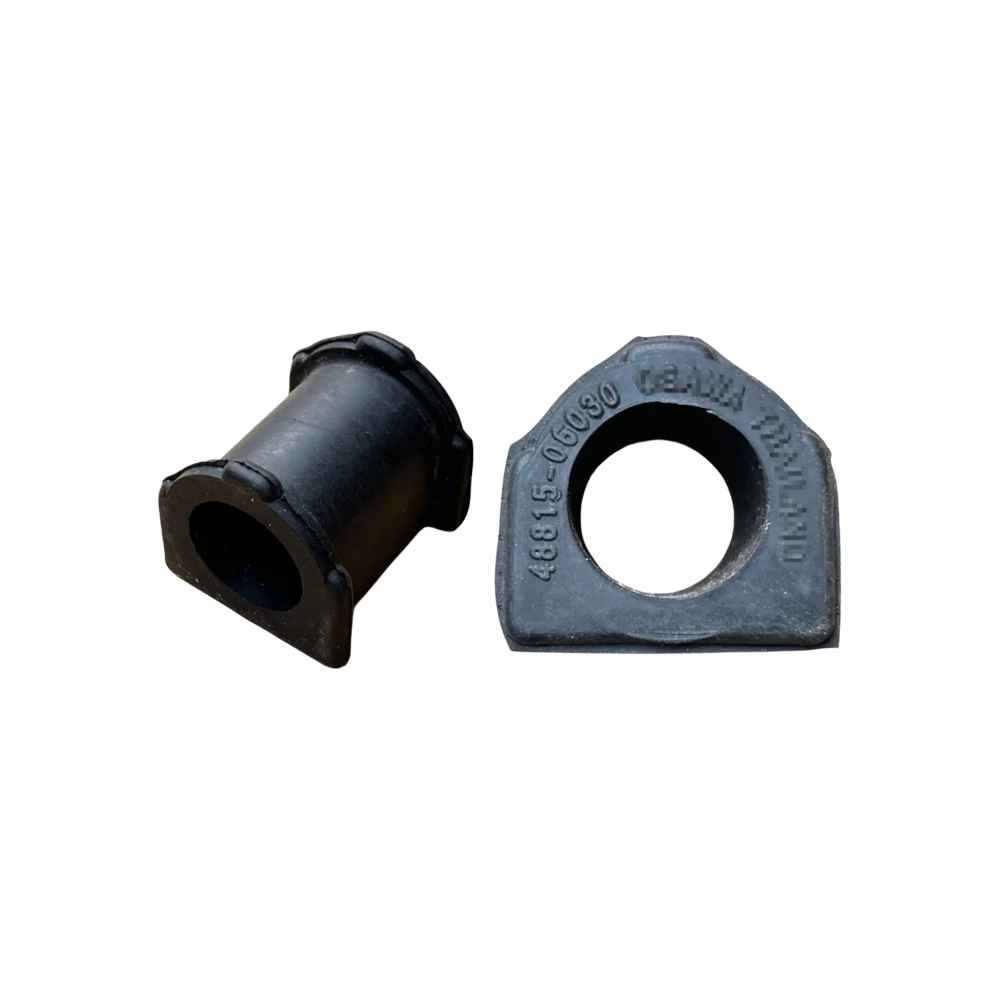
When it comes to maintaining a vehicle, one of the key components that often gets overlooked is the valve cover seal. These little guys play a crucial role in keeping oil contained within the engine and preventing leaks. With the rise of both OEM (Original Equipment Manufacturer) and aftermarket parts, knowing how to choose the right valve cover seals can be a game changer for your business.
OEM vs. Aftermarket: What’s the Difference?
OEM parts are made by the vehicle's manufacturer, ensuring exact specifications. On the other hand, aftermarket parts are produced by third-party companies. Sometimes, they offer better durability or price, but quality can vary significantly. When you're stocking up for 2025, think about what your customers prefer. It's like choosing between a fancy restaurant and a food truck; both can satisfy hunger but in different ways!
Selecting the Right Material
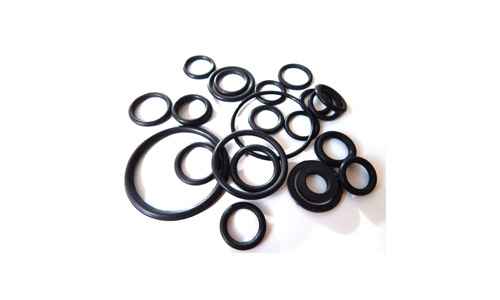
The material of valve cover seals can greatly affect performance. Common options include:
- Rubber: Known for its flexibility and resistance to corrosion. Great for most standard applications.
- Silicone: Offers higher temperature resistance, making it suitable for high-performance vehicles.
- Vinyl: Usually more affordable, but might not hold up as well in extreme conditions.
Consider your market. If you’re dealing with older cars, rubber might suffice, while modern engines may require silicone seals for optimal performance.
Compatibility Matters
It’s imperative to ensure that the seals you select are compatible with various makes and models. A popular brand like Guanghua, for example, has a reputation for producing seals that fit a broad range of vehicles. Having this kind of diversity not only attracts more customers but also simplifies your inventory management.
Common Signs of Wear
Before purchasing, educate your customers on the signs of worn-out seals. Oil leaks, increased engine noise, and even burning smells can indicate that it's time for a replacement. This can save your clients significant costs down the line if they catch issues early!
Performance Testing
Don’t just take a company’s word for it! Make sure to check whether the products have been rigorously tested. Look for seals that have passed industry standards, which can provide reassurance to both you and your customers. Some manufacturers even provide testing results that can help you make informed choices.
Price Points and Profit Margins
Pricing is definitely a balancing act. Too low, and you risk compromising quality; too high, and you might scare away potential buyers. Understand your market’s tolerance for pricing. You could consider stocking both premium brands and more budget-friendly options. This way, whether someone has a luxury vehicle needing high-quality seals or a daily driver looking for affordability, you’ve got them covered.
Installation Tips for Retailers
If you're planning to do installs, having some tips handy can create a positive experience for your customers. Here are some quick pointers:
- Always clean the surface of the valve cover before installation to ensure a tight seal.
- Use a proper torque wrench to avoid over-tightening, which can damage the seals.
- If replacing old seals, check for any debris or residue that might affect the new seal's performance.
Knowledge is power! Sharing these tips during sales or in-store clinics can enhance customer trust and loyalty.
Stocking Bestsellers
Evaluate sales data to identify best-selling valve cover seals. While it might be tempting to diversify wildly, focusing on the top sellers can streamline your operations. You might find that certain models fly off the shelves while others gather dust. Keep an eye out for trends and adjust your stock accordingly!
Conclusion
While I’m not writing a conclusion because that’s not my style, let’s wrap this up by saying that understanding the ins-and-outs of valve cover seals is essential for anyone in the automotive retail business. Whether you're leaning towards OEM parts, exploring aftermarket options, or wanting to get familiar with different materials, knowledge will always keep you ahead of the game.