Understanding Suspension Protection Bellows
In automotive hydraulic systems, suspension protection bellows play a crucial role in safeguarding components from dirt, moisture, and other environmental factors. These bellows are designed to withstand dynamic movements while providing a barrier against contaminants, thus ensuring the longevity and efficiency of the system.
The Importance of Material Selection
Choosing the right material for suspension bellows is paramount. The ideal material should possess excellent flexibility, durability, and resistance to various environmental conditions. Each application may require specific properties, which can make the selection process complex. In this regard, understanding the common materials used in the industry is essential.
Common Materials for Suspension Bellows
- Rubber: Traditional yet reliable, rubber bellows are widely used due to their elasticity and ability to dampen vibrations. However, they may degrade over time when exposed to UV rays or harsh chemicals.
- Polyurethane: This synthetic material offers superior abrasion resistance and is less susceptible to environmental damage compared to rubber. Polyurethane bellows are often preferred for high-performance vehicles.
- Silicone: Known for its exceptional temperature tolerance, silicone bellows can perform well in extreme conditions. They are often utilized in applications where heat buildup is a concern.
- Neoprene: Offering a balance between cost and performance, neoprene provides good chemical resistance and is suitable for a broader range of temperatures than standard rubber.
Evaluating Performance Requirements
When selecting materials for suspension protection bellows, it’s essential to consider the performance requirements of your specific application.
Factors to Consider
- Temperature Resistance: Understanding the thermal environment in which the bellows will function is critical. High-performance cars often operate under elevated temperatures, necessitating materials like silicone.
- Flexibility: The ability to flex without cracking or tearing is vital. This quality reduces wear on both the bellows and the components they protect.
- Environmental Exposure: Assess how much exposure the bellows will have to chemicals, water, and particulate matter. Choosing a material with enhanced resistance can prolong service life.
- Cost-effectiveness: While high-performance materials may offer better properties, they also come at a premium price. Finding the right balance between performance and budget is key.
Applications of Suspension Bellows
Suspension protection bellows can be found in various automotive applications. From passenger vehicles to heavy-duty trucks, these components are integral to maintaining operational efficiency.
Types of Vehicles
- Passenger Cars: Here, the focus is often on comfort and handling. Manufacturers might utilize CV Joint Boots and Steering Rack Boots to enhance performance.
- Off-Road Vehicles: These require tougher materials due to harsher environments. Using robust options like polyurethane can provide necessary resilience.
- Heavy-Duty Trucks: In these vehicles, stability and load-bearing capacity are paramount. Shock Absorber Boots play an important role in ensuring that safety and performance standards are met.
Case Study: Guanghua's Approach
Guanghua has established itself as a trusted brand in the manufacturing of high-quality suspension components, including various types of bellows. Their commitment to utilizing advanced materials ensures that their products meet rigorous industry standards.
Innovative Solutions
Guanghua employs state-of-the-art technology to develop bellows that not only meet but exceed customer expectations. By integrating features such as O-Rings & Rubber Sealing Rings within their bellows design, they enhance sealing capabilities while reducing potential leak points.
Challenges in Material Selection
Despite the plethora of options available, challenges still exist when choosing the appropriate material. One notable issue is the trade-off between performance and cost.
Balancing Performance and Cost
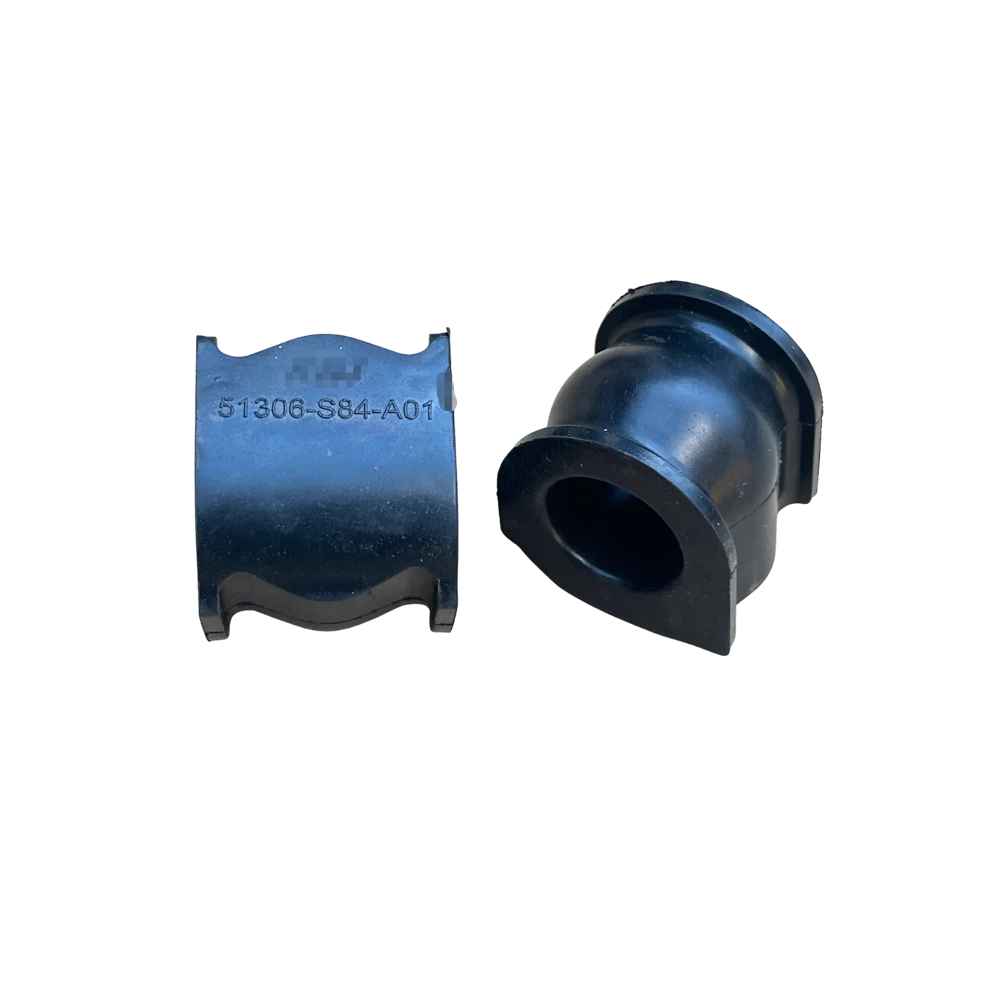
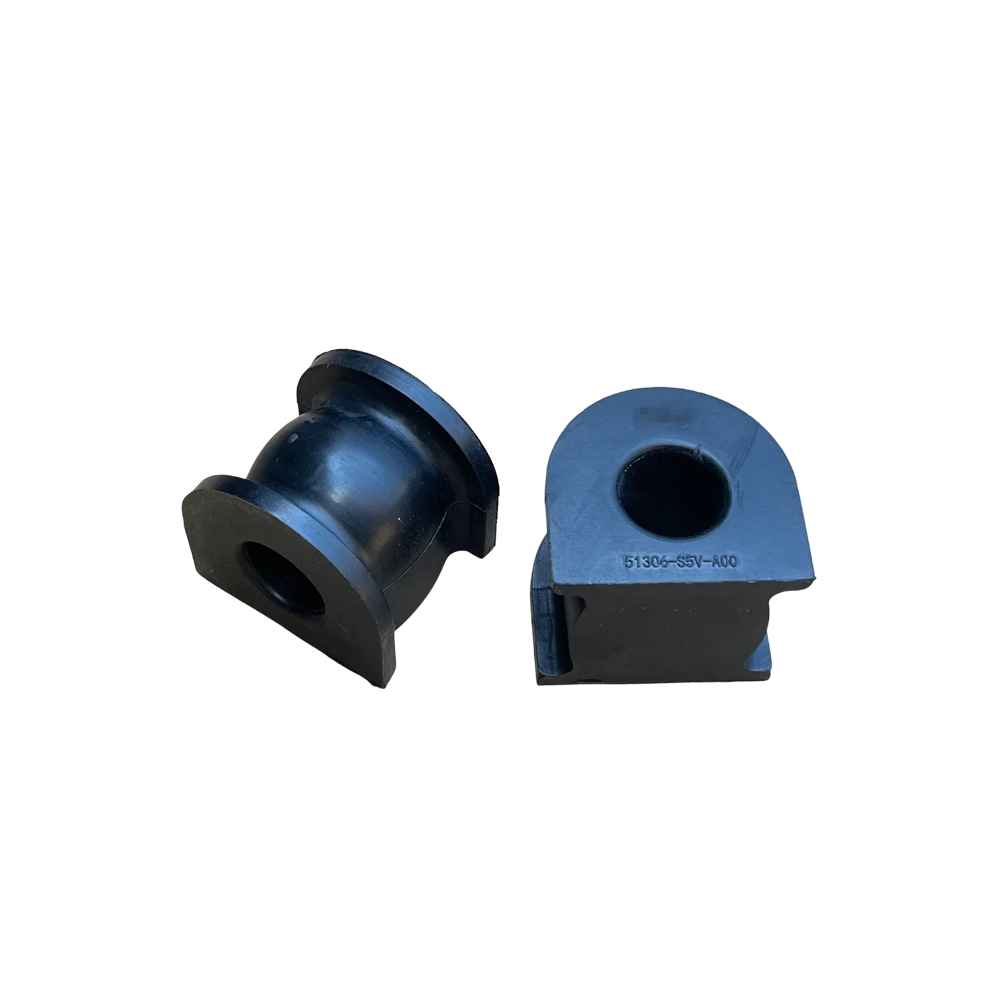
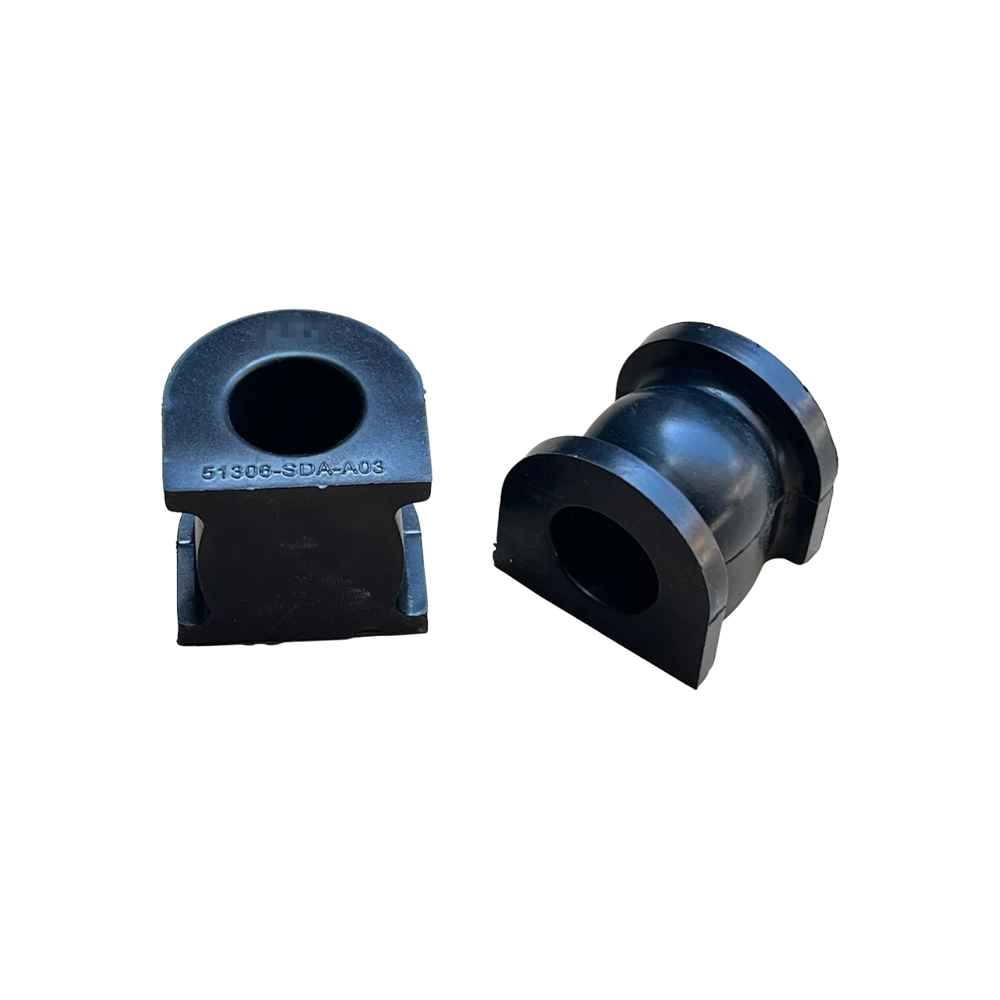
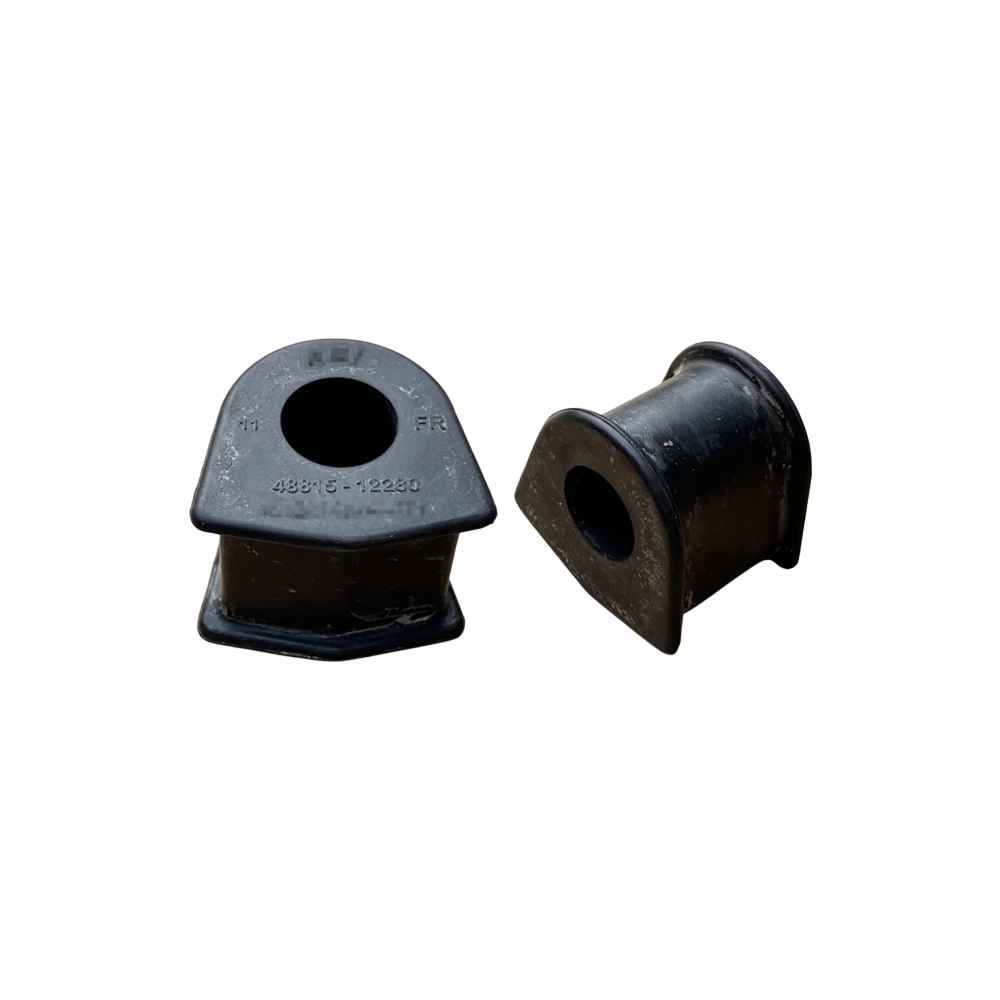
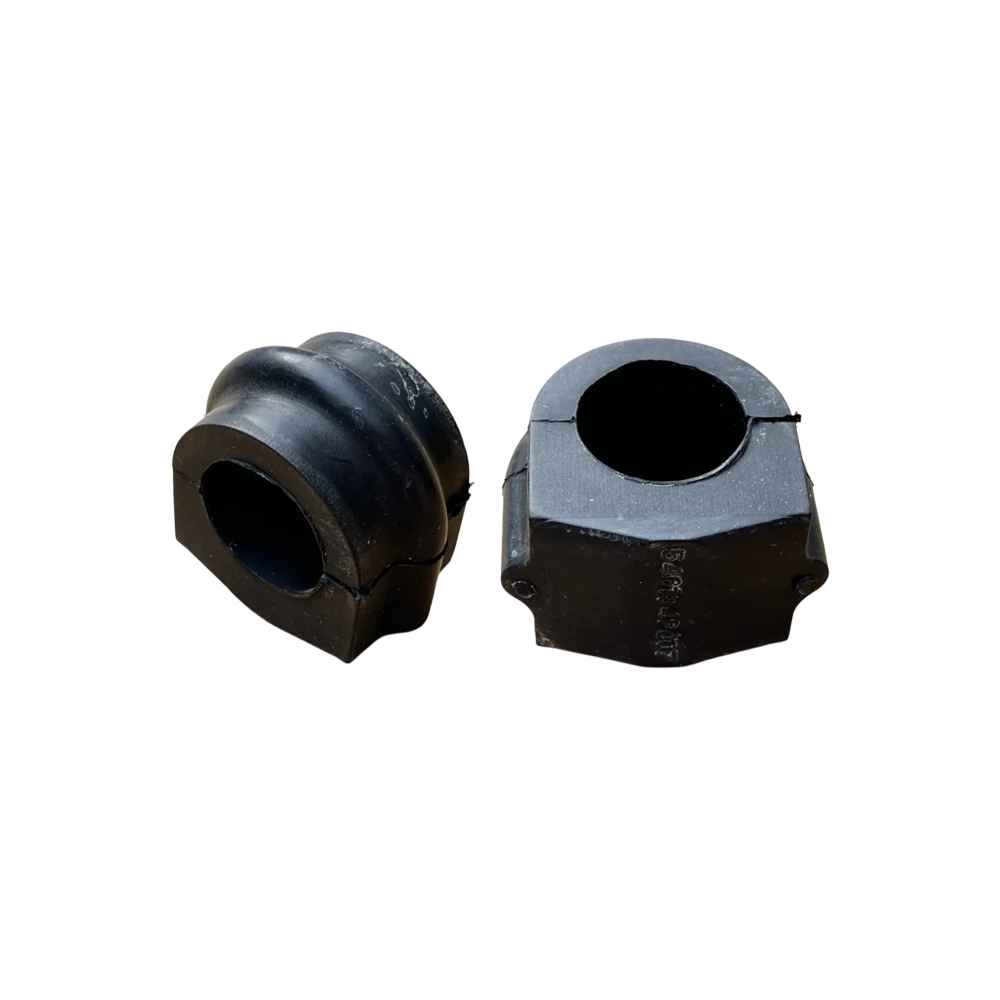
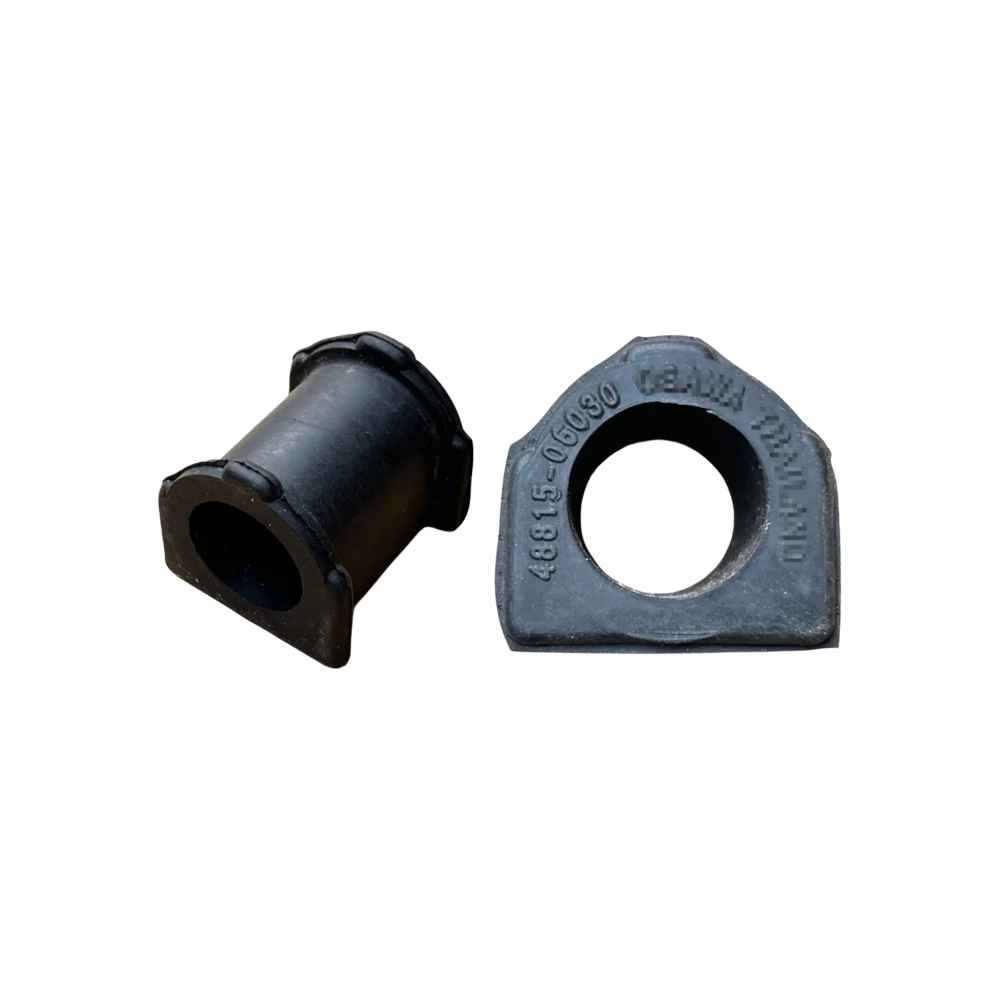
While it's tempting to opt for the lowest cost material, this can lead to significant long-term expenses due to increased maintenance and replacement costs. For instance, investing in high-quality Stabilizer Bar Bushings may seem pricey initially, but the durability can save money over time.

Future Trends
As the automotive industry evolves, so do the materials and technologies used in suspension systems. Innovations such as smart materials and composites are being explored for their potential to enhance the functionality and lifespan of suspension protection bellows.
Conclusion
Choosing the right material for suspension protection bellows in automotive hydraulic systems is more than just a decision; it plays a pivotal role in vehicle performance and reliability. By considering various materials and their properties, manufacturers can ensure that they select a solution that meets both performance and budgetary constraints. Whether opting for traditional rubber or advanced polyurethane, the right choice can significantly impact the overall efficiency of the system.