Understanding Oil Seepage and Leakage in Automotive Systems
Oil seepage and leakage are common issues affecting the performance of automotive systems, particularly within the chassis, steering, and suspension components. Such leaks can lead to various detrimental effects, including reduced lubrication, increased wear, and potential catastrophic failures if not addressed promptly.
The Role of Driveshaft Boots
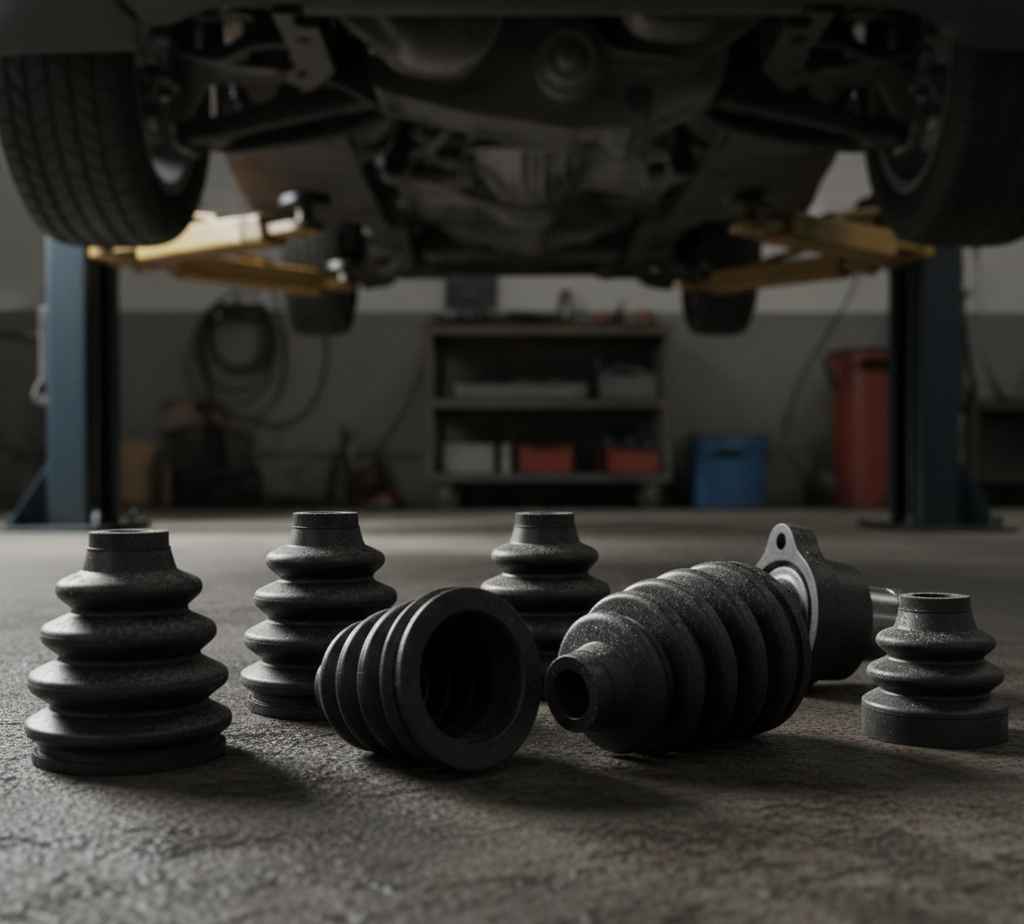
Driveshaft boots serve as crucial protective coverings for the joints and connection points within a vehicle's drivetrain. They ensure that grease remains contained while preventing dirt and contaminants from entering the sensitive areas of the driveshaft. When these boots become damaged or worn, oil seepage often occurs, leading to decreased functionality and longevity of the affected components.
Types of Boots in Automotive Applications
- CV Joint Boots : These specialized boots encase constant velocity joints, providing essential protection against moisture and debris. A compromised CV boot can result in grease loss, leading to early joint failure.
- Steering Rack Boots : Steering Rack Boots safeguard the steering mechanisms from dirt and grime while retaining lubricant. If these boots rupture, steering responsiveness may be negatively impacted.
- Shock Absorber Boots: Used to protect shock absorbers, these boots prevent dirt accumulation on critical moving parts, ensuring optimal performance and extending the life of the suspension system.
Consequences of Ignoring Oil Leaks
Failing to address oil leaks can have severe ramifications for vehicle safety and operational efficacy. For instance, a leaking CV joint boot may lead to premature wear of the joint itself, which could necessitate costly repairs or complete replacements. Moreover, oil leaks can contribute to environmental contamination and pose fire hazards, particularly when flammable fluids escape onto hot engine components.
Solutions to Prevent Oil Seepage
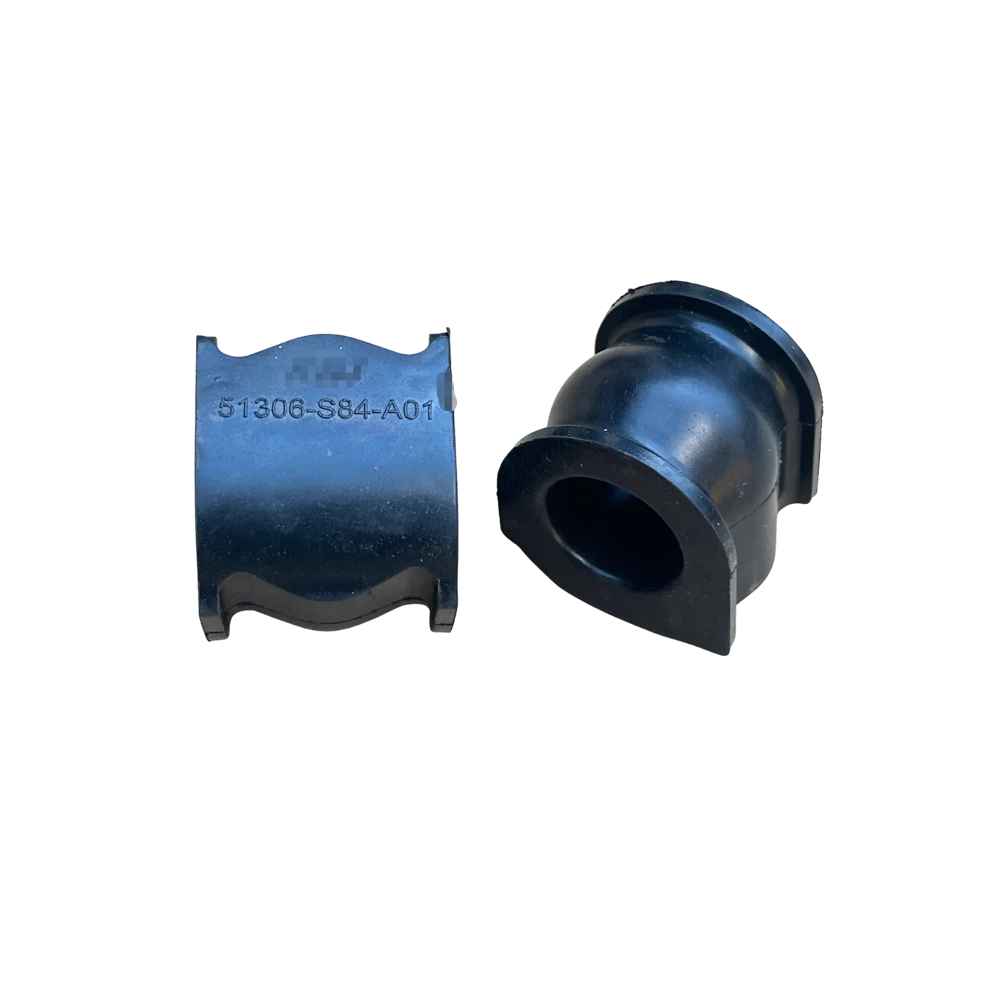
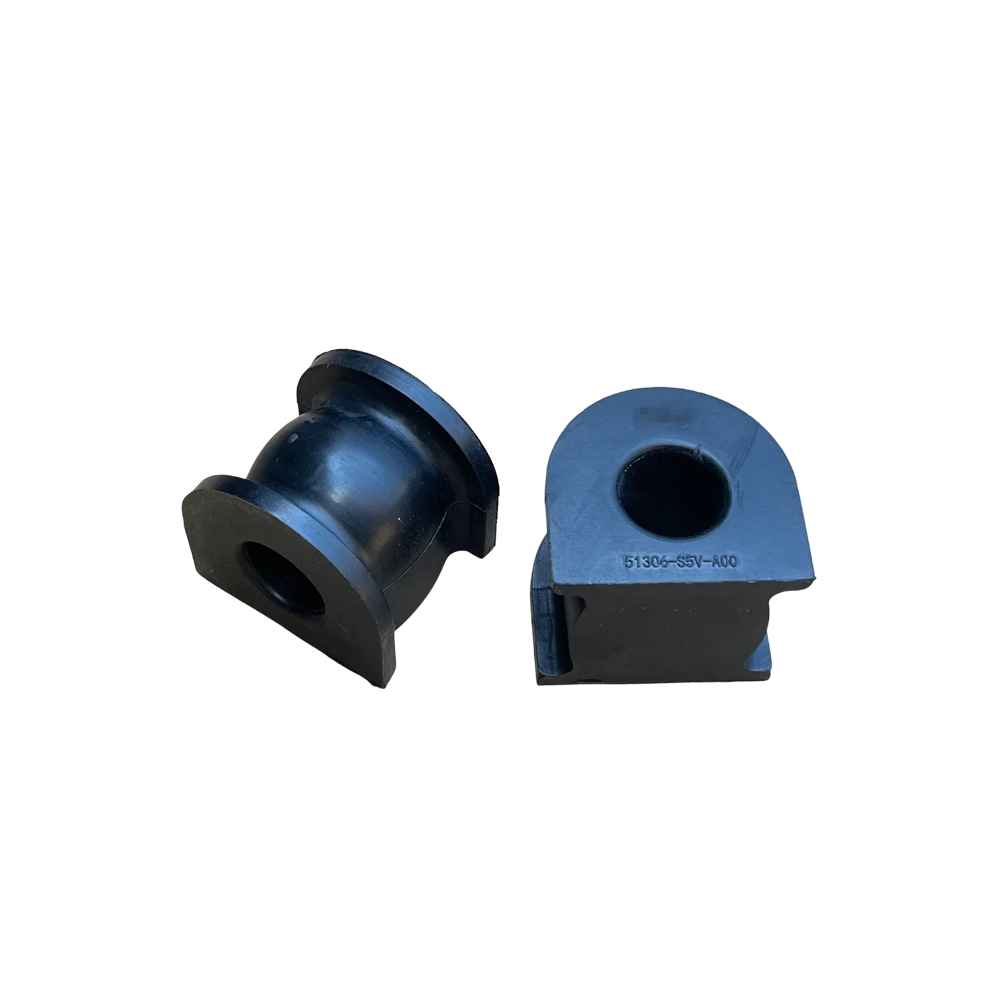
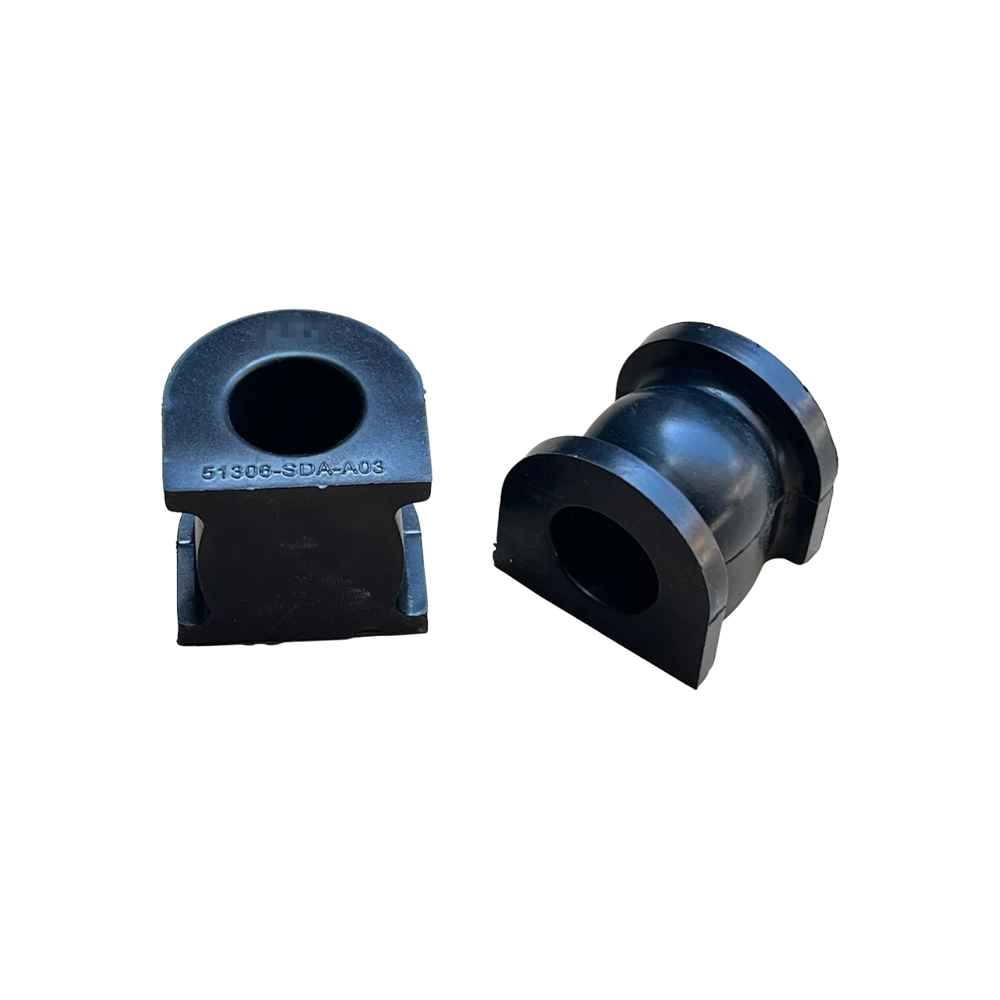
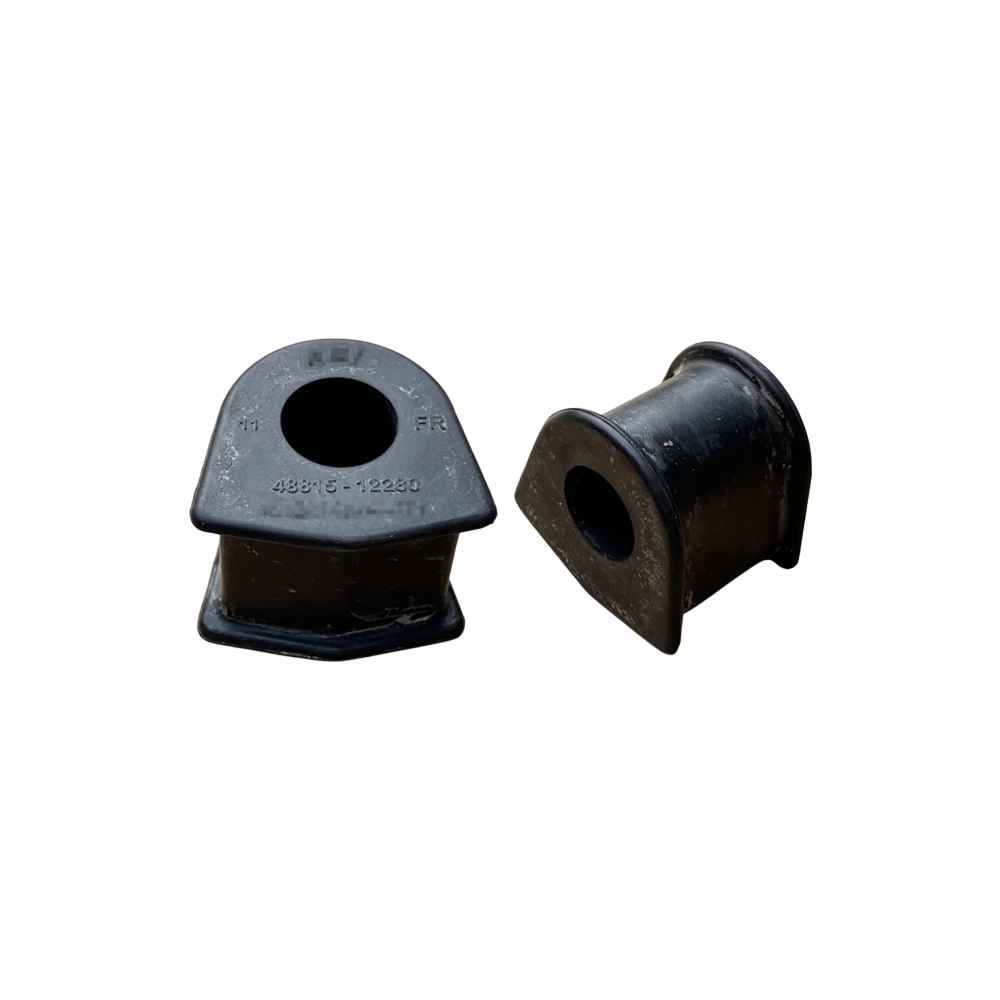
To effectively tackle oil seepage and leakage, it is paramount to employ high-quality replacement components designed for durability and resilience. Brands like Guanghua offer an array of advanced boots that are specifically engineered to withstand harsh conditions while maintaining their integrity.
Choosing the Right Replacement Parts
- Material Quality: Look for boots made from premium rubber compounds or thermoplastic materials that resist wear and exposure to oils and chemicals.
- Compatibility: Ensure that replacement boots are compatible with your specific vehicle make and model to guarantee optimal fit and function.
- Installation Methods: Familiarize yourself with effective installation techniques to avoid future leaks. Properly sealing all edges and using appropriate clamps will enhance the longevity of the installation.
Additional Components to Consider
In conjunction with driveshaft boots, other sealing elements such as O-Rings & rubber sealing rings play a vital role in preventing leaks throughout various vehicle systems. These components provide reliable seals that hold lubricants in place and keep contaminants at bay.
Routine Maintenance Practices
- Regular Inspections: Frequently checking for signs of wear or damage on boots and seals can prevent minor issues from escalating into major problems.
- Fluid Level Monitoring: Keeping tabs on fluid levels helps identify potential leaks early, allowing for timely interventions.
- Environmental Awareness: Being mindful of driving conditions and environmental factors can also prolong the lifespan of these components. Extreme temperatures or exposure to harsh chemicals can hasten deterioration.
Conclusion on Effective Leak Management
Effectively managing oil seepage and leakage involves understanding the roles of various components such as driveshaft boots and other seals. By investing in quality products from reputable brands and adhering to routine maintenance practices, vehicle owners can ensure their systems remain leak-free and operate efficiently for years to come. Addressing leak issues promptly not only saves money but also enhances overall vehicle safety.