Understanding Oil Seepage and Leakage in Hydraulic Systems
In the realm of automotive engineering, oil seepage and leakage are not just inconveniences; they can lead to significant performance issues. Many vehicle owners may overlook these problems until they become pronounced, but it's crucial to acknowledge them early on.
The Mechanics Behind Oil Seepage
Oil seepage typically occurs when there are weaknesses in the seals or gaskets within a hydraulic system. These components, like the Valve Cover Gasket , play a vital role in maintaining pressure and preventing fluid loss. A worn-out gasket can lead to reduced efficiency, increased noise, and ultimately, costly repairs.
Identifying Signs of Leakage
Common indicators of oil leakage include:
- Puddles or spots of oil under the vehicle.
- Lower oil levels in the reservoir.
- Unusual noises from the engine or hydraulic systems.
Recognizing these symptoms promptly allows for timely interventions, minimizing the risk of severe system failures.
Advanced NVH Reduction Solutions
Noise, Vibration, and Harshness (NVH) is a critical aspect of automotive design. When dealing with leaking hydraulic systems, addressing NVH concerns becomes paramount. Advanced solutions focus on reducing the impact of vibrations caused by hydraulic components.
Innovative Materials for Better Performance
One effective strategy is to utilize high-quality materials in the manufacturing of sealing components. For instance, utilizing superior O-Rings & Rubber Sealing Rings can significantly enhance leak resistance. Brands like Guanghua offer products specifically designed to withstand extreme conditions, ensuring long-term reliability.
Importance of Proper Installation
Even the best components can fail if not installed correctly. It’s essential to follow manufacturer guidelines meticulously during installation. The right torque and alignment can help prevent premature wear, ultimately safeguarding against leakage. Regular checks on components such as Steering Rack Boots and Shock Absorber Boots are also advisable for optimal performance.
Maintenance Tips to Prevent Oil Seepage
Preventive maintenance is key to avoiding oil seepage and leakage. Here are some tips:
- Regularly inspect all hydraulic components.
- Use quality lubricants that meet OEM specifications.
- Replace gaskets and boots at recommended intervals.
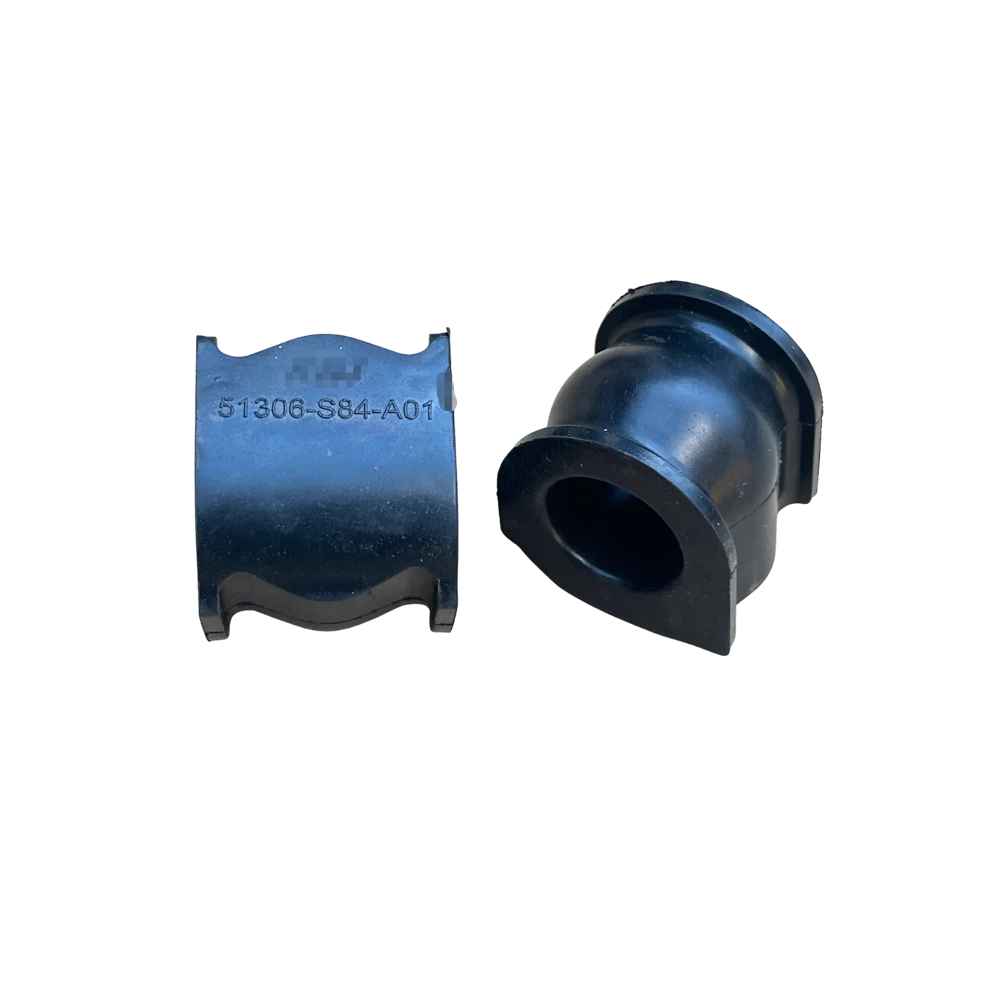
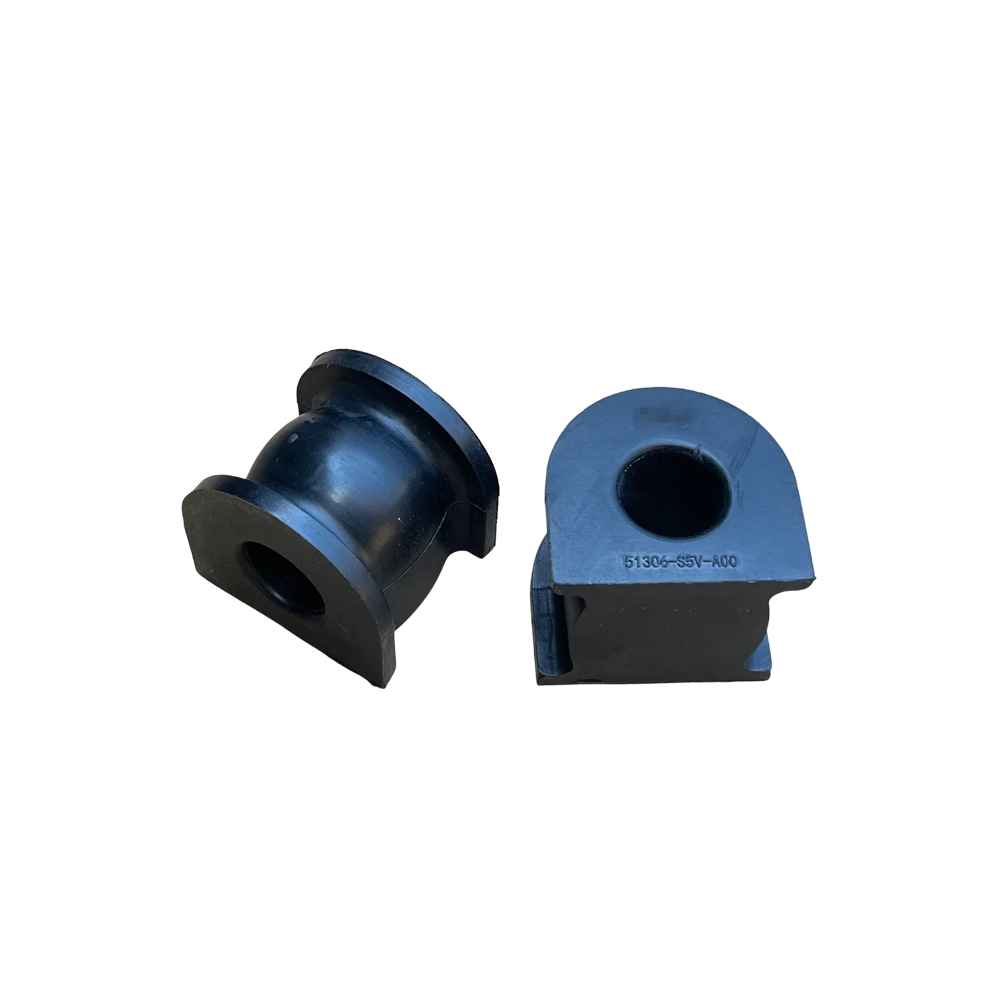
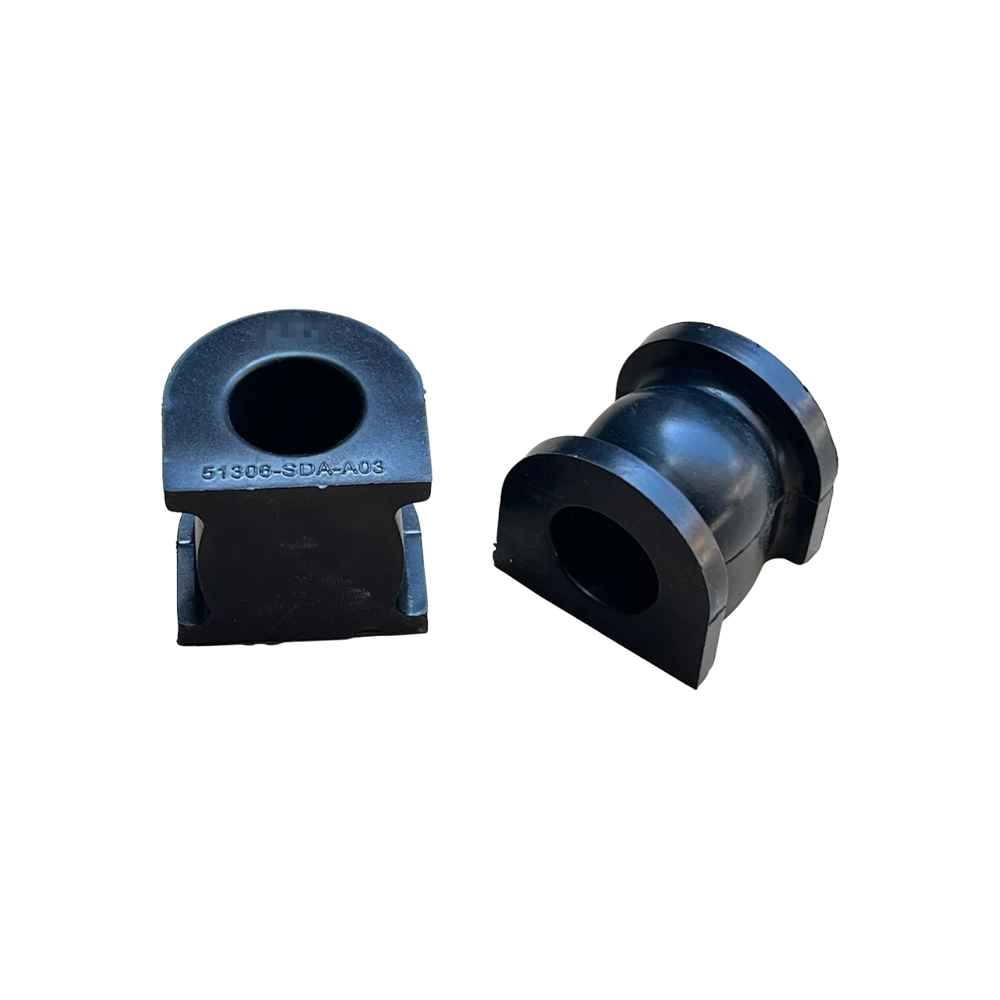
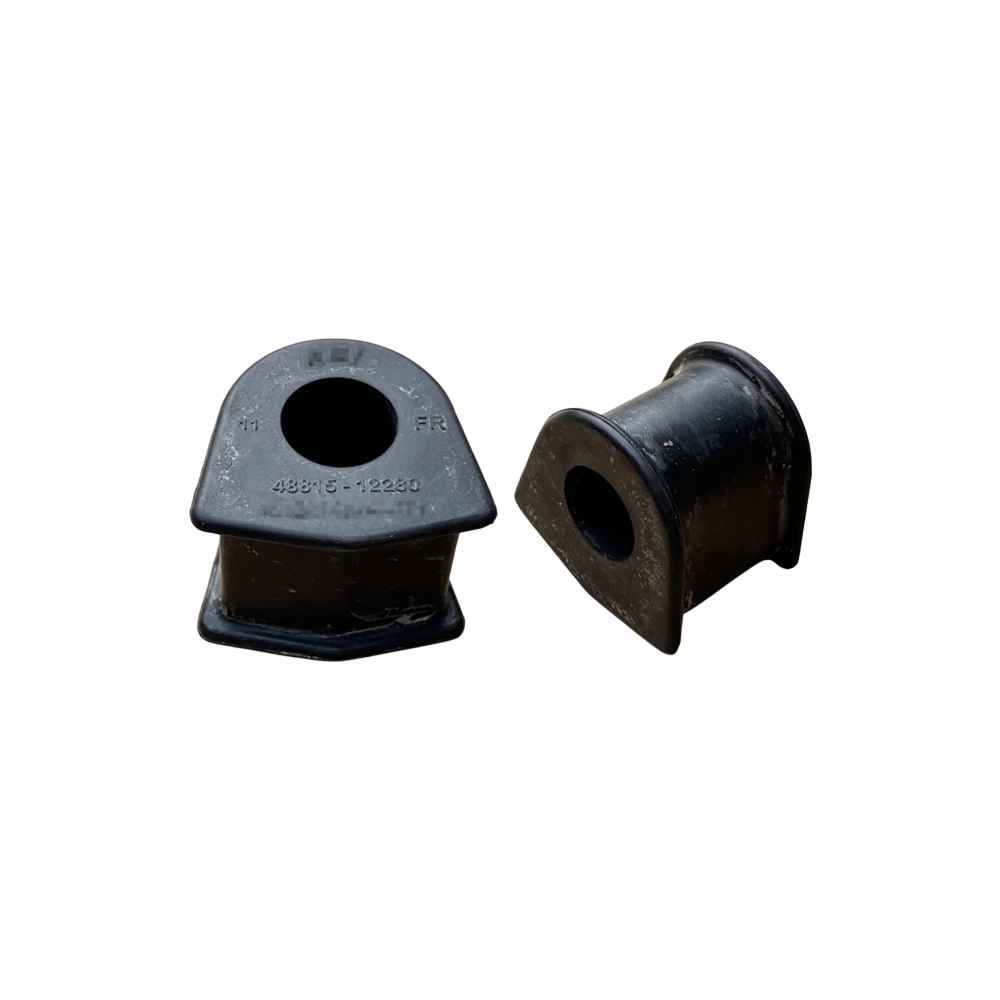
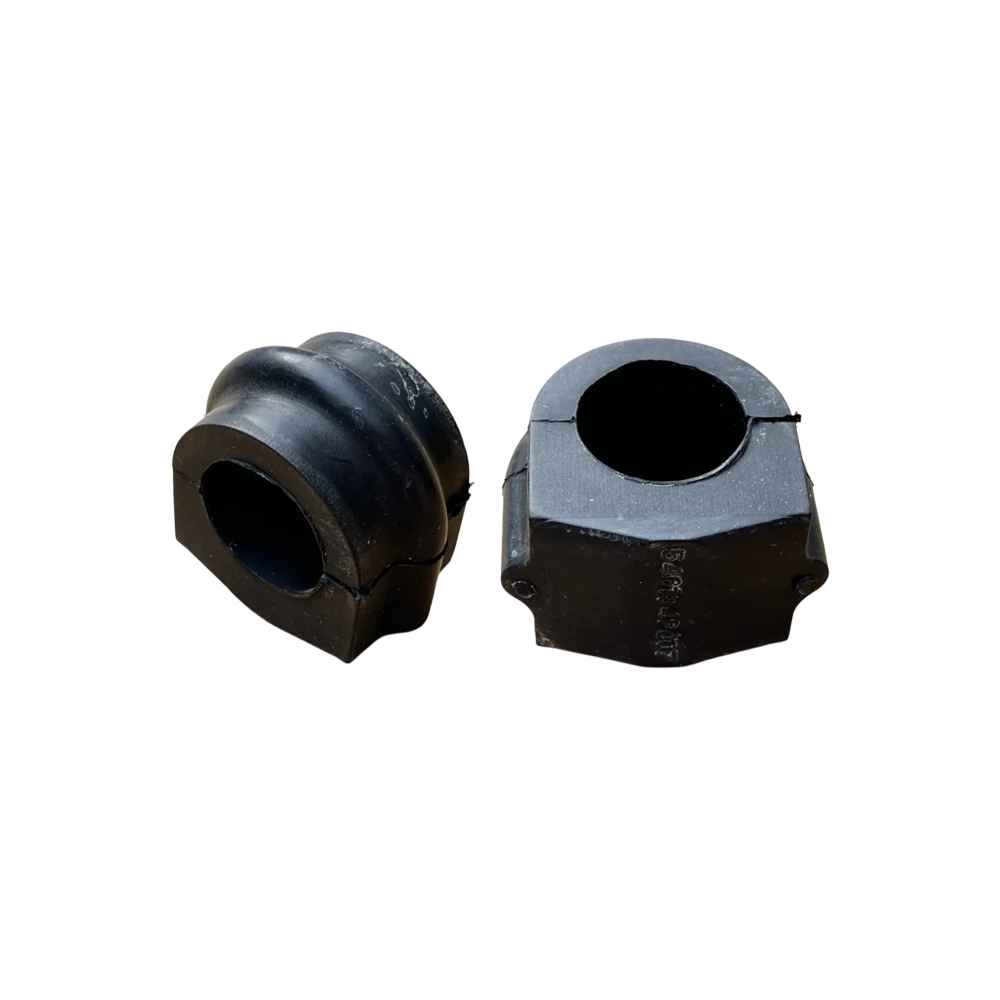
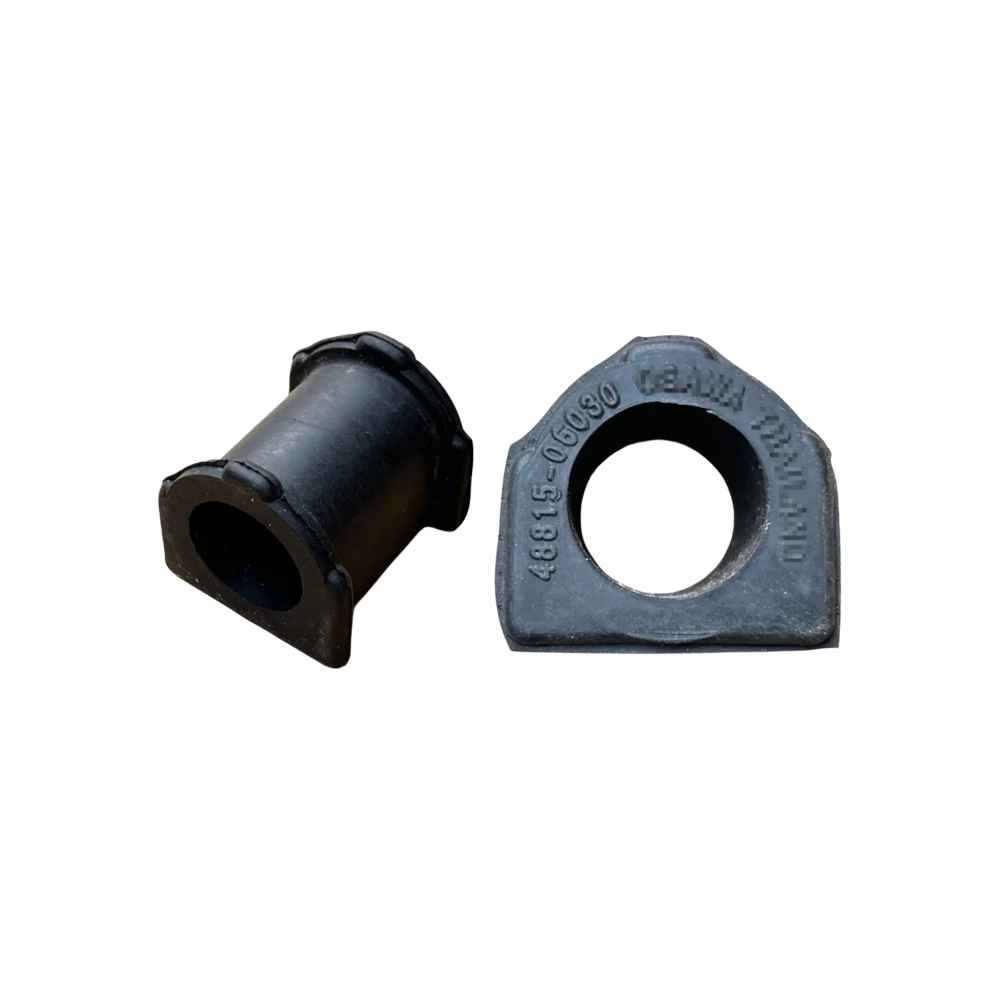
- Monitor for signs of wear and tear, particularly in stabilization components like Stabilizer Bar Bushings .
Sealing Technologies in Focus
Implementing modern sealing technologies can drastically reduce the likelihood of leaks. Advances in polymer science have led to the development of more resilient materials that can handle temperature fluctuations and pressure changes better than traditional options.
Case Studies: Successful Implementation
Several automotive manufacturers have successfully integrated advanced sealing solutions into their hydraulic systems, leading to remarkable improvements in performance and customer satisfaction. For example, using enhanced CV Joint Boots helped reduce vibration significantly while simultaneously eliminating oil seepage, showcasing the dual benefits of modern technology.

Conclusion: Taking Action Now
Addressing oil seepage and leakage involves a combination of understanding the underlying mechanics, applying advanced NVH reduction techniques, and committing to regular maintenance. By taking proactive measures, vehicle owners can ensure their hydraulic systems perform optimally without the worry of leakage-related issues.