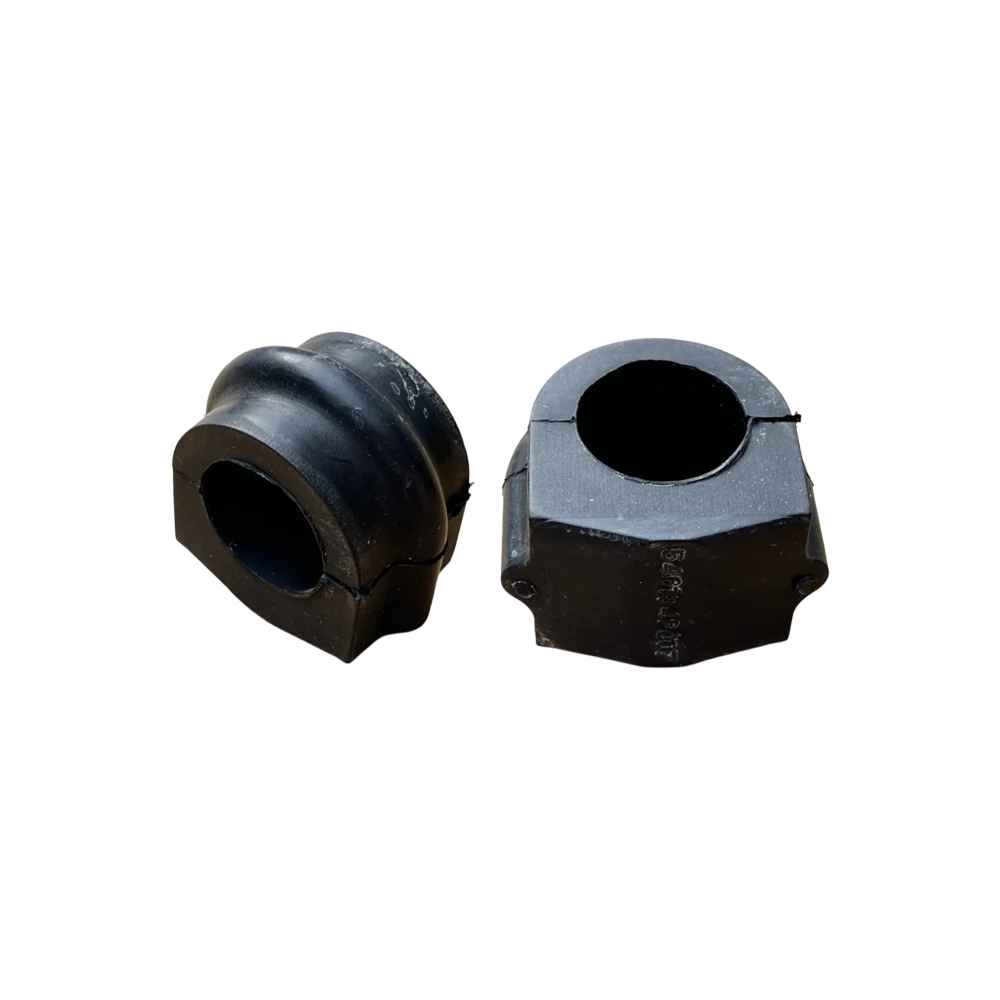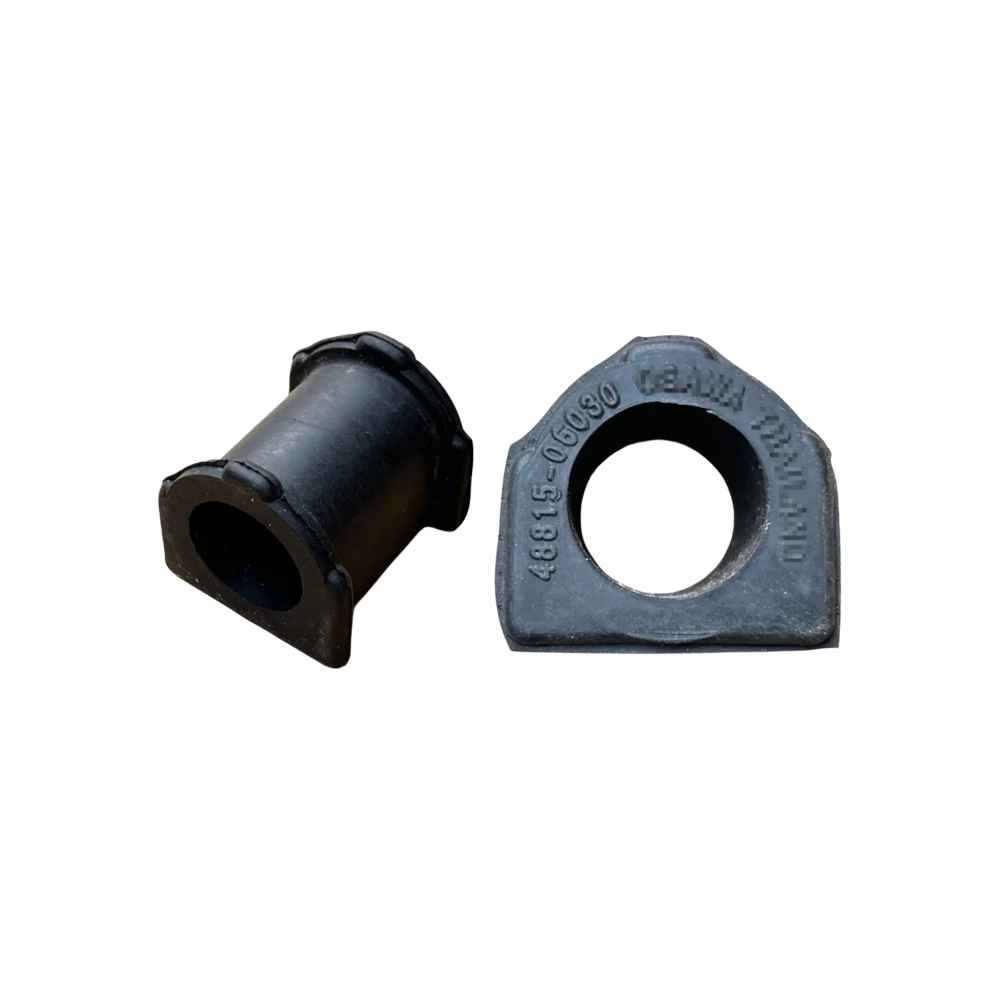
Understanding Driveshaft Boots
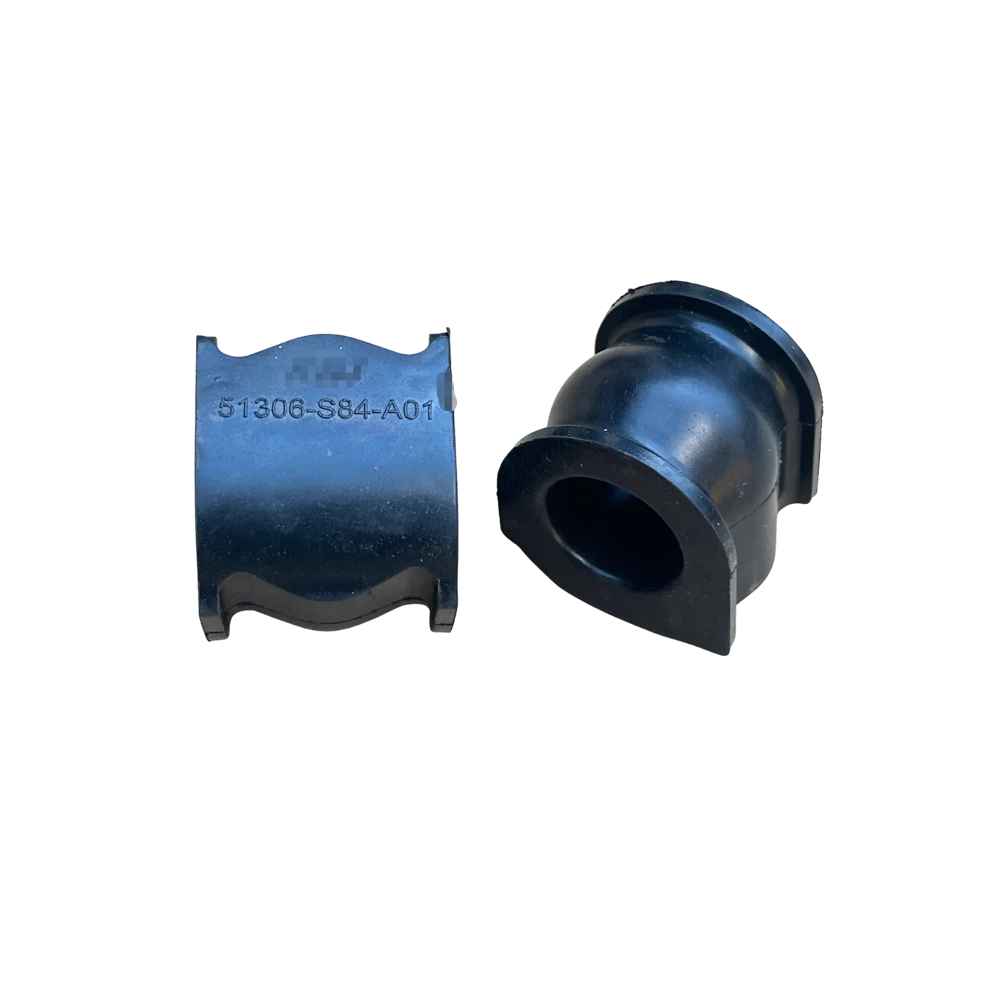
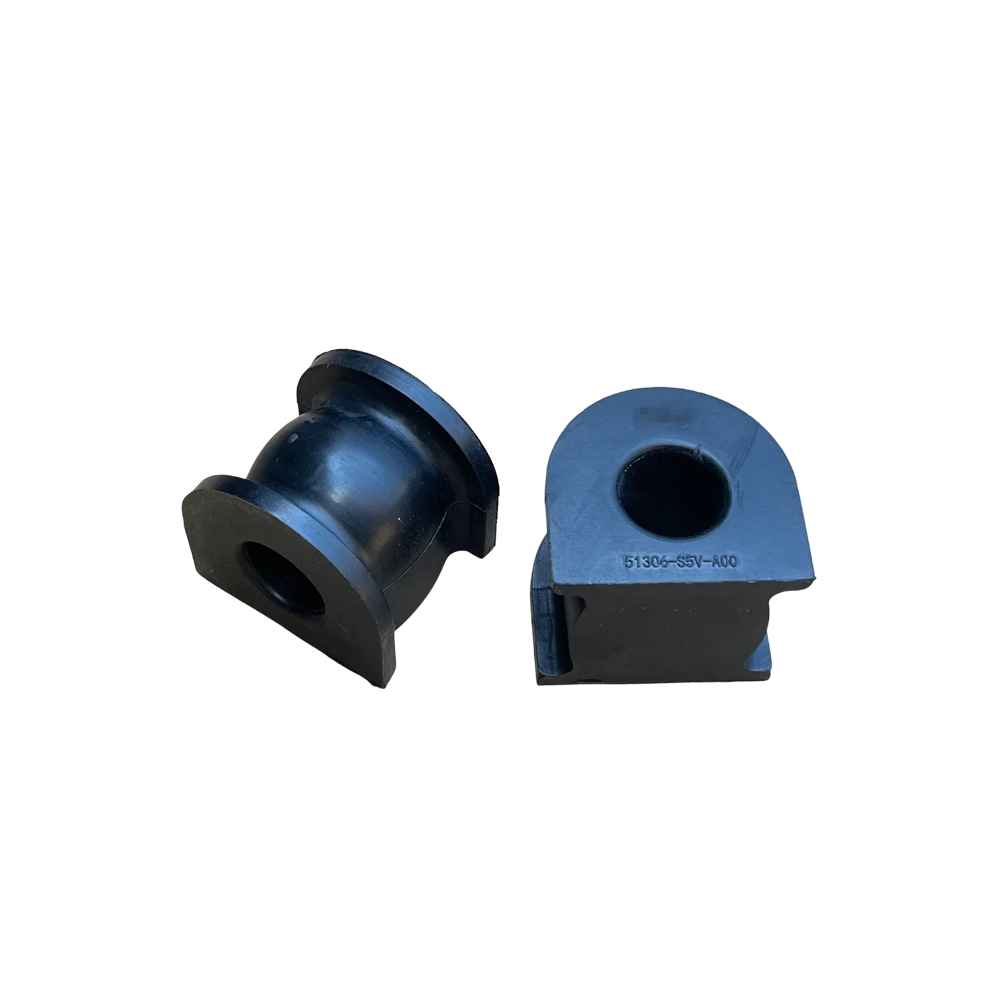
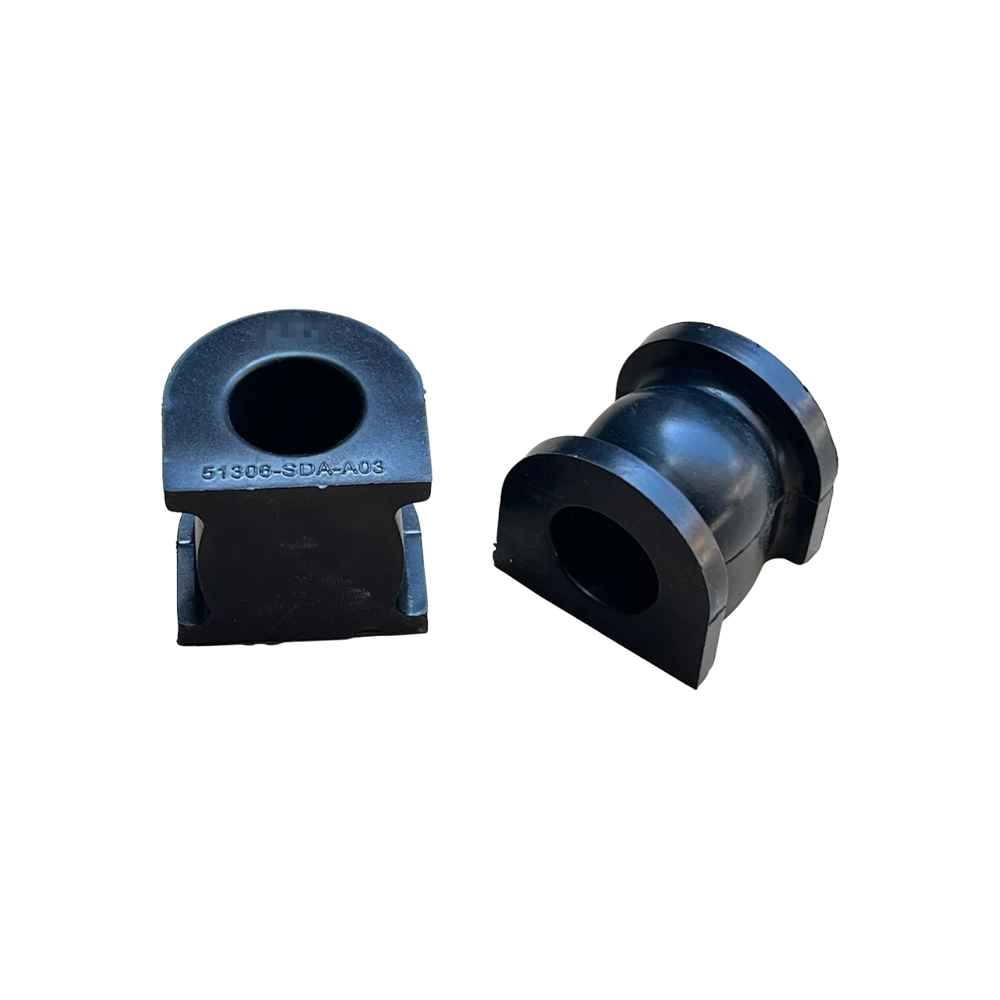
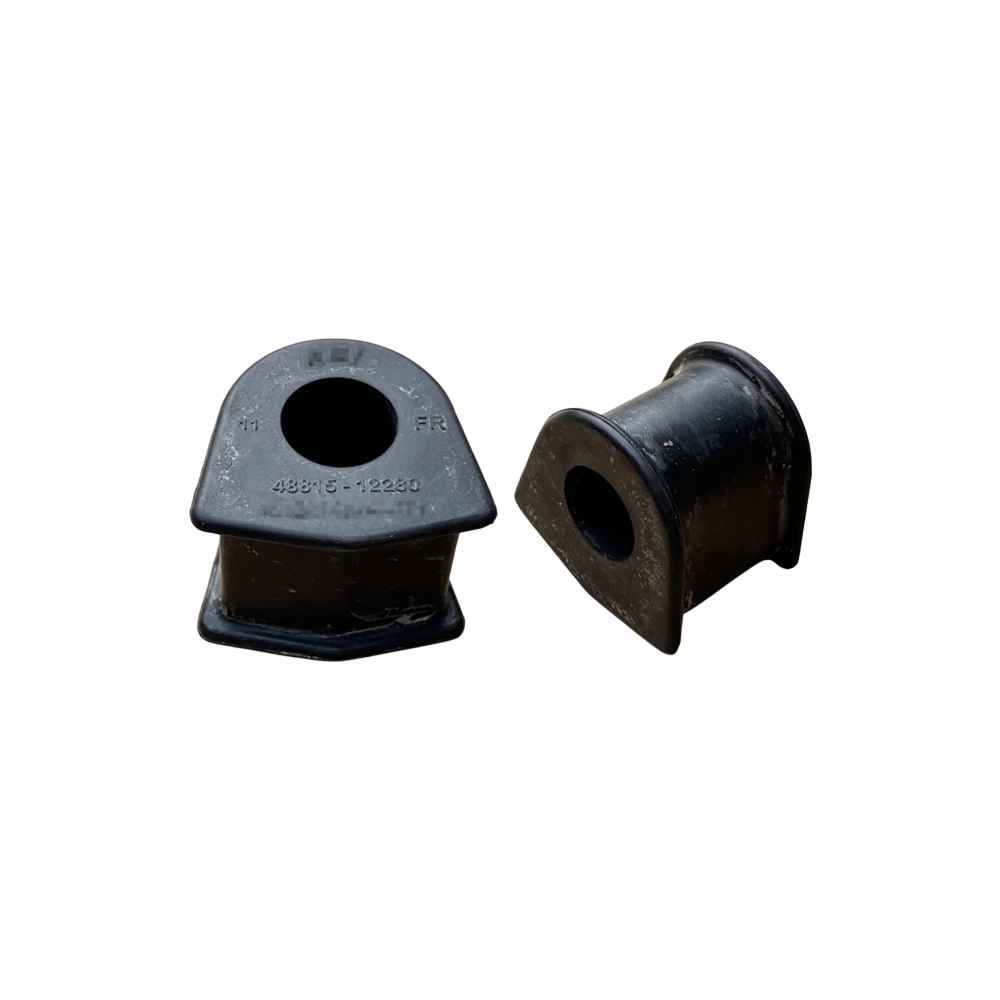
Driveshaft boots, critical components in automotive applications, serve the primary purpose of protecting the driveshaft joints from dirt, moisture, and other contaminants. The integrity of these boots directly influences the performance and longevity of the vehicle's drivetrain system.
Importance of Material Selection
The selection of material for driveshaft boots is paramount, as it affects durability, flexibility, and resistance to environmental factors. Among the widely used materials are NBR (Nitrile Butadiene Rubber), Viton (Fluoroelastomer), and silicone. Each material possesses unique characteristics suitable for specific applications.
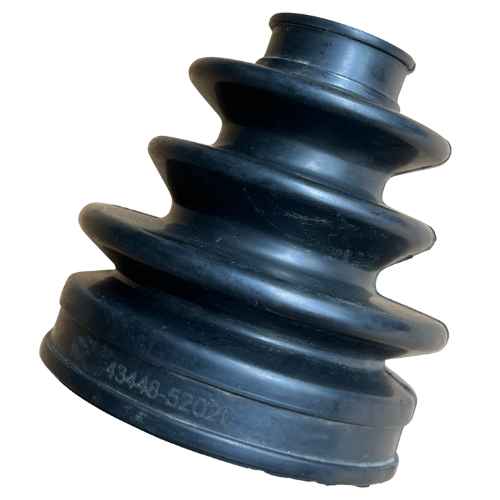
NBR vs. Viton vs. Silicone: A Comparative Analysis
When choosing the most suitable material for driveshaft boots, understanding the differences between NBR, Viton, and silicone is essential. Below is a comparative analysis highlighting key attributes:
- NBR (Nitrile Butadiene Rubber): Known for its excellent oil resistance, NBR makes an ideal choice for environments where exposure to lubricants is common. However, it may not perform well under extreme temperature conditions.
- Viton (Fluoroelastomer): Recognized for its superior heat and chemical resistance, Viton is particularly advantageous in high-performance applications and extreme environments, making it a preferred choice in industries like automotive and aerospace.
- Silicone: While silicone offers great flexibility and excellent resistance to extreme temperatures, its mechanical strength can be lower than that of NBR and Viton, which may limit its use in heavy-duty applications.
Assessing Environmental Conditions
In addition to the material properties, one must also consider the operating environment when selecting driveshaft boots. Factors such as temperature fluctuations, chemical exposure, and potential abrasion from road debris play significant roles. For example, if the vehicle operates in harsh conditions, opting for Viton or even specialized silicone formulations might provide better protection compared to standard NBR.
Application Specificity
Different vehicles and their applications necessitate varying specifications. Performance cars, for instance, may require driveshaft boots made from Viton to withstand higher levels of heat and stress, while everyday passenger vehicles might achieve adequate performance with NBR. Therefore, aligning the boot material with the vehicle's operational intent is crucial.
Quality Assurance and Certification
Selecting a manufacturer that adheres to TS16949/ISO standards ensures a commitment to quality and reliability. Such certifications indicate that the manufacturer has implemented stringent quality management processes throughout production. Companies like Guanghua have built reputations based on compliance with these international standards, providing customers with peace of mind regarding product performance.
Manufacturing Considerations
Modern manufacturing techniques, including precision molding and advanced rubber compounding, contribute significantly to the performance of driveshaft boots. When evaluating suppliers, consider their expertise in these areas, as well as their ability to produce customized solutions that meet specific application requirements.
Installation and Maintenance
Proper installation of driveshaft boots is vital for ensuring their effectiveness. An improperly installed boot can lead to premature failure, allowing contaminants to enter the joint and cause damage. Regular inspection of the boots for signs of wear or cracking is recommended, especially in high-stress applications. Routine maintenance can prevent costly repairs down the line.
Common Issues and Troubleshooting
Despite taking precautions, issues may arise. Common problems include tearing, slipping off the driveshaft, and degradation due to environmental factors. Understanding the symptoms associated with each issue can help in troubleshooting effectively.
- Tears and Cracks: Often caused by excessive heat or physical wear, this requires immediate attention to replace damaged boots before contaminants compromise the driveshaft.
- Boot Slippage: Incorrect sizing during installation can lead to slippage, necessitating reinstallation or replacement with properly sized boots.
- Degradation: Exposure to harsh chemicals or UV light can lead to material breakdown; hence, using high-quality materials is crucial.
Conclusion on Choosing Driveshaft Boots
Ultimately, selecting the best driveshaft boots involves a comprehensive evaluation of material properties against the demands of specific vehicle applications. By considering factors such as environmental conditions, application specificity, and manufacturer credibility—as exemplified by brands like Guanghua—one can make informed decisions that enhance vehicle performance and longevity.
In summary, investing time in understanding the nuances of driveshaft boot materials and adhering to quality assurance practices is essential for successful vehicle maintenance and operation.