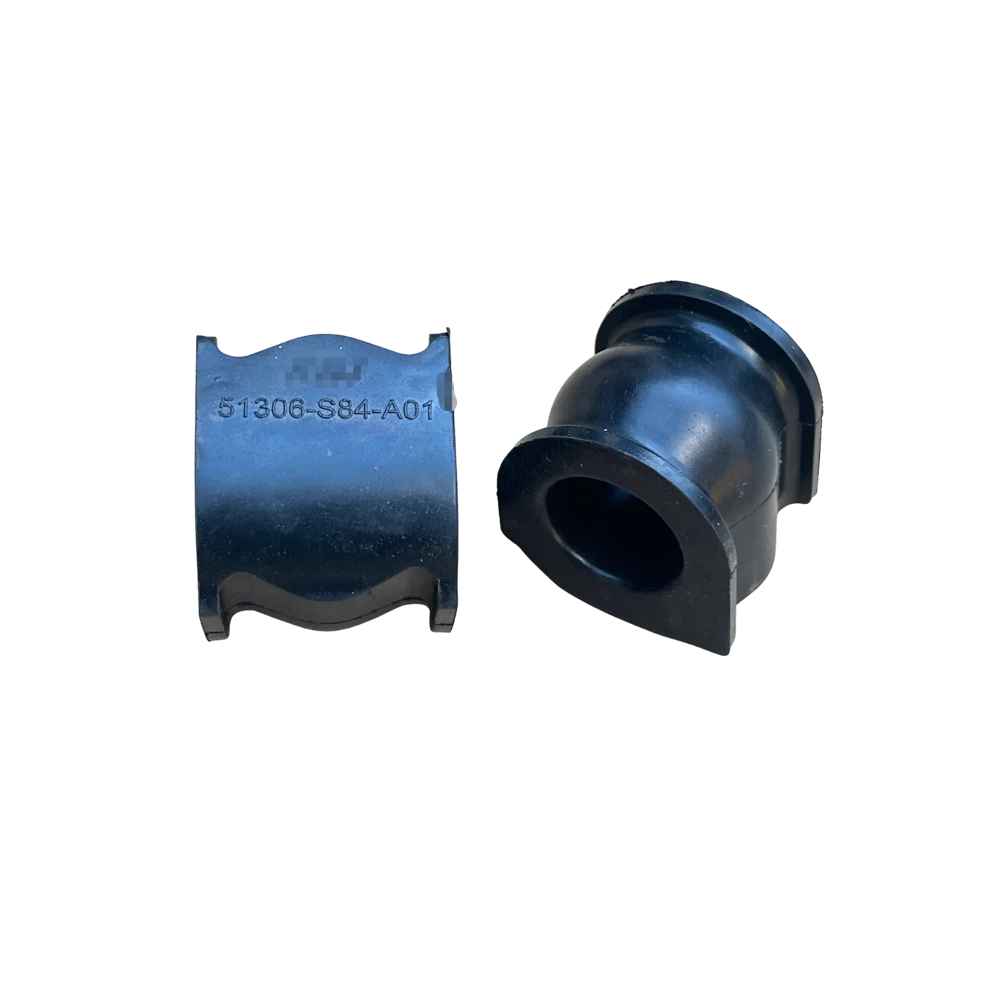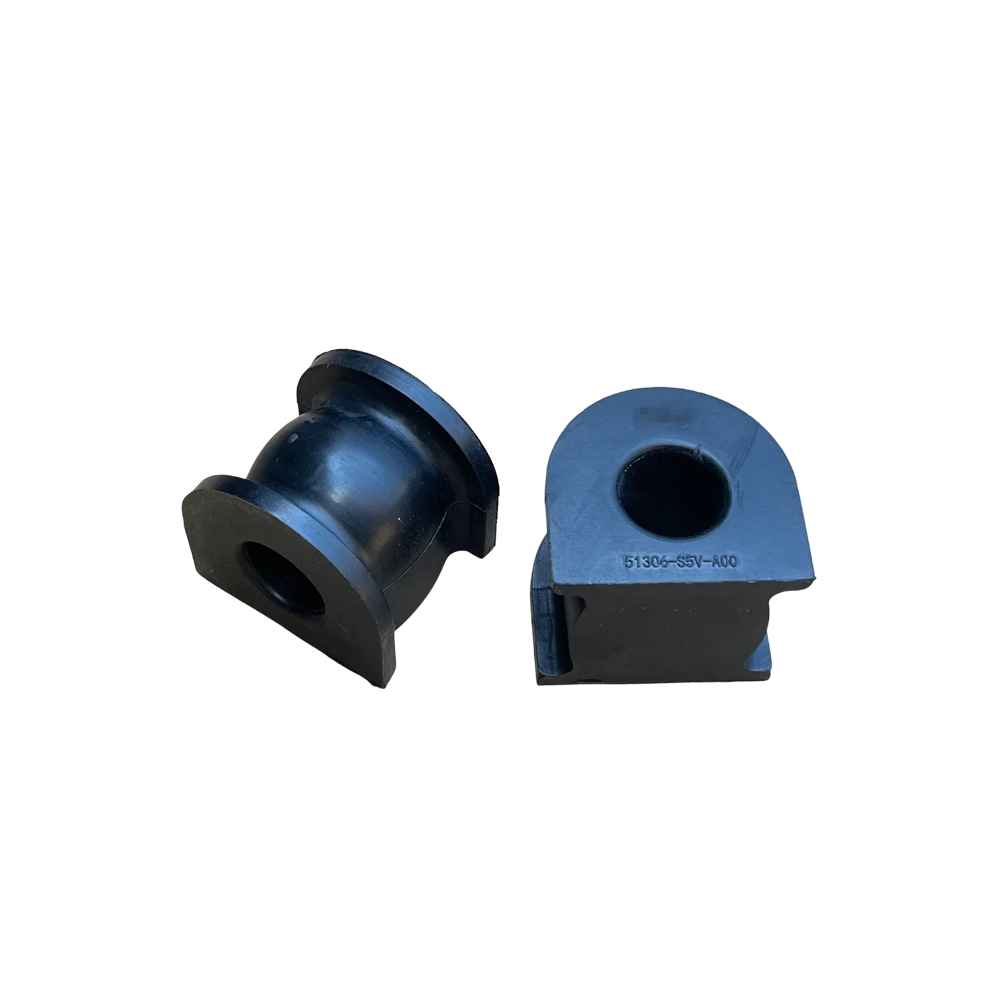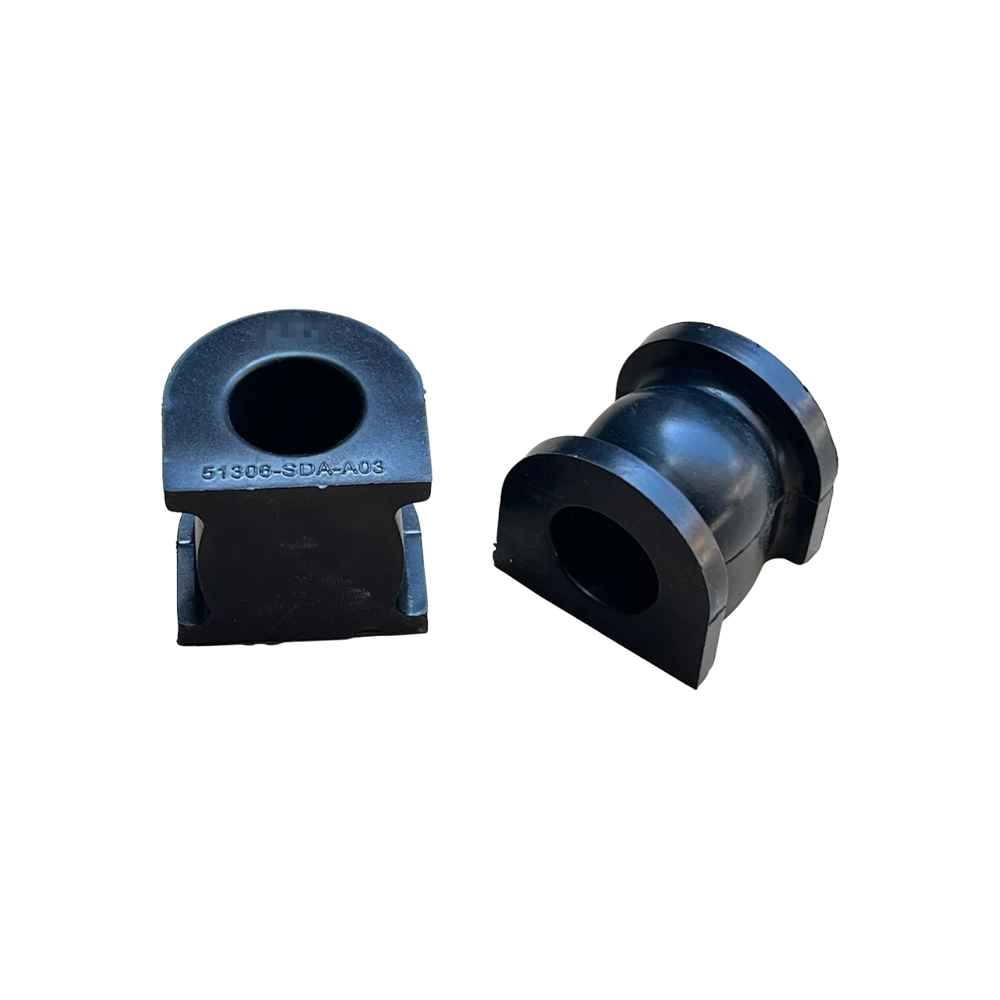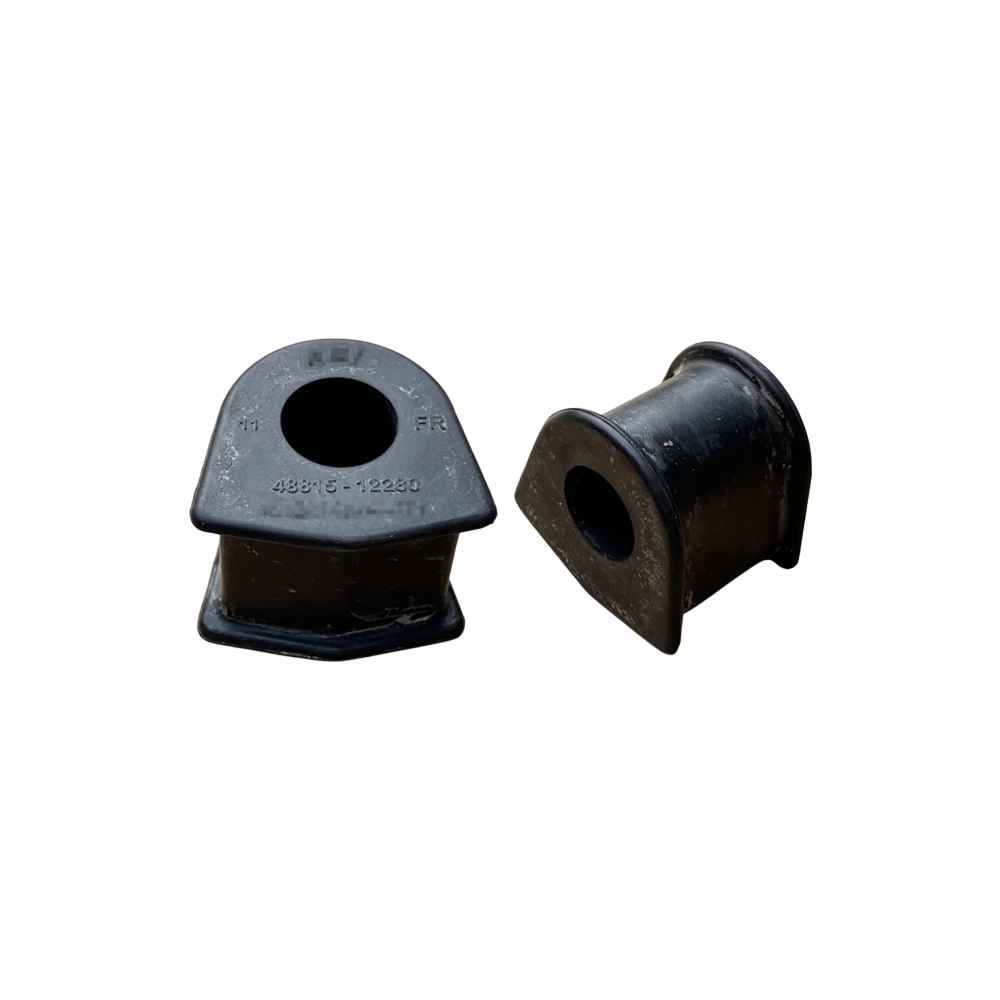
Understanding Engine Gaskets
Engine gaskets play a crucial role in sealing various components of your engine. They're not just any rubber pieces; they are the unsung heroes of your vehicle's performance. Imagine an orchestra where every instrument is essential. That's how gaskets work! If one fails, the entire system could falter.
Take the Valve Cover Gasket , for instance. It sits snugly at the top of your engine, preventing oil leaks and ensuring that everything runs smoothly. And guess what? A worn-out gasket can lead to serious engine damage. Did you know that up to 90% of engines experience some level of gasket failure over time?
Factors to Consider When Choosing Engine Gaskets
- Material: The choice between rubber, silicone, or composite materials can impact durability.
- OEM Standards: Always consider Original Equipment Manufacturer specifications. Ensuring compatibility with your vehicle makes all the difference.
- Temperature Resistance: High-performance engines run hot. A good gasket must withstand extreme temperatures without deforming.
Diving into CV Axle Boots
Now let’s pivot to CV axle boots. Unlike engine gaskets, these are often overlooked until it's too late. They protect the CV joints from dirt and debris. Can you believe that neglecting them can lead to joint failure? A cracked boot might seem trivial, but it can ruin your day—along with your wallet!
Consider this scenario: You’re driving down the road, and suddenly you hear a popping noise. That’s the sound of a failed CV axle. Ah, the irony of long-lasting parts being ruined by something so small!
Choosing the Right CV Axle Boots
- Fitment: Make sure you get the right size for your specific make and model. A loose boot won't do you any favors.
- Material Quality: Look for high-quality rubber rather than cheap plastic options. Brands like Guanghua offer robust solutions that resist cracking and wear.
- Installation Ease: Some boots come pre-greased, which can save you a ton of time during installation.
Gaskets vs. Boots: A Comparative Insight
If you think about it, gaskets and CV axle boots serve different yet equally vital functions. Gaskets seal, while boots protect. It's the classic case of symbiotic relationships in automotive engineering. Do we really understand how intertwined these components are?
A common issue arises when someone opts for cheap alternatives. Buying lower-quality gaskets or boots just to save a few bucks could end up costing you thousands in repairs. Think of the repercussions!
The Cost-Benefit Analysis
Let's crunch some numbers. A quality Valve Cover Gasket might cost $50, while a subpar one could be found for $20. But if that cheap option leads to an oil leak, you could be facing $500 in engine damage. On the other hand, the average replacement cost for CV axle boots varies between $30 to $100, depending on the brand and material. Guanghua offers something in the middle—high quality without breaking the bank.
.jpg)
Final Thoughts
In the grand scheme of things, both engine gaskets and CV axle boots are indispensable. Whether you're a weekend mechanic or a seasoned professional, knowing their importance can save you time, money, and heartache. Don’t underestimate the little guys; they hold your engine together and keep it running optimally.
Ultimately, investment in quality components will pay off in reliability. For those still wondering whether to prioritize gaskets or boots, consider this: What’s more critical, sealing your engine or protecting your drive shaft? Both need attention, and both deserve high-quality parts!