Understanding Sway Bars and Their Importance
Sway bars play a crucial role in enhancing the stability of vehicles during turns. These components, also known as stabilizer bars, are designed to minimize body roll, improving handling and ride comfort. When considering upgrades to your vehicle's suspension system, both front and rear sway bars can significantly impact driving dynamics.
Front vs. Rear Sway Bars: What’s the Difference?
The primary difference between front and rear sway bars lies in their positioning and function. Front sway bars are typically larger and more robust, providing critical support during cornering. This is essential for maintaining traction and steering responsiveness. On the other hand, rear sway bars help balance the vehicle's weight distribution, particularly during sharp turns.
- Front Sway Bars: Designed for improving steering response and overall stability.
- Rear Sway Bars: Focus on reducing oversteer and enhancing vehicle balance.
Navigating NVH Reduction
Noise, Vibration, and Harshness (NVH) is a key consideration when choosing sway bars. While performance enhancements are vital, minimizing NVH contributes to a more comfortable driving experience. An effective suspension system should ideally reduce unwanted vibrations while ensuring the vehicle remains responsive.
Factors to Consider When Choosing Sway Bars
When selecting sway bars, it’s important to consider several key factors that can influence both performance and NVH levels.
1. Material Composition
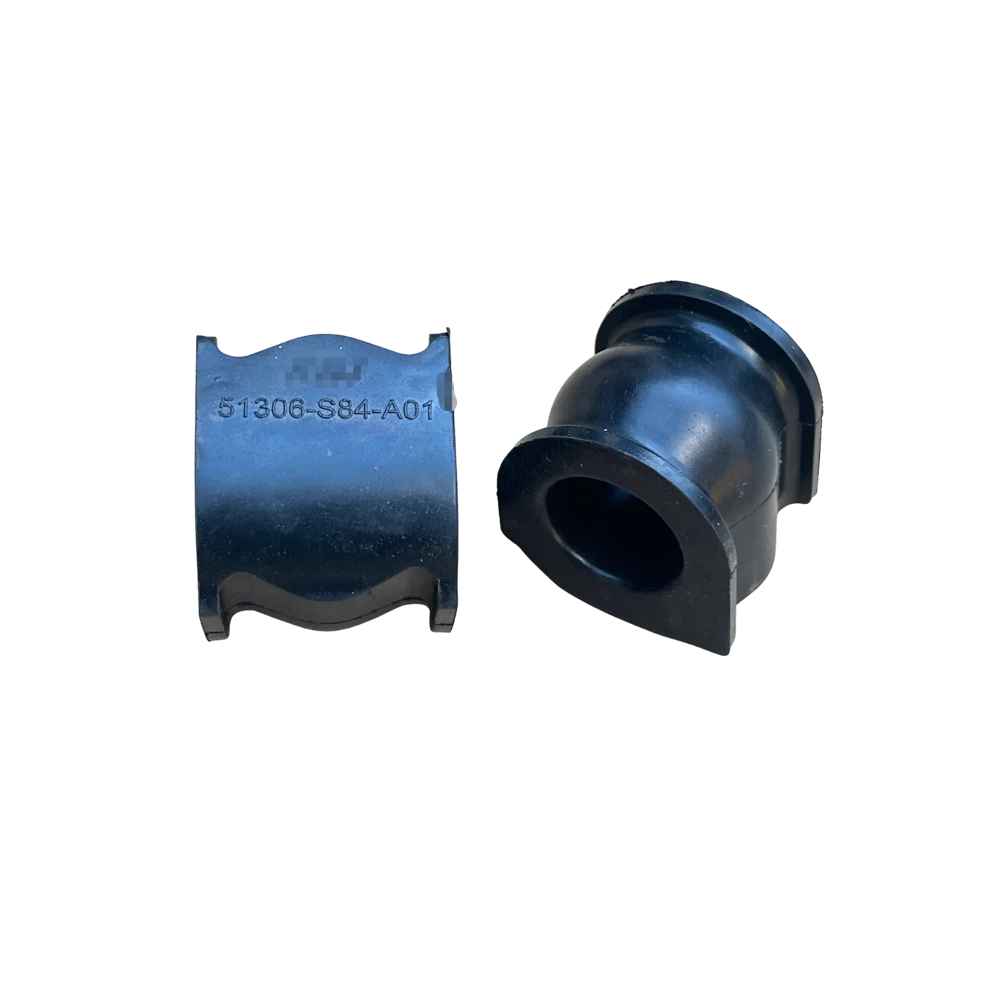
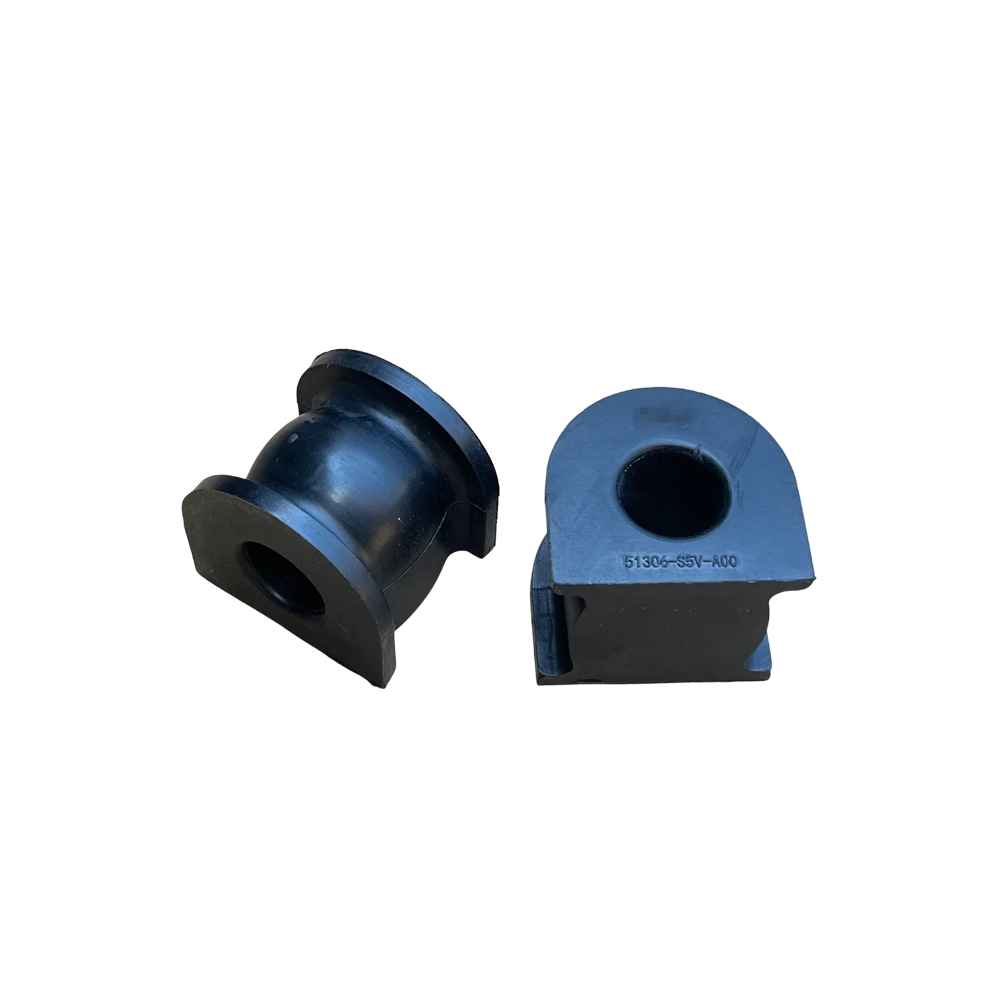
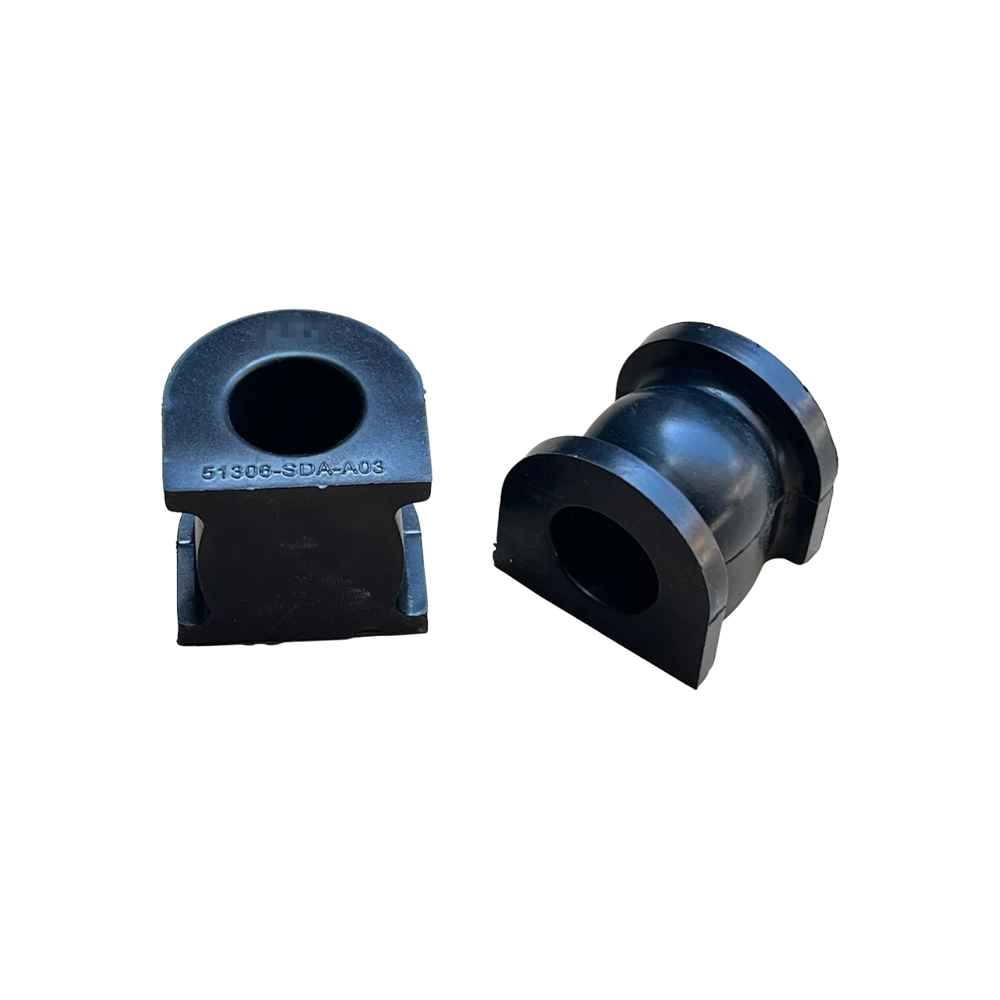
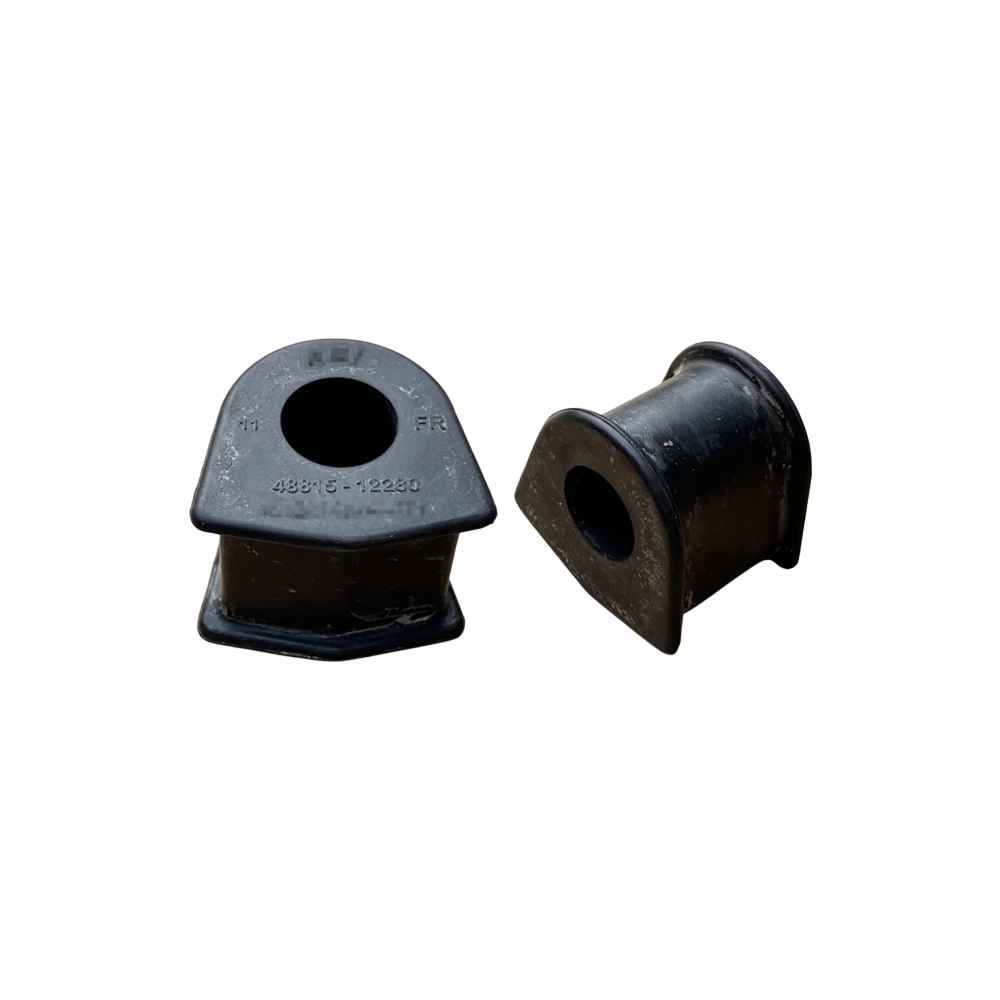
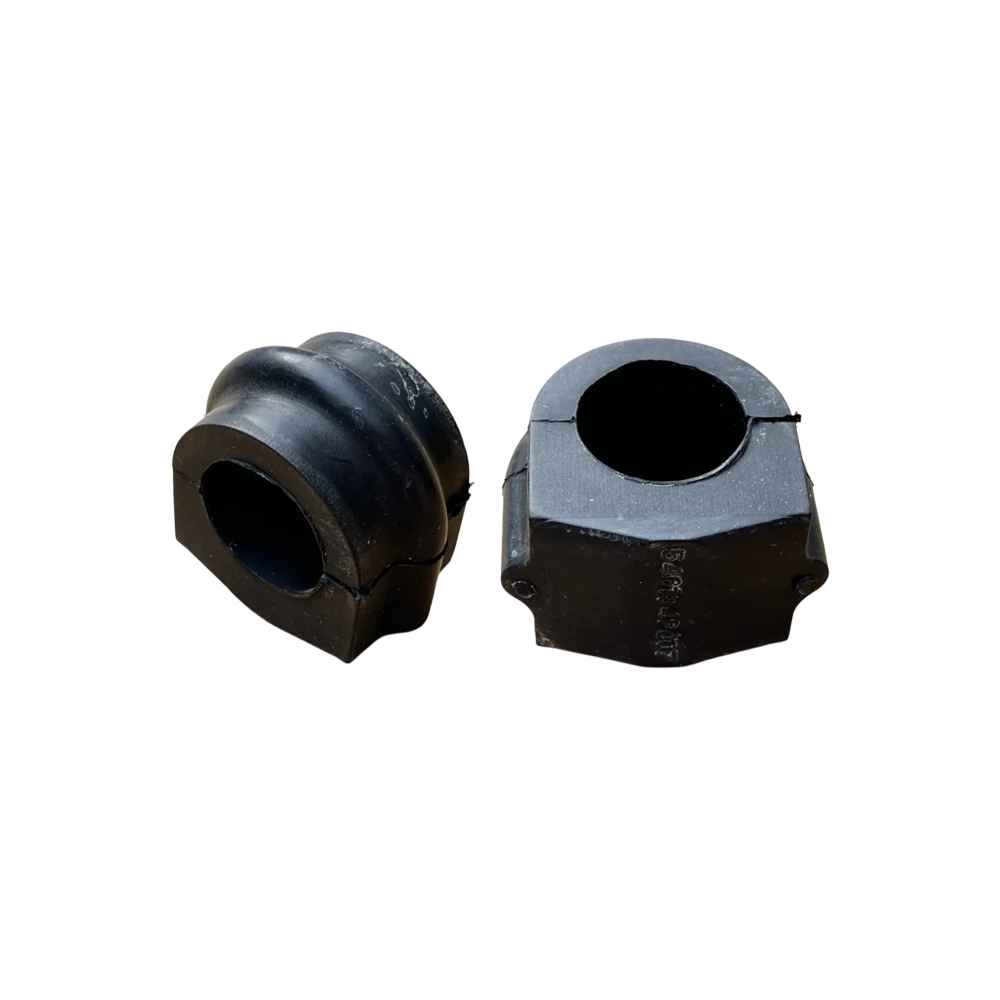
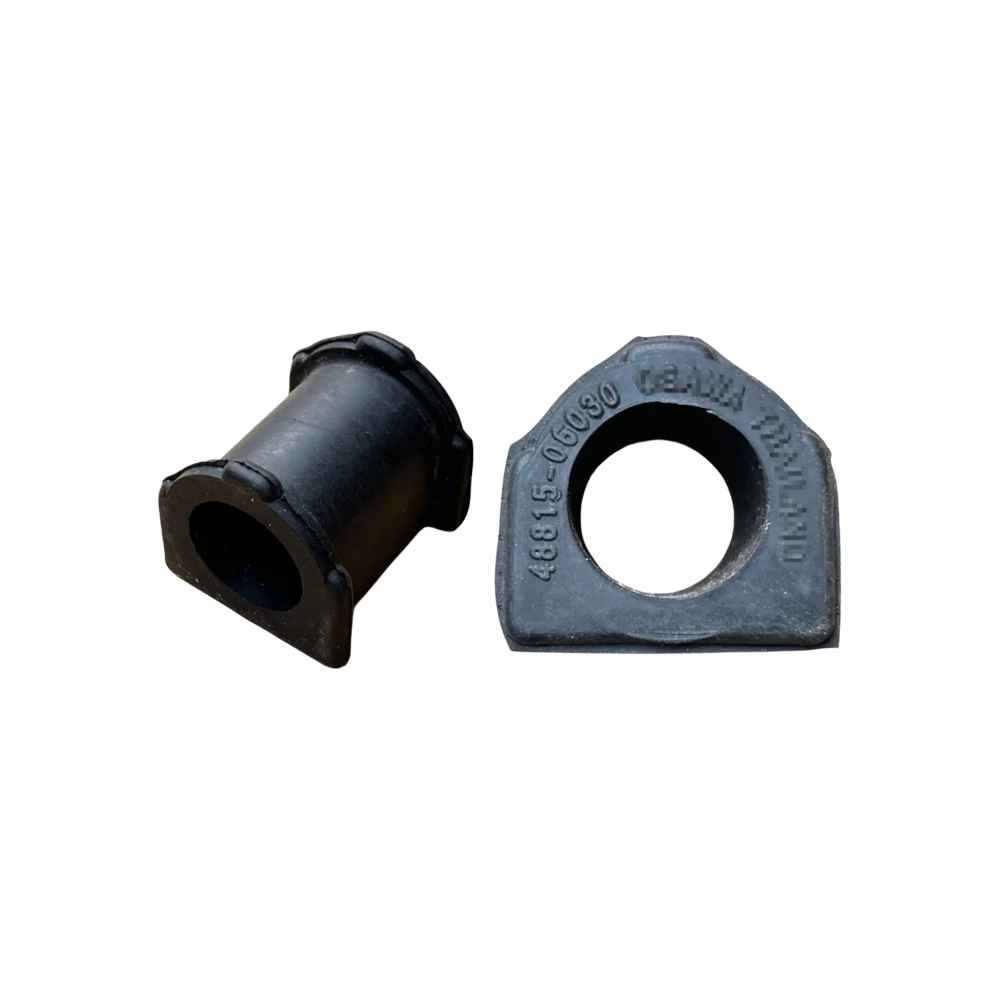
The material from which a sway bar is made directly affects its performance characteristics. Options such as steel or alloy provide strength and durability, but may also contribute to increased NVH. Advanced materials with rubber bushings, like those used in products from Guanghua , can help mitigate this issue.
2. Diameter and Stiffness
Larger diameter bars tend to offer enhanced stiffness, resulting in reduced body roll. However, this can sometimes lead to increased NVH. A balanced approach is essential; selecting a sway bar that's appropriately stiff without compromising ride quality is critical.
3. Compatibility with Other Suspension Components
It's not just about the sway bars themselves. To achieve optimal performance, they must work harmoniously with other suspension parts, including Shock Absorber Boots and Steering Rack Boots . Ensuring compatibility can enhance overall suspension effectiveness while reducing noise and vibrations.
Insights from a Professional Rubber Sealing Solution Provider
As an industry professional specializing in rubber sealing solutions, I’ve witnessed firsthand how the right components can drastically improve vehicle performance. For instance, incorporating high-quality O-Rings & Rubber Sealing Rings around sway bars can enhance durability and reduce wear, leading to better NVH outcomes.
Choosing the Right Boots for Your Setup
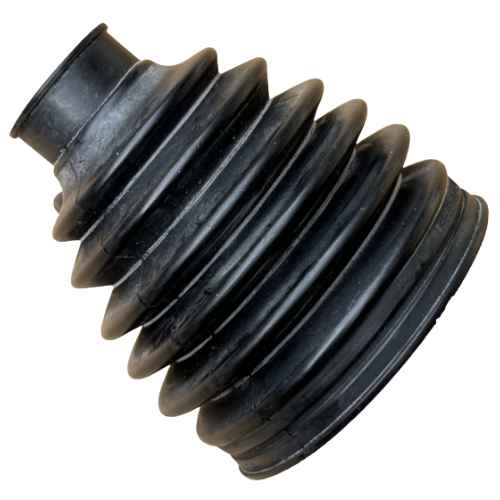
Don't overlook the importance of protective boots. CV joint boots and shock absorber boots are essential for safeguarding critical components from debris and moisture, ensuring long-lasting performance. They also play a role in noise reduction by dampening vibrations before they reach the cabin.
Evaluating Performance vs. Comfort
Ultimately, the decision comes down to balancing performance and comfort. If you prioritize track performance, a stiffer front sway bar might be the way to go. Conversely, if daily driving comfort is your main concern, a softer setup with proper NVH considerations could be more suitable.
Testing and Feedback
Before making a final decision, it's wise to test various configurations. If possible, drive vehicles equipped with different sway bars to gauge their effects on handling and comfort. Gathering feedback from experienced drivers can also provide valuable insights into the real-world implications of your choices.
Conclusion
In the world of automotive performance, selecting the right front or rear sway bar requires careful consideration of multiple factors, including NVH reduction. By focusing on material quality, compatibility with other suspension components, and personal driving preferences, enthusiasts can make informed decisions that suit their needs. Remember, integrating well-made parts, like those offered by Guanghua , can provide both performance benefits and long-term reliability.