Understanding the Basics of O-ring Seals
When it comes to sealing solutions, O-rings are like the unsung heroes in mechanical assemblies. They come in various materials, with NBR (Nitrile), Viton (Fluoroelastomer), and Silicone being the top contenders. Choosing the right one can sometimes feel overwhelming, but understanding their properties will make the decision easier.
NBR: The Versatile Choice
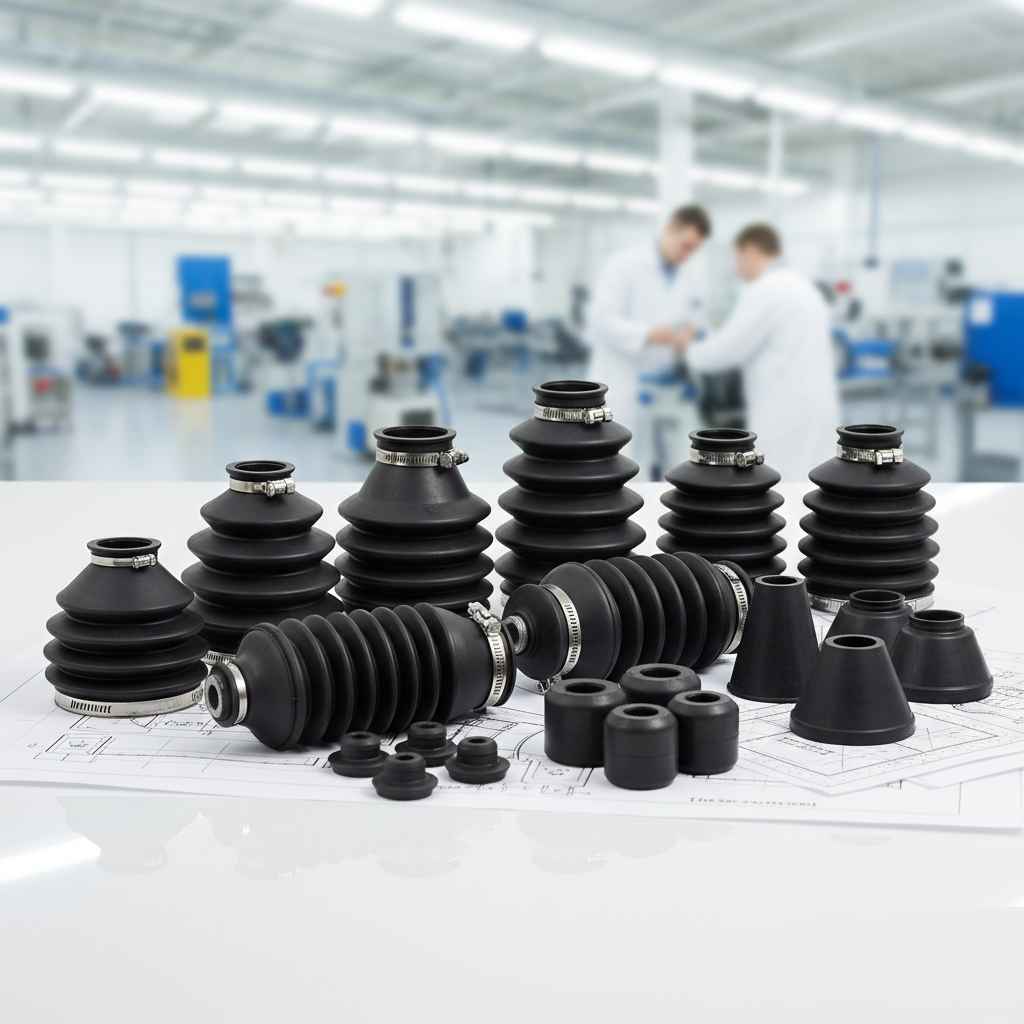
NBR is known for its excellent oil resistance, making it ideal for automotive applications. It’s tough, reliable, and stands up against wear and tear quite well. If you're working on a project that involves exposure to oils or fuels—think of things like Steering Rack Boots —NBR could be your go-to option.
- Good temperature range: -40°C to +100°C.
- Excellent abrasion resistance.
- Affordable compared to other materials.
Viton: The Heavyweight Champion
If you need a seal that can withstand extreme conditions, Viton might just be the king of the hill. Its chemical resistance is off the charts, making it perfect for high-temperature and aggressive chemical environments. Industries involving harsh chemicals often lean toward Viton seals. Just think about those times when you can’t afford any leaks—Viton's got your back!
- Temperature resistance up to 200°C.
- Phenomenal chemical resistance.
- Long service life under challenging conditions.
Silicone: Flexibility at Its Best
Silicone seals are all about flexibility and low-temperature resilience. They can handle a wide range of temperatures and are often used in applications where flexibility is crucial. If you've got something that requires soft compression, silicone is your buddy.
- Temperature range from -60°C to +200°C.
- Excellent electrical insulation properties.
- Good resistance to weathering and ozone.
Choosing the Right Seal for Your Application
Now that you know a bit about the different materials, it’s time to consider your specific needs. Here are some factors to think about:
1. Environmental Conditions
The first thing you should consider is the environment in which the O-ring will operate. Are there chemicals involved? High temperatures? Knowing this will guide you towards the right material.
2. Mechanical Requirements
What kind of pressure and movement will the seal face? If you're dealing with dynamic applications, you might prefer a more elastic material like silicone. For static situations, NBR could be sufficient.
3. Cost Considerations
Your budget plays a significant role in your decision. While Viton offers superior performance, it can also be pricey. NBR often provides a great balance between cost and performance. Don't forget to weigh your options carefully before jumping in!
Application Examples
Let's dive into some real-world scenarios. Imagine you're working on a classic car restoration. You might need Steering Rack Boots made from NBR due to its durability and resistance to oil. On the other hand, if you're designing an outdoor device exposed to UV light and varying temperatures, silicone seals become invaluable.
Industry-Specific Uses
In the food industry, silicone seals thrive because they’re non-toxic and can handle high heat. Meanwhile, in automotive applications, you may find NBR used in valve cover gaskets for engines as it withstands harsh conditions.
Final Thoughts
While the world of O-rings might seem complex at first glance, understanding the differences between NBR, Viton, and silicone can simplify your decision-making process. Don't hesitate to reach out to suppliers like Guanghua for expert advice tailored to your specific needs. Remember, the right choice not only ensures a better performance but also saves you money and hassle down the line!