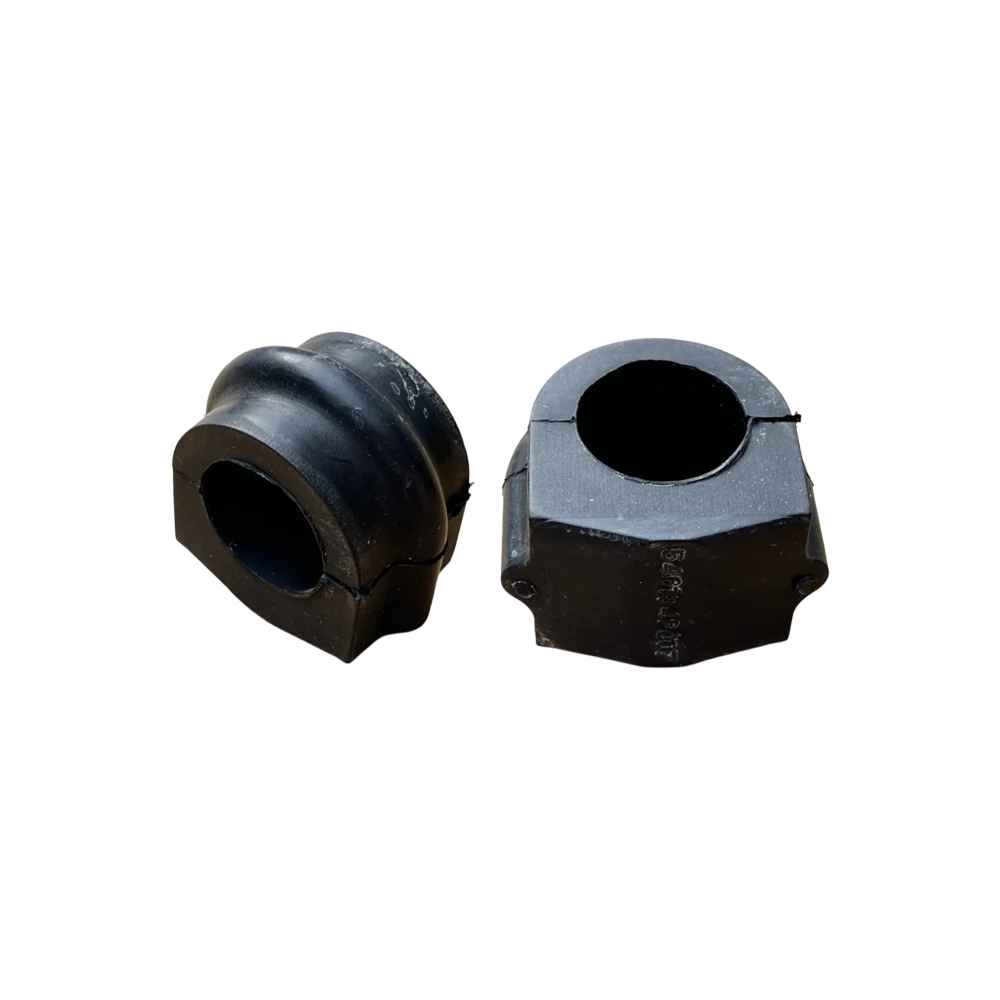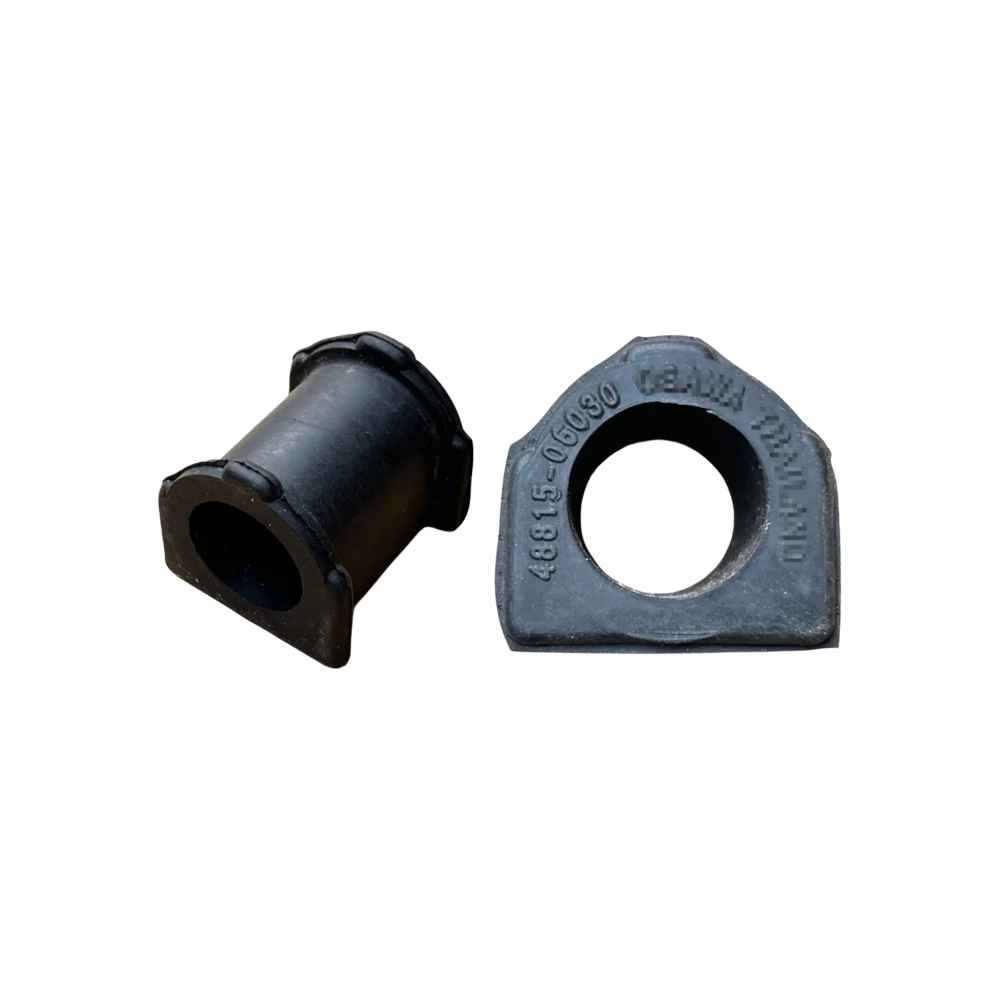
Introduction to Driveshaft Boots and Stabilizer Bar Bushings
The components of chassis steering and suspension systems are critical for vehicle performance, safety, and comfort. Among these components, driveshaft boots and Stabilizer Bar Bushings play pivotal roles in maintaining the integrity and functionality of the steering and suspension setup. Understanding their materials, functions, and differences can greatly assist automotive professionals and enthusiasts alike.
Driveshaft Boots: Purpose and Material Properties
Driveshaft boots, often referred to as CV Joint Boots , serve to protect the constant velocity (CV) joints from dirt, moisture, and contaminants that could lead to premature wear or failure. Typically crafted from durable rubber compounds or thermoplastic materials, these boots are engineered to withstand not only extreme temperatures but also rigorous mechanical stress.
- Material Composition: The materials used for manufacturing driveshaft boots must exhibit excellent tensile strength and flexibility. Commonly utilized materials include neoprene and silicone, which provide a balance between durability and elasticity.
- Environmental Resistance: Given their exposure to various environmental factors, driveshaft boots need to be resistant to oils, greases, and UV rays, ensuring longevity even under challenging conditions.
Key Features of Driveshaft Boots
One of the defining features of quality driveshaft boots is their ability to maintain a seal while allowing for the movement required in a CV joint. This sealing capability is paramount as it prevents lubricants from leaking out and foreign particles from entering.
Stabilizer Bar Bushings: Functionality and Material Considerations
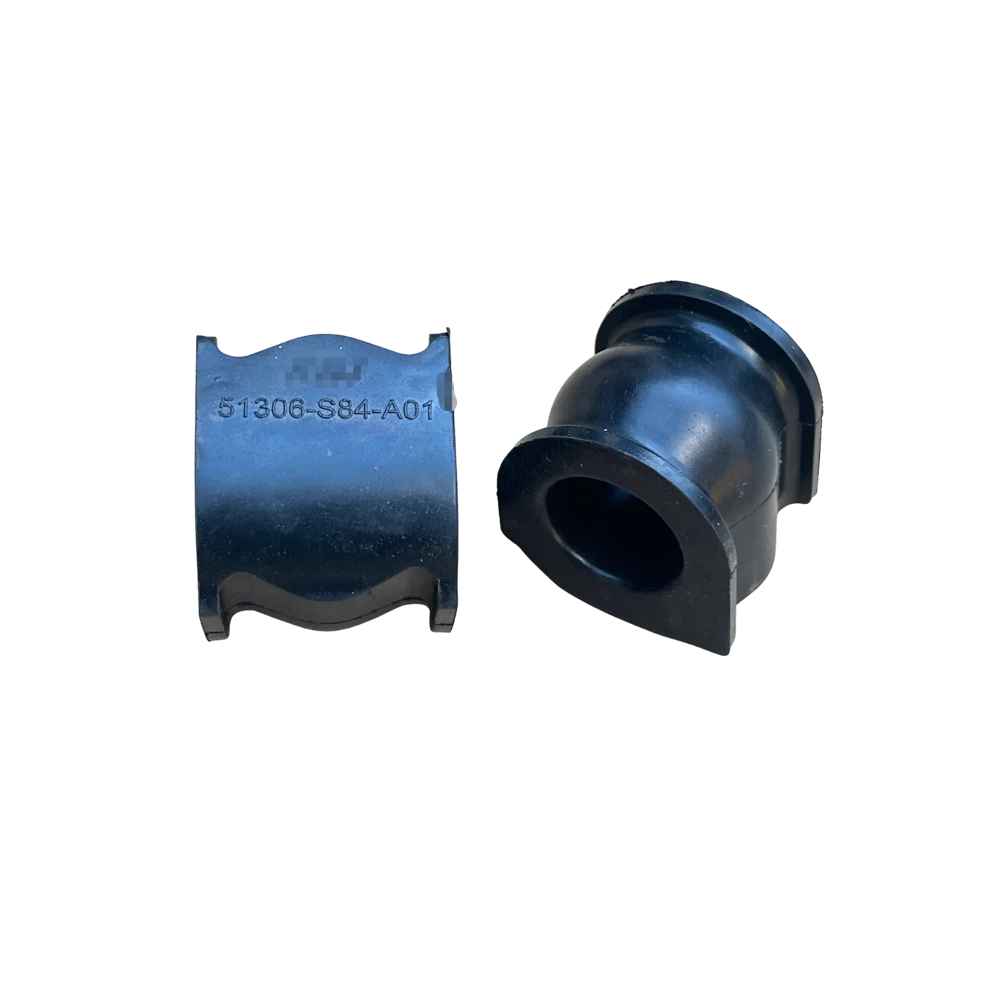
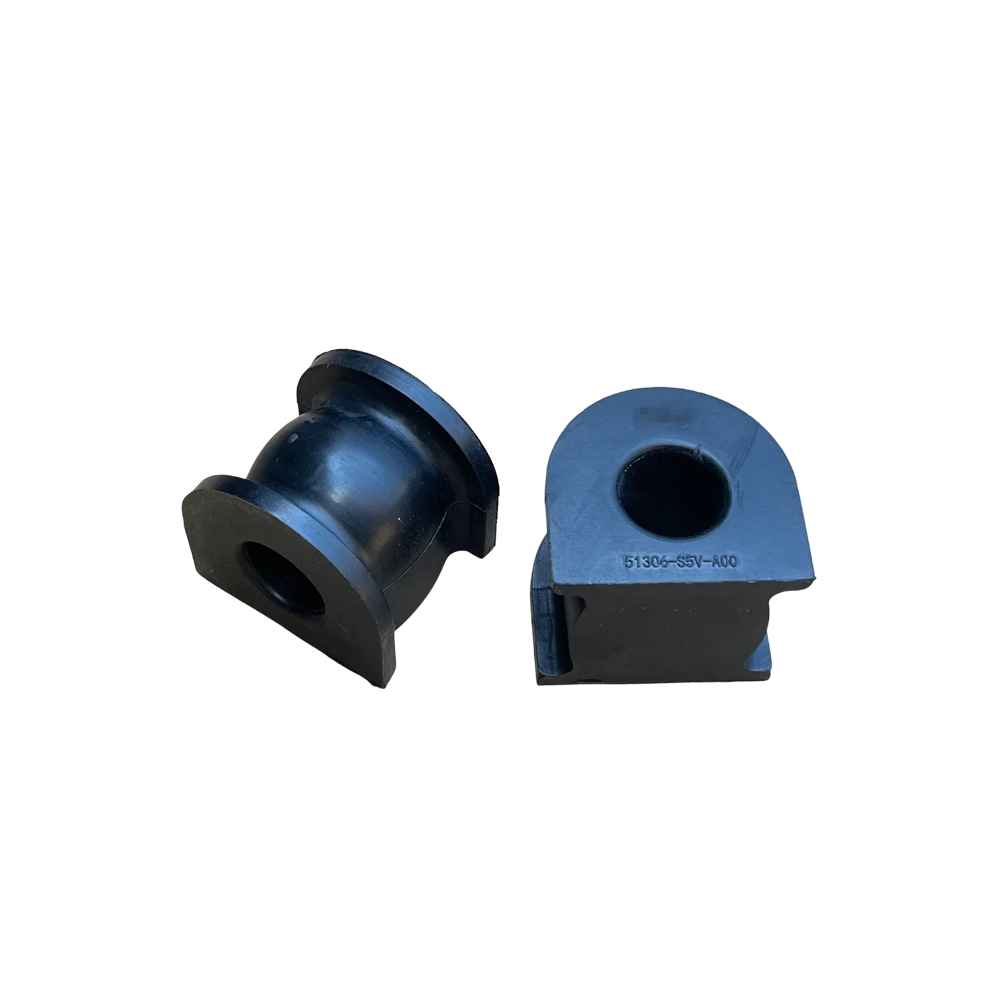
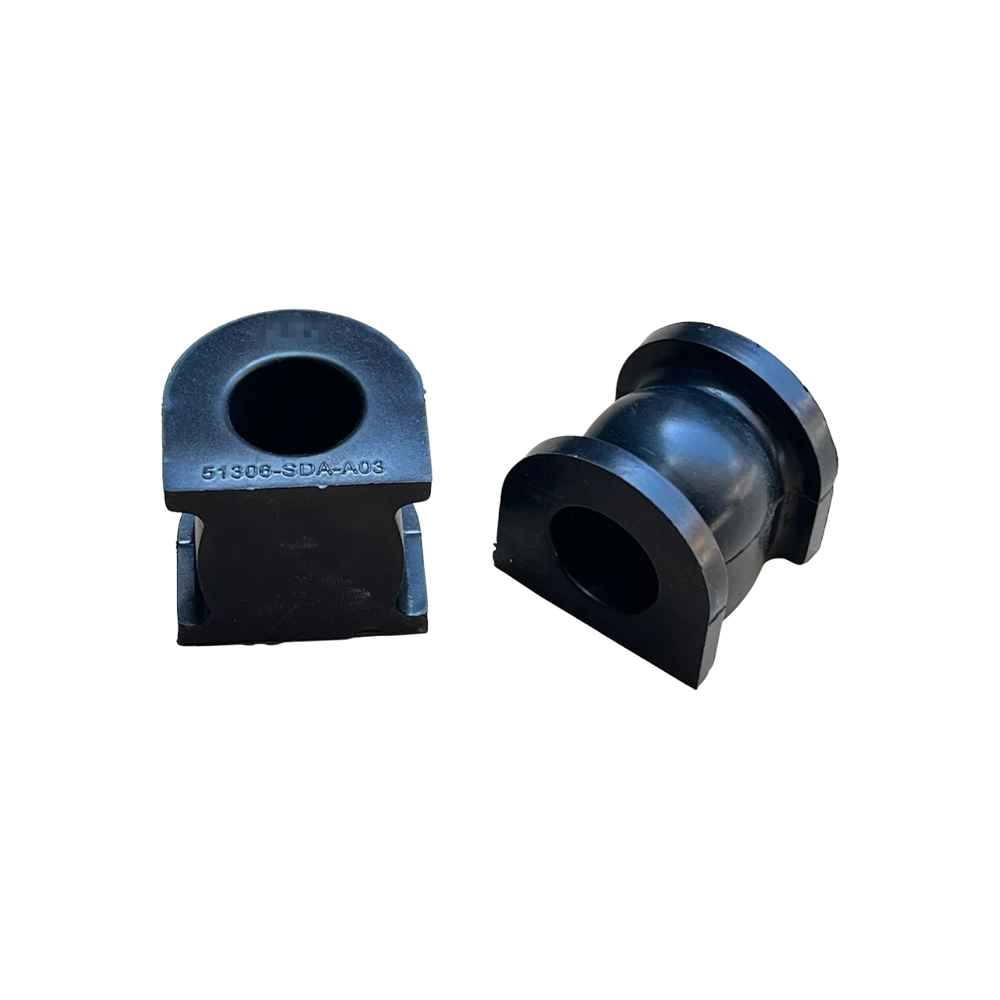
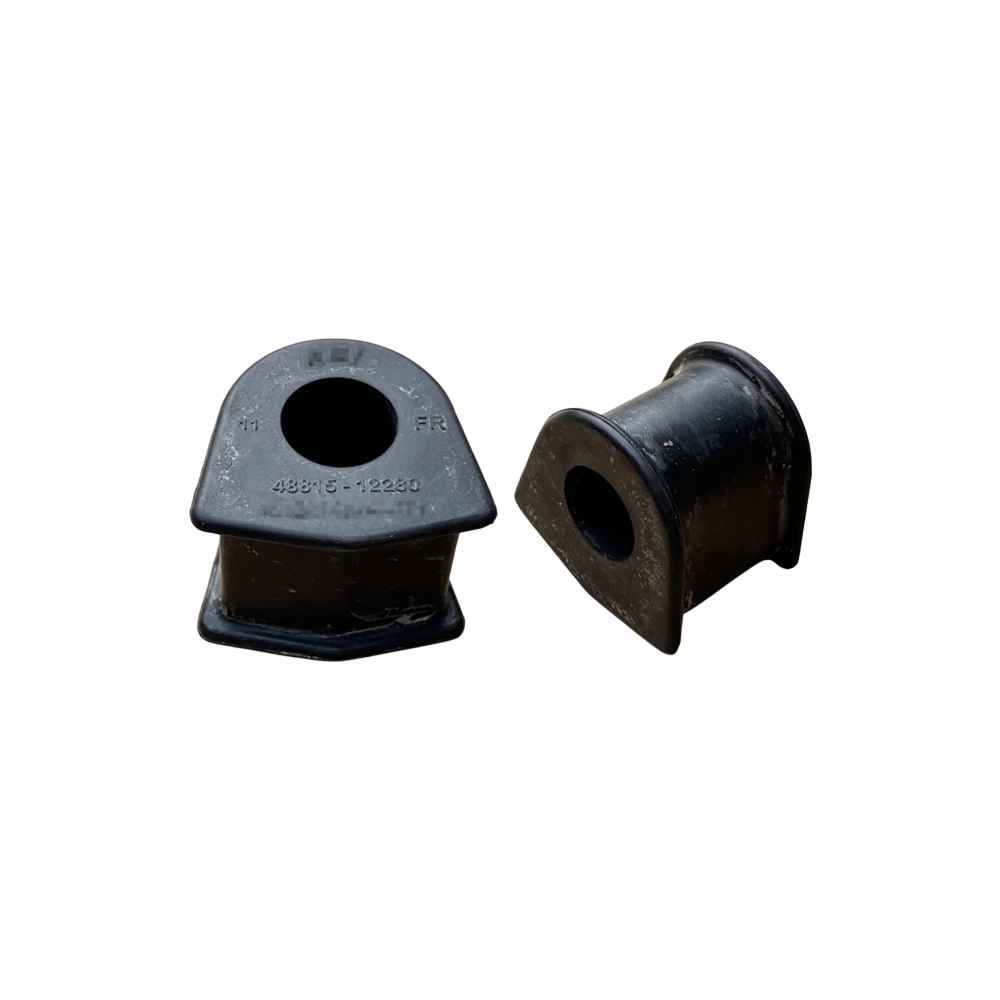
In contrast, stabilizer bar bushings primarily function to cushion and stabilize the vehicle’s sway bar. These bushings help mitigate body roll during cornering by providing a flexible yet firm connection between the sway bar and the vehicle chassis. Often manufactured from rubber or urethane, the choice of material can significantly affect the handling characteristics of the vehicle.
- Material Options: Rubber bushings offer a softer ride with more compliance while urethane bushings tend to be firmer, enhancing responsiveness but potentially compromising comfort.
- Durability Factors: The longevity of stabilizer bar bushings is influenced by their resistance to wear, compression set, and environmental degradation, necessitating high-quality formulations from reputable brands like Guanghua.
Comparative Analysis: Driveshaft Boots vs. Stabilizer Bar Bushings
While both driveshaft boots and stabilizer bar bushings are essential in their respective roles, their material properties and design requirements differ significantly. Driveshaft boots prioritize sealing capabilities and protection against contaminants, whereas stabilizer bar bushings focus on providing support and cushioning during dynamic driving conditions.
Furthermore, the specific automotive applications may dictate the preferred materials. For instance, vehicles designed for off-road use might require enhanced durability in both components, leading to selections such as reinforced rubber or specialized thermoplastics.
Impact on Vehicle Performance
The use of high-quality materials in driveshaft boots and stabilizer bar bushings directly impacts overall vehicle performance and safety. Worn or degraded components can lead to increased vibration, noise, and compromised handling. Thus, regular inspection and timely replacement of these parts are critical steps in vehicle maintenance.
- Effects of Wearing: Deteriorated driveshaft boots can result in CV joint failure, leading to costly repairs, whereas poor condition stabilizer bar bushings can cause excessive body roll and decreased stability.
Maintenance Insights
To ensure optimal functioning of both driveshaft boots and stabilizer bar bushings, routine checks should be performed. Signs of damage may include cracks, tears, or visible wear, indicating it may be time for intervention. Particularly in performance settings, paying attention to the specifications and performance characteristics of these components can enhance the driving experience.
Conclusion: Material Selection and Its Relevance
Selecting the right materials for driveshaft boots and stabilizer bar bushings is not merely a matter of preference but one of necessity—a well-informed choice can lead to improved vehicular performance and safety. In high-performance applications, utilizing components made from advanced materials can yield significant advantages, making it imperative for mechanics and enthusiasts to stay informed on the latest developments in automotive technology.