Understanding Hydraulic System Requirements
Hydraulic systems are essential in automotive applications. They provide the necessary force to operate various car functions, from braking to steering. But what happens when these systems fail? The impact on vehicle performance can be catastrophic.
The Role of B2B Wholesale Suppliers
B2B wholesale suppliers play a critical role in distributing automotive hydraulic components. Imagine a scenario where a repair shop urgently needs hydraulic pumps or CV Joint Boots . A reliable supplier ensures they have the parts available, minimizing downtime for customers.

Case Study: Guanghua’s Distribution Strategy
Take Guanghua, for instance. Their approach to meeting hydraulic system requirements involves an extensive inventory management system. With real-time tracking and demand forecasting, they can anticipate needs before they arise.
- Real-time inventory updates ensure stock availability.
- Collaboration with manufacturers enhances product quality.
- Strategic distribution centers reduce delivery times.
Challenges in Hydraulic Parts Distribution
One major challenge is ensuring compatibility among various components. For example, customers may request Shock Absorber Boots that do not match their specific vehicles. This mismatch leads to confusion and wasted resources. Who hasn’t felt the frustration of receiving the wrong part?
Importance of Training and Support
Wholesale suppliers must provide adequate training for their staff. Knowledge about parts like O-Rings & Rubber Sealing Rings is crucial. Employees should understand how each component fits into the larger hydraulic system.
Leveraging Technology for Efficiency
Some suppliers still rely on outdated methods for tracking orders. Yet, companies using advanced ERP systems see significant improvements. By integrating technology, they streamline operations and enhance customer satisfaction. Consider this: a supplier using drones for local deliveries could drastically cut down lead times. How cool would that be?
Building Relationships with Repair Shops
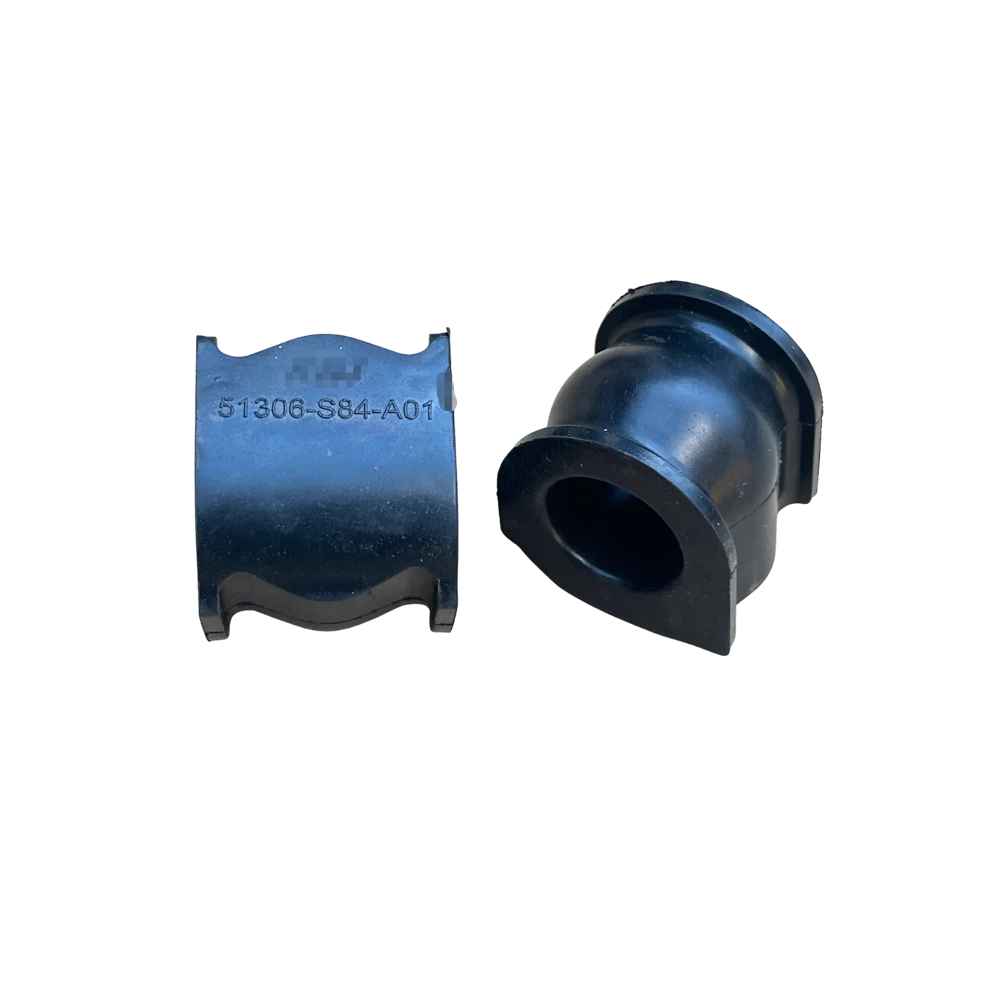
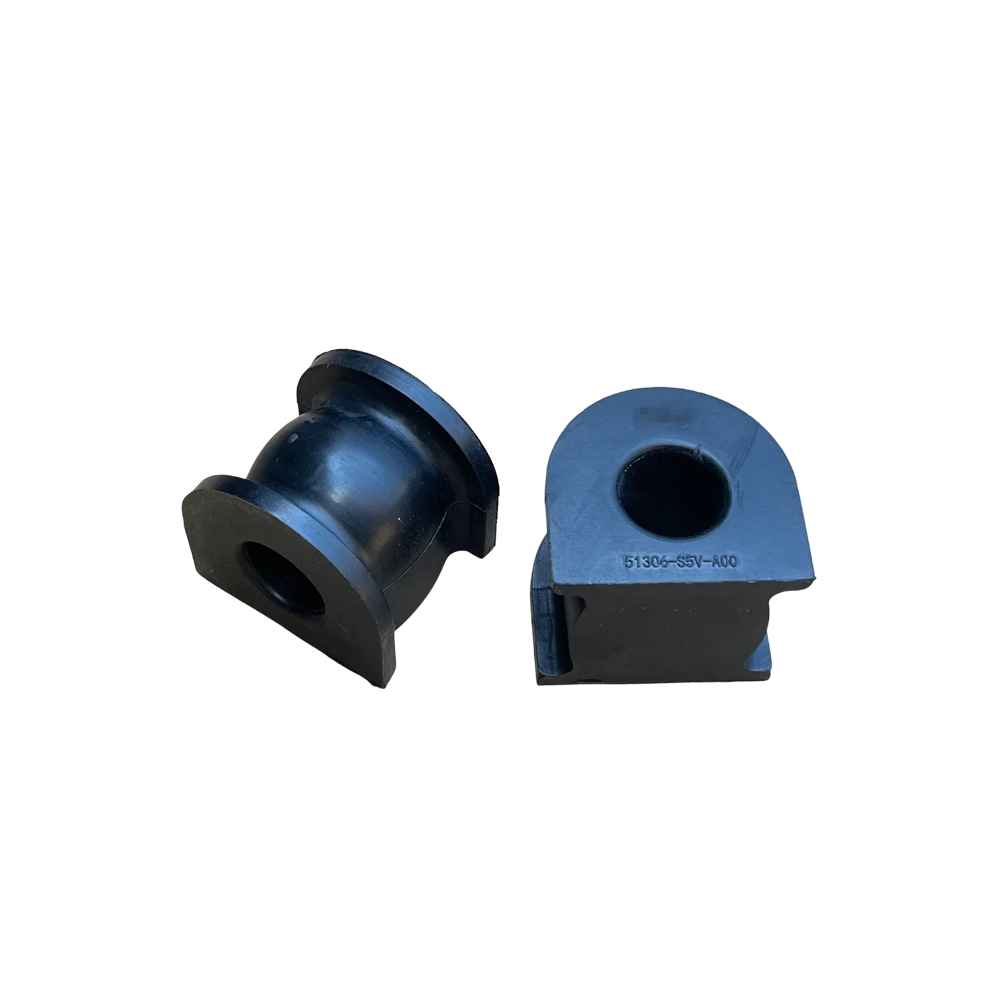
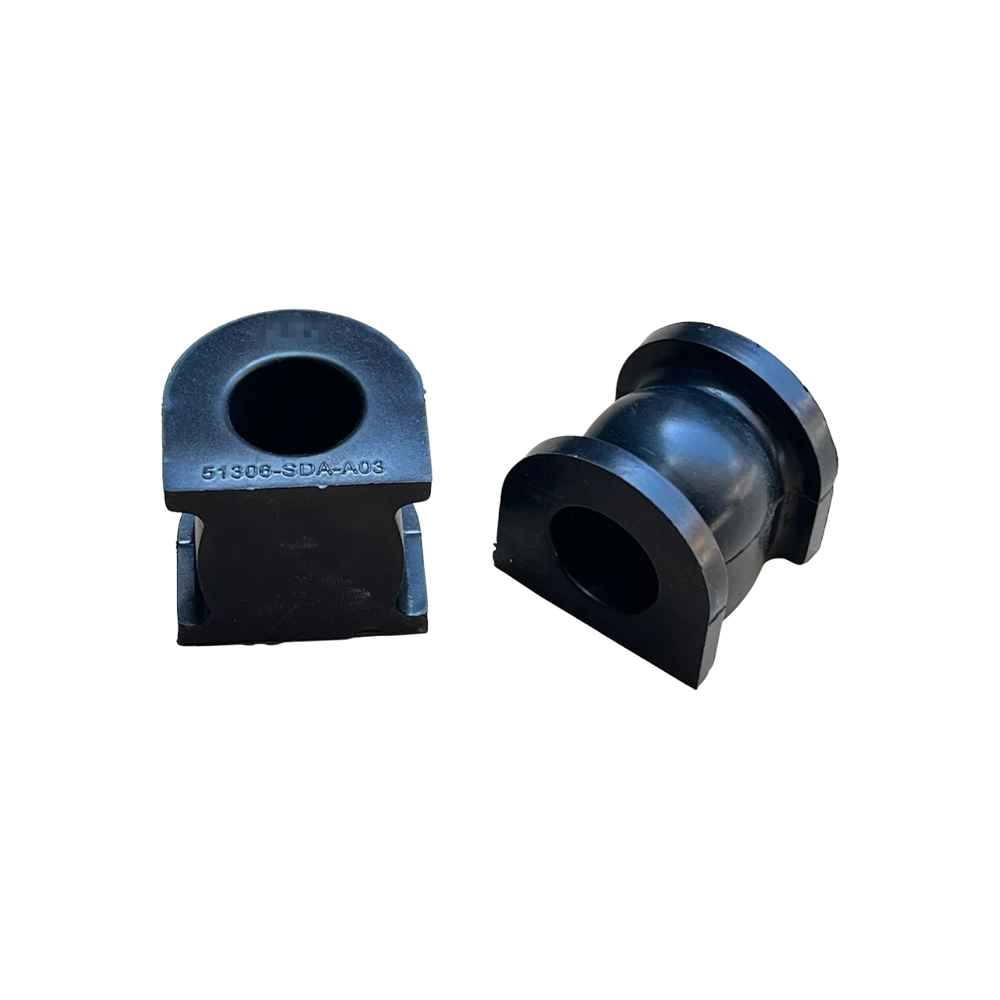
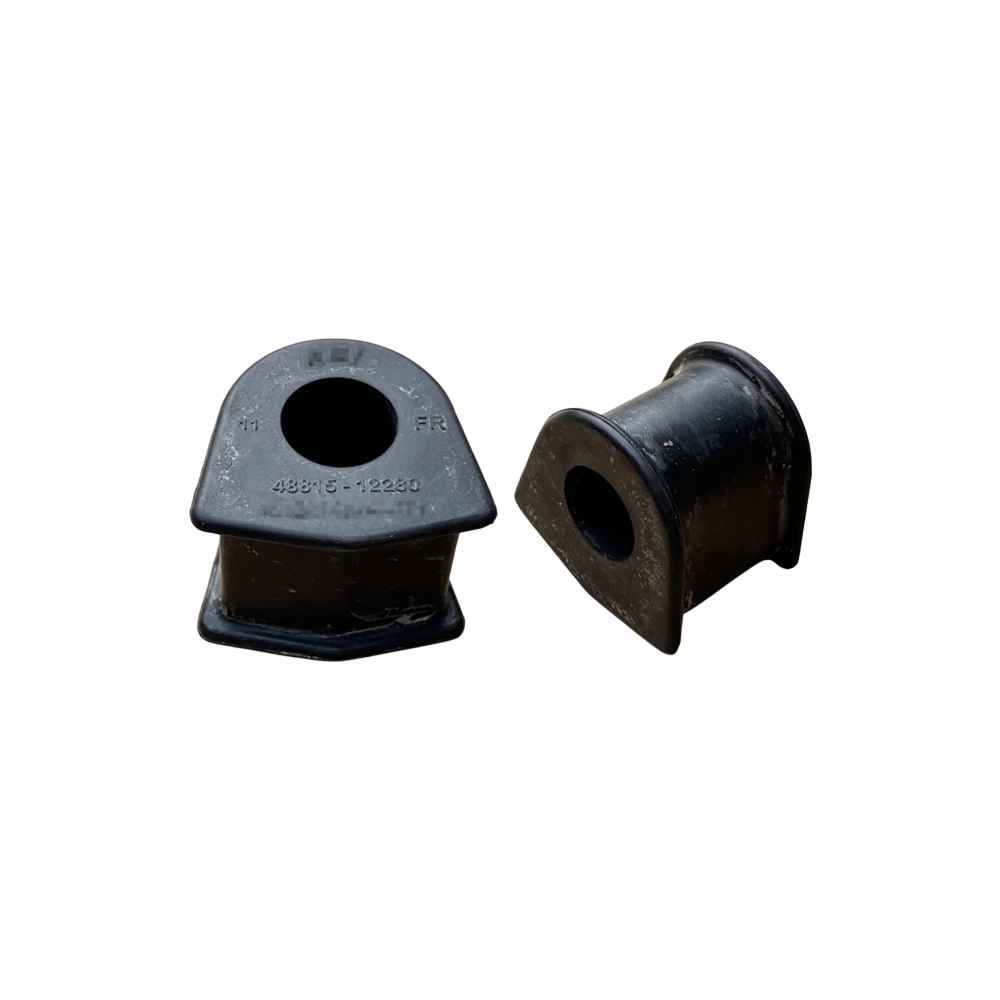
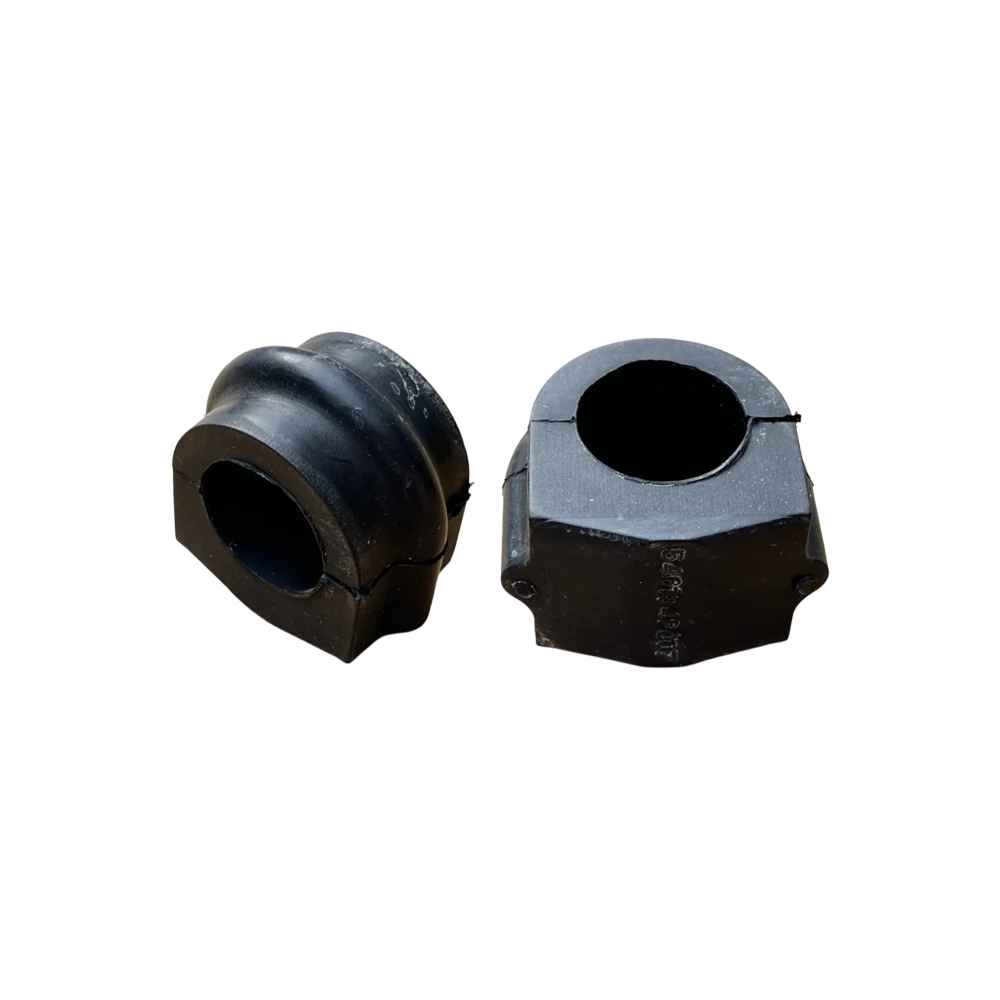
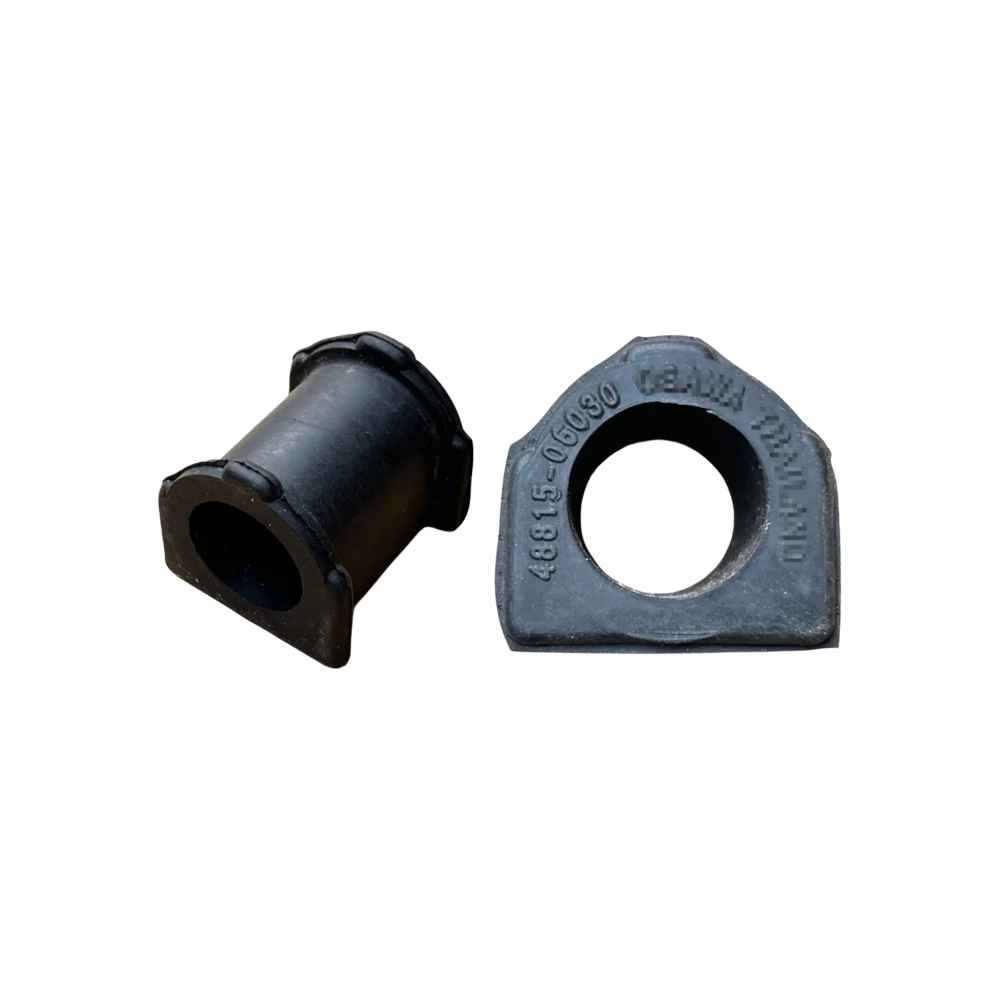
Developing strong relationships with automotive repair shops is vital. Regular communication fosters trust. When suppliers understand the unique needs of their clients, they can provide tailored solutions. For example, a shop might always use a specific brand for stabilizer bar bushings. Recognizing this preference allows suppliers to recommend compatible products efficiently.
Future Trends in Automotive Hydraulic Systems
As vehicles evolve, so too must the hydraulic systems that support them. Electric and hybrid cars introduce new challenges and opportunities for suppliers. These vehicles often require specialized parts that differ from traditional models. Staying ahead of these trends is essential for any wholesaler.
Diverse Product Offerings
To meet growing demands, suppliers should expand their catalog. The inclusion of both common and rare parts can set a company apart. Think about it: having a complete selection of valve cover gaskets alongside everyday items can attract more customers.
Conclusion
In summary, navigating the complexities of automotive hydraulic systems requires innovation and adaptability. Companies like Guanghua lead the way by implementing efficient strategies, leveraging technology, and building lasting relationships with their clients. The future looks bright for those willing to embrace change.