Understanding Oil Seepage and Leakage
Oil seepage and leakage can be a real headache for many vehicle owners. It’s not just an inconvenience; it can lead to serious engine issues if left unchecked. You might be wondering, how exactly does oil leak from my car? Well, there are several culprits in play here. Over time, components like gaskets and seals degrade due to wear and tear. This makes them less effective at containing oil within the engine.
The Importance of Quality Parts
To combat oil leaks effectively, using high-quality parts is key. Manufacturers who have achieved TS16949 or ISO certification are often your best bet. They ensure products meet strict quality standards, which translates to better performance and longevity. For instance, when you install new Valve Cover Gaskets or O-Rings & Rubber Sealing Rings from a certified manufacturer, you're essentially ensuring that the integrity of the sealing surfaces is maintained.
Common Sources of Oil Leaks
- Gaskets: Worn-out gaskets are a primary source of oil leaks. Regular inspection can save you a lot of trouble.
- Seals: The rubber components around moving parts can crack or wear out over time—leading to unwanted oil drips.
- Pipes and Hoses: Sometimes, it’s just old hoses that need replacing. Don’t ignore them!
Why Choose Steering Bellows?
Steering bellows are essential for protecting steering mechanisms from dirt and moisture. They also keep grease contained, preventing contamination and maintaining smooth operation. If these boots are damaged, it can not only lead to leaks but can also compromise the entire steering system. When looking for steering bellows, make sure they come from a reliable brand like Guanghua. Their products are known for durability and performance.
Top Tips for Prevention
Here are some handy tips to help you avoid oil leakage:
- Regular Maintenance: Schedule routine checks with a trusted mechanic. Keeping an eye on your engine can help catch potential leaks early.
- Use Quality Fluids: Opt for high-performance oils that can withstand temperature fluctuations. It reduces the chances of oil thinning out too quickly.
- Inspect Components: Frequently check CV Joint Boots and Shock Absorber Boots for signs of wear. These can sometimes be overlooked but are crucial for keeping oil confined to where it should be.
Signs That You May Have an Oil Leak
Being alert to the signs of oil leaks is essential. Look out for oil spots under your vehicle, or a burning smell when driving. If your oil level seems to drop faster than usual, that’s another red flag. Always keep a close watch on the dashboard indicators as well; low oil pressure can signal leaks.

Choosing the Right Manufacturer
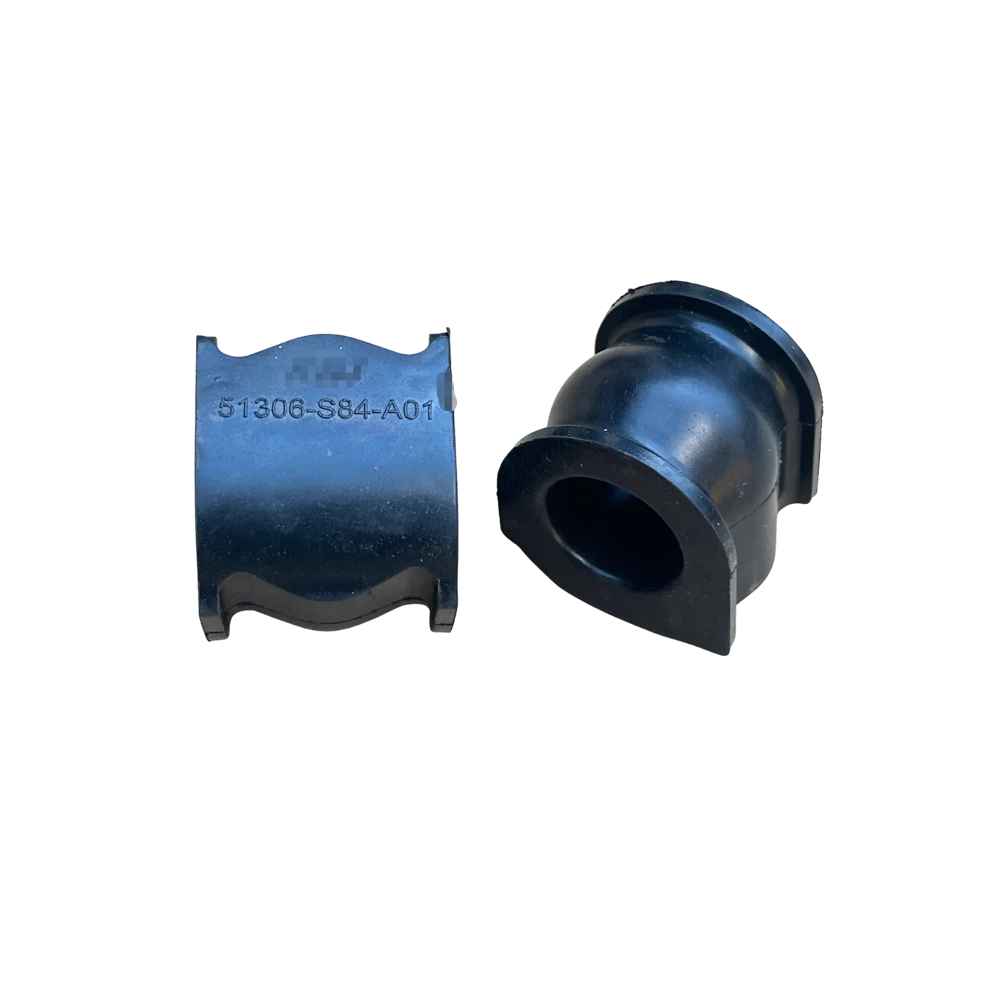
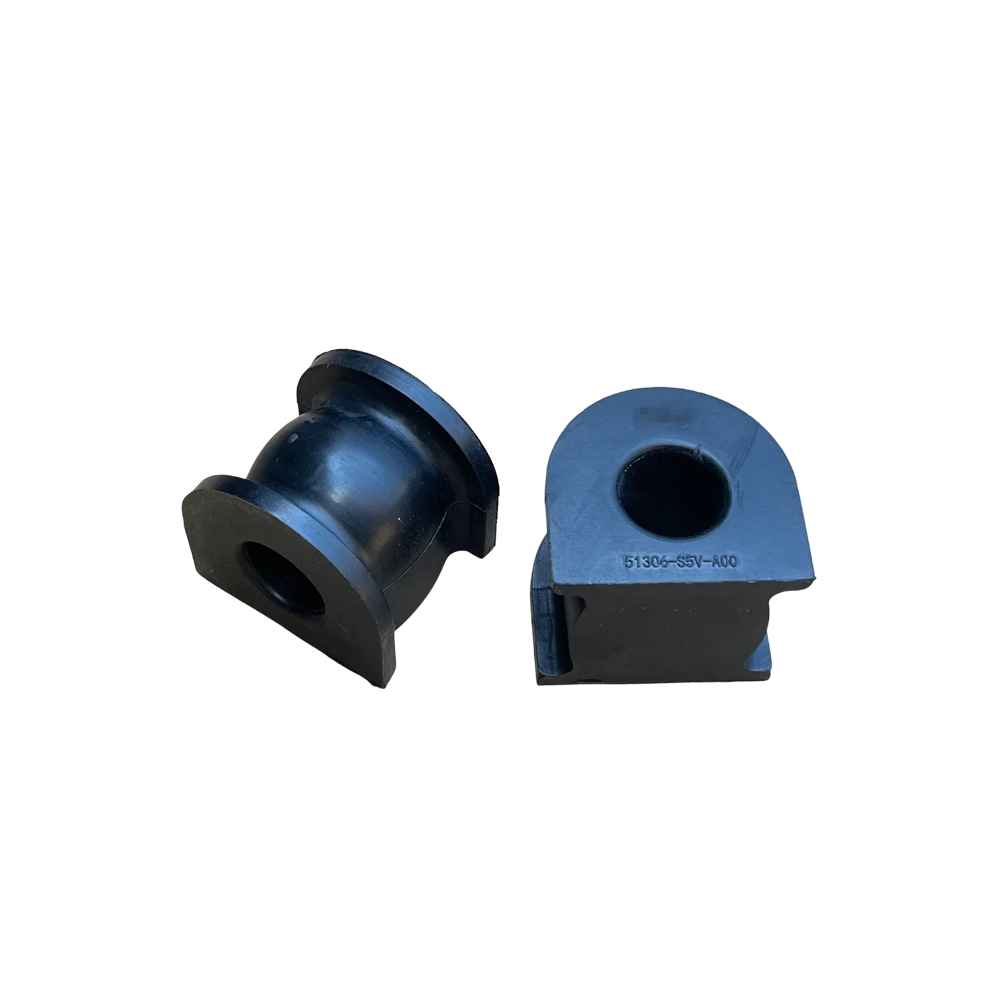
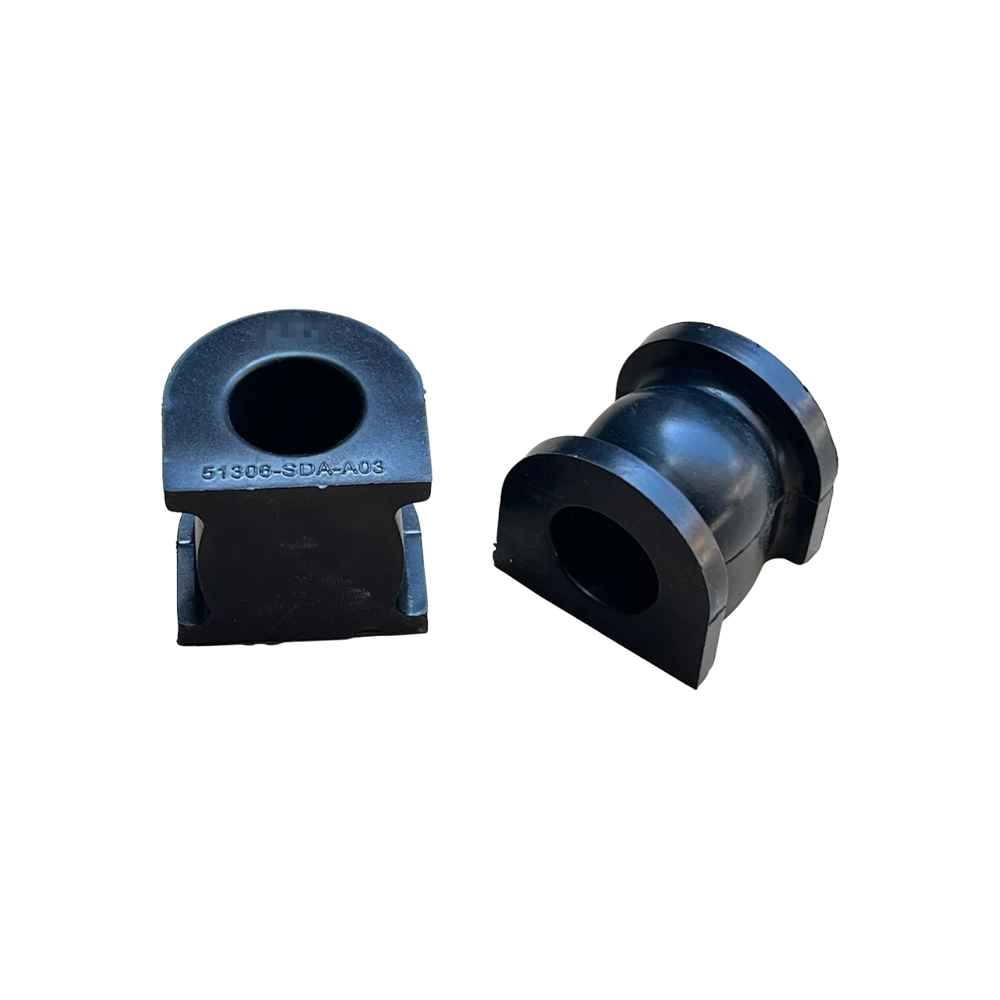
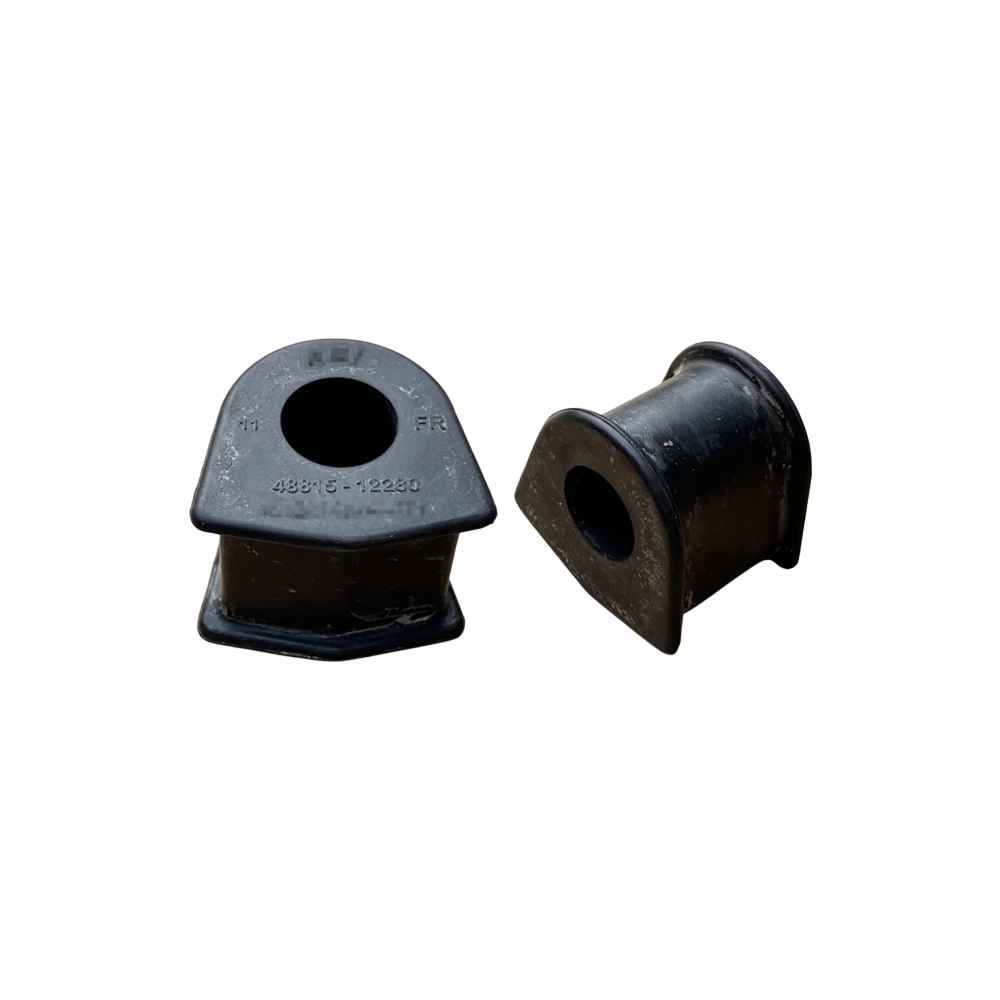
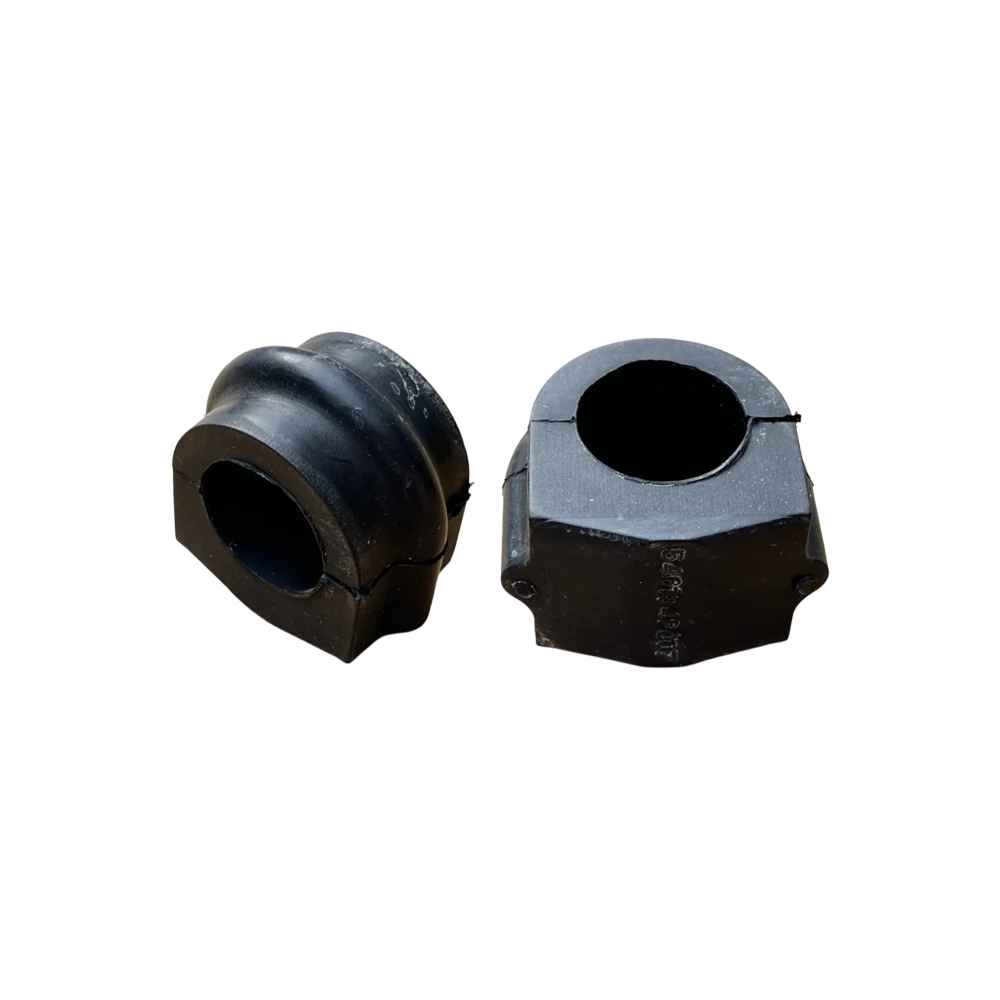
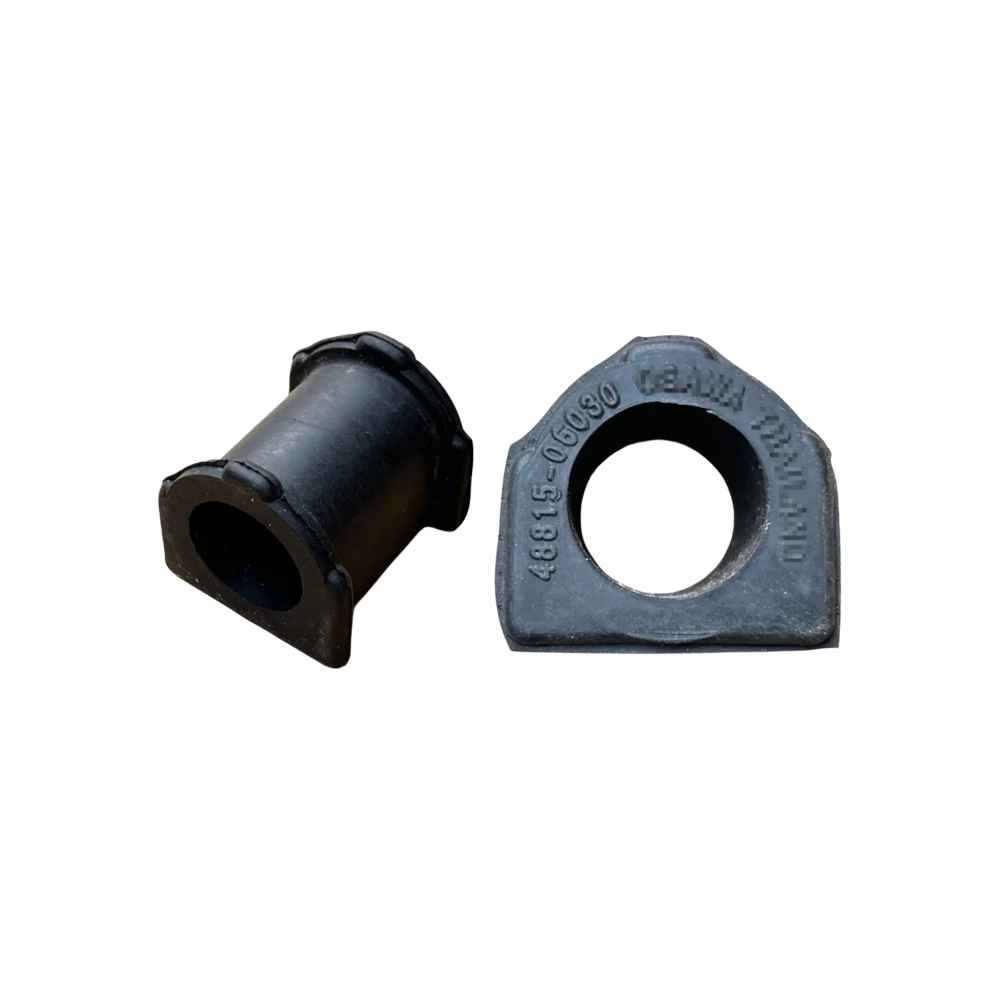
When it comes to purchasing components like Stabilizer Bar Bushings or other critical fixtures, choosing a manufacturer with a solid reputation is vital. TS16949/ISO certified manufacturers have proven their commitment to quality, assuring you that the products will perform as expected. Don’t cut corners; your engine deserves the best!
Final Thoughts on Maintenance
To sum it up, consistent maintenance and choosing quality parts are your strongest allies against oil leaks. Whether it’s buying Steering Rack Boots or exploring options for Shock Absorber Boots, make informed choices. Remember, prevention is always better than dealing with costly repairs later on!