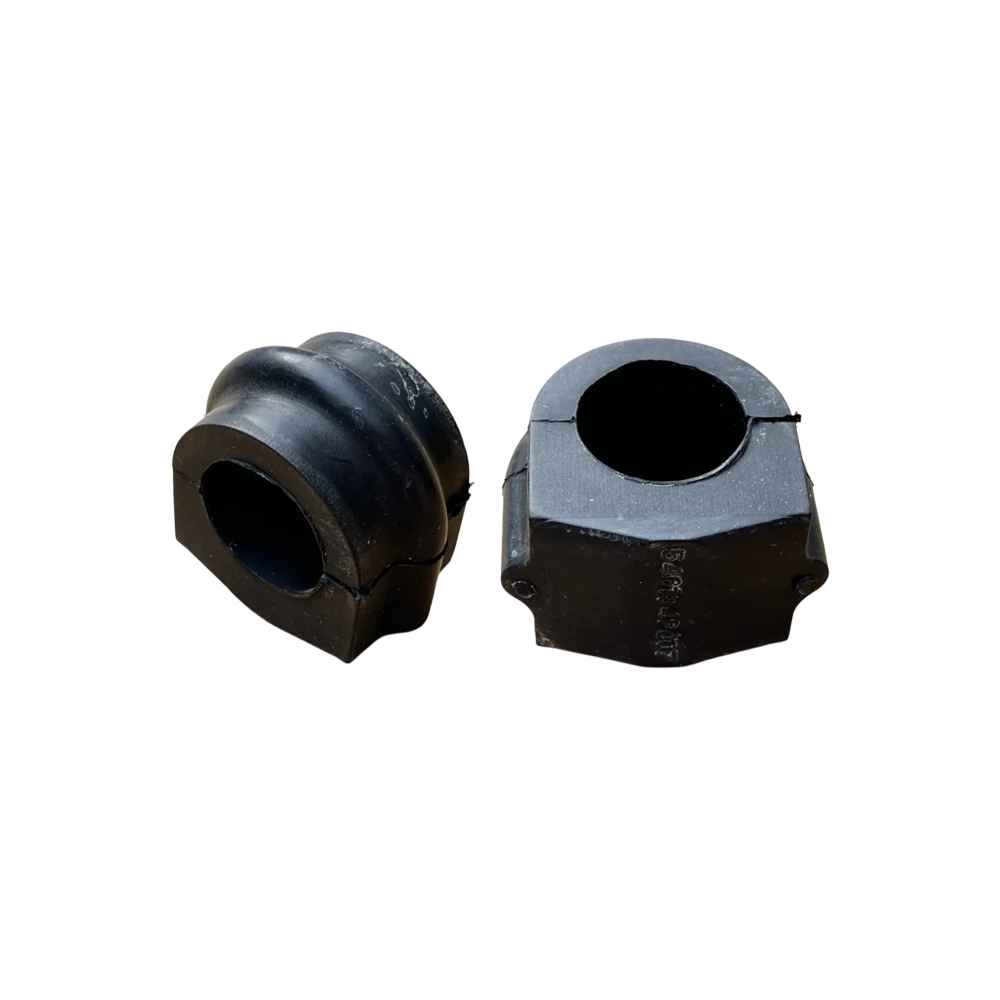
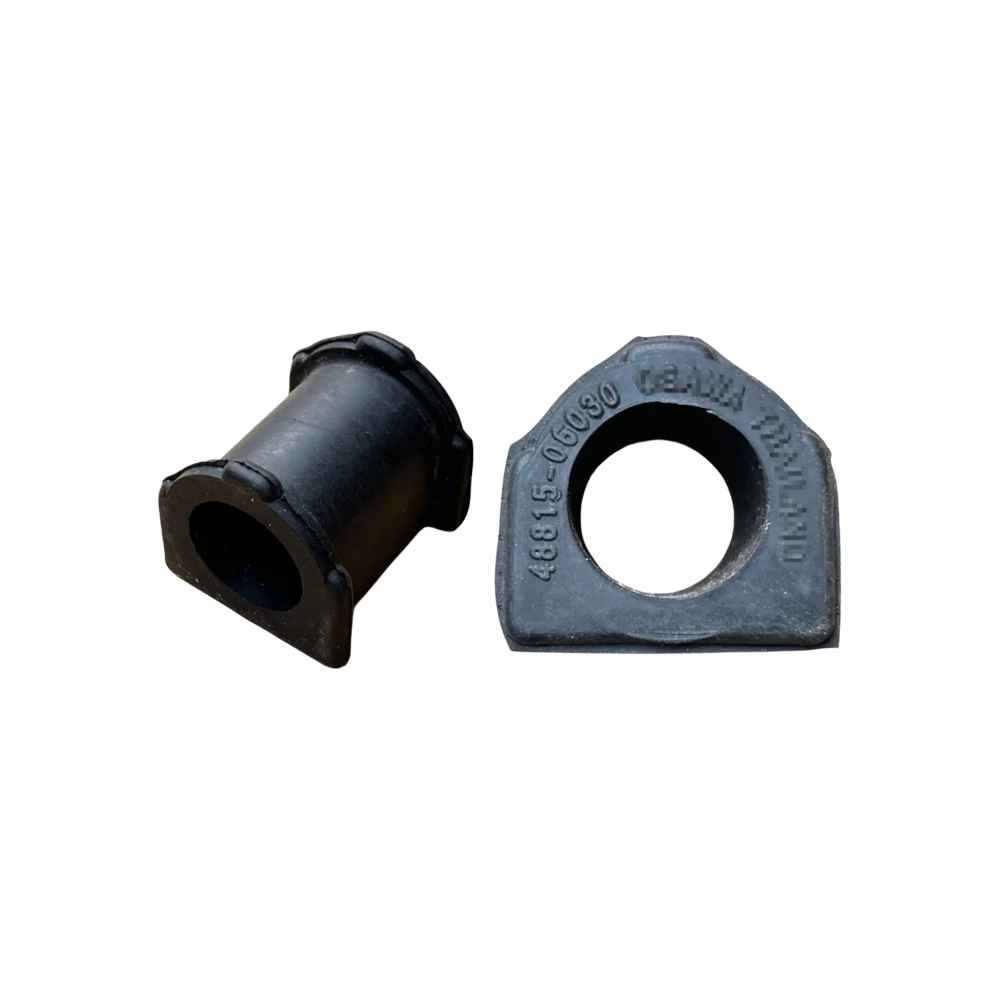
Understanding Anti-Roll Bar Bushings
When it comes to vehicle suspension systems, anti-roll bar bushings play a crucial role in maintaining stability and enhancing ride quality. These components are essential for both OEM and aftermarket applications, and their significance cannot be overstated. As a B2B wholesale supplier, it's vital to understand the different types of bushings available and how they can impact performance.
What Are Anti-Roll Bar Bushings?
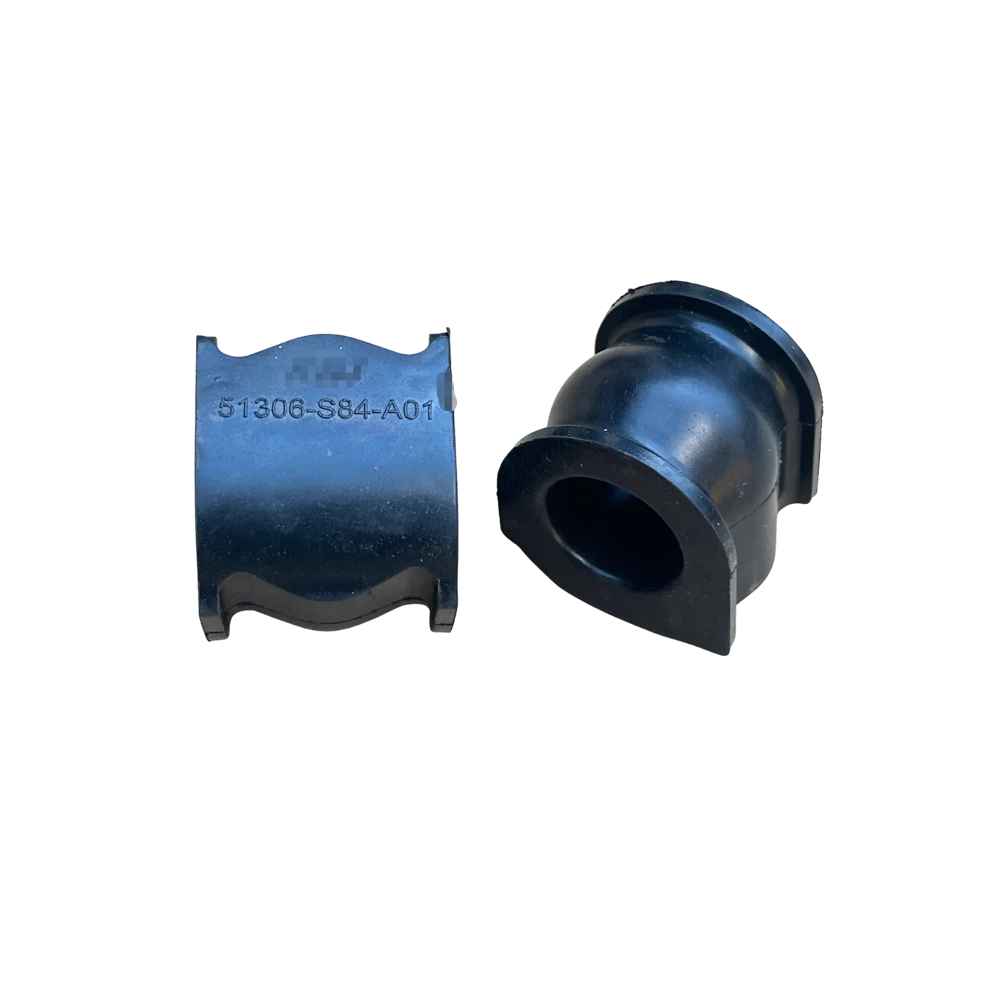
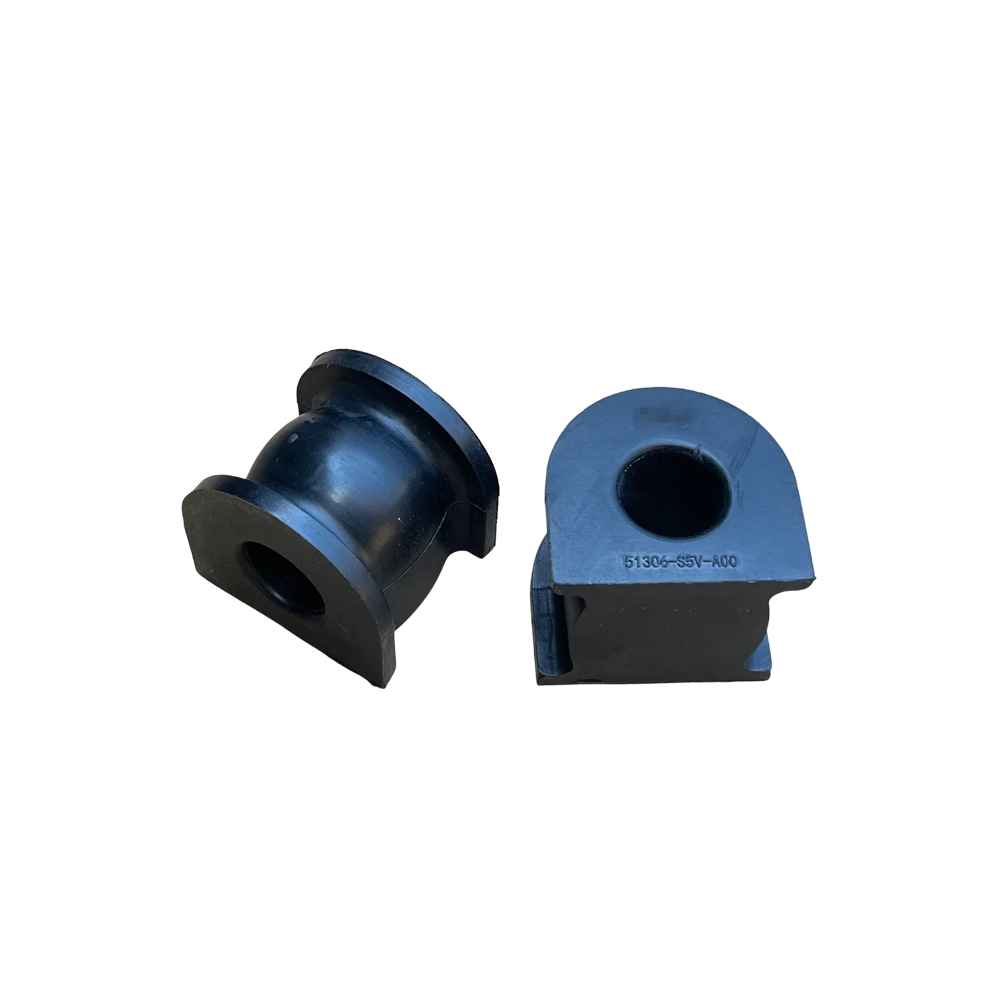
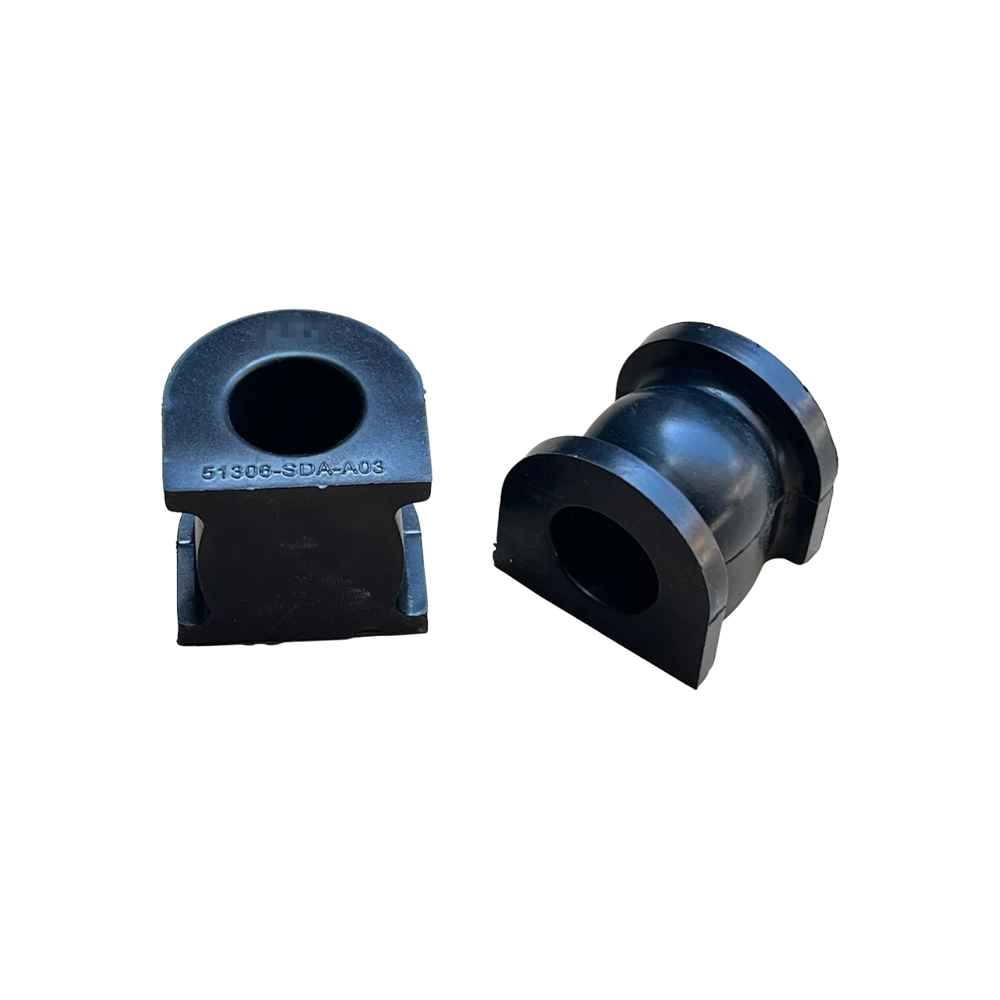
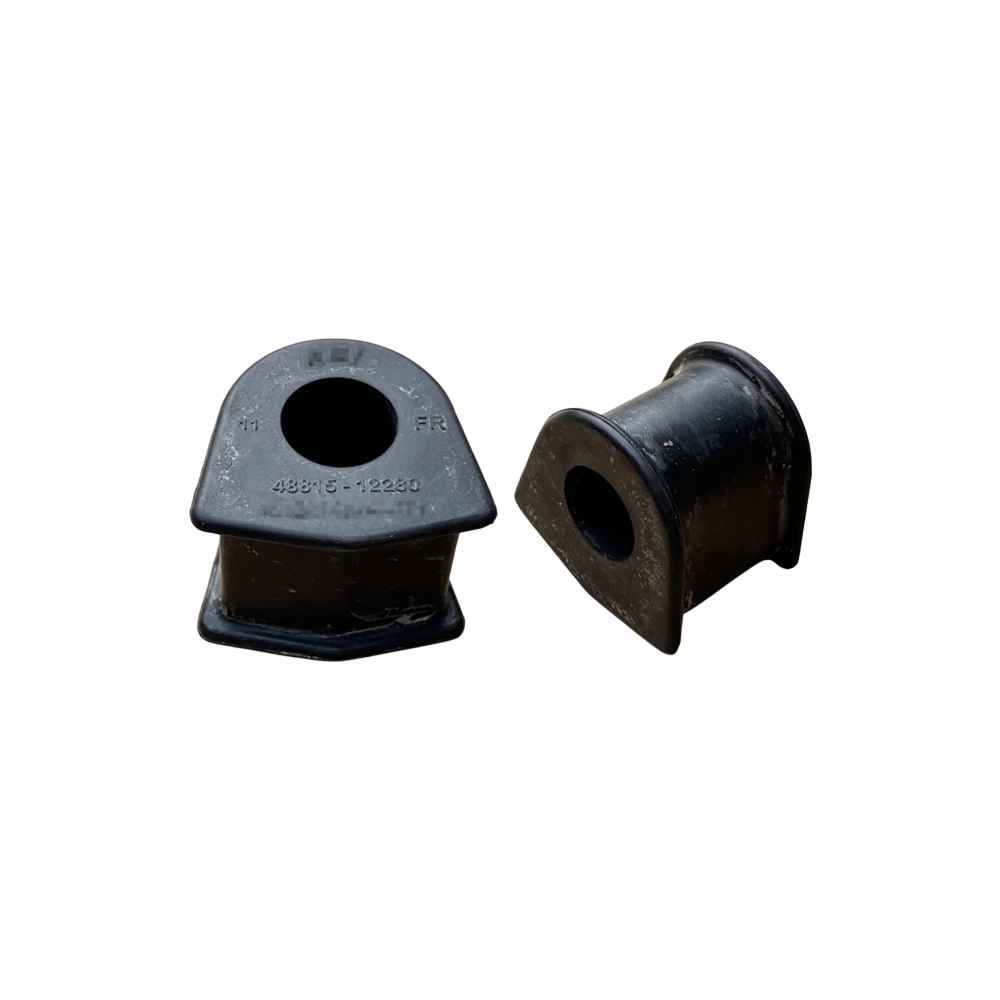
Anti-roll bar bushings are rubber or polyurethane components that help secure the sway bar to the vehicle's chassis. They allow for the transfer of forces during cornering while minimizing unwanted body roll. If these bushings wear out or become damaged, drivers can experience a noticeable increase in body sway, which diminishes handling and safety.
OEM vs. Aftermarket: What's the Difference?
Choosing between OEM (Original Equipment Manufacturer) parts and aftermarket replacements is a common dilemma for many supply businesses. Here’s a quick breakdown:
- OEM Parts: These are manufactured by the original car maker. They’re designed to meet the exact specifications of the vehicle, ensuring compatibility and reliability. However, they often come at a premium price.
- Aftermarket Parts: These parts are produced by third-party manufacturers, providing more options and competitive pricing. While quality can vary, reputable brands, like Guanghua, offer reliable alternatives that can sometimes exceed OEM standards.
Key Factors to Consider When Sourcing
As a supplier, there are several factors to consider when sourcing anti-roll bar bushings:
- Material Quality: The durability of the bushing material affects lifespan. Rubber is standard, but polyurethane can offer better performance due to its stiffness and resistance to wear.
- Fitment: Ensure that the bushings you are sourcing match various makes and models for better inventory turnover. Compatibility with other components, such as Steering Rack Boots and Shock Absorber Boots , is also important.
- Grip: A good anti-roll bar bushing should provide sufficient grip without compromising flexibility. This balance allows for optimal performance under various driving conditions.
Installation Best Practices
Installing anti-roll bar bushings might seem straightforward, but it requires attention to detail. Here are some best practices:
- Inspect Components: Before installation, check for any wear on related components, such as the stabilizer bar and associated hardware.
- Proper Lubrication: Apply appropriate lubricant to avoid squeaking and ensure smooth operation. Not using lubrication can lead to premature wear.
- Tightening Sequence: Follow the manufacturer’s recommended tightening sequence. This ensures even pressure distribution and avoids stress points.
Common Problems and Solutions
Even with high-quality parts, issues can arise. Here are some common problems and potential solutions:
- Squeaking Noises: Often caused by lack of lubrication or worn-out bushings. Inspect and replace if necessary.
- Excessive Body Roll: This indicates worn bushings. Upgrade to higher-performance versions or inspect connected components like the anti-roll bar itself.
- Alignment Issues: Misalignment can occur due to failing bushings. It's essential to check alignment regularly, especially after replacements.
Trends in the Market
The market for anti-roll bar bushings has seen notable trends recently. With increasing awareness about vehicle safety and performance, more suppliers are leaning toward high-performance materials, such as polyurethane. Additionally, there's a growing demand for eco-friendly and sustainable manufacturing practices, influencing how products are designed and produced.
Importance of Quality Assurance
For B2B suppliers, maintaining quality assurance is paramount. Regular testing of your inventory for durability, fitment, and performance ensures you meet customer expectations. Implementing rigorous quality control measures can enhance trust and brand loyalty, especially when dealing with critical components like bushings.
Conclusion
In the competitive landscape of automotive parts, understanding anti-roll bar bushings and their implications for OEM and aftermarket applications is essential. By focusing on quality, compatibility, and customer needs, suppliers can position themselves effectively in the market, ultimately leading to increased sales and customer satisfaction.