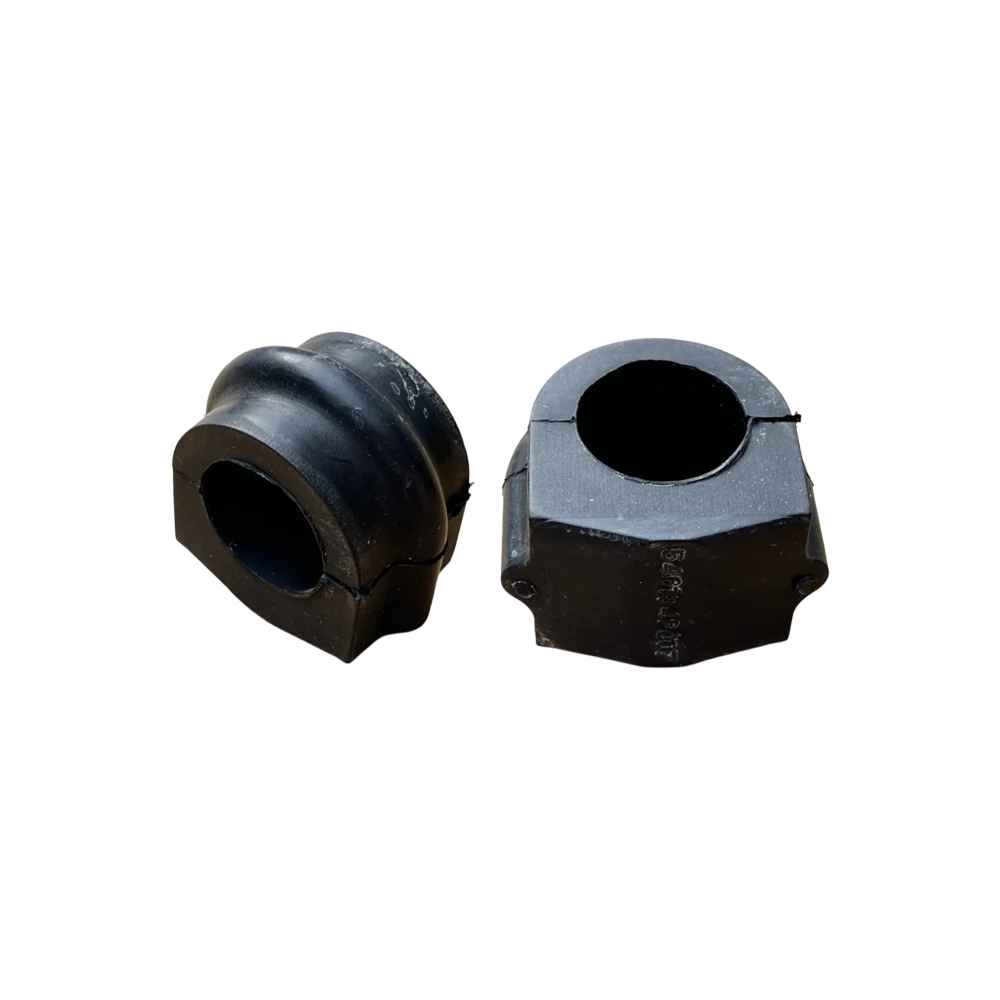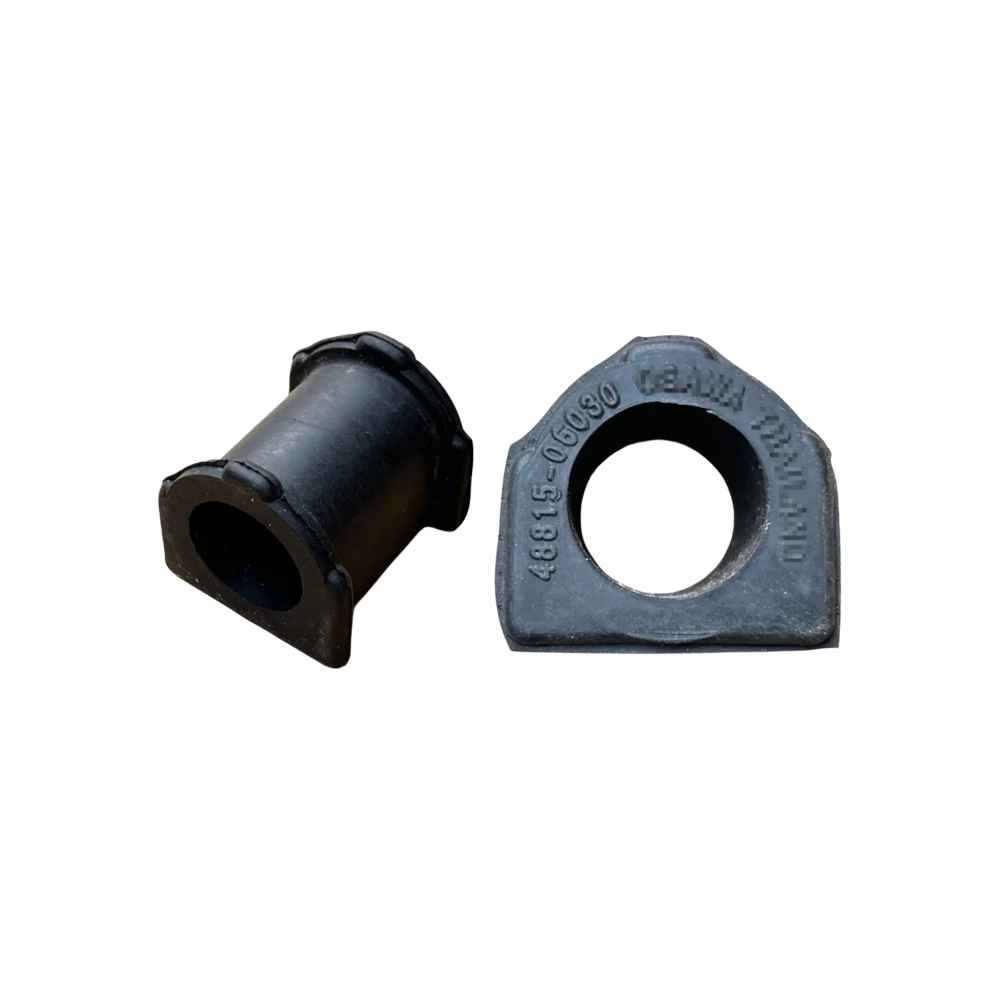
The Importance of Shock Dust Covers
Shock dust covers. Often overlooked, yet they play a critical role in the longevity and performance of automotive shock absorbers. A damaged dust cover can lead to premature wear, oil leaks, and ultimately, a complete failure of the shock absorber. Did you know that nearly 30% of shock absorber failures are attributed to compromised dust covers? Shocking, right?
OEM vs. Aftermarket Options
When it comes to replacing shock dust covers, manufacturers often face a dilemma: OEM or aftermarket parts? OEM parts, like those produced by established brands such as Guanghua, guarantee a snug fit and adherence to original specifications. On the other hand, aftermarket options may offer cost savings but come with varying levels of quality.
- Cost: Aftermarket parts can be significantly cheaper.
- Quality: OEM parts typically provide better durability.
- Availability: Aftermarket parts are often easier to source.
Choosing the Right Materials
Materials matter. Not all rubber is created equal. When selecting shock dust covers, consider synthetic rubbers that withstand extreme temperatures and resist UV damage. For example, using specialized compounds can extend the life of a dust cover while maintaining flexibility.
Manufacturing Considerations
From a contract manufacturing perspective, precision is key. The process can be complex, especially when considering the different specifications required for OEM versus aftermarket components. It’s not just about making a part; it’s about ensuring that every detail, down to the O-Rings & Rubber Sealing Rings used in assembly, meets strict industry standards.
A Case Study
Let’s delve into a practical scenario. A leading automotive manufacturer faced a production halt due to a shortage of shock dust covers. Their supplier's inability to deliver quality parts on time forced them to explore alternative sources. They considered partnering with a contract manufacturer specializing in both OEM and aftermarket parts.
The result? They implemented a dual-production line. One line focused solely on OEM-standard parts, utilizing Guanghua materials, while the other catered to aftermarket needs, leveraging cost-effective solutions. This strategic shift increased their output by 40% within three months. Amazing, isn’t it?
Testing and Quality Assurance
Once the dust covers are produced, rigorous testing is non-negotiable. Manufacturers should employ protocols that include:
- Durability tests to simulate extreme conditions.
- Compatibility assessments with various shock absorber brands.
- Regular inspections of batch outputs.
Each step ensures that the final product meets expectations. A defect in one batch can ruin customer trust and impact sales. It's a risk no company can afford.
Market Trends and Future Directions
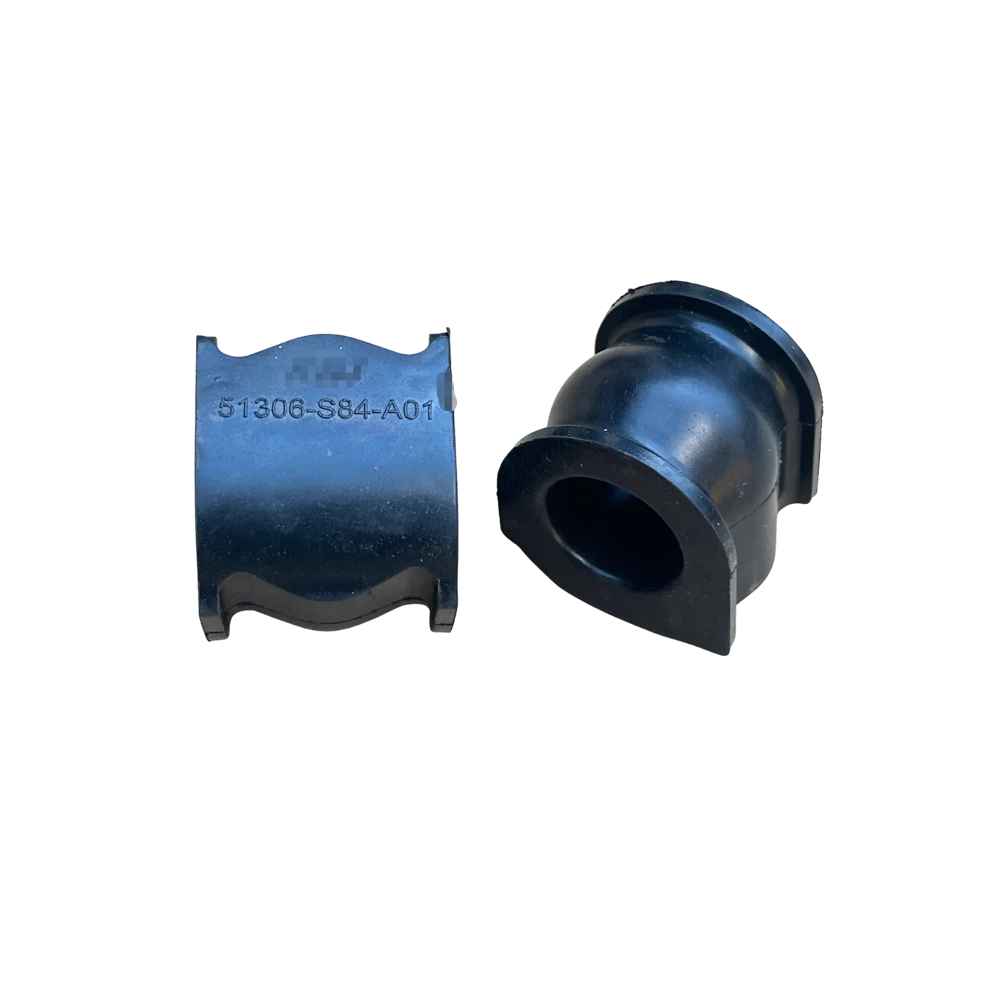
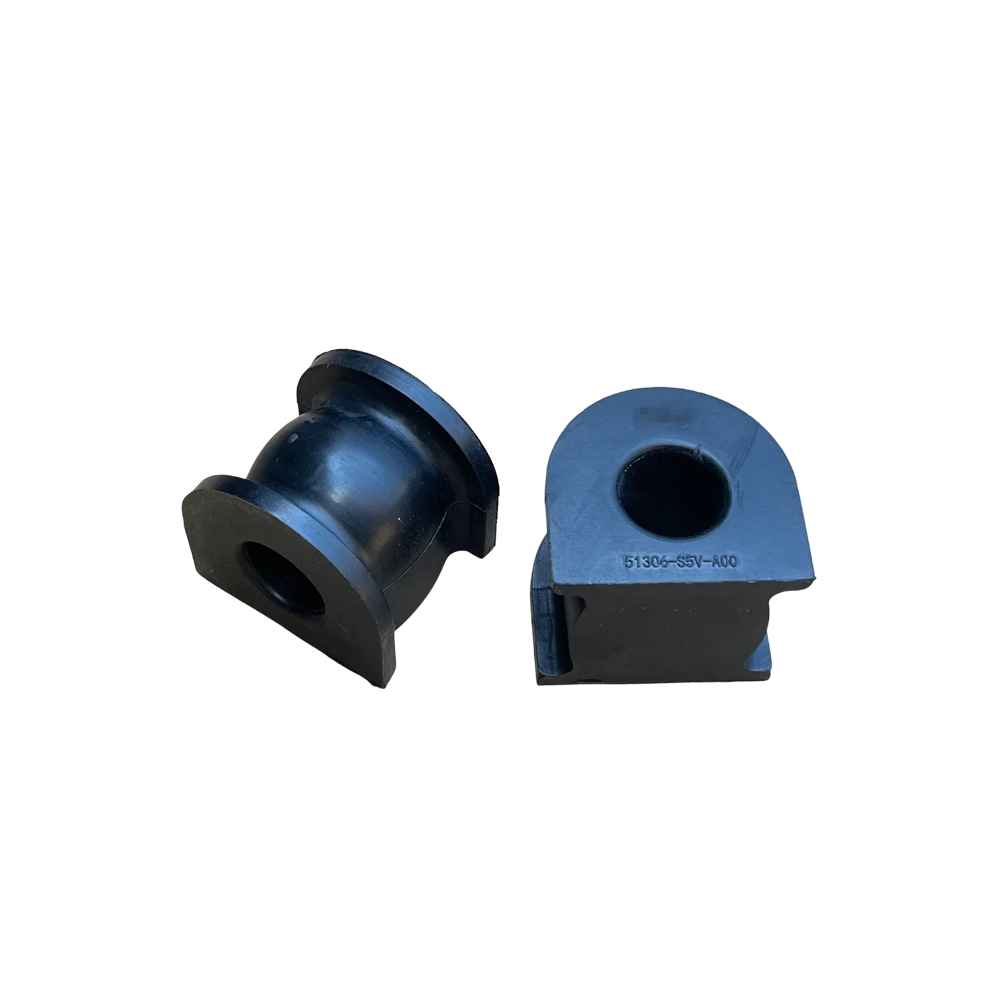
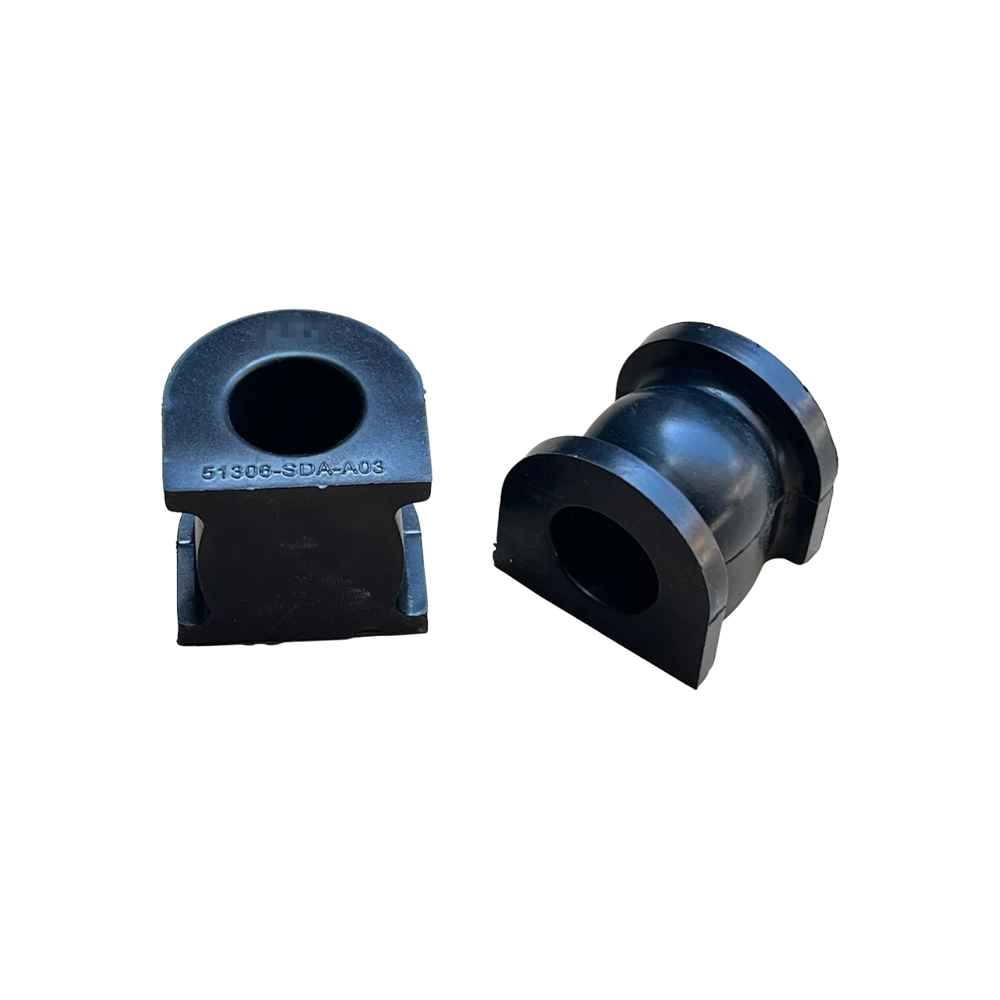
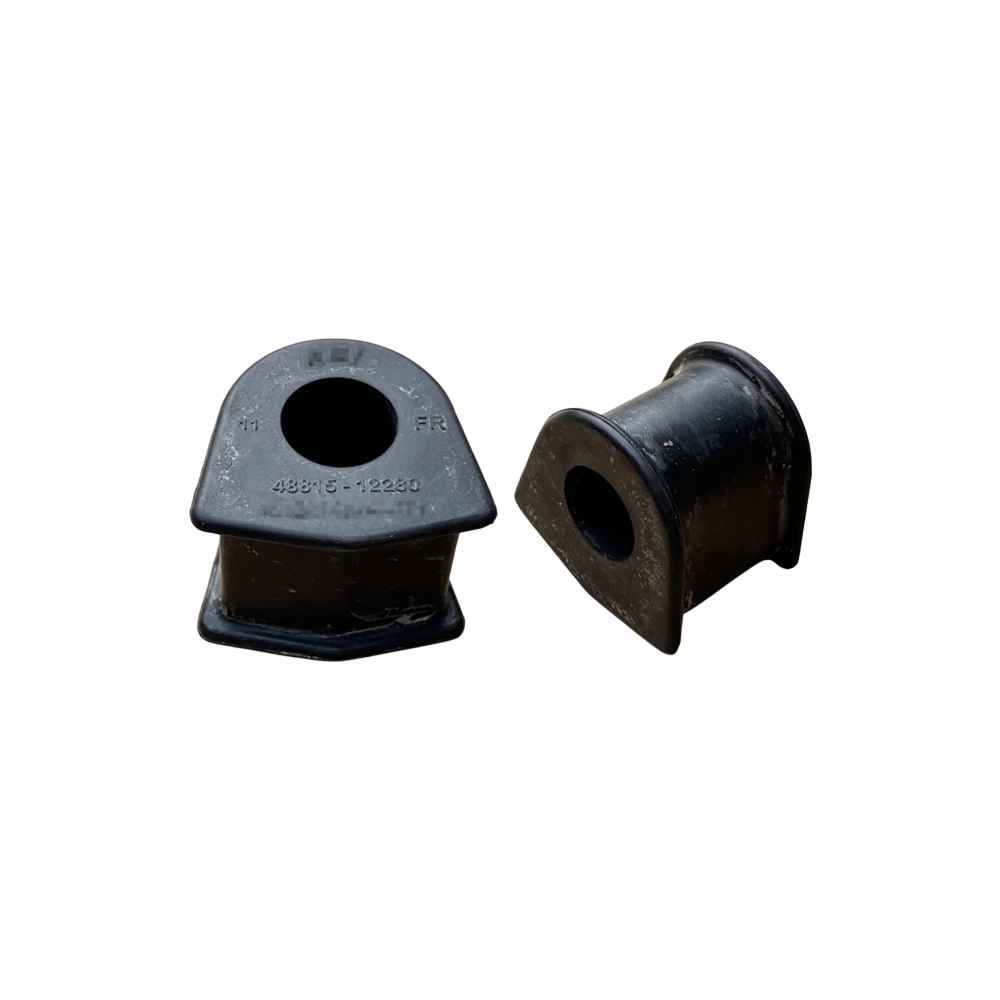
Looking ahead, the market for shock dust covers is evolving. Increasingly stringent regulations around vehicle efficiency and emissions mean that manufacturers must innovate. Think of how Stabilizer Bar Bushings have evolved—what once was standard is now optimized for performance. The same trend applies to shock dust covers, where advancements in material science could redefine expectations.

Environmental Concerns
With growing environmental awareness, there's pressure to use recyclable materials. Contract manufacturers are exploring biocompatible options that do not compromise performance. Isn't it fascinating? The intersection of sustainability and functionality creates new opportunities.
Conclusion
In the competitive landscape of automotive parts, shock dust covers represent a small yet vital element. Whether opting for OEM from trusted names like Guanghua or exploring aftermarket alternatives, the choices made today will shape the industry's future. Always remember: the devil is in the details, and the quality of your components can make or break the entire system.