Current Trends in Suspension Rubber Parts
The suspension system plays a crucial role in vehicle dynamics and comfort. In both European and American vehicle repair sectors, certain rubber parts have gained prominence due to their essential functions in maintaining performance and safety standards.
Increased Demand for High-Performance Materials
With the automotive industry moving towards lightweight and durable materials, there is a significant trend towards high-performance elastomers in the manufacturing of suspension rubber parts. This shift has been influenced by the rising need for fuel efficiency and reduced emissions. Consequently, manufacturers are exploring advanced formulations that withstand extreme weather conditions and offer superior longevity.
Popular Suspension Rubber Components
- CV Joint Boots : These components protect the CV joints from dirt and moisture, thereby ensuring smooth operation and extending service life.
- Steering Rack Boots : Essential for protecting the steering mechanisms from contaminants, which can lead to premature wear and costly repairs.
- Shock Absorber Boots : They serve as a protective cover for shock absorbers, preventing dirt ingress and enhancing durability.
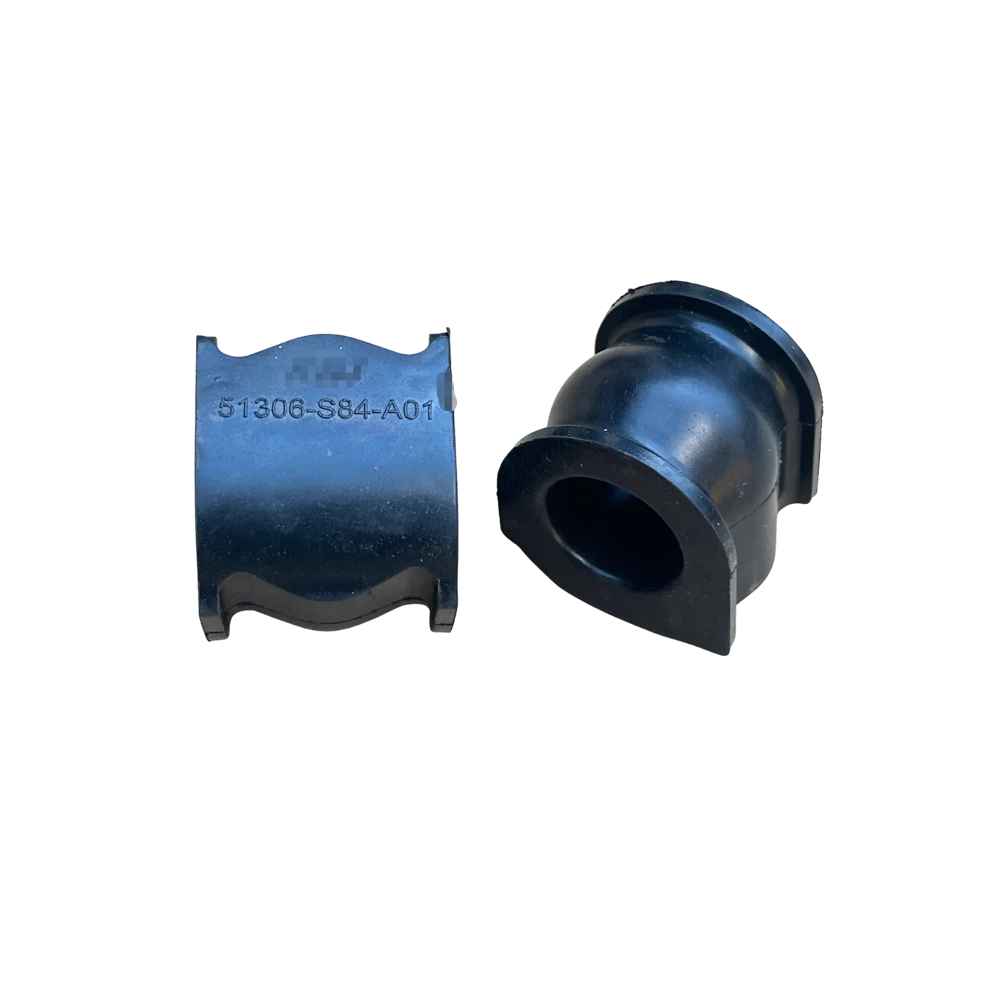
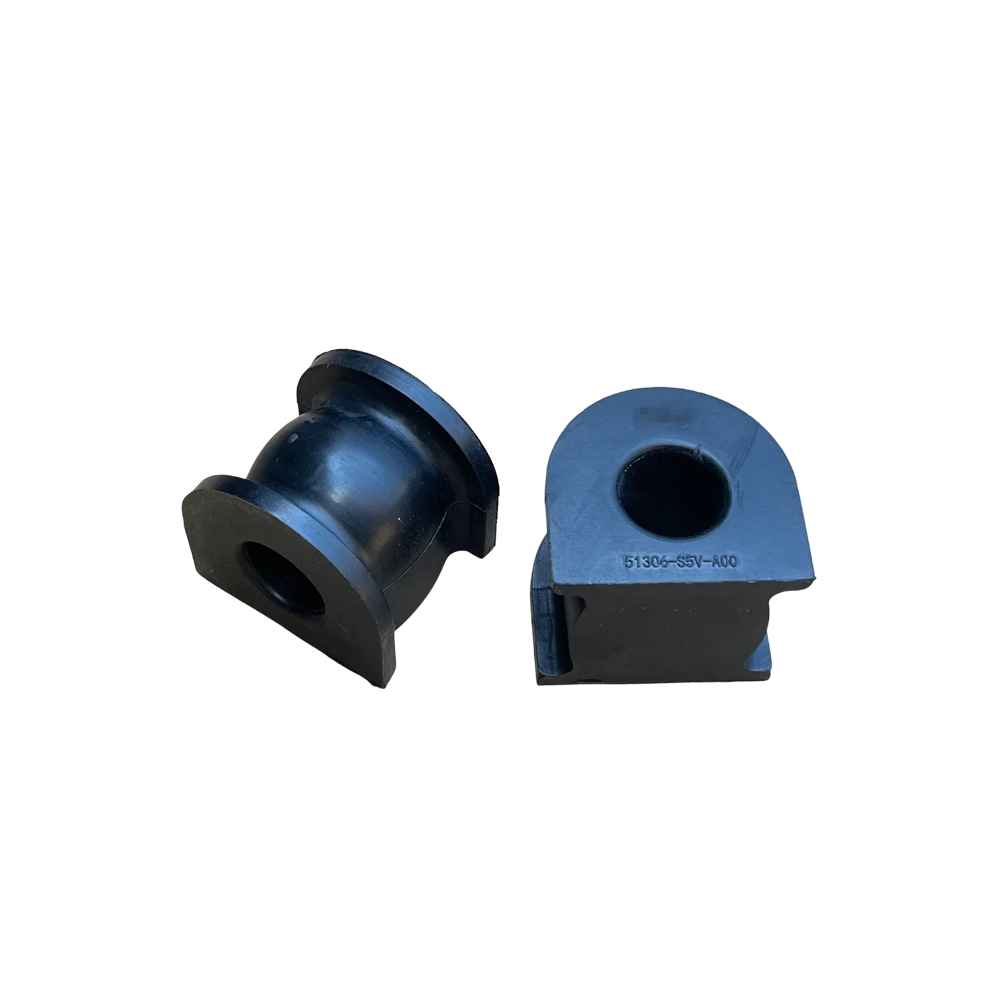
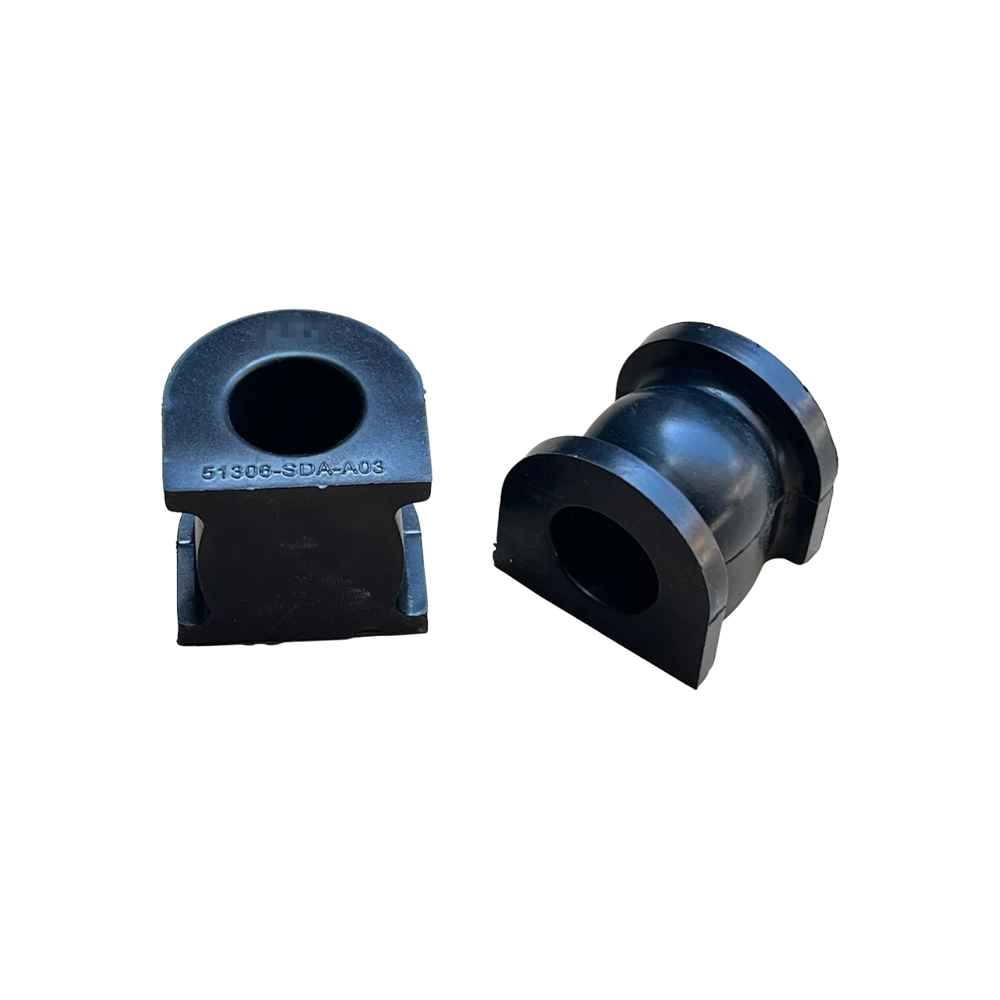
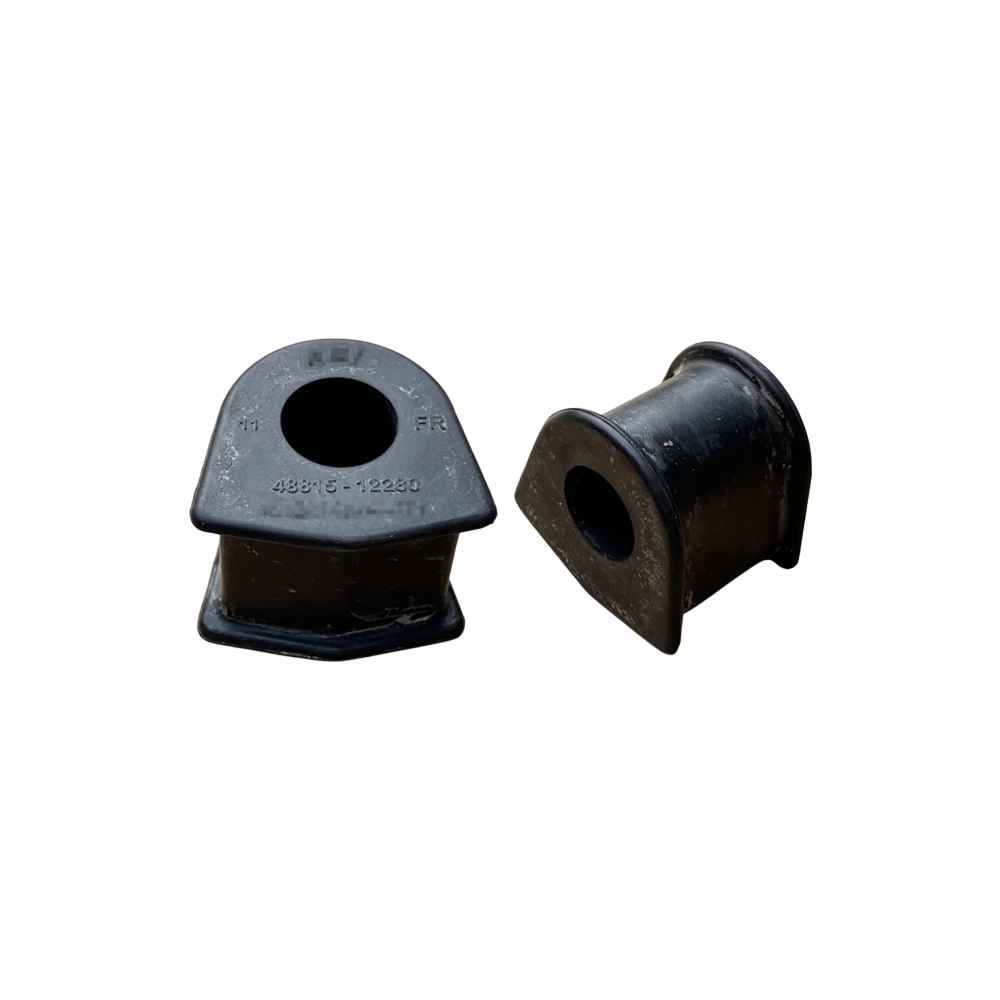
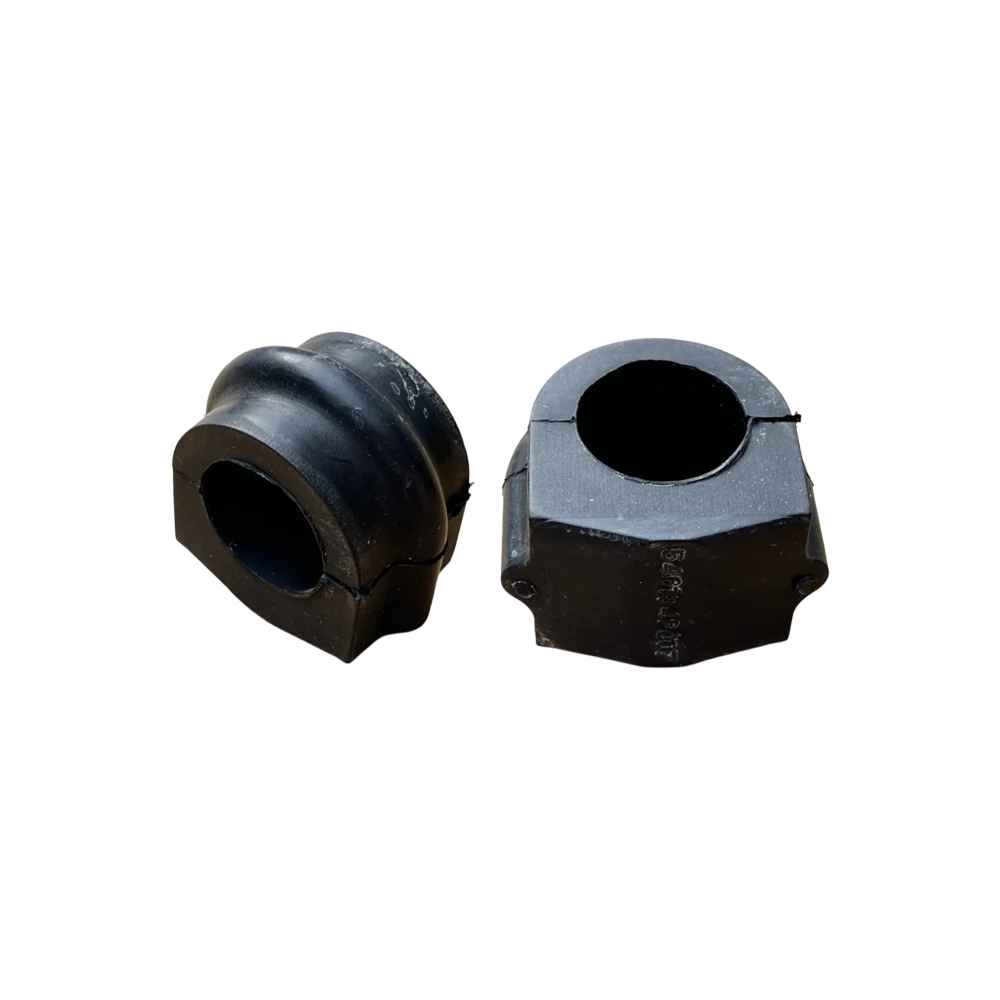
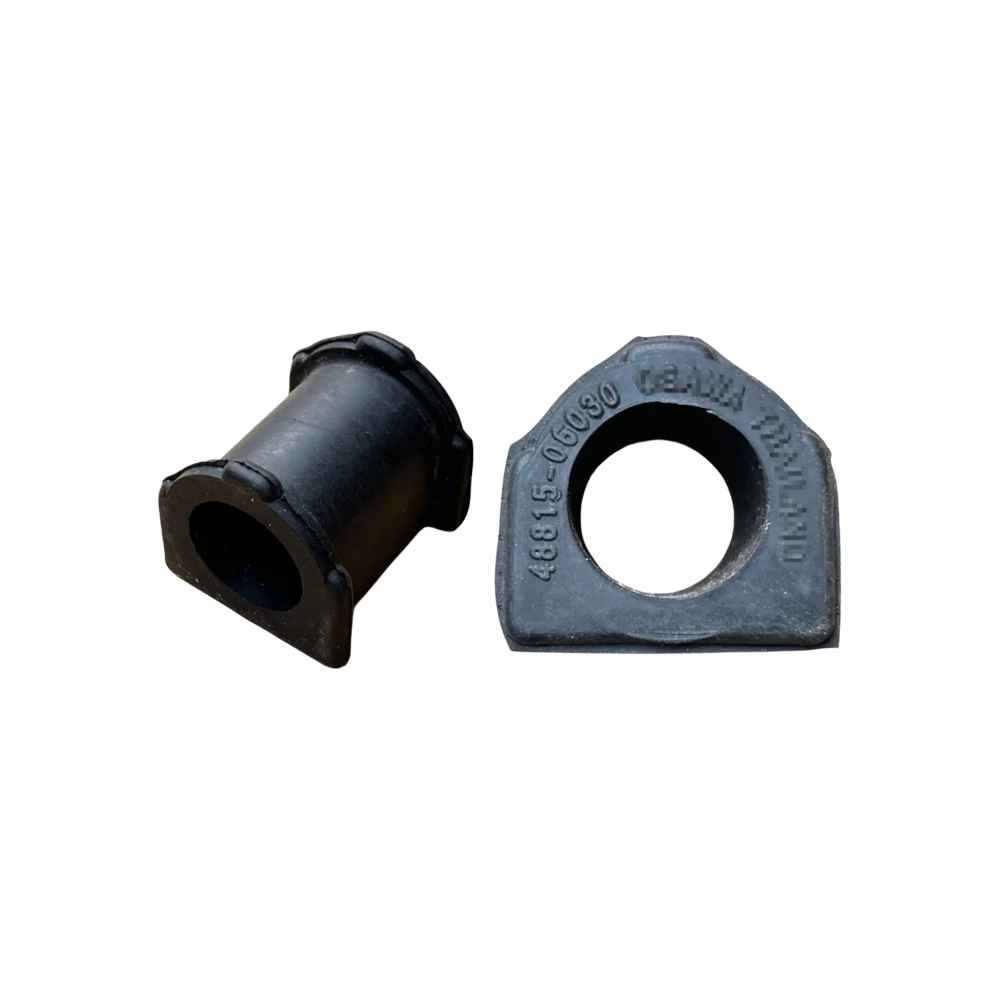
- Stabilizer Bar Bushings: These bushings are crucial for minimizing noise and vibrations, thus contributing to smoother vehicle handling.
- O-Rings & Rubber Sealing Rings: Widely used for their sealing capabilities, these rings play an important role in maintaining hydraulic pressures within the suspension system.
- Valve Cover Gasket: While not exclusively a suspension part, this gasket prevents oil leaks, contributing to overall engine performance and reliability.
Technological Innovations and Adaptations
As the landscape of vehicle manufacturing evolves, so too do the technologies utilized in the production of rubber parts. Innovations such as injection molding and 3D printing are allowing for more complex designs without compromising on quality. Furthermore, companies like Guanghua have begun integrating smart materials that can adapt to changing road conditions, enhancing driving safety and comfort.
Market Dynamics Influencing Rubber Part Production
The global automotive market is witnessing a dynamic shift driven by consumer preferences for eco-friendly vehicles. Manufacturers are also compelled to adhere to stricter regulatory standards aimed at reducing environmental impact. As a result, China-based rubber auto parts factories must stay ahead by innovating their product lines to align with these trends.
Sustainability in Manufacturing Practices
Eco-consciousness is no longer merely a trend; it has become an imperative in the rubber parts sector. Factories are increasingly adopting sustainable practices, such as recycling scrap rubber and utilizing bio-based materials to create new products. This adaptation not only caters to market demand but also enhances brand reputation.
Customization and Flexibility
Another notable trend is the growing demand for customized solutions. As individual consumer needs vary significantly, offering tailored rubber components can provide a competitive edge. This necessitates a flexible manufacturing approach where factories can quickly adapt to changes in order volume and specifications.
Challenges Faced by Manufacturers
While there are numerous opportunities in the rubber auto parts segment, several challenges persist. Competition is fierce, especially with the influx of low-cost imports flooding the market. Additionally, maintaining consistent quality amidst fluctuating raw material prices poses a significant hurdle for manufacturers aiming to uphold high standards.
Investing in Quality Control
To combat these challenges, robust quality control processes must be implemented. This includes regular testing of materials and finished products to ensure they meet both international safety standards and customer expectations. Companies like Guanghua have set benchmarks in this regard by employing rigorous testing protocols.
Global Supply Chain Considerations
Managing a global supply chain can be daunting, particularly in the face of disruptions such as pandemics or geopolitical tensions. Therefore, it is crucial for manufacturers to establish reliable partnerships and consider diversifying their supply sources to mitigate risks effectively.
Future Outlook and Strategic Recommendations
Looking toward 2025, the trajectory for suspension rubber parts in the European and American markets indicates a strong emphasis on innovation, sustainability, and customization. To remain competitive, China-based manufacturers should consider the following strategies:

- Invest in R&D to develop advanced materials and smart technologies.
- Enhance sustainability practices throughout the manufacturing process.
- Focus on building strong relationships with automotive OEMs and aftermarket retailers.
- Stay abreast of regulatory changes and adapt product offerings accordingly.
By aligning with these strategic directions, manufacturers can capitalize on the emerging trends within the suspension rubber parts sector, thereby securing a foothold in the ever-evolving automotive landscape.