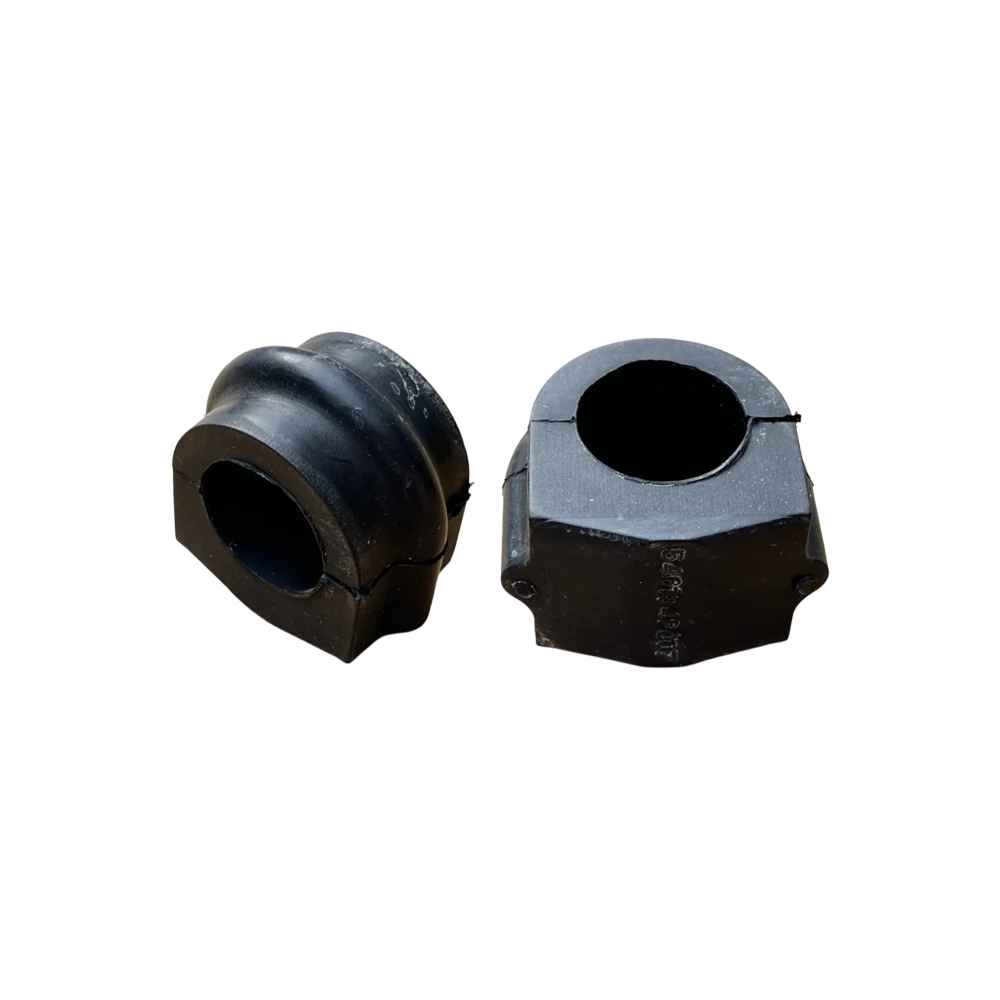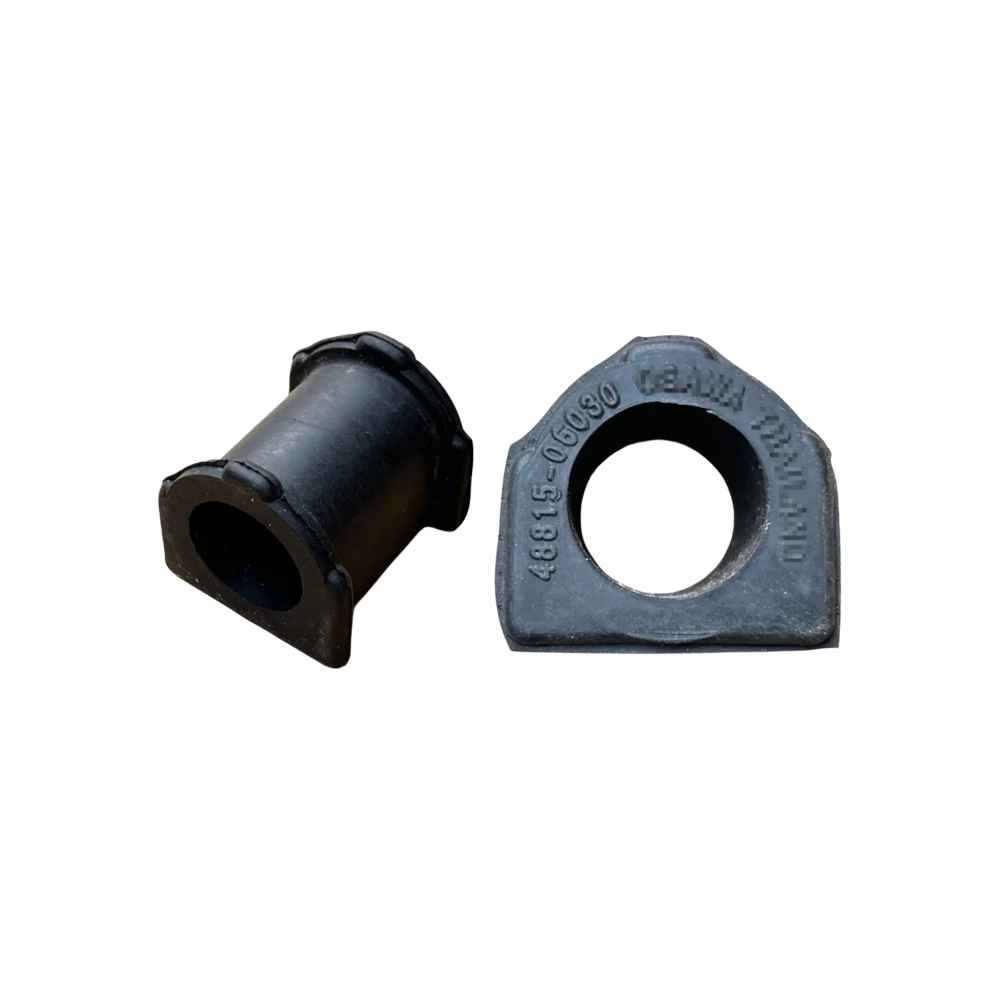
Understanding Anti-roll Bar Bushings
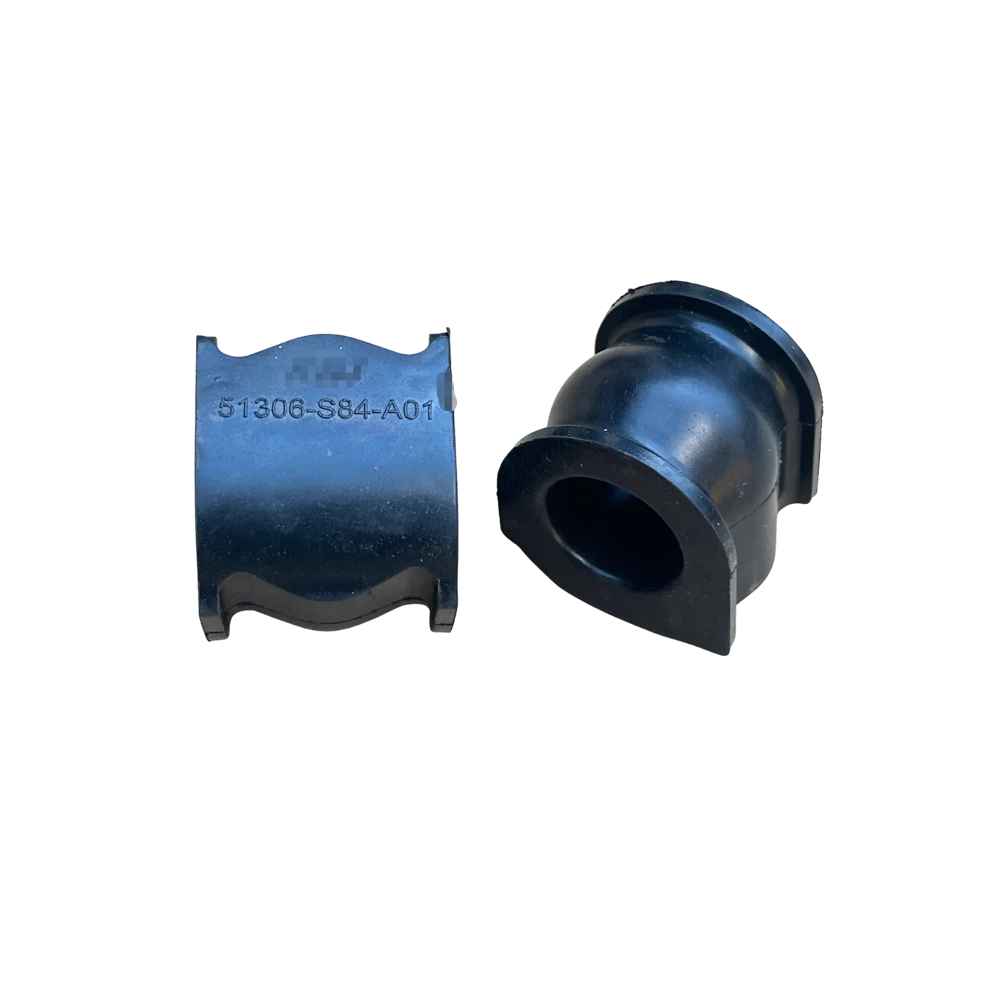
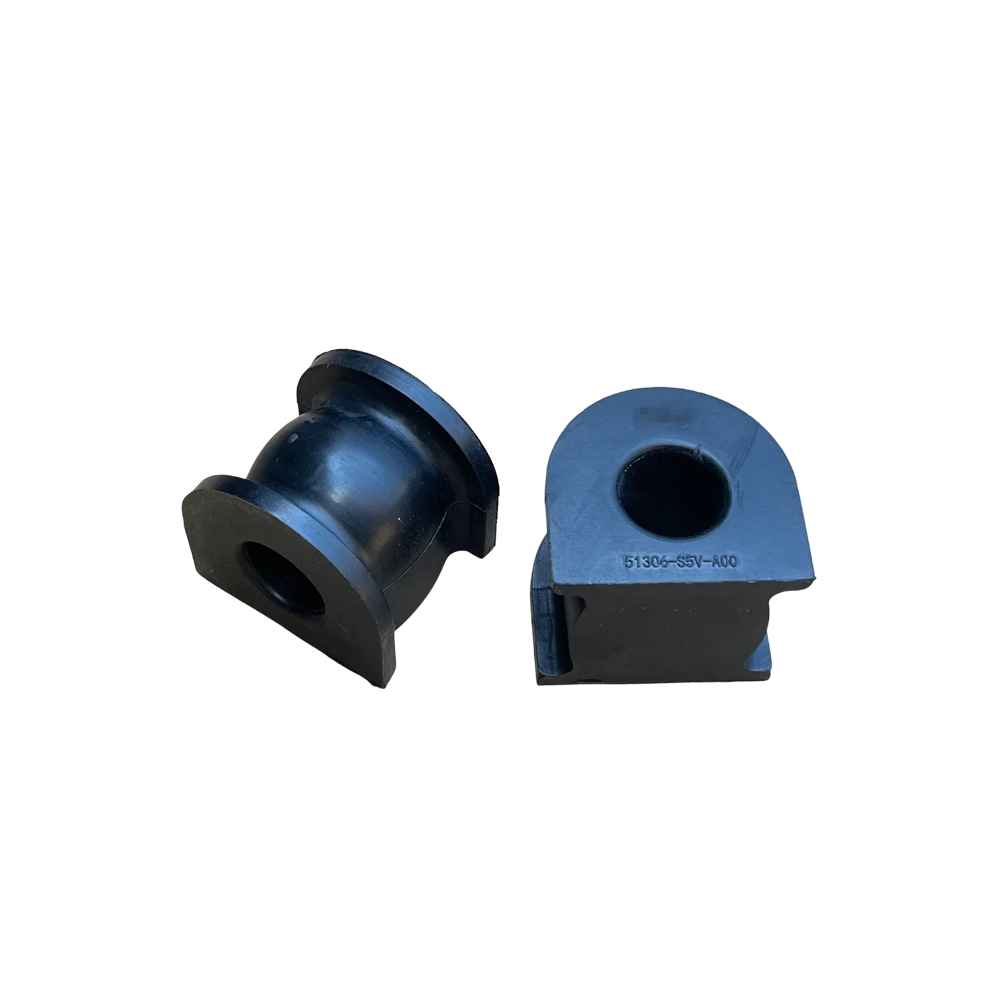
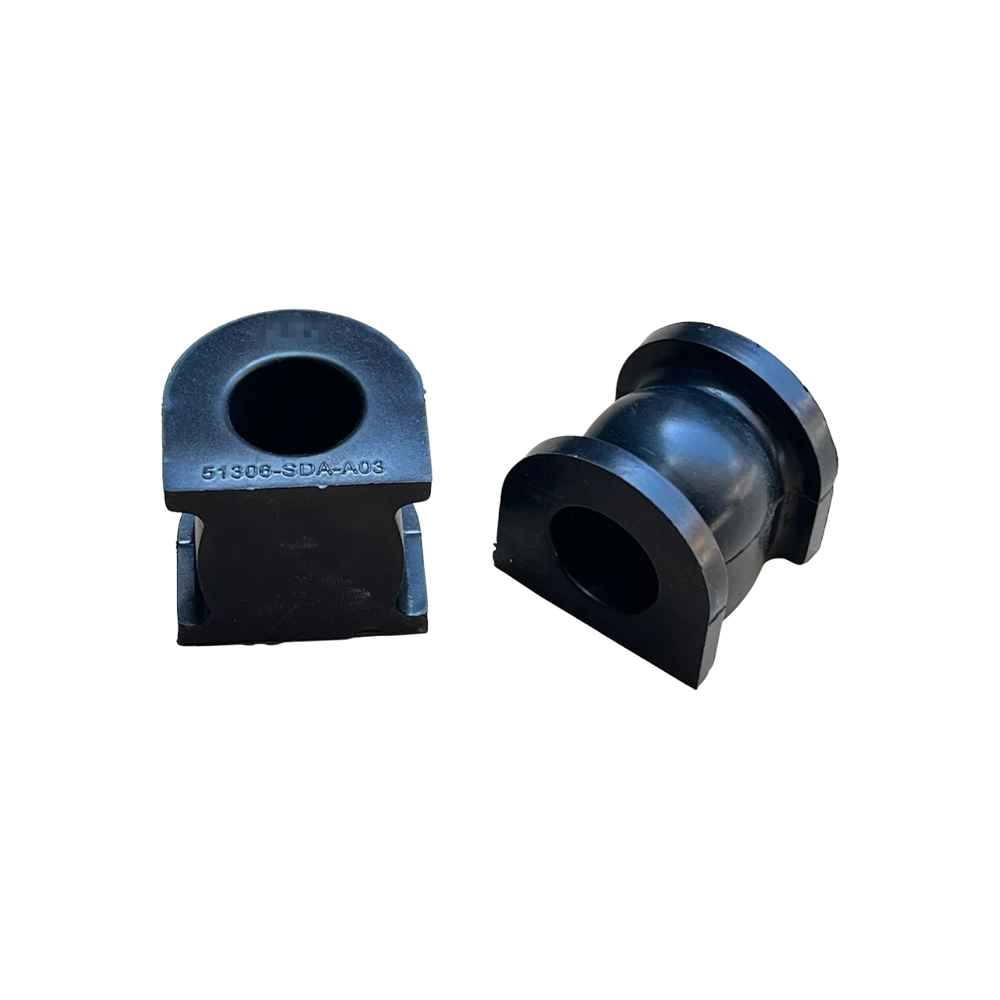
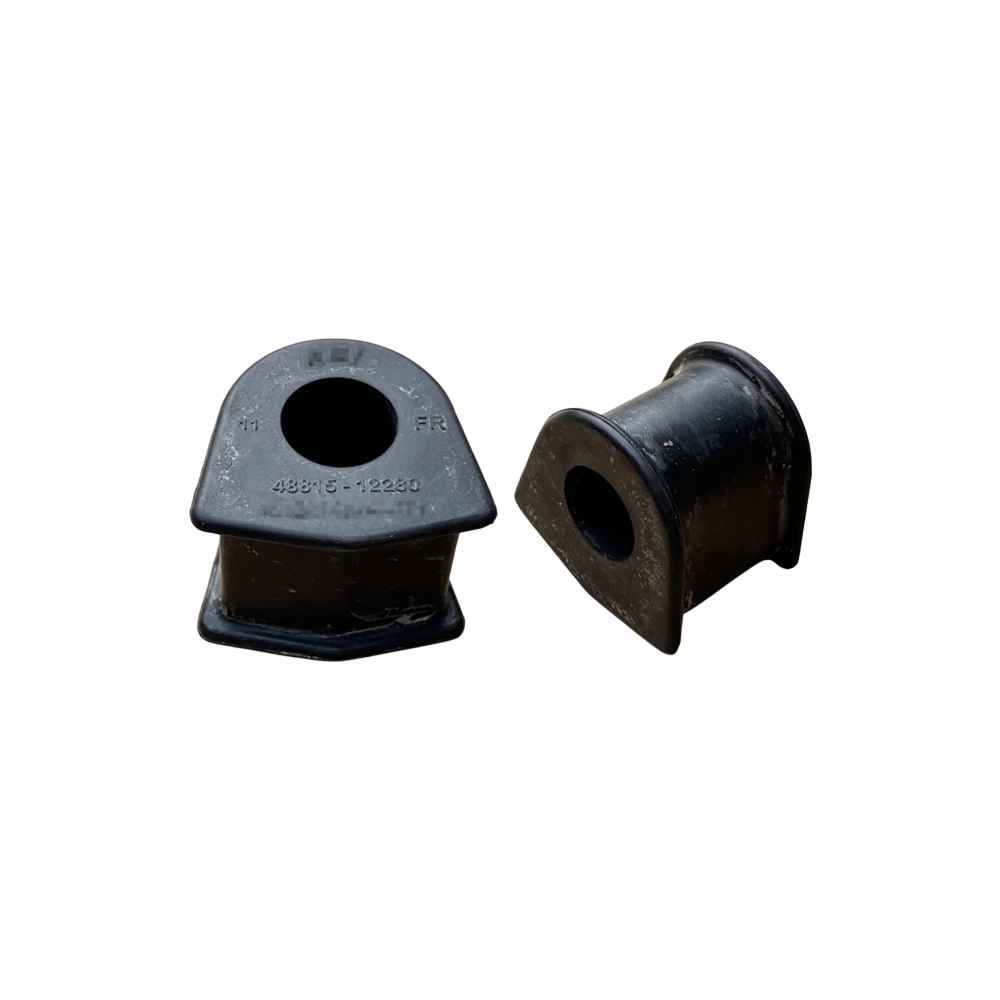
Anti-roll bar bushings, commonly referred to as Stabilizer Bar Bushings , serve a crucial role in vehicle suspension systems. These components help reduce body roll during cornering, thereby enhancing handling and stability. Typically made from rubber or polyurethane, the choice of material significantly influences performance and longevity.
Materials Used in Anti-roll Bar Bushings
- Rubber: Traditional rubber bushings are favored for their excellent vibration-damping properties and cost-effectiveness. However, they tend to deteriorate over time due to exposure to environmental factors.
- Polyurethane: This alternative material offers superior durability and resistance to wear and tear. Polyurethane bushings can withstand harsher conditions, making them ideal for performance-oriented vehicles.
Durability Concerns
When evaluating the durability of anti-roll bar bushings, it's essential to consider various factors such as heat resistance, chemical stability, and compression set. Rubber bushings may become soft and lose their shape under extreme temperatures, while polyurethane maintains its structural integrity longer, even under stress.
The Role of O-ring Seals
O-ring seals, primarily used in hydraulic systems and automotive applications, function as a barrier against leakage. Their circular shape allows for a tight seal when compressed, preventing fluids from escaping. The effectiveness of O-rings depends heavily on the material selected for their manufacture.
Material Options for O-ring Seals
- Nitrile Rubber: Widely used due to its good oil resistance and mechanical strength. Nitrile is suitable for many automotive applications including engine and transmission seals.
- Viton: Known for its exceptional temperature tolerance and chemical resistance, Viton O-rings are often utilized in high-performance environments.
Assessing Durability in O-ring Seals
To ascertain the lifespan of O-ring seals, considerations such as temperature extremes, pressure variations, and compatibility with different fluids come into play. The degradation of these seals can lead to significant operational issues within hydraulic systems, making their quality paramount.
Wholesale Pricing Insights for Both Components
Pricing for anti-roll bar bushings and O-ring seals can vary greatly based on materials, brand reputation, and bulk purchasing options. As seen with brands like Guanghua, which offer competitive pricing structures, sourcing components at wholesale rates can provide substantial savings for both individuals and businesses.
Factors Influencing Wholesale Prices
- Material Costs: Higher-quality materials generally result in higher prices, but they often pay off in terms of longevity and performance.
- Market Demand: Seasonal demand fluctuations can affect pricing; for instance, an uptick in vehicle maintenance during certain months may drive up costs.
- Volume Discounts: Purchasing in larger quantities often yields lower per-unit costs, making it economically viable for workshops and distributors.
Comparative Pricing Analysis
In comparing prices between anti-roll bar bushings and O-ring seals, one may notice that bushings typically command a higher price point due to their complex design and functional requirements. Conversely, O-ring seals—while critical—are often more affordable, particularly when sourced from reputable suppliers.
Conclusion on Choosing the Right Component
Ultimately, the decision between anti-roll bar bushings and O-ring seals should be guided by specific application needs, desired durability, and budget constraints. Understanding the nuances associated with materials and wholesale pricing will empower consumers and automotive professionals alike to make informed choices, ensuring both safety and performance in vehicular operations.