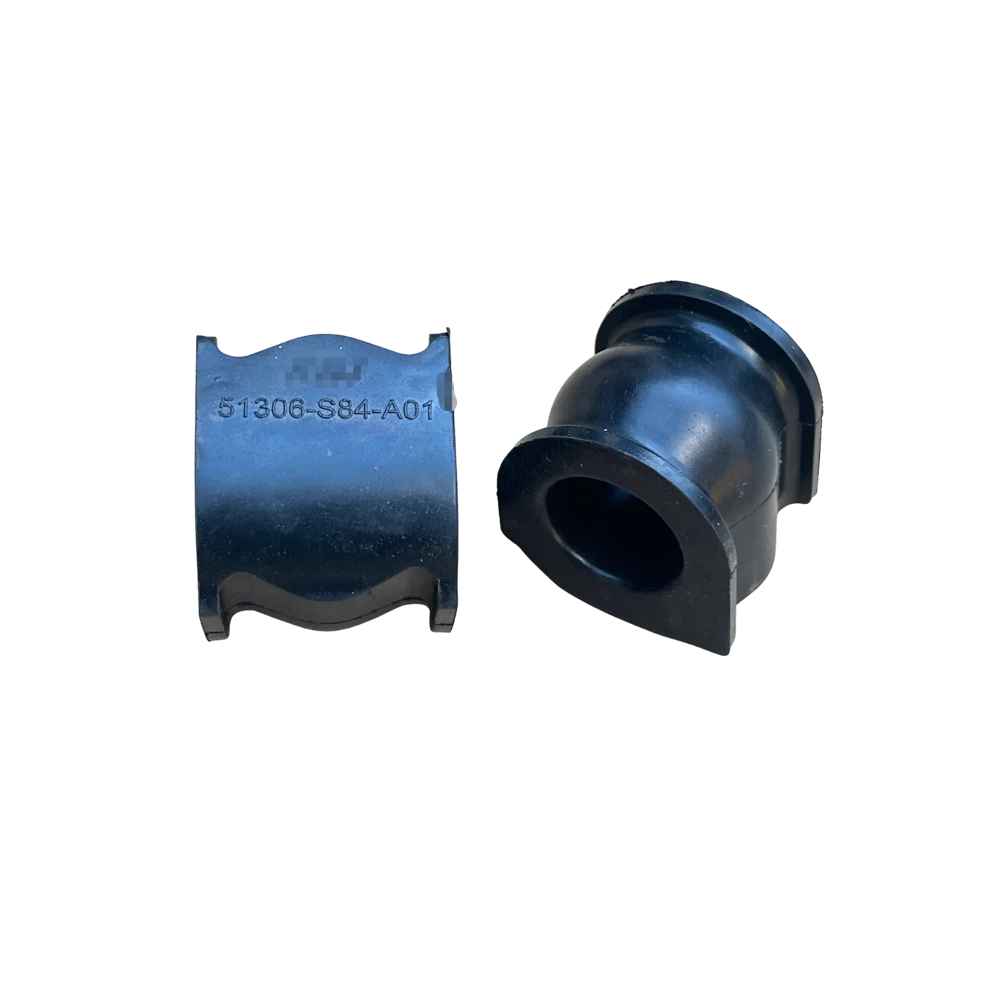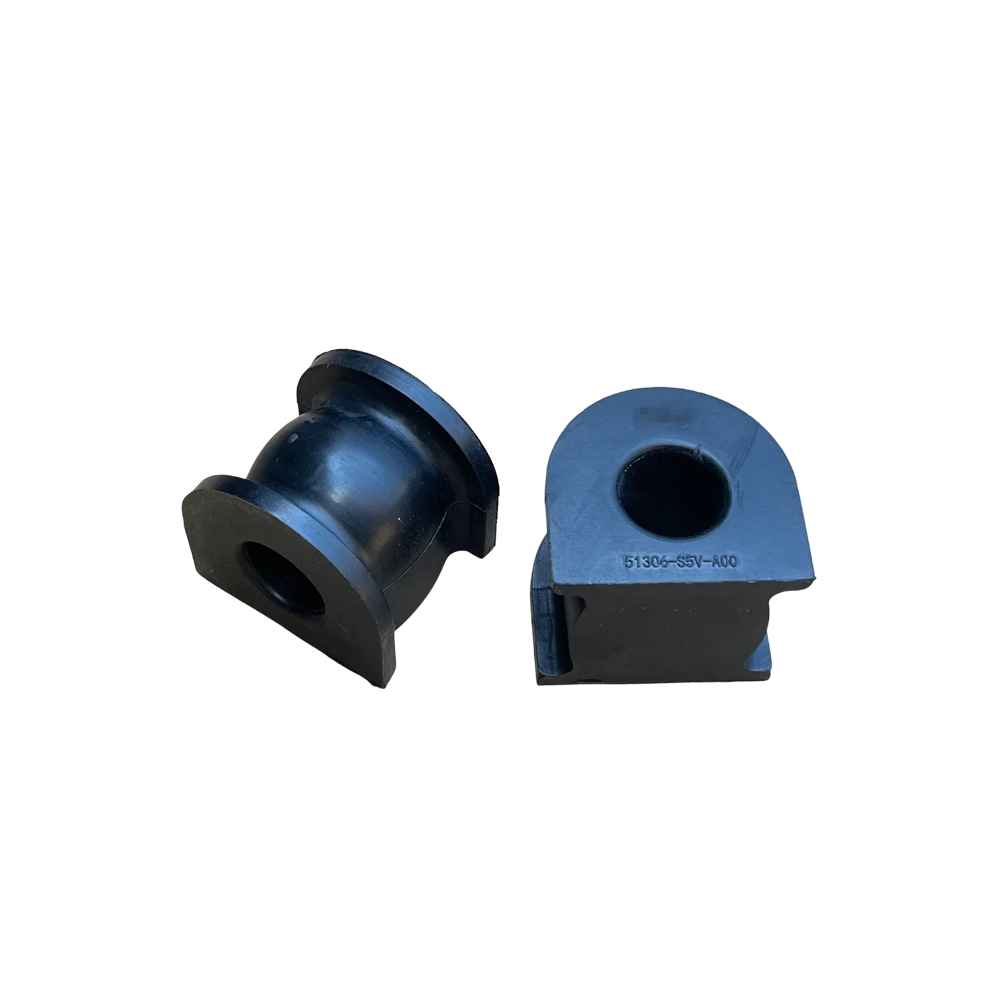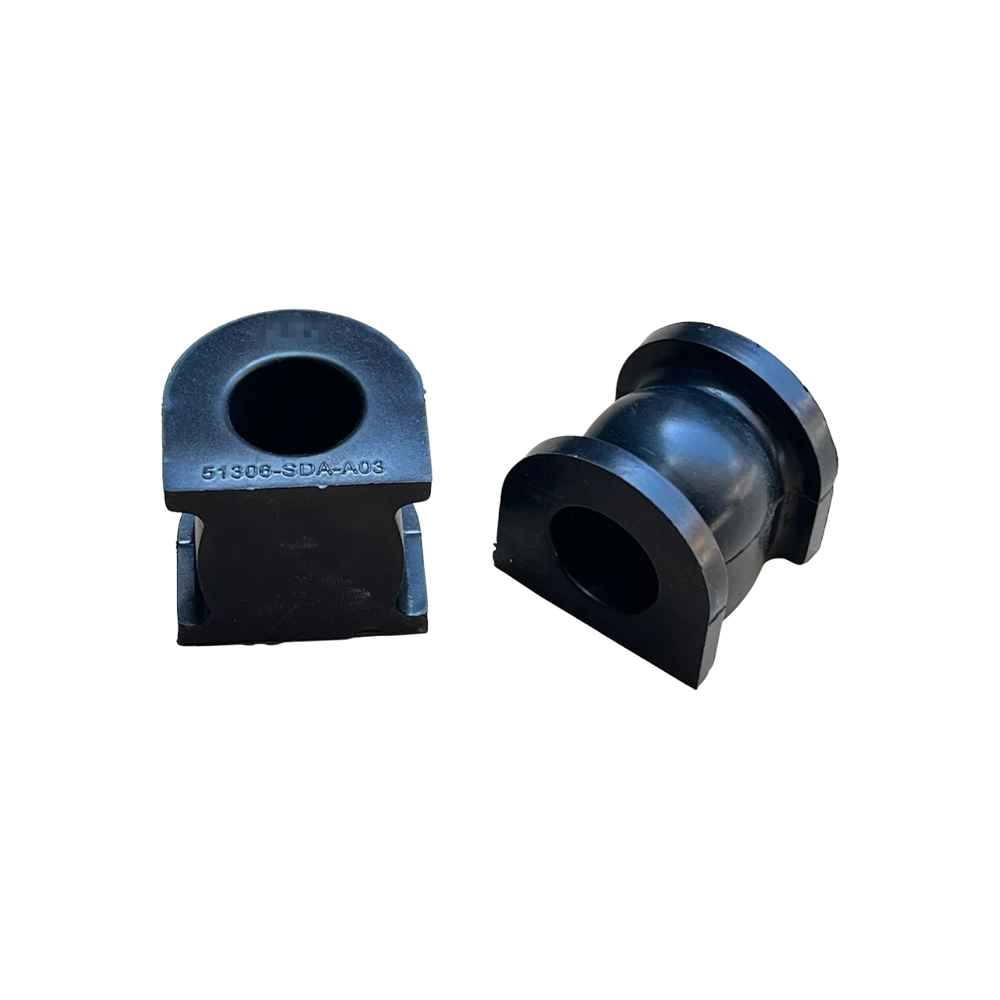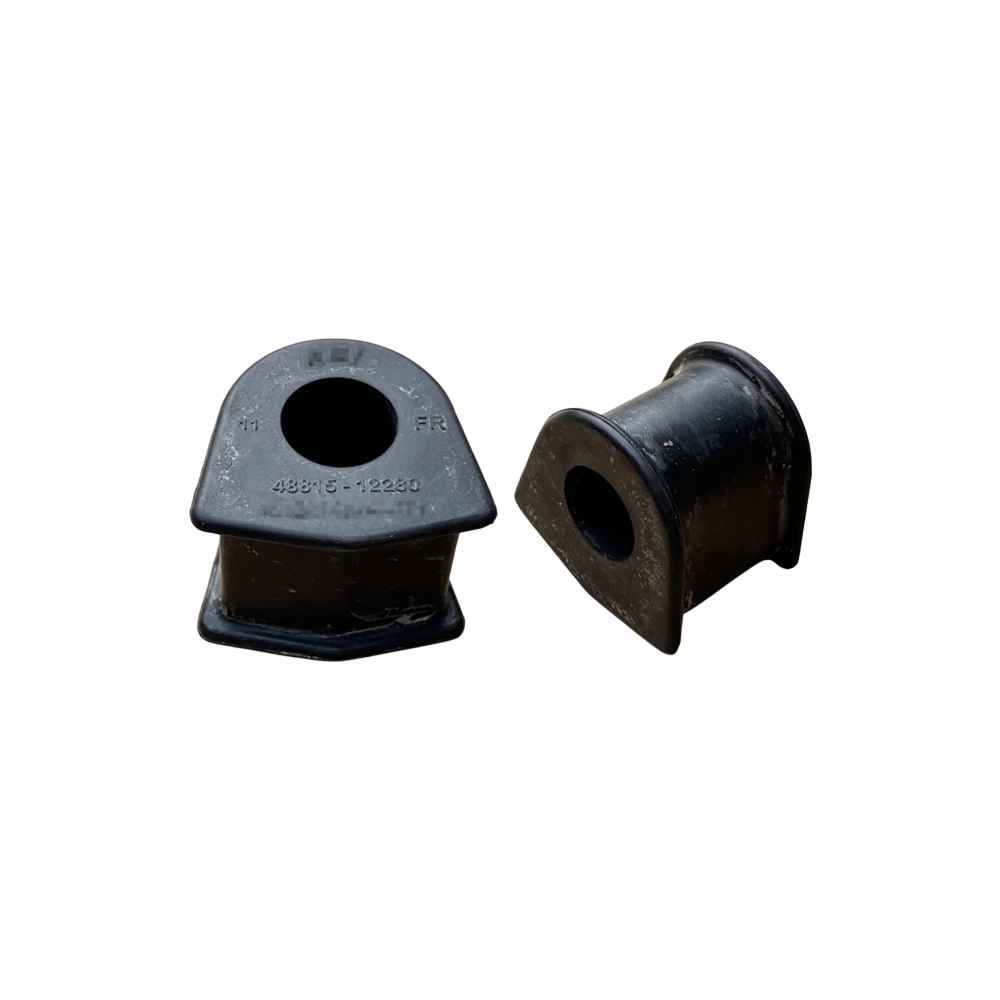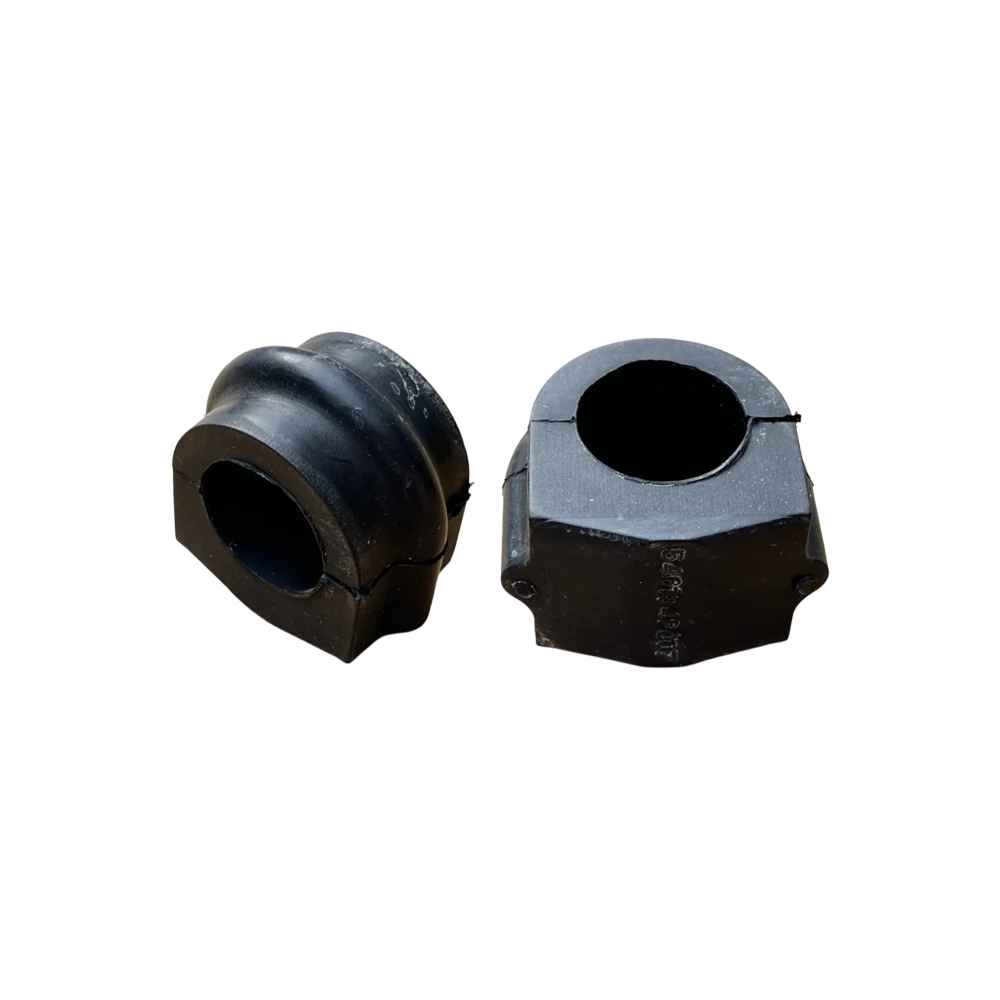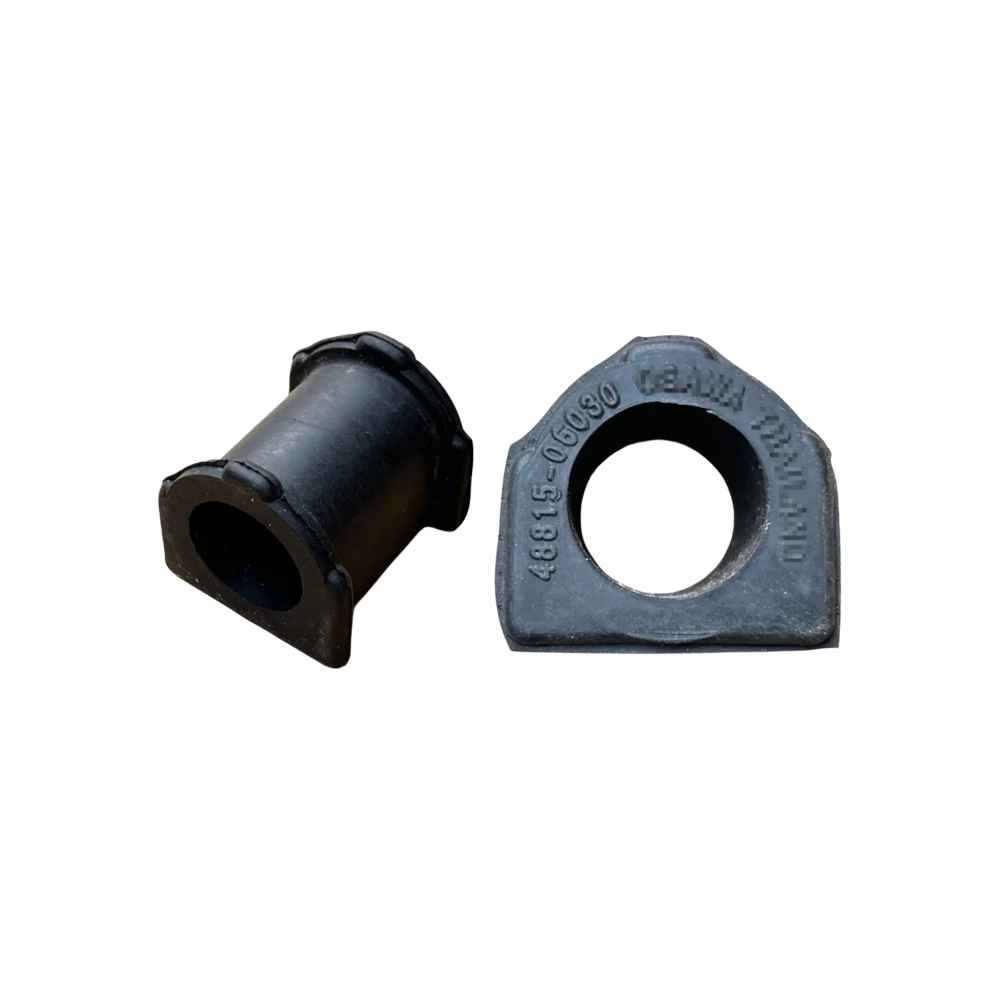
Introduction to Steering Rack Boots
Steering Rack Boots are essential components in vehicles, designed to protect the steering rack from dirt, moisture, and contaminants. These protective covers ensure longevity and optimal performance of the steering system, thereby contributing significantly to vehicle safety and handling.
Materials Used in Steering Rack Boots
The materials commonly used for manufacturing steering rack boots include NBR (Nitrile Butadiene Rubber), Viton (Fluoroelastomer), and Silicone. Each material offers distinct characteristics suited for various operational environments.
NBR (Nitrile Butadiene Rubber)
NBR is a synthetic rubber known for its excellent resistance to oil, fuel, and grease. It is widely utilized in automotive applications due to its durability and cost-effectiveness. Commonly found in steering rack boots, NBR provides reliable protection against contaminants while maintaining flexibility under extreme temperatures.
Viton (Fluoroelastomer)
Viton is another high-performance elastomer that boasts superior heat and chemical resistance. Its ability to withstand aggressive fluids makes it an ideal choice for automotive seals and boots, especially in high-performance applications. Although typically more expensive than NBR, the added resistance often justifies the cost for critical components.
Silicone
Silicone rubber is recognized for its exceptional temperature tolerance and flexibility. While it may not have the same level of oil resistance as NBR or Viton, silicone's capacity to endure extreme temperatures makes it suitable for certain applications where high heat exposure is a concern. However, it is less commonly used for steering rack boots due to potential compatibility issues with automotive fluids.
Durability Comparison
When considering the durability of steering rack boots, factors such as environmental exposure, operating temperature, and fluid compatibility play significant roles.

NBR Durability
- Good resistance to wear and tear
- Effective in moderate temperature ranges
- Susceptible to aging when exposed to UV light
Viton Durability
- Excellent resistance to chemicals and high temperatures
- Long lifespan even in harsh conditions
- Less susceptible to degradation from ozone and UV exposure
Silicone Durability
- Superior thermal stability
- Generally good weather resistance
- May degrade faster in oily environments
Wholesale Pricing Insights
Understanding wholesale pricing for steering rack boots can be instrumental for businesses looking to optimize their procurement strategy. Prices vary significantly depending on the material, brand, and supplier relationships.
Factors Influencing Pricing
- Material type: NBR is typically less expensive than Viton.
- Brand reputation: Established brands like Guanghua may command higher prices due to perceived reliability and performance.
- Quantity purchased: Bulk orders usually attract discounts, affecting overall cost per unit.
Market Trends
In recent years, there has been a growing emphasis on using environmentally friendly materials, which could impact pricing structures as manufacturers adapt to new regulations and consumer preferences.
Conclusion on Material Selection
The choice between NBR, Viton, and silicone for steering rack boots should be based on specific application requirements, taking into account factors such as expected service life, environmental conditions, and budget constraints. Each material presents unique advantages that cater to different needs in automotive design.
Final Thoughts
Assessing the right material for steering rack boots is critical not only for vehicle performance but also for cost management in wholesale operations. By understanding the properties of each material and their implications for durability, organizations can make informed decisions that enhance both product quality and fiscal efficiency.